International Sloth Day
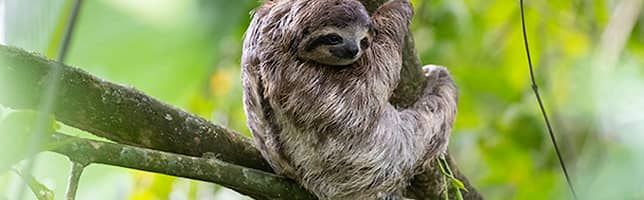
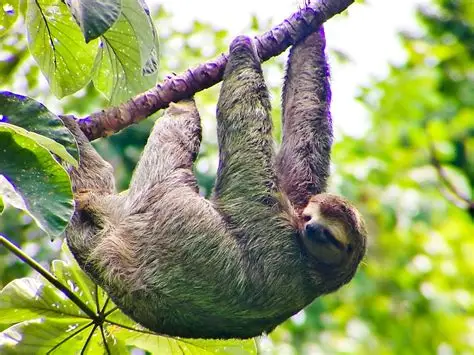
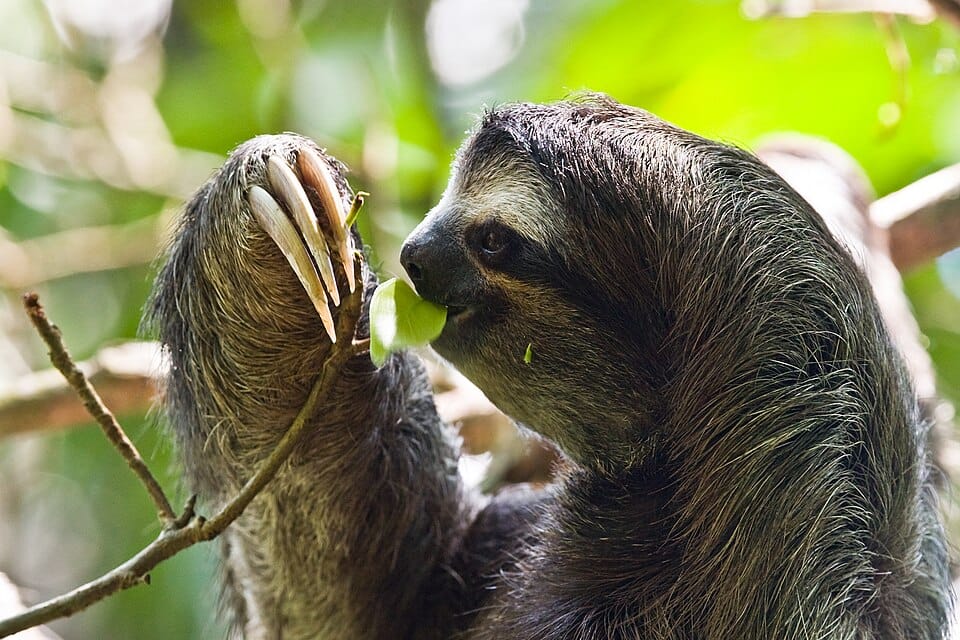
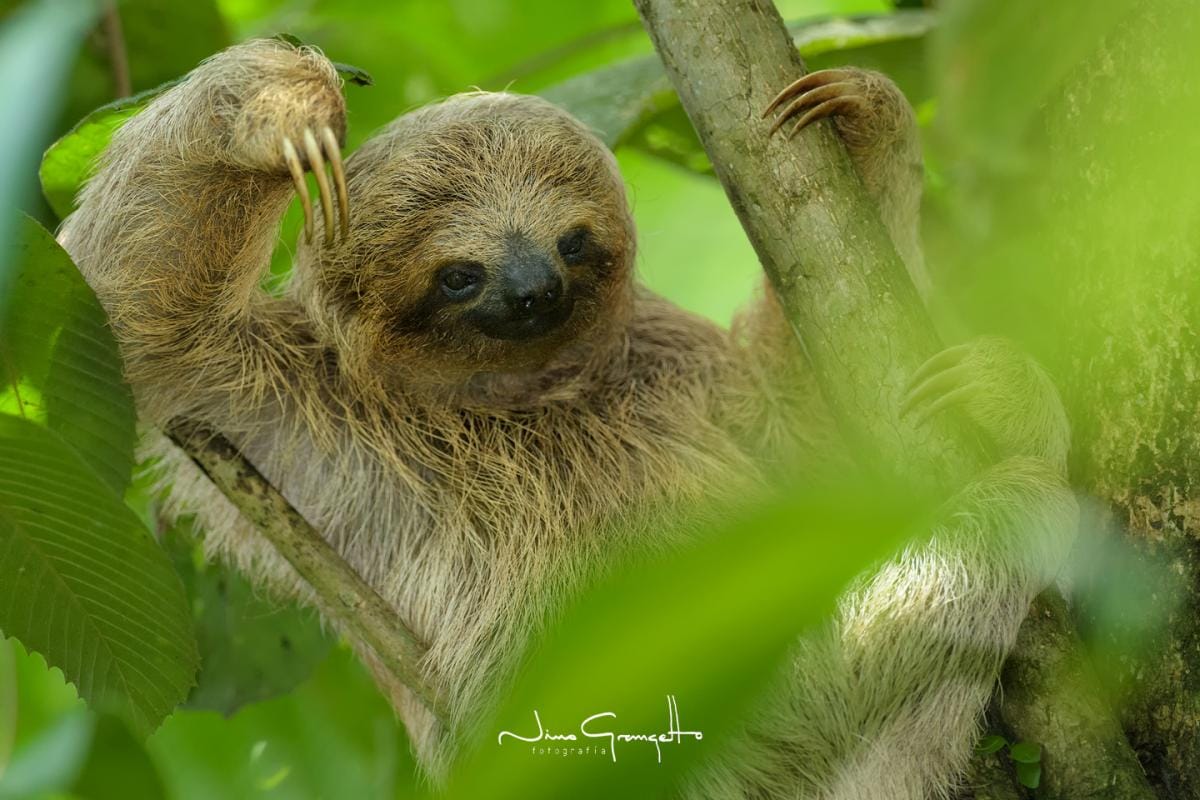
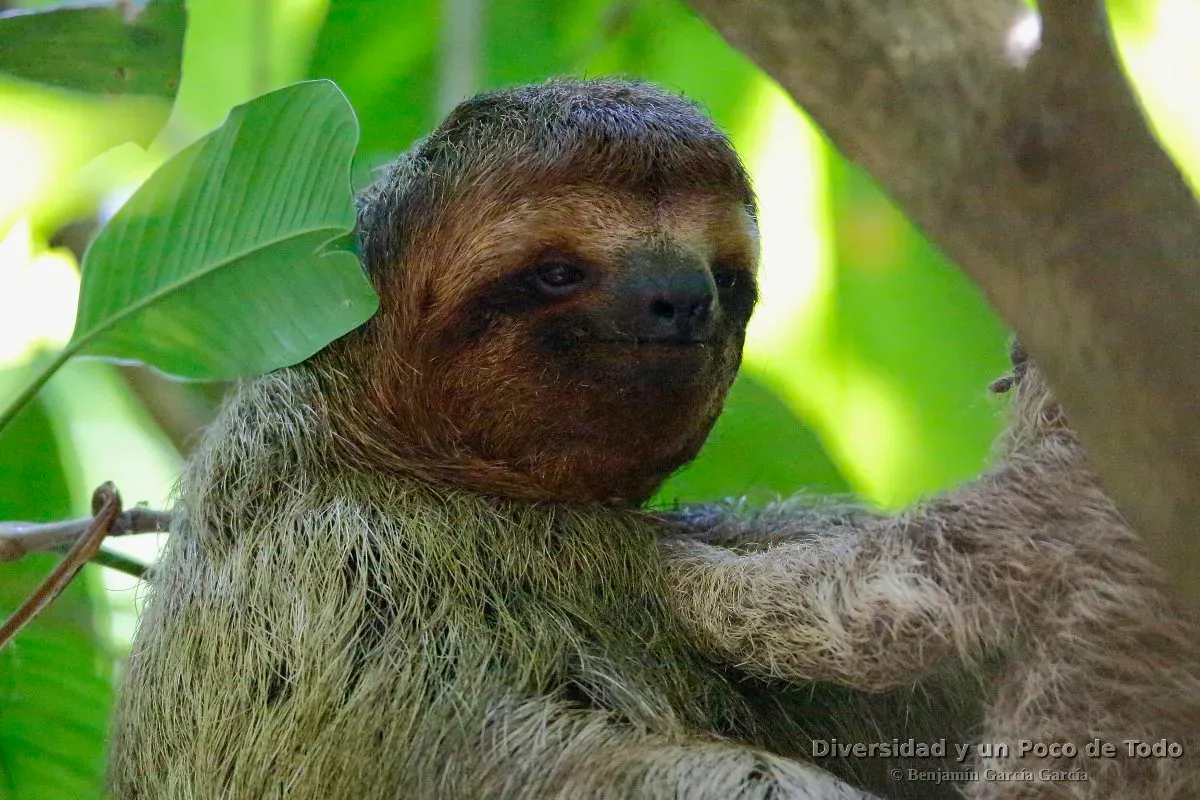
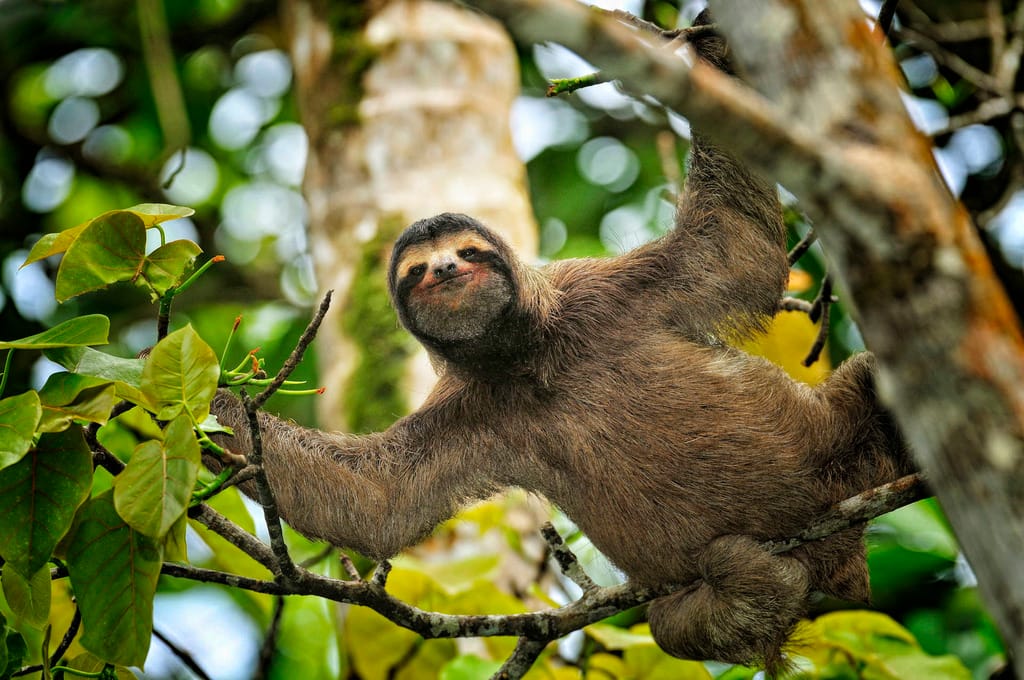
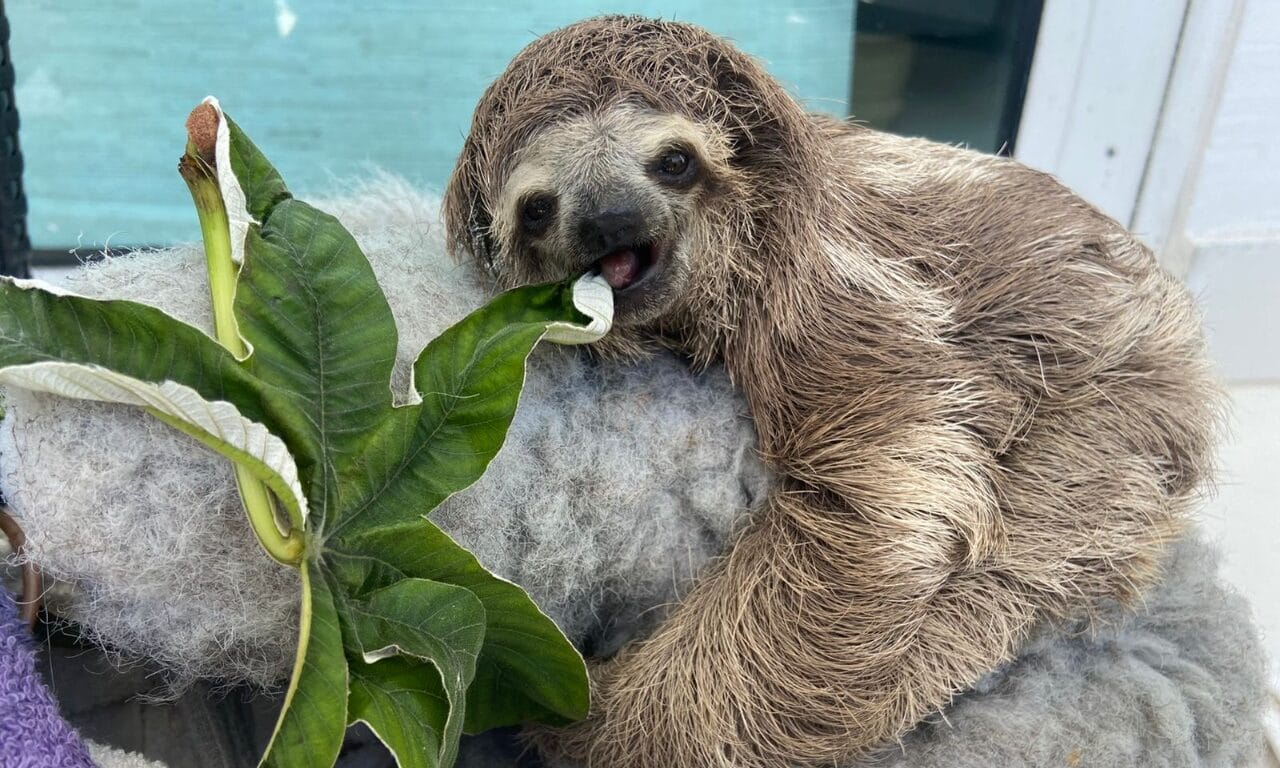
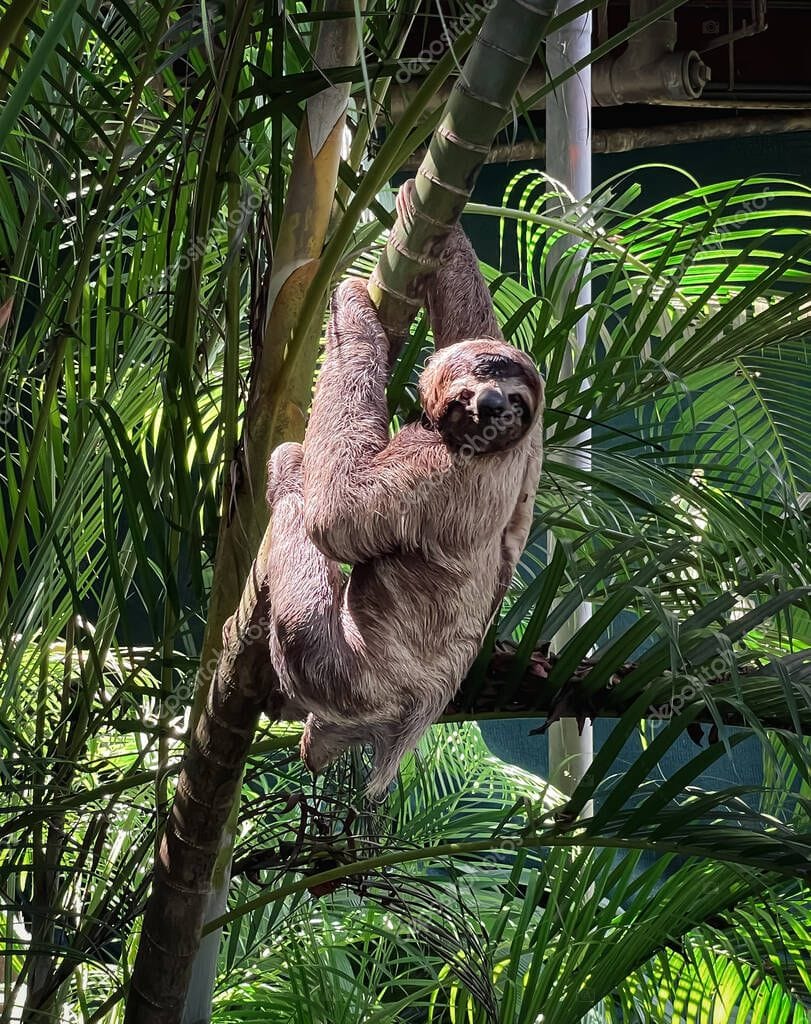
This three-toed sloth, photographed in Puerto Viejo de Talamanca (Costa Rica), is not a lazy animal: it is an efficient animal. His diet is based on leaves, a food poor in energy and difficult to digest, so he has solved the problem at the other extreme, spending the least. He moves slowly, sleeps a lot, and digests for days.
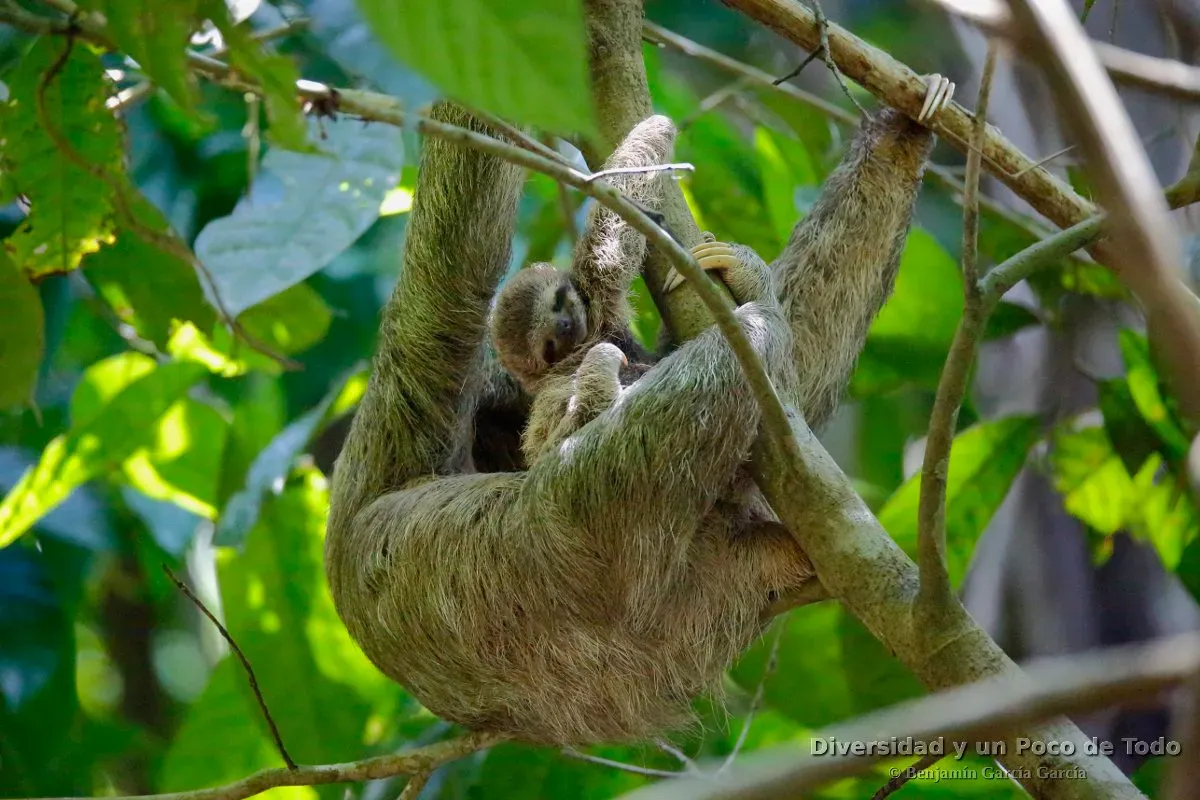
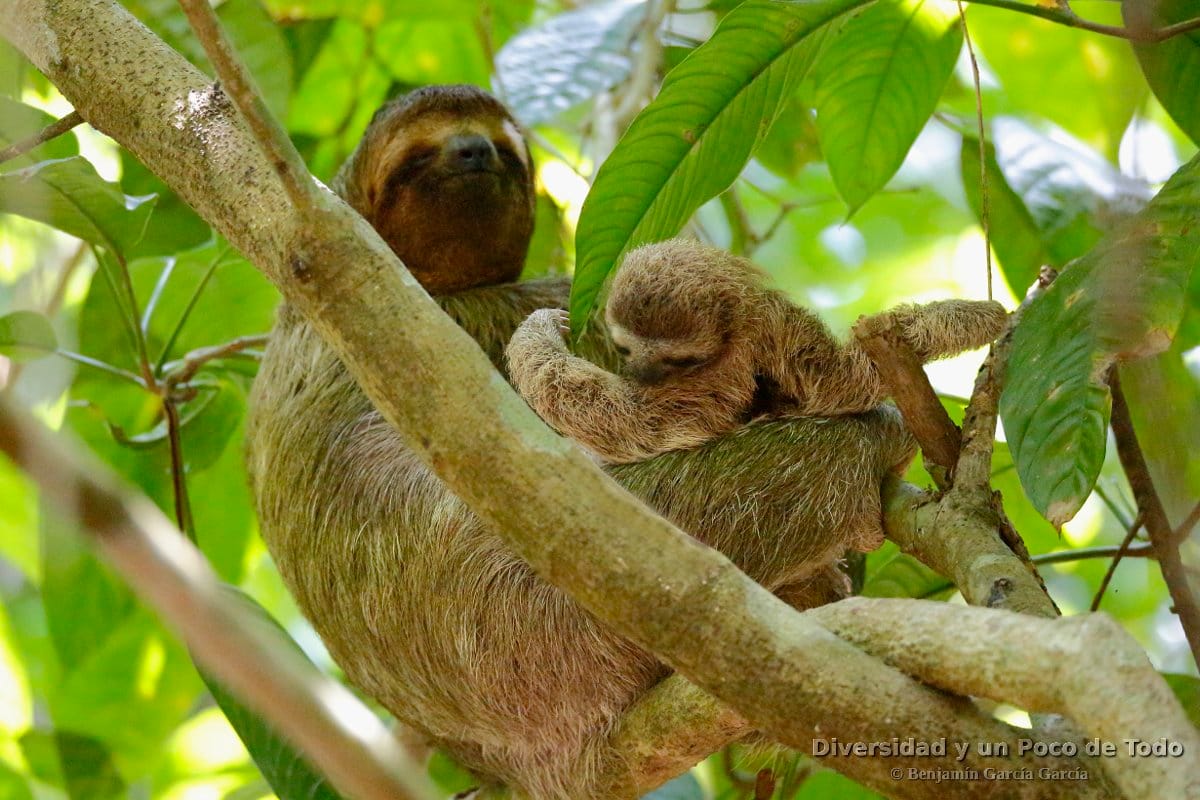
That parsimony has unexpected advantages. As it moves so little, algae grow on its fur that give it a greenish hue and camouflage it among the leaves, and insects that you won't find anywhere else live in it. It also has extra cervical vertebrae, which allows it to turn its head much more than most mammals. Today, on International Sloth Day, a reminder: to see it in the wild you have to travel to the tropical forests of Central or South America.
Día Internacional del Perezoso
Este perezoso de tres dedos, fotografiado en Puerto Viejo de Talamanca (Costa Rica), no es un animal perezoso: es un animal eficiente. Su dieta se basa en hojas, un alimento pobre en energía y difícil de digerir, así que ha resuelto el problema por el otro extremo, gastando lo mínimo. Se mueve despacio, duerme mucho y digiere durante días.
Esa parsimonia tiene ventajas inesperadas. Al moverse tan poco, en su pelaje crecen algas que le dan un tono verdoso y lo camuflan entre las hojas, y en él viven insectos que no encontrarás en ningún otro sitio. Además tiene vértebras cervicales de más, lo que le permite girar la cabeza mucho más que la mayoría de los mamíferos. Hoy, en el Día Internacional del Perezoso, un recordatorio: para verlo en libertad hay que viajar a los bosques tropicales de América Central o del Sur.
Giornata Internazionale del Bradipo
Questo Bradipo a tre dita, fotografato a Puerto Viejo de Talamanca (Costa Rica), non è un animale pigro: è un animale efficiente. La sua dieta si basa su foglie, un cibo povero di energia e difficile da digerire, quindi ha risolto il problema all'estremo opposto, spendendo il minimo di energia. Si muove lentamente, dorme molto e digerisce per giorni.
Questa parsimonia ha vantaggi inaspettati. Poiché si muove così poco, crescono alghe sul suo pelo che gli danno una tonalità verdastra e lo camuffano tra le foglie, e vi vivono insetti che non si trovano altrove. Ha anche vertebre cervicali extra, che gli permettono di girare la testa molto più di molti mammiferi. Oggi, in occasione della Giornata Internazionale del Bradipo, ricordatevi che per vederlo in natura dovete viaggiare nelle foreste tropicali dell'America Centrale o del Sud.
The Mouth of Truth is a reader-supported publication. To receive new posts and support my work, consider becoming a free or paid subscriber.
Free and voluntary gesture on Pay Pal