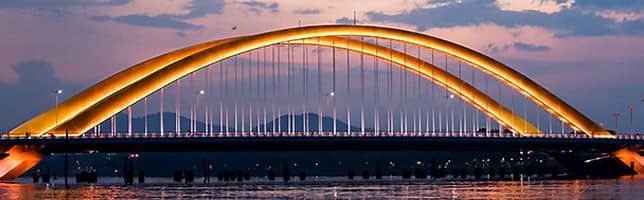
Nguyễn Hoàng Bridge over the Perfume River, Hue, Vietnam
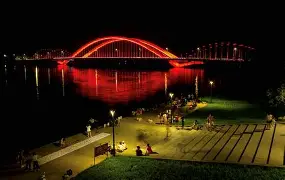
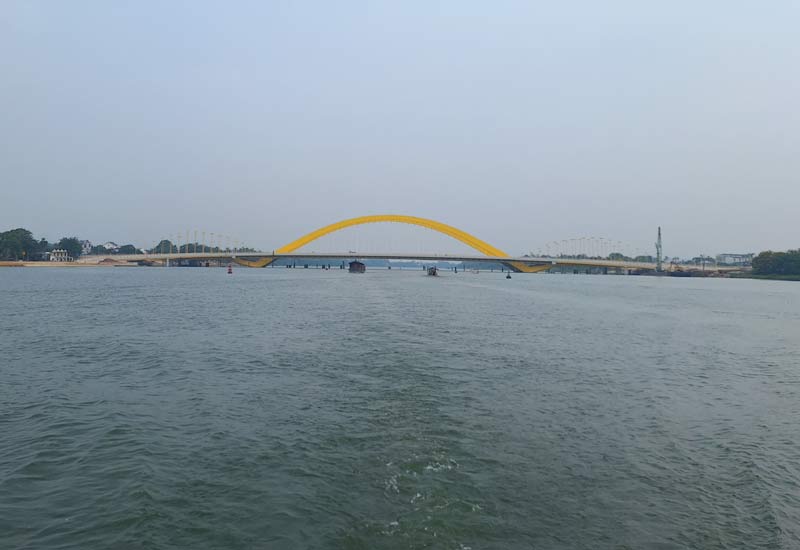
The Nguyễn Hoàng Bridge crosses the Perfume River in Hue, Vietnam, and is a very recent addition to the landscape: it was opened to traffic in March 2025. It is 380 meters long and more than 40 meters wide, and its design is the work of the Finnish Antti Karjalainen, a specialist in bridges.
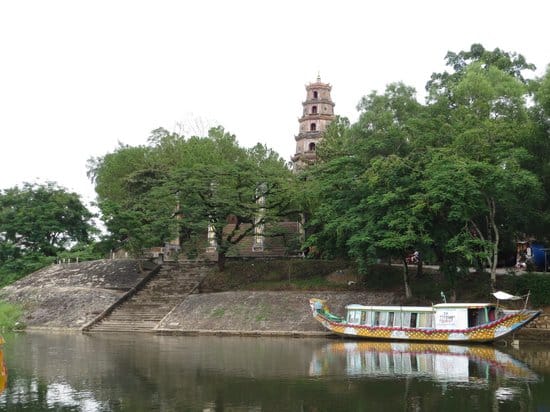
The starting idea was a crane flying towards the Thien Mu pagoda, one of the symbols of the city. This is where the great steel arch and the row of elements that evoke the parasols of the imperial court come from, which at night are illuminated and have turned the bridge into a place for walking and photography.
Hue was the imperial capital of Vietnam and its complex of palaces, temples and royal tombs is a World Heritage Site. The bridge was also inaugurated on a special date, the anniversary of the liberation of the city. Here the new does not compete with the old: it quotes it.
Puente Nguyễn Hoàng sobre el río de los Perfumes, Hue, Vietnam
El puente Nguyễn Hoàng cruza el río de los Perfumes en Hue (Vietnam), y es una incorporación muy reciente al paisaje: se abrió al tráfico en marzo de 2025. Mide 380 metros de largo y más de 40 de ancho, y su diseño es obra del finlandés Antti Karjalainen, especialista en puentes.
La idea de partida fue una grulla en vuelo hacia la pagoda de Thien Mu, uno de los símbolos de la ciudad. De ahí vienen el gran arco de acero y la hilera de elementos que evocan las sombrillas de la corte imperial, que por la noche se iluminan y han convertido el puente en un lugar de paseo y de fotografía.
Hue fue capital imperial de Vietnam y su conjunto de palacios, templos y tumbas reales es Patrimonio Mundial. El puente se estrenó además en una fecha señalada, el aniversario de la liberación de la ciudad. Aquí lo nuevo no compite con lo antiguo: lo cita.
Ponte Nguyễn Hoàng sul fiume Profumo, Hue, Vietnam
Il ponte Nguyễn Hoàng attraversa il fiume dei Profumi a Hue, Vietnam, ed è un'aggiunta molto recente al paesaggio: è stato aperto al traffico nel marzo 2025. È lungo 380 metri e largo più di 40 metri, e il suo progetto è opera del finlandese Antti Karjalainen, specialista in ponti.
L'idea di partenza era una gru che volava verso la pagoda Thien Mu, uno dei simboli della città. Da qui derivano il grande arco d'acciaio e la fila di elementi che evocano i parasoli della corte imperiale, che di notte sono illuminati e hanno trasformato il ponte in un luogo per passeggiate e fotografie.
Hue era la capitale imperiale del Vietnam e il suo complesso di palazzi, templi e tombe reali è un sito patrimonio dell'umanità. Il ponte fu inoltre inaugurato in una data speciale, l'anniversario della liberazione della città. Qui il nuovo non compete con il vecchio: lo cita.
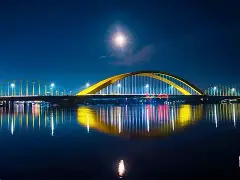
Nguyễn Hoàng Bridge over the Perfume River, Hue, Vietnam
The Mouth of Truth is a reader-supported publication. To receive new posts and support my work, consider becoming a free or paid subscriber.
Free and voluntary gesture on Pay Pal
