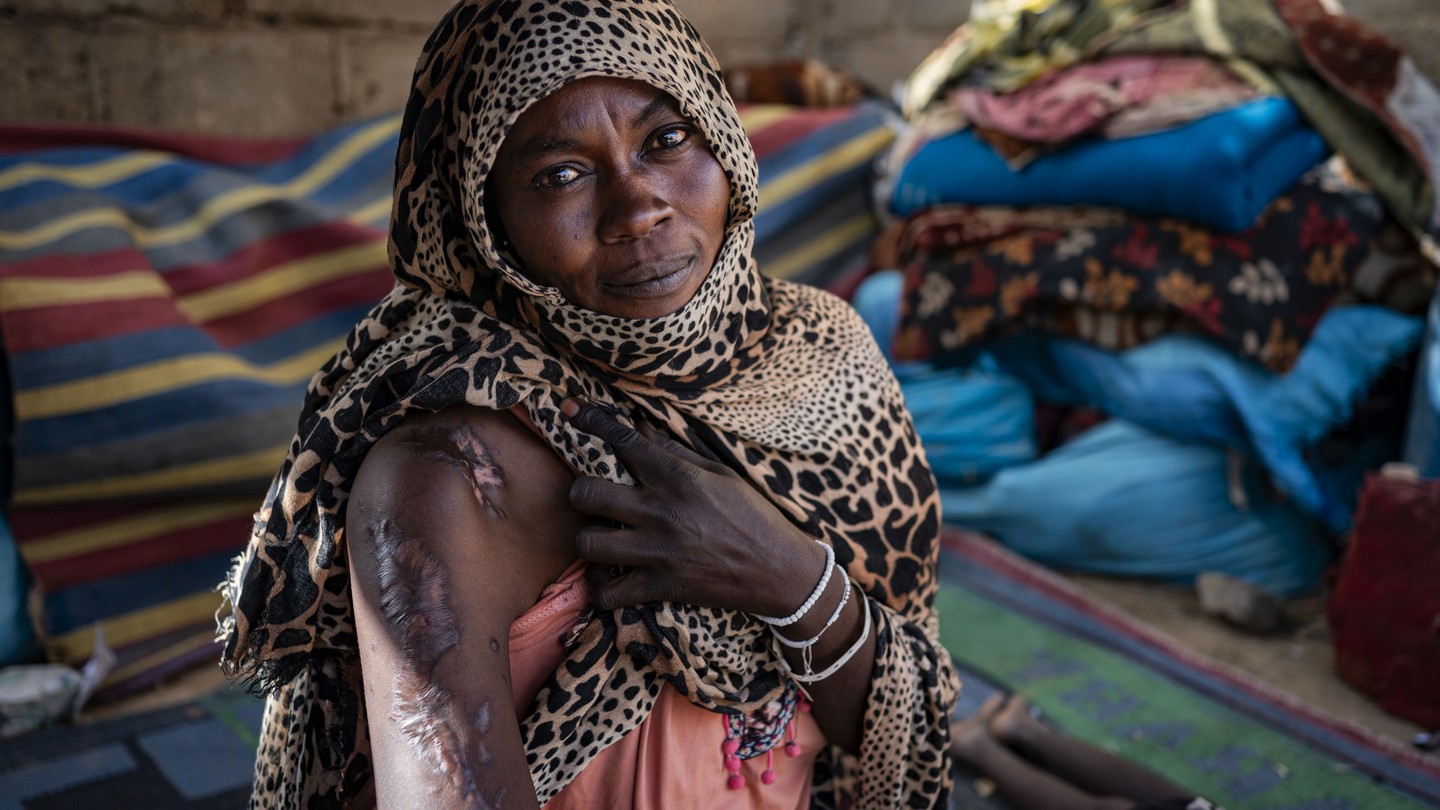
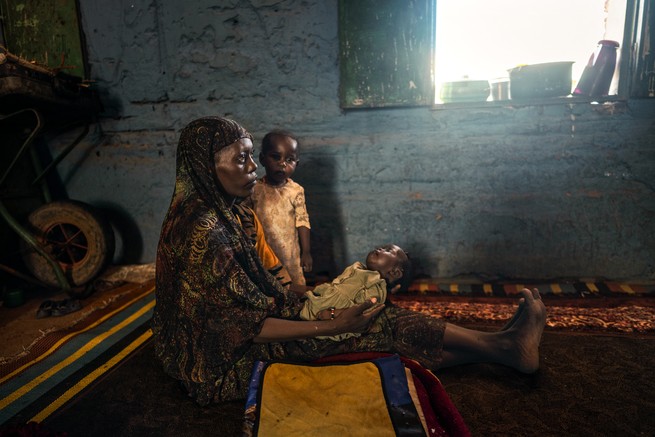
At the Iridimi camp in eastern Chad, Sara Ahmed Mohammed, 30, shows scars from the wounds she suffered in an air strike by the Sudanese Armed Forces, or SAF, in North Darfur. Her six-month-old baby, whom she was carrying on her back, was killed in the attack. Sara survived, but she was left with severe burns. Other members of her family have been killed during the civil war, by shelling and drone strikes. “We are poor citizens in our homes, and we don’t know the story behind the war,” Sara said in an interview. “Two governments are fighting each other, killing citizens, humiliating them, taking their belongings, displacing them, coming and going—we know nothing about them.”
More than two years of civil war in Sudan have displaced 12 million people, killed at least 150,000 (and likely far more than that), put 25 million people in danger of starvation, and left wide swaths of physical wreckage. Over several months this year, Anne Applebaum and Lynsey Addario reported from Sudan and Chad, documenting the persistent humanitarian tragedy there and revealing the violent Hobbesian horror that emerges when foreign aid and the liberal order are withdrawn from the world. The result, “The Most Nihilistic Conflict on Earth,” The Atlantic’s September 2025 cover story, featured a reported essay by Applebaum and photojournalism by Addario. This expanded gallery of Addario’s photos conveys something of the scope of the suffering in the region, with brutal immediacy.
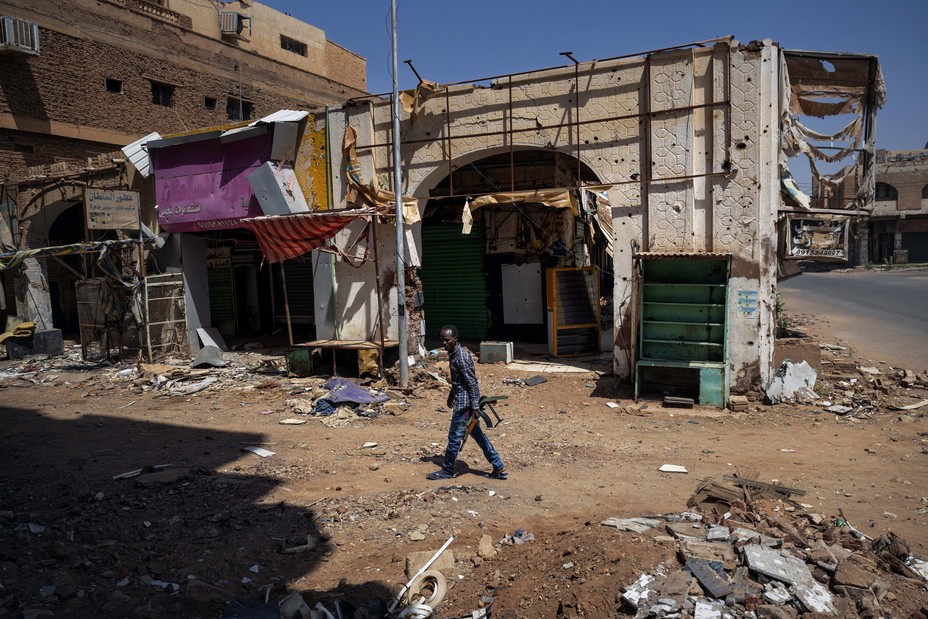
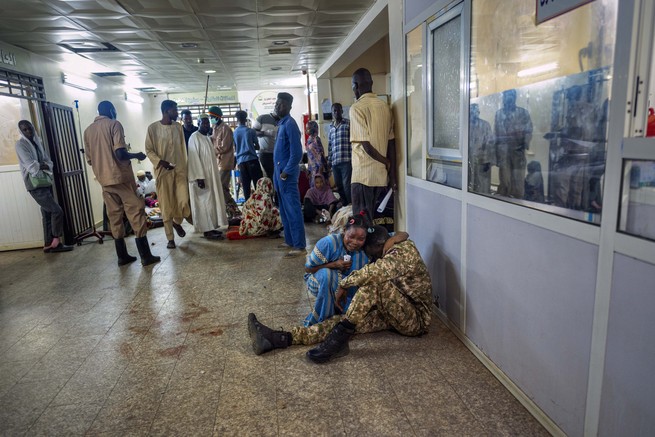
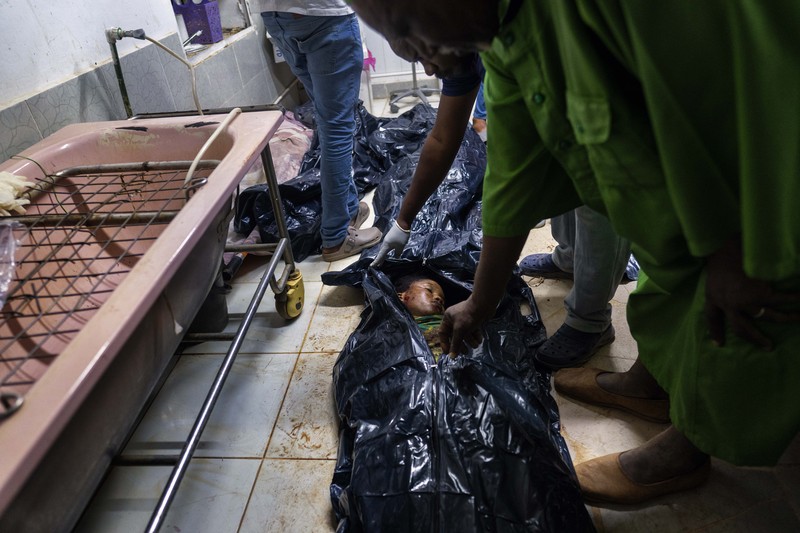
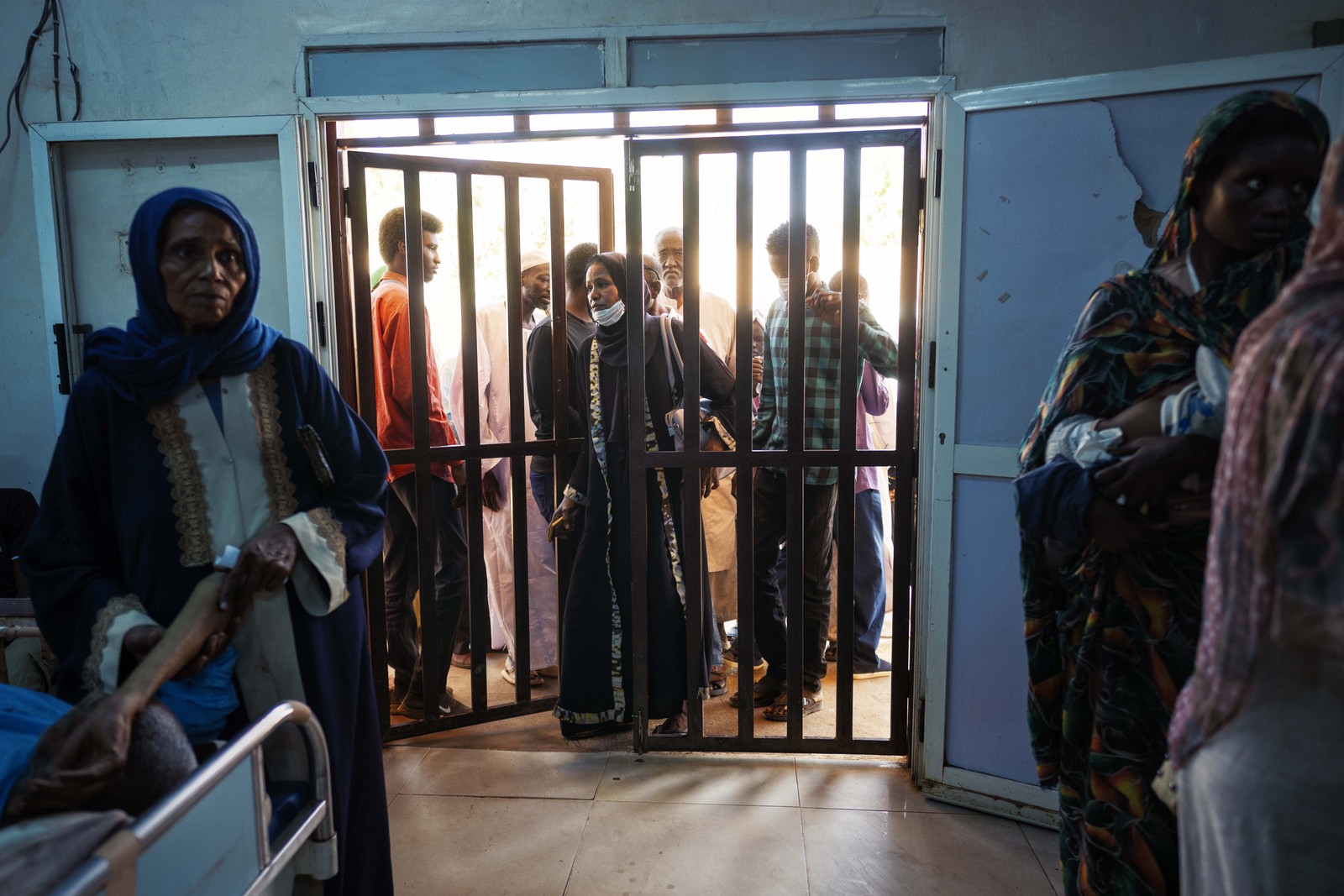
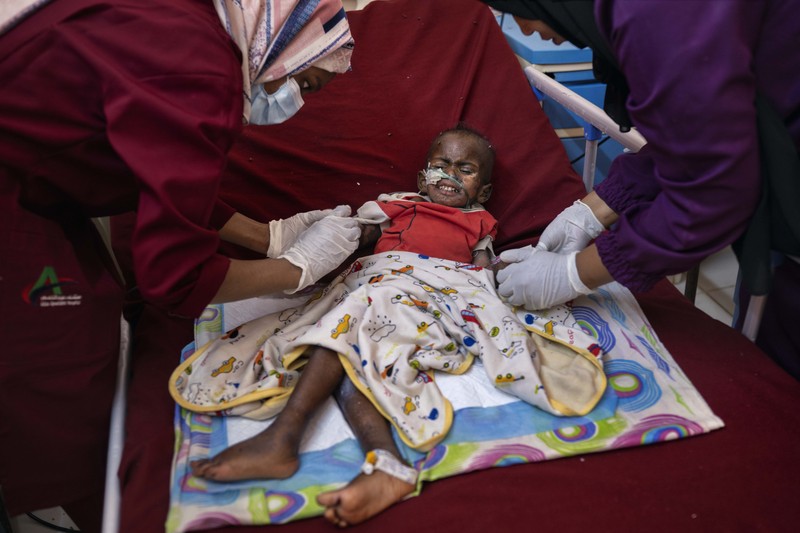
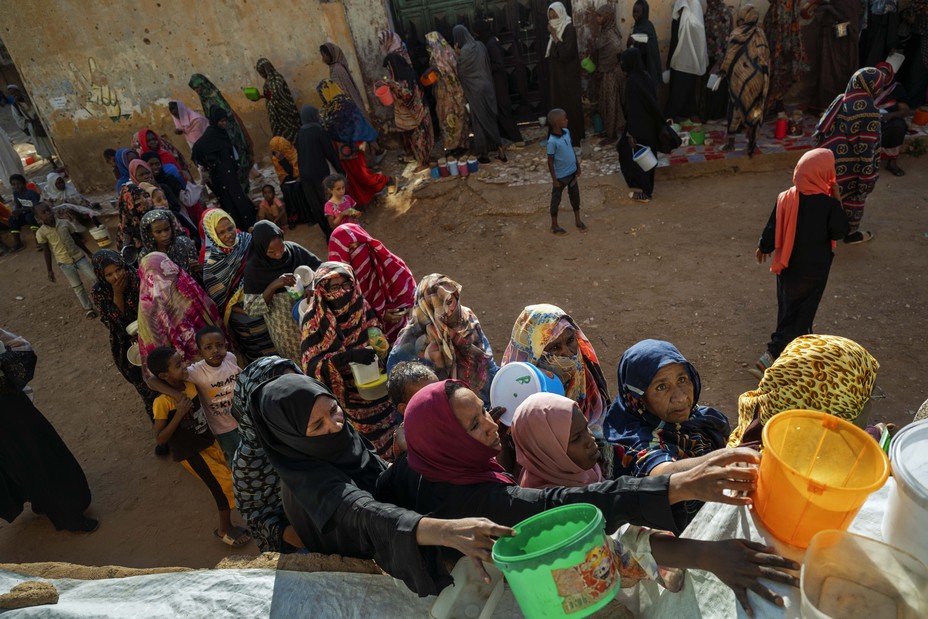
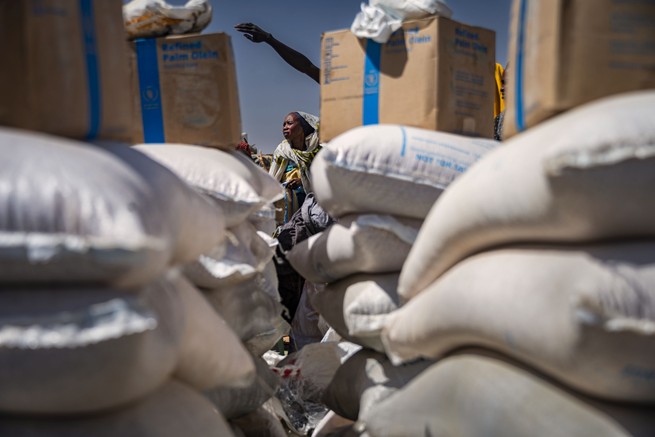
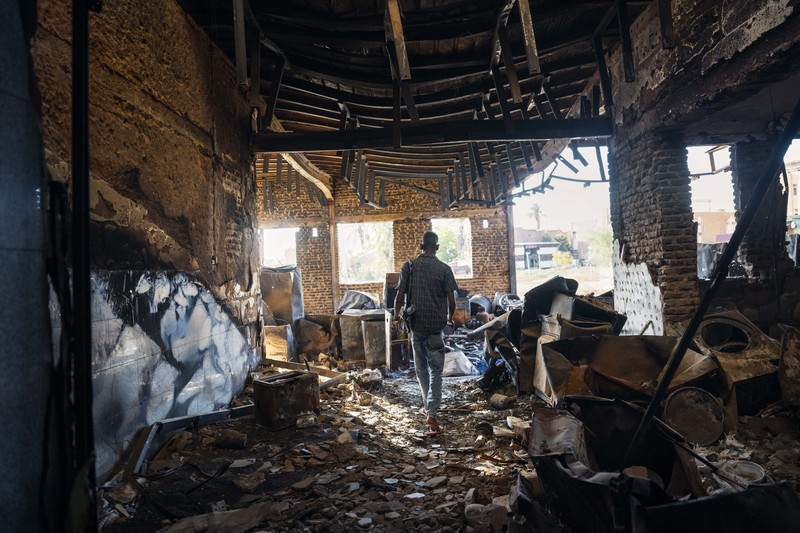
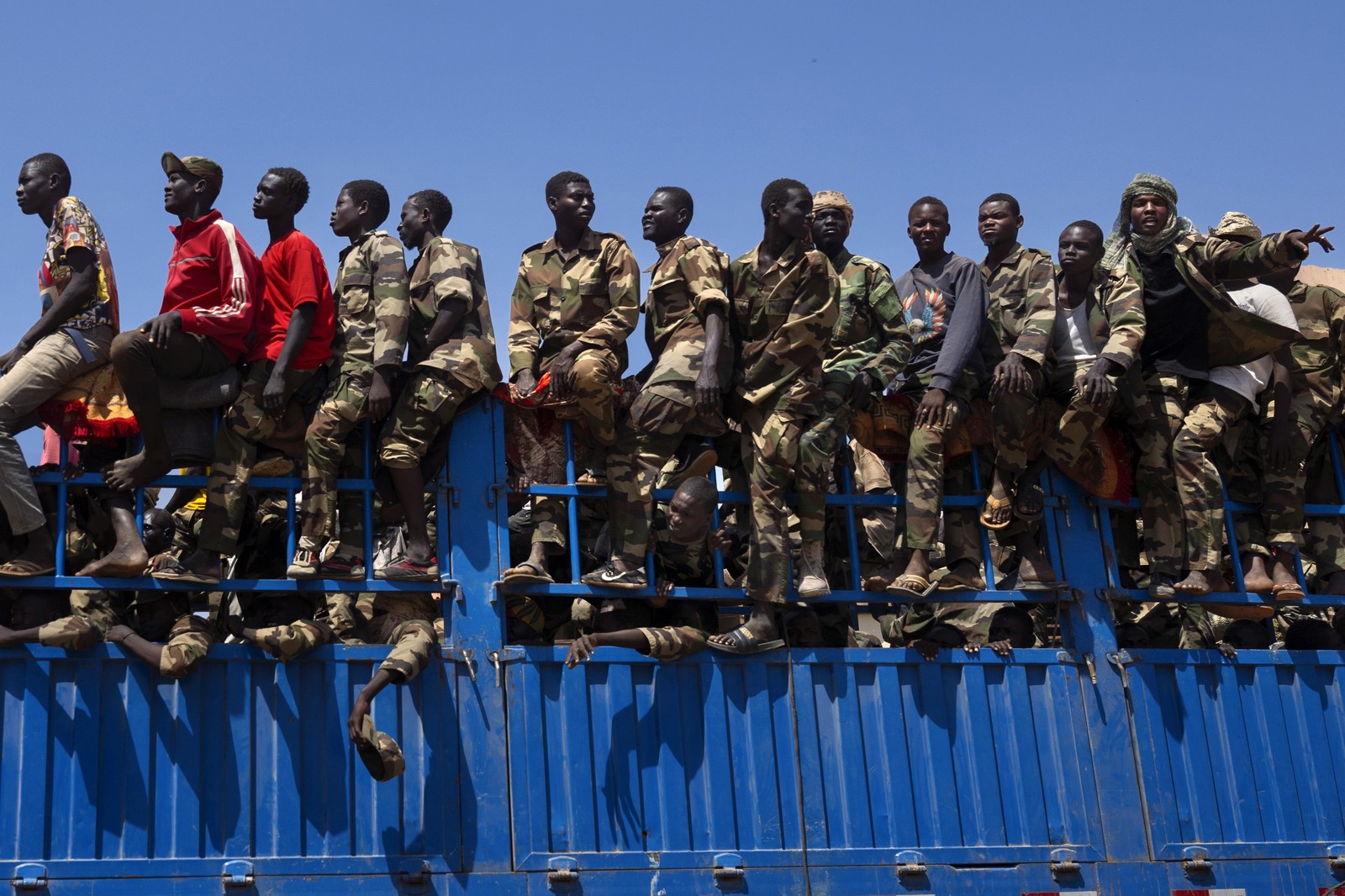
Lynsey Addario for The AtlanticThe destroyed remnants of Souq Omdurman, in Khartoum, Sudan. As the civil war extends into its third year, 12 million Sudanese have been driven out because of the ongoing fighting and the lack of basic services such as access to medical care, water, and electricity.Lynsey Addario for The AtlanticA woman embraces a soldier at al-Nau Hospital following a mortar attack in Omdurman that killed or injured dozens of civilians.Lynsey Addario for The AtlanticIn the al-Nau morgue, Sudanese officials examine the bodies of women and children killed during the shelling of a residential area in Khartoum by the Rapid Support Forces, or RSF./Lynsey Addario for The AtlanticAs the SAF takes back areas in and around Khartoum, they are finding victims from when the RSF held the region. Here, workers for the Sudanese Red Crescent Society retrieve seven corpses from a well.Lynsey Addario for The AtlanticDisplaced people from the al-Izba neighborhood of Khartoum—a city where heavy fighting destroyed many buildings and eliminated access to water and electricity—are now staying in an abandoned school called al-Ahamdda camp in Bahri, Sudan.Lynsey Addario for The AtlanticAt al-Nau, the largest hospital still operating in the Khartoum region, Sudanese civilians line up at the entrance to a ward where victims of recent RSF shellings are being treated.Lynsey Addario for The AtlanticA 2-year-old boy from Khartoum receives treatment for severe malnutrition, at the Al-Buluk pediatric hospital in Omdurman./Lynsey Addario for The AtlanticKhadija Yacoub Ahmed, 65, stands over her thirteen-day-old grandson, who is being treated for sepsis at El Geneina Teaching Hospital in West Darfur, Sudan. After the war started, in April 2023, the hospital was looted. When USAID cuts were implemented, many aid organizations left, further limiting the hospital’s ability to treat tuberculosis, malaria, and HIV. The hospital is currently staffed by Doctors Without Borders.Lynsey Addario for The AtlanticSudanese families line up for food at a communal kitchen in Omdurman. Famine besets Sudan: Some 770,000 children are at risk of dying from starvation, according to the United Nations, and by some estimates, more than half a million children have died of malnutrition since the start of the war.Lynsey Addario for The AtlanticSudanese refugees in Adré, Chad, line up at a monthly food distribution by the World Food Programme. Severely underfunded, the UN Refugee Agency does not have the resources to shelter and feed new refugees the way it has traditionally done; consequently, people who have fled the civil war must sit all day under direct sunlight in temperatures that exceed 100 degrees, with no shelter and little food.Lynsey Addario for The AtlanticThe ruins of the Sudanese National Broadcasting Corporation, in Omdurman/Lynsey Addario for The AtlanticSAF soldiers stand guard in an area they’d recently recaptured from the RSF in Khartoum.Lynsey Addario for The AtlanticA truck full of SAF fighters drives through Bahri, in Khartoum, which was taken back from the RSF earlier this year.
Editor, curator, and founder of bilingual platforms focused on cultural critique, legacy-building, and editorial transparency. Based in Spain, active across Europe and Southeast Asia.Championing editorial clarity, mythic publishing, and queer voice.