The Iran War Showed a New Side of Pope Leo
Don’t call him the quiet pope anymore.
April 10, 2026, 10:18 AM ET
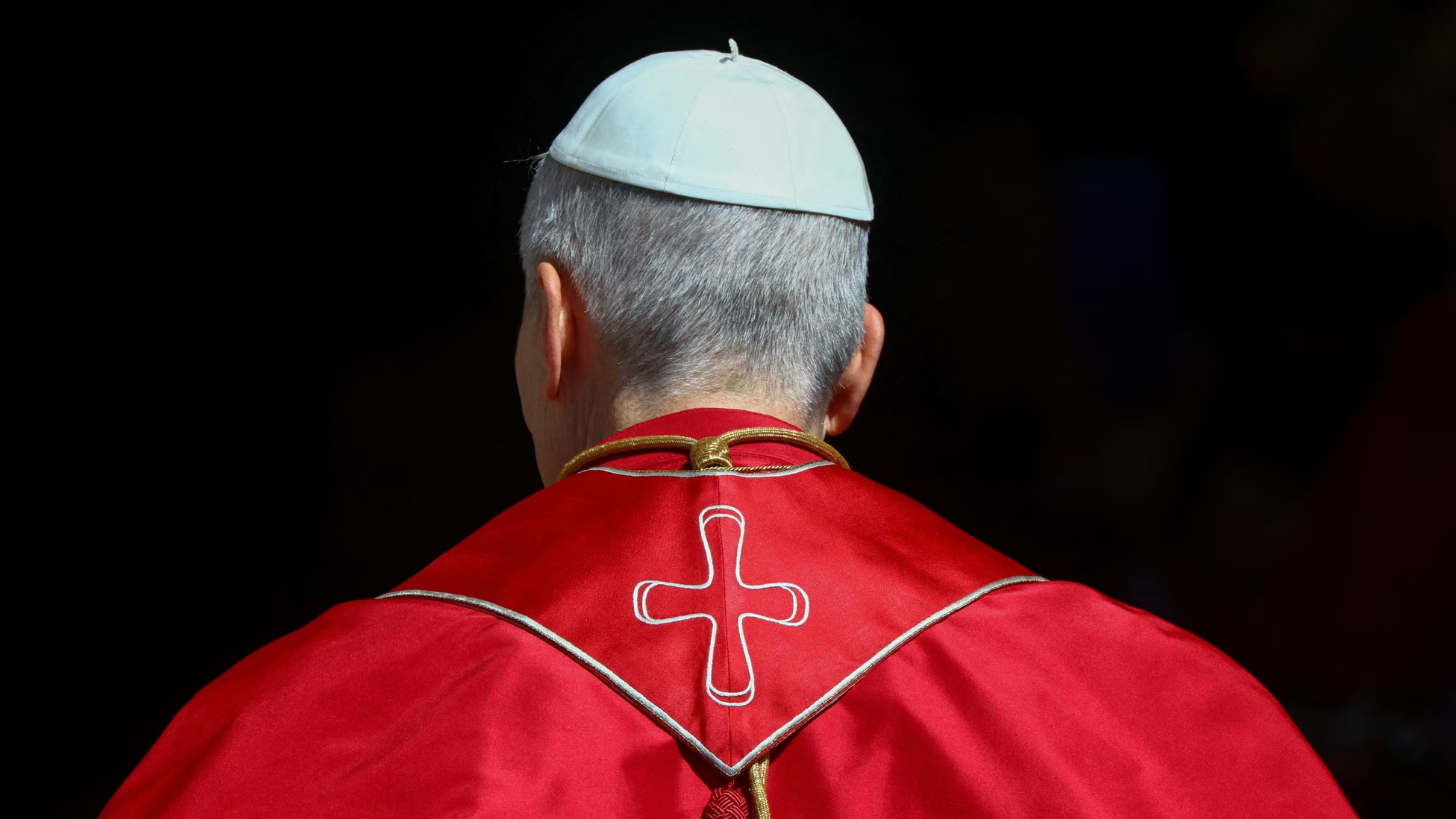
Catholics didn’t take long to conclude that Pope Leo XIV would be an unassuming leader. In contrast with the voluble Pope Francis, who clearly delighted in provoking controversy with off-the-cuff statements, Leo tended to speak in qualifiers—it seems; I suppose; at the moment—when he spoke at all. Nearly a year into his pontificate, he’s given just one extended on-the-record interview.
Leo’s reserve frustrated those who wanted to enlist the first American pope as the primary antagonist to the American president. He avoided such confrontation, perhaps recognizing that it could aggravate divisions in the politically diverse Catholic Church. The new pope prioritized unity, a principle he cited half a dozen times during his inaugural Mass, in implicit response to the discord that marked much of Francis’s time as pope. By all evidence, Leo was something entirely different from both Francis and Donald Trump: a quiet American, as I called him last summer.
 Francis X. Rocca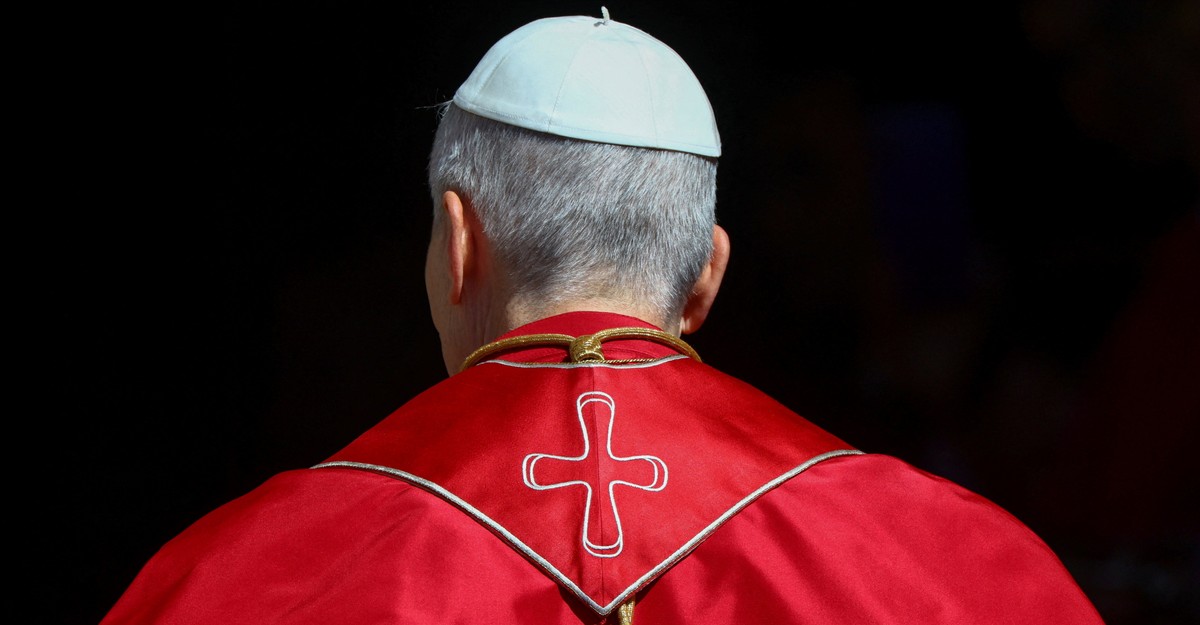
to read this story, sign in, start a free trial, or subscribe today.
Francis X. Rocca is a contributing writer at The Atlantic and the Vatican editor at EWTN News. He has covered the Vatican since 2007, including as a correspondent for The Wall Street Journal, where he also reported on global religion.
Keep reading The Atlantic.
Essential journalism for historic times


The Mouth of Truth is a reader-supported publication. To receive new posts and support my work, consider becoming a free or paid subscriber.
In questo spazio non si paga per entrare: si entra perché si riconosce un’eco,
un frammento di sé, un varco che merita di essere custodito.
Se desideri sostenere questo lavoro con un gesto libero, puoi farlo qui:

This space does not ask for payment to enter: you enter because you recognize an echo,
a fragment of yourself, a threshold worth preserving.
If you wish to support this work with a free and voluntary gesture, you may do so here:
En este espacio no se paga por entrar: se entra porque uno reconoce un eco,
un fragmento de sí mismo, un umbral que merece ser cuidado.
Si deseas apoyar este trabajo con un gesto libre y voluntario, puedes hacerlo aquí: