
Witches' Bridge and Market Square, Wroclaw, Poland
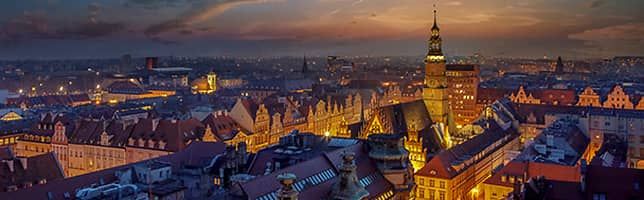
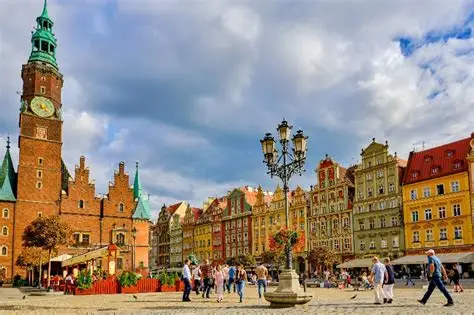
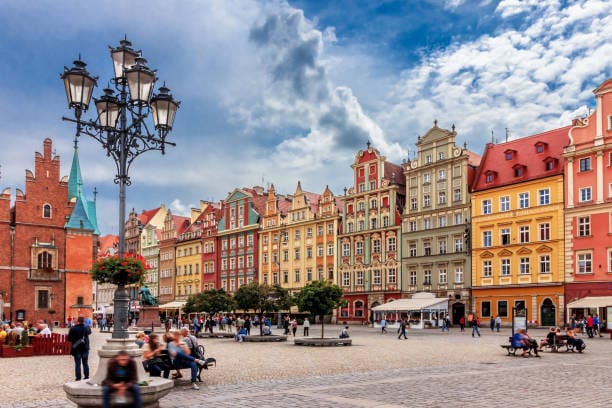
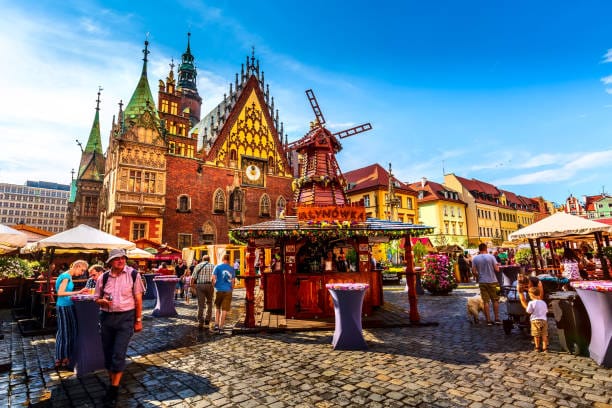
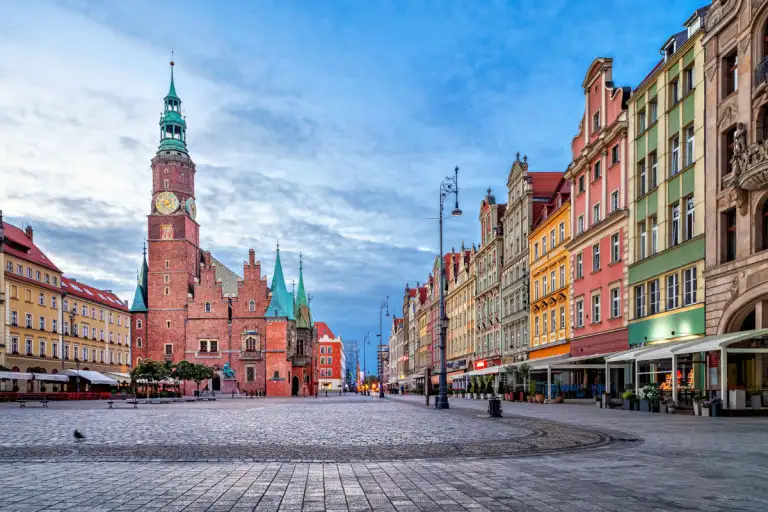
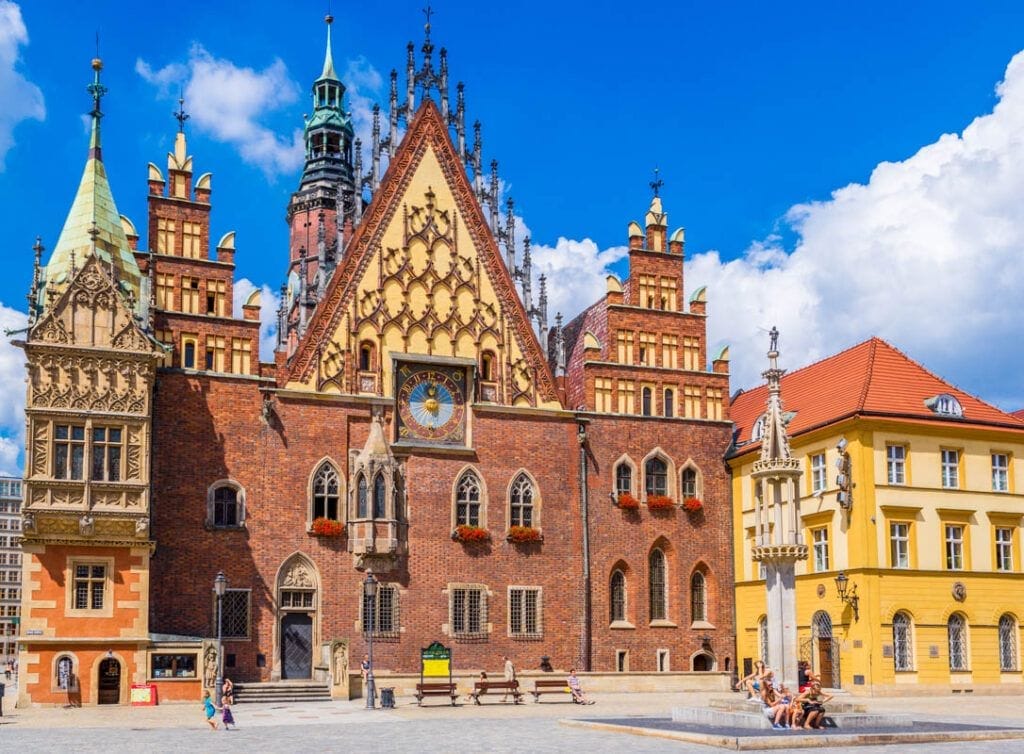
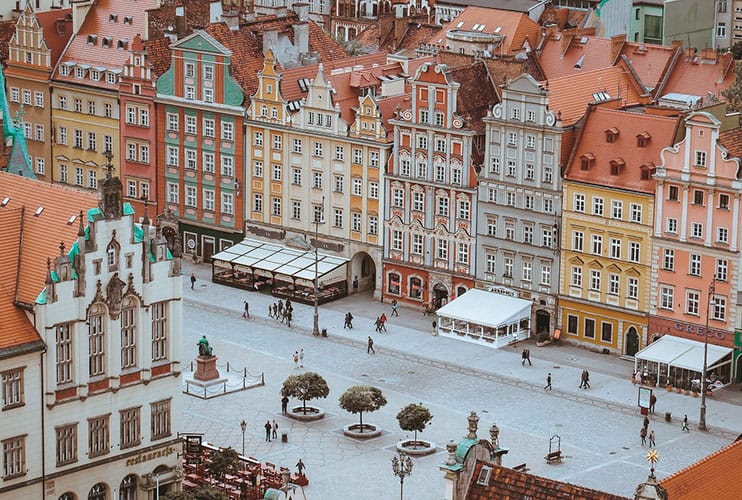
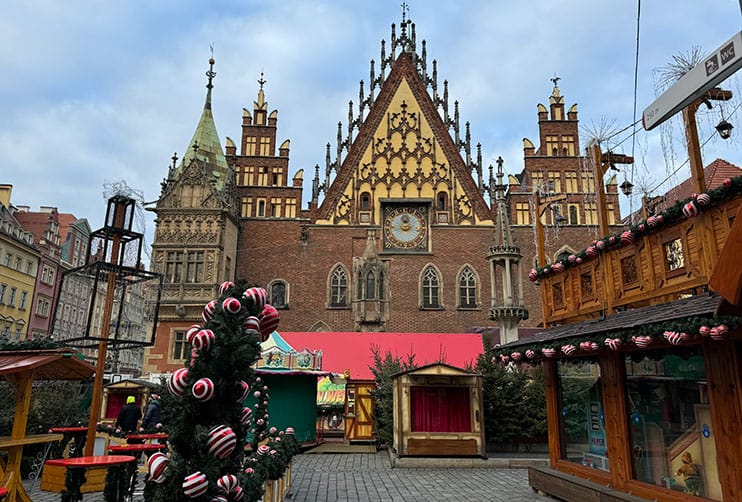
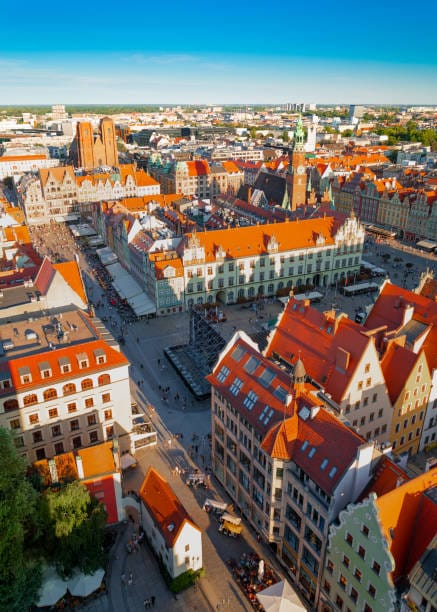
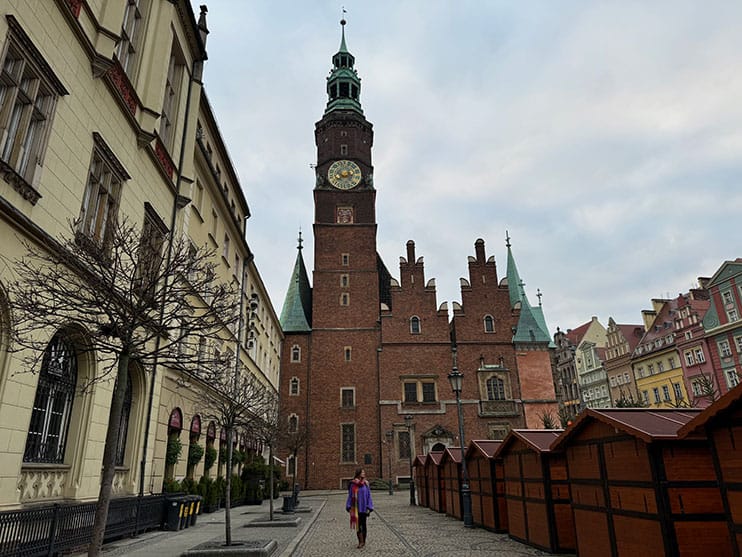
As evening falls over Wrocław, Poland, golden light spills over rooftops, church towers, and one of Central Europe's most striking historic centers. The city is divided between islands and canals linked by more than 100 bridges, and combines medieval architecture with lively urban life. Its heart is the Rynek, the Market Square born in the thirteenth century, presided over by the old town hall, in Gothic style.
Today's view was taken from the Bridge of the Witches, also called the Bridge of the Penitents, a walkway that joins the two towers of the church of St. Mary Magdalene about forty-five meters above the ground.
A game for the walk: hundreds of bronze figures of dwarfs, a symbol of the city, are hidden in the streets, which were born as a nod to the peaceful resistance against the communist regime.
Puente de las Brujas y plaza del Mercado, Breslavia, Polonia
Cuando cae la tarde sobre Breslavia (Polonia), la luz dorada se derrama por los tejados, las torres de las iglesias y uno de los centros históricos más llamativos de Europa central. La ciudad se reparte entre islas y canales unidos por más de 100 puentes, y combina arquitectura medieval con una vida urbana muy animada. Su corazón es el Rynek, la plaza del Mercado nacida en el siglo XIII, presidida por el ayuntamiento viejo, de estilo gótico.
La vista de hoy se tomó desde el Puente de las Brujas, también llamado Puente de los Penitentes, una pasarela que une las dos torres de la iglesia de Santa María Magdalena a unos cuarenta y cinco metros del suelo.
Un juego para el paseo: por las calles se esconden cientos de figuras de bronce de enanitos, símbolo de la ciudad, que nacieron como guiño a la resistencia pacífica frente al régimen comunista.
Ponte delle Streghe e Piazza del Mercato, Wroclaw, Polonia
Con il calare della sera su Wrocław, in Polonia, la luce dorata si riversa sui tetti, sulle torri delle chiese e su uno dei centri storici più sorprendenti dell'Europa centrale. La città è divisa tra isole e canali collegati da oltre 100 ponti, e combina architettura medievale con una vivace vita urbana. Il suo cuore è il Rynek, la piazza del mercato nata nel XIII secolo, presieduta dal Vecchio Municipio in stile gotico.
La vista di oggi è stata scattata dal Ponte delle Streghe, chiamato anche Ponte dei Penitenti, una passerella che collega le due torri della chiesa di Santa Maria Maddalena a circa quarantacinque metri sopra il suolo.
Un gioco per le passeggiate: centinaia di figure in bronzo di nani, simbolo della città, sono nascoste per le strade, nate come appoggio alla resistenza pacifica contro il regime comunista.
Wroclaw, Poland

The Mouth of Truth is a reader-supported publication. To receive new posts and support my work, consider becoming a free or paid subscriber.
Free and voluntary gesture on Pay Pal