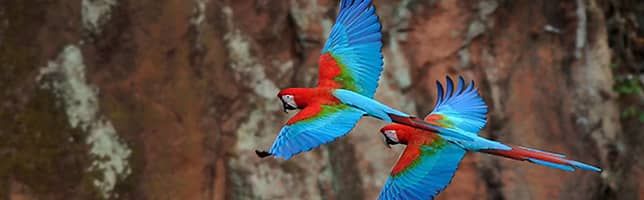
Green-winged macaws, Brazil
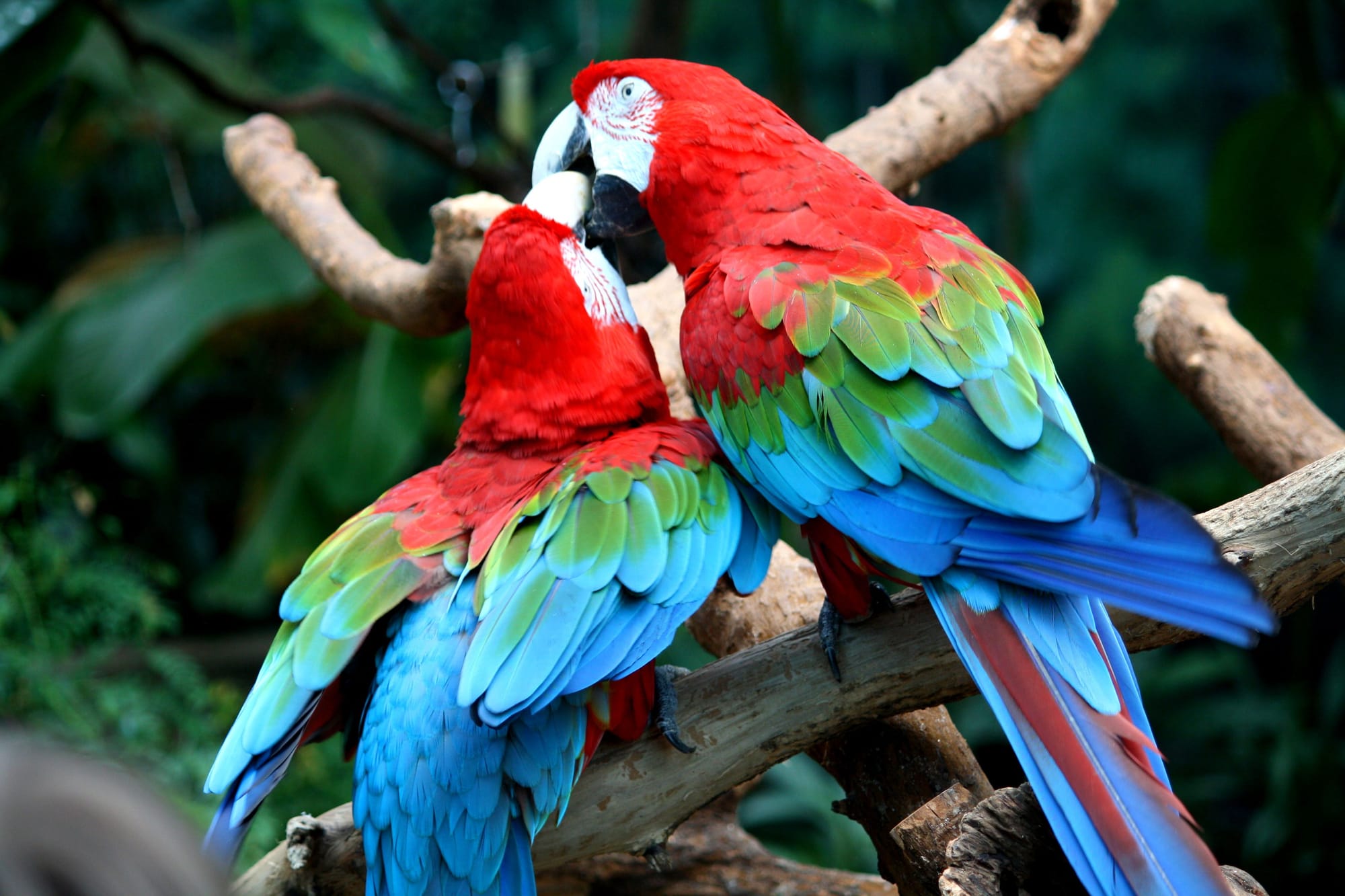
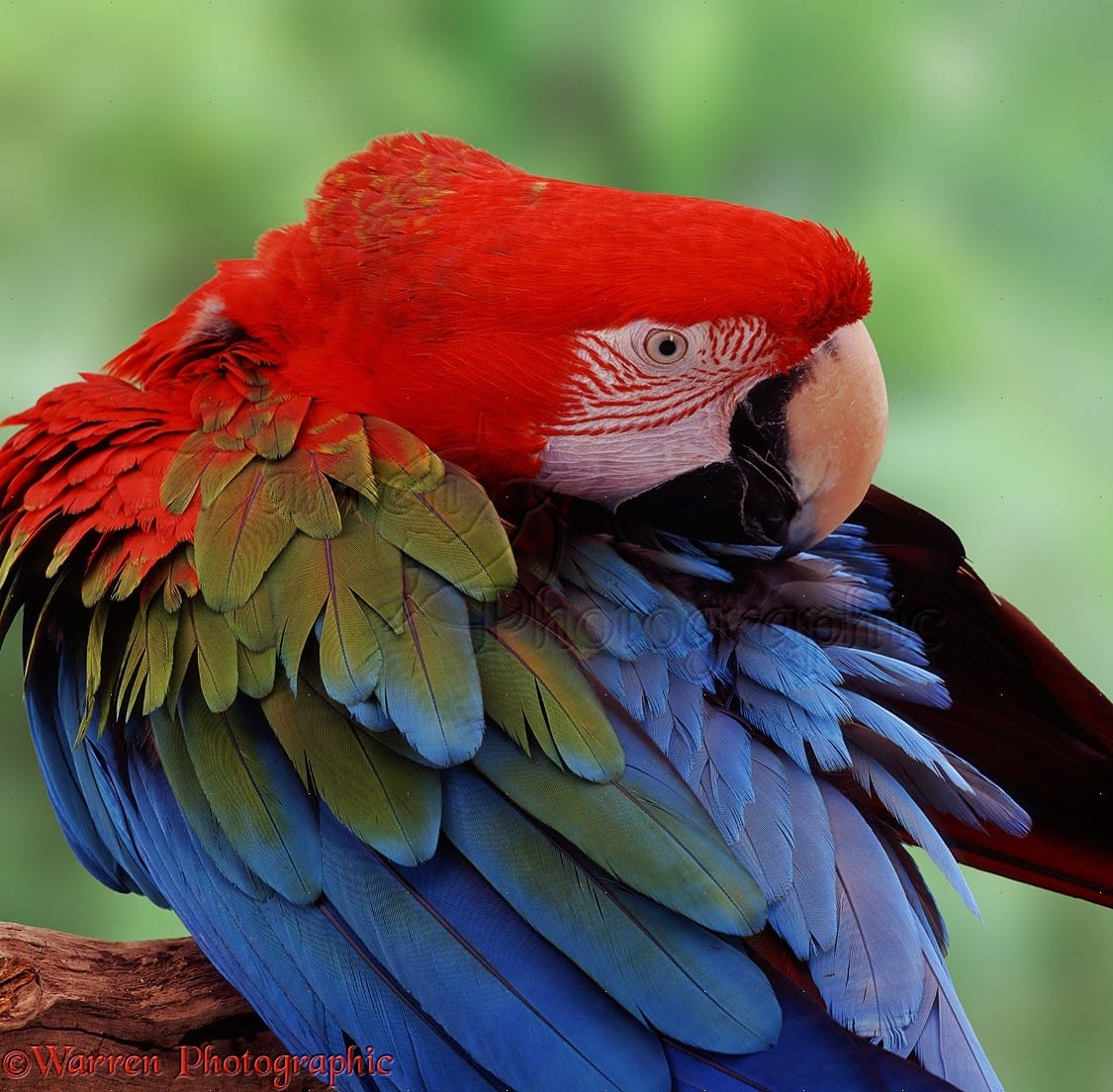
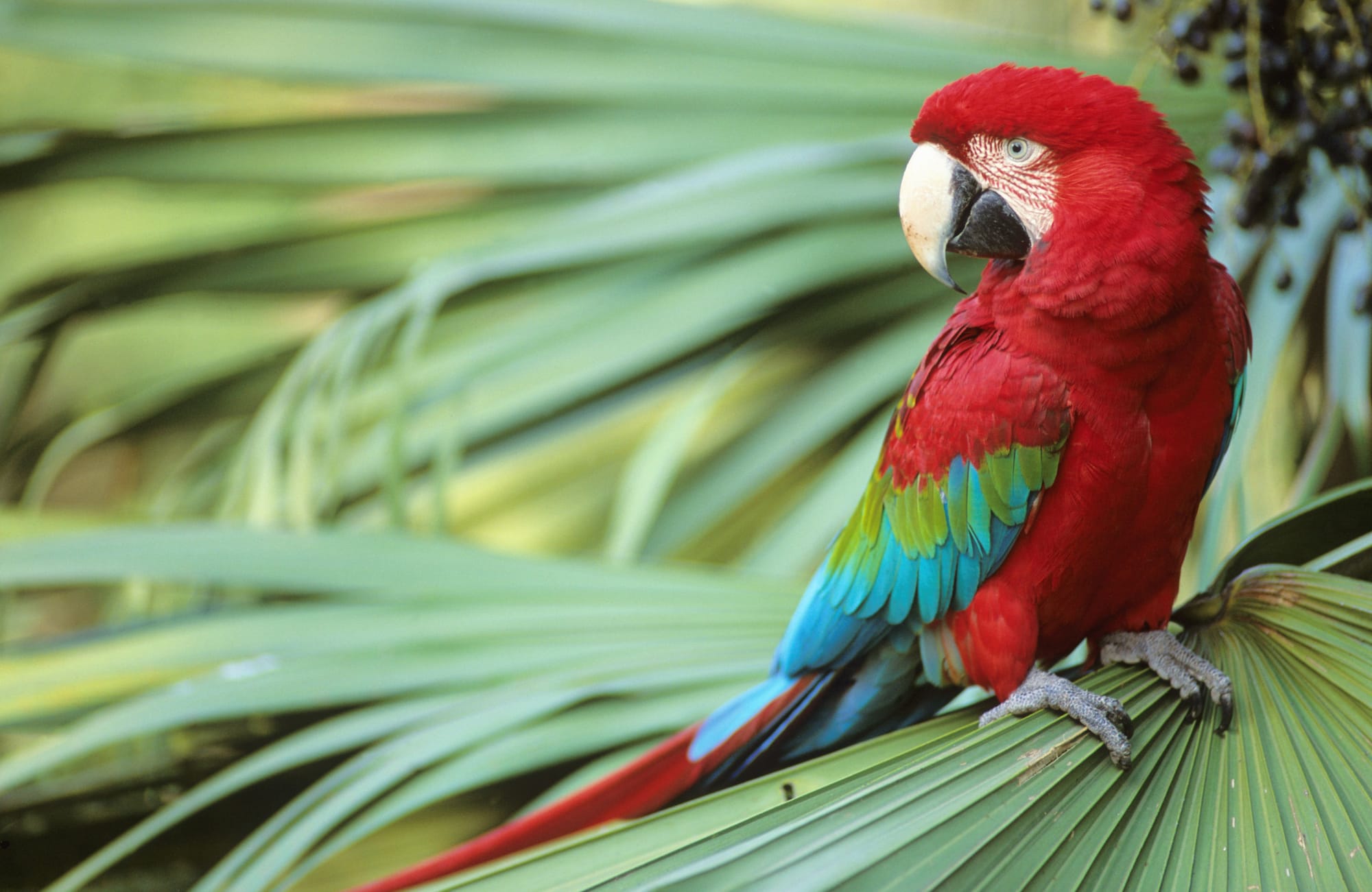
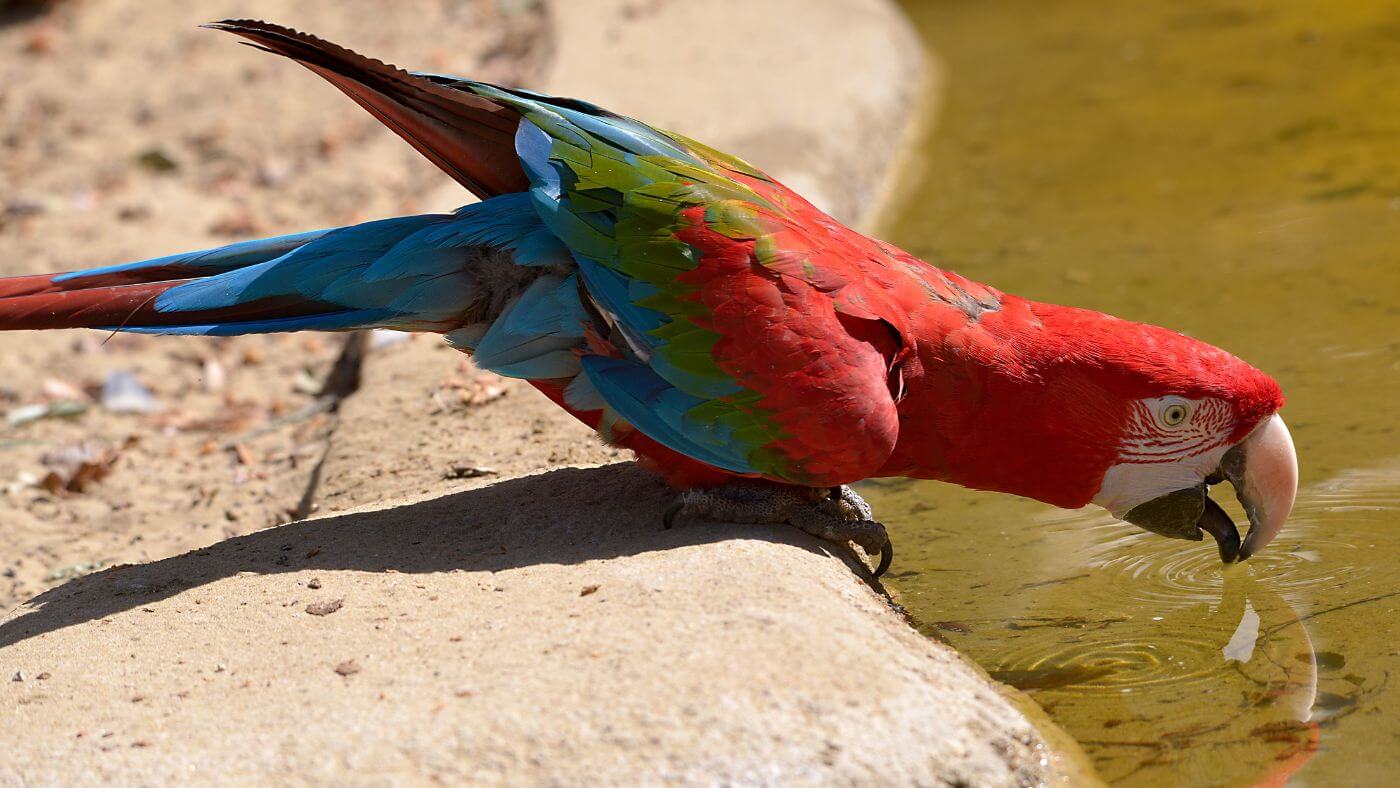
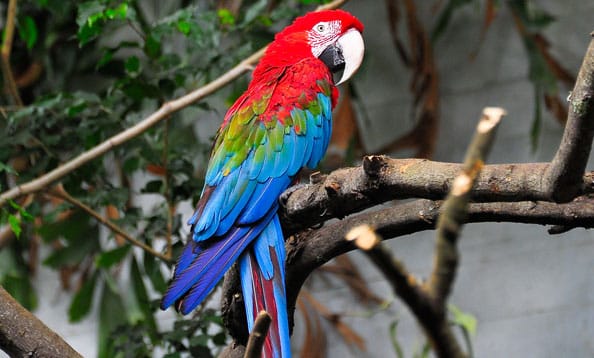
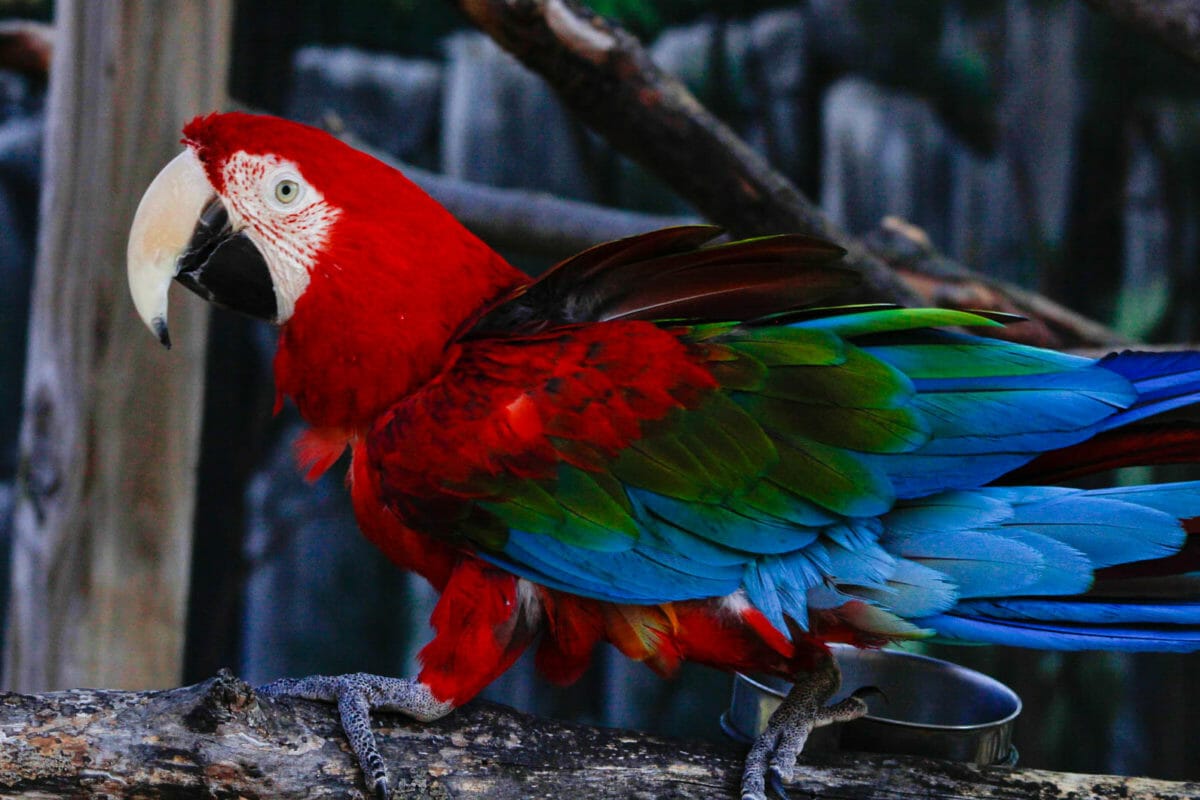
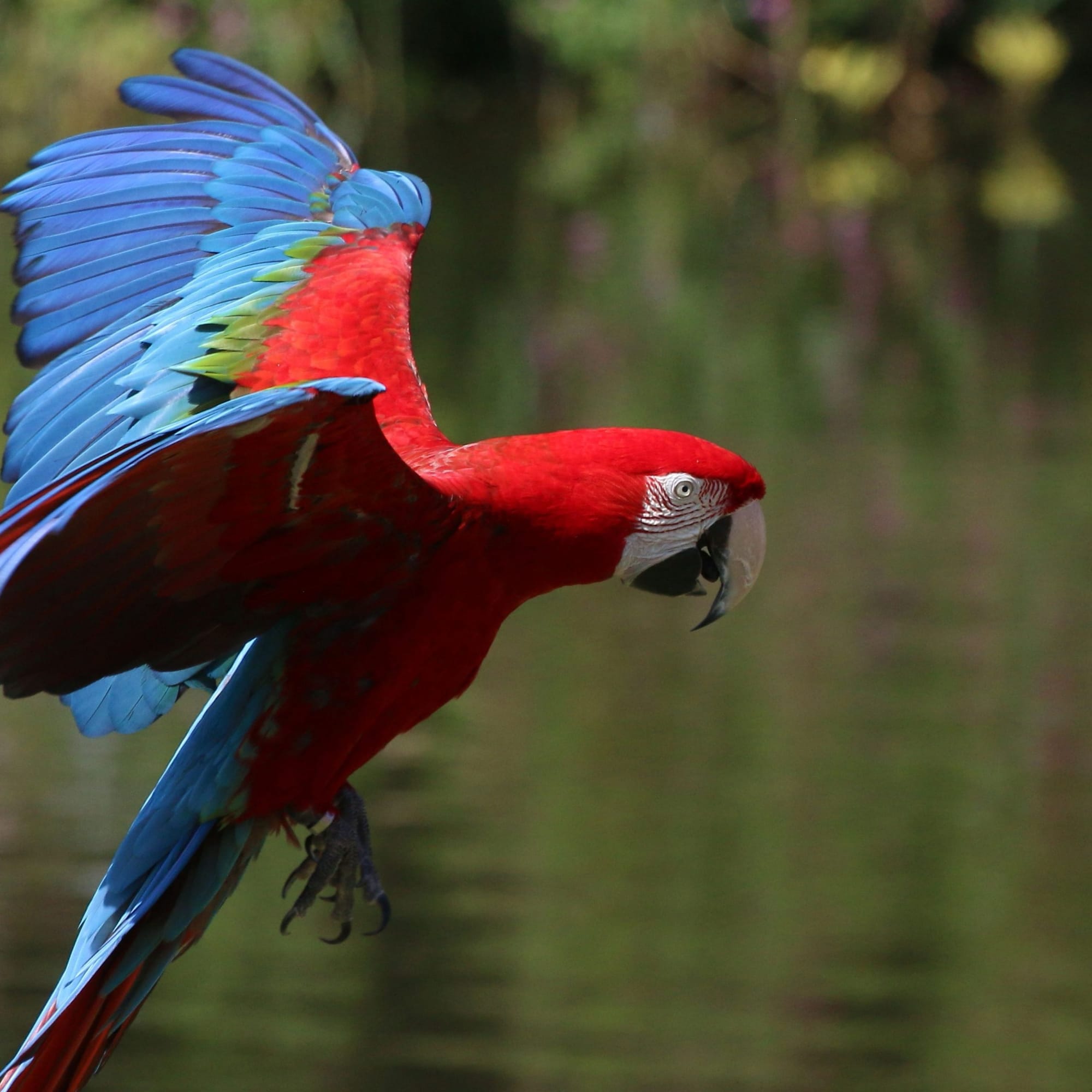
The green-winged macaws in the image fly over the jungles of Brazil and do not understand discretion: fiery red, green band on the wing, blue feathers at the end and a white face furrowed by thin lines of red feathers.
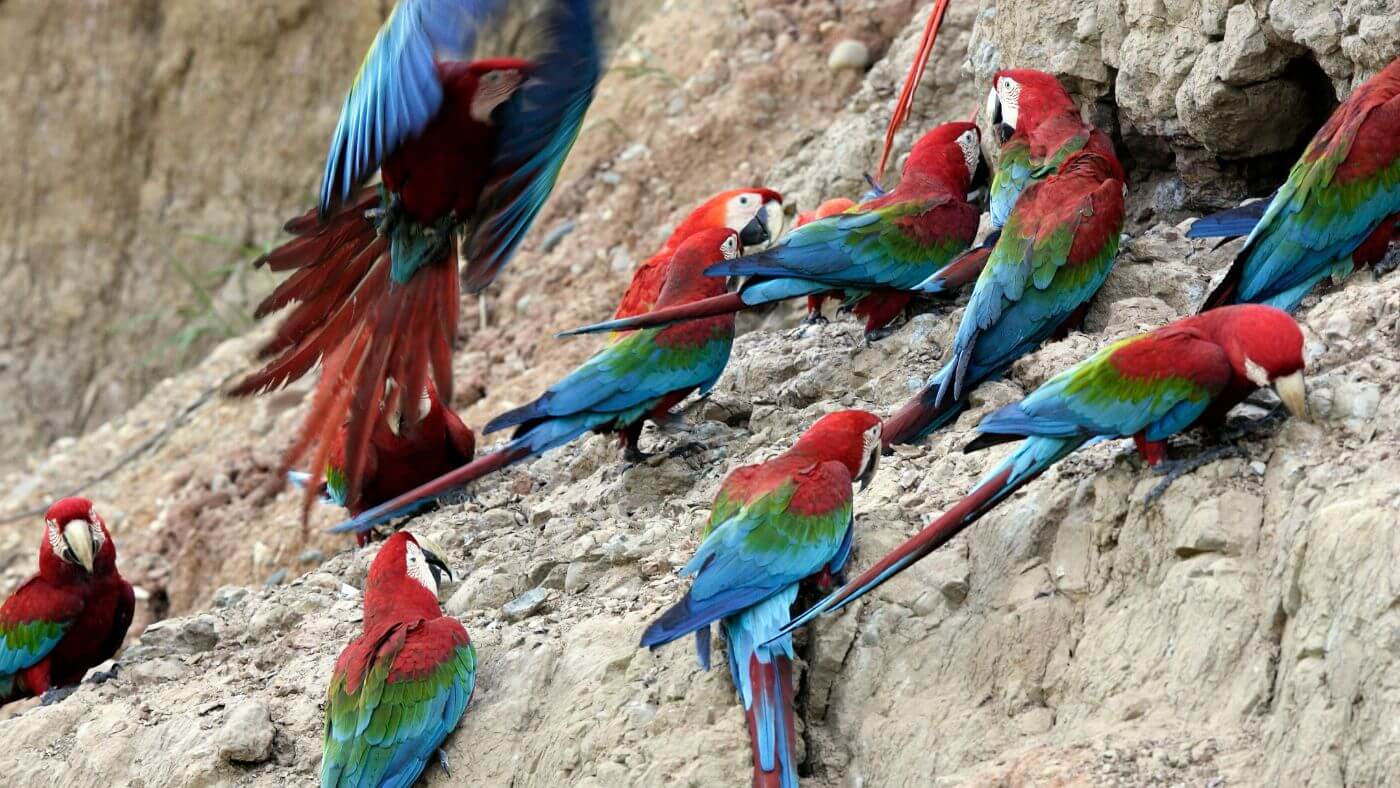
They are the largest of the genus Ara, with a length of between ninety and ninety-five centimeters and a weight of close to two kilograms. That curved beak opens fruits and seeds that almost no other animal can break, and what falls or goes through their digestive tract germinates far from the mother tree: for them, eating is sowing. They pair up for life, shout to each other between the glasses and go down in groups to the clay ravines to take minerals.
To see them free you have to travel to South America; the Brazilian Pantanal, with its large sinkholes where they nest, is one of the best places on the planet to try.
Los guacamayos aliverdes de la imagen vuelan sobre las selvas de Brasil y no entienden de discreción: rojo encendido, banda verde en el ala, plumas azules en el extremo y una cara blanca surcada por finas líneas de plumas rojas.
Son los mayores del género Ara, con una longitud de entre noventa y noventa y cinco centímetros y un peso cercano a los dos kilogramos. Ese pico curvo abre frutos y semillas que casi ningún otro animal puede romper, y lo que se les cae o atraviesa su tubo digestivo germina lejos del árbol madre: para ellos, comer es sembrar. Se emparejan de por vida, se llaman a gritos entre las copas y bajan en grupo a los barrancos de arcilla para tomar minerales.
Para verlos libres hay que viajar a Sudamérica; el Pantanal brasileño, con sus grandes dolinas donde anidan, es uno de los mejores lugares del planeta para intentarlo.
Le ara dalle ali verdi nell'immagine volano sopra le giungle del Brasile con i loro colori non passano inosservati: rosso infuocato, fascia verde sull'ala, piume blu all'estremità e una testa bianca solcata da sottili linee di piume rosse.
Sono i più grandi del genere Ara, con una lunghezza compresa tra novanta e novantacinque centimetri e un peso di quasi due chilogrammi. Quel becco curvo apre frutti e semi che quasi nessun altro animale può spezzare, e ciò che cade o attraversa il loro tratto digestivo germoglia lontano dall'albero madre: per loro, mangiare è seminare. Si appaiano per la vita, si richiamano tra di loro ad urli attraverso le fronde e scendono in gruppi verso le gole di argilla per raccogliere minerali.
Per vederli liberi devi viaggiare in Sud America; il Pantanal brasiliano, con le sue grandi doline dove nidificano, è uno dei posti migliori al mondo dove trovarli.
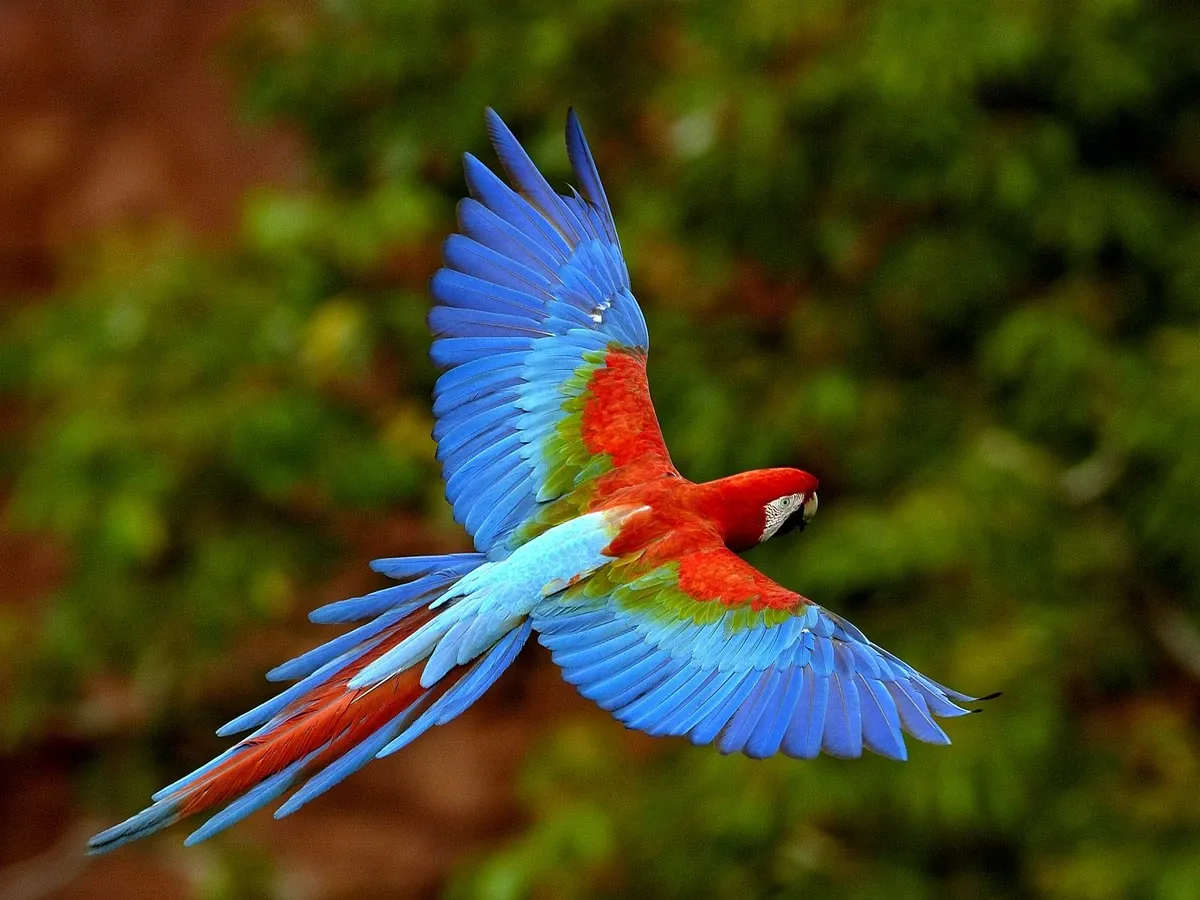
Green winged macaw
The Mouth of Truth is a reader-supported publication. To receive new posts and support my work, consider becoming a free or paid subscriber.
Free and voluntary gesture on Pay Pal


