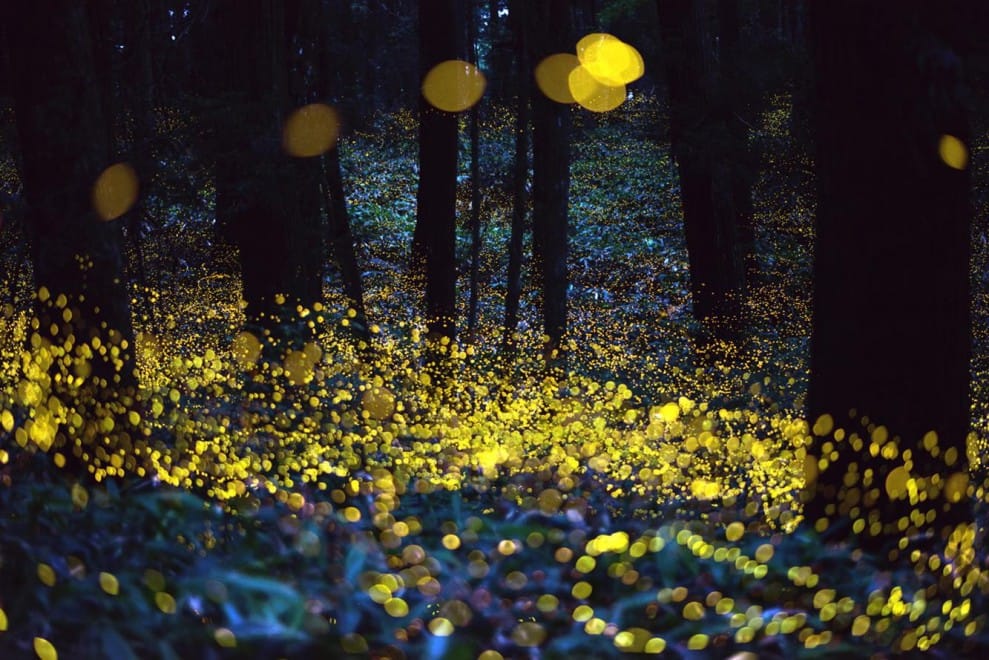

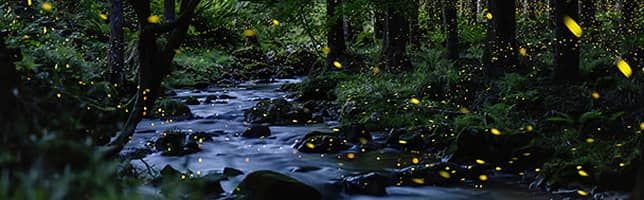
Fireflies, Okayama Prefecture, Japan
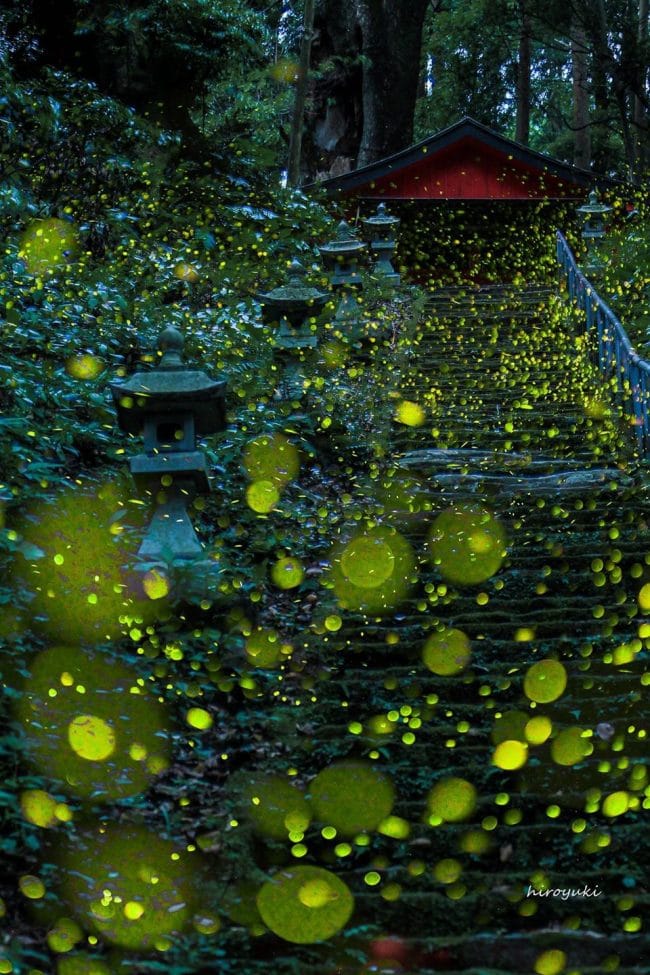
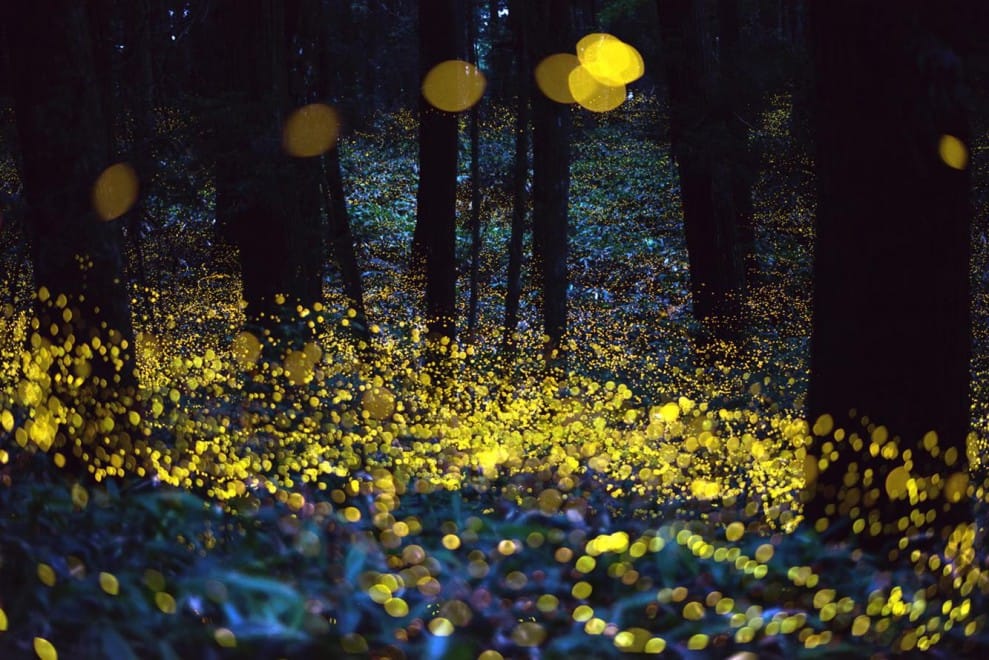
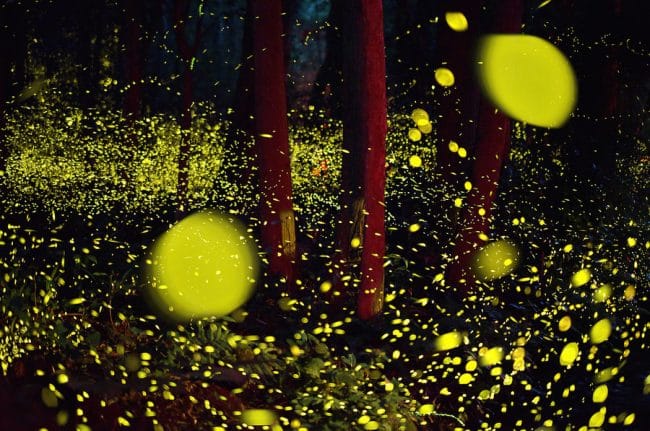
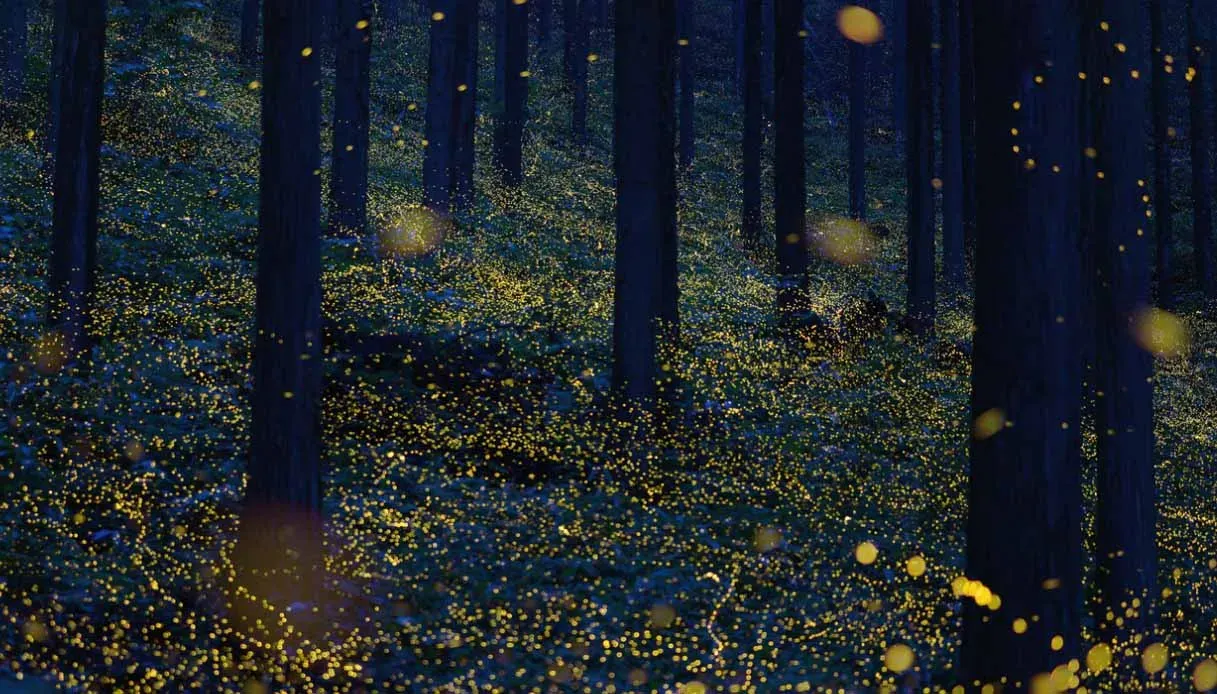
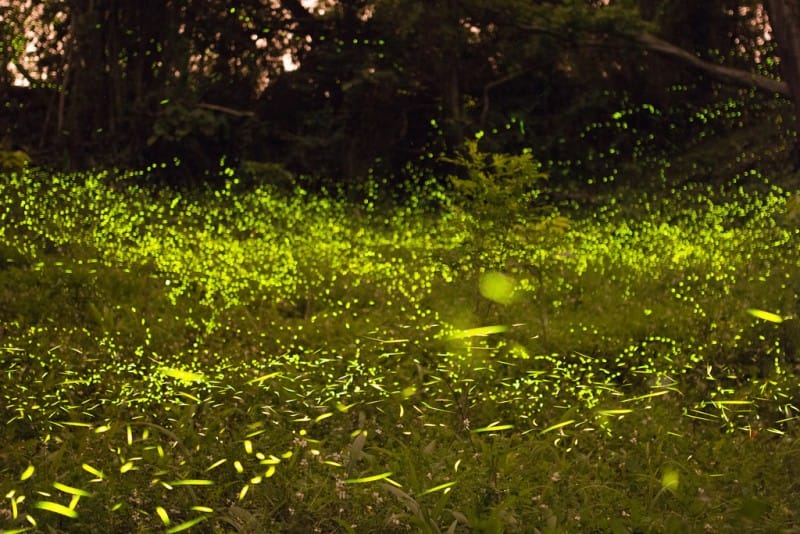
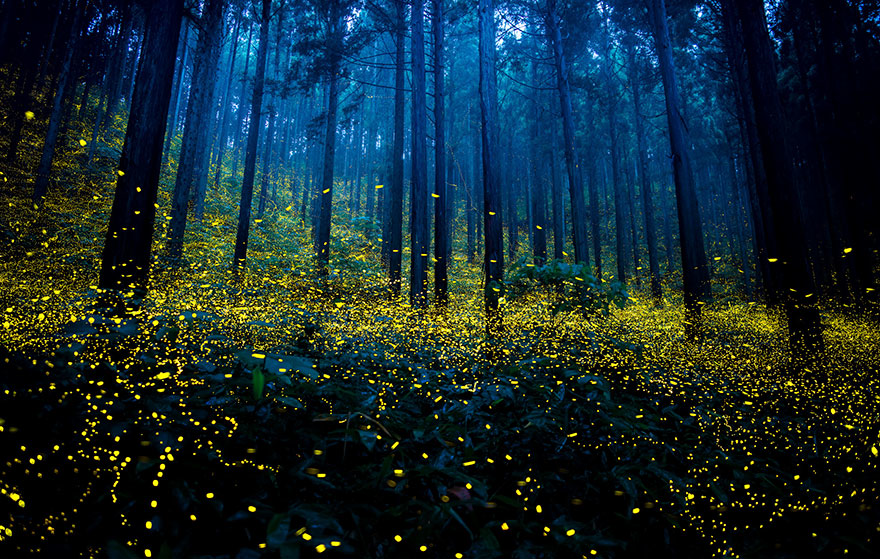
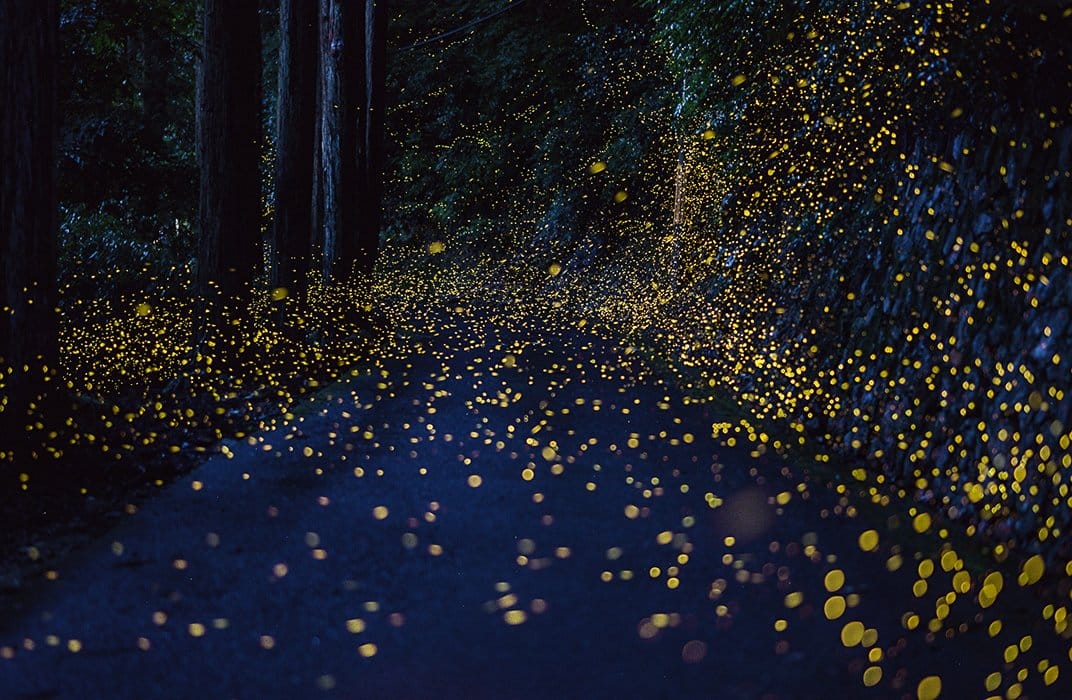
In Japan's Okayama Prefecture, fireflies—known as hotaru—transform summer nights into a silent spectacle over the water. When moist air envelops streams and ponds, they begin to glow a few hours after sunset, creating a choreography of light that invites calm.
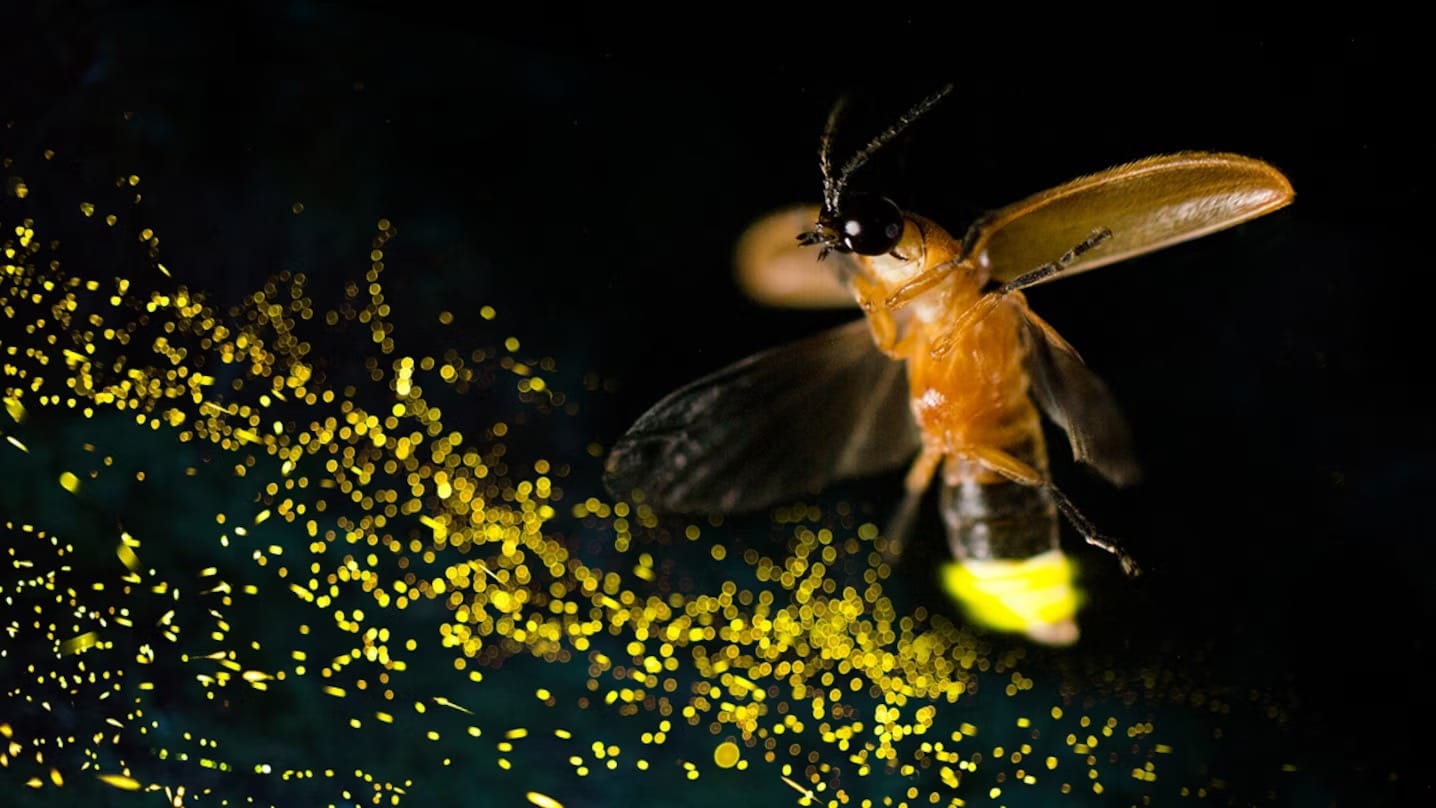
Although they appear fragile, they are not flies, but beetles linked to aquatic environments. Its flashes are born from a precise chemical reaction that allows each species to recognize itself, while its larvae, discreet and voracious, feed on small invertebrates. In Japan, contemplating them – hotaru-gari – is a tradition that evokes the transience of life, also present in its art and literature.
In Spain it is also possible to see fireflies in humid areas such as Galicia or the north of the peninsula, although in a more discreet way. There and here, its brief light reminds us that even the small can illuminate an entire night.
Luciérnagas, prefectura de Okayama, Japón
En la prefectura de Okayama, en Japón, las luciérnagas —conocidas como hotaru— transforman las noches de verano en un espectáculo silencioso sobre el agua. Cuando el aire húmedo envuelve arroyos y estanques, comienzan a brillar unas horas después del atardecer, creando una coreografía de luz que invita a la calma.
Aunque parecen frágiles, no son moscas, sino escarabajos ligados a entornos acuáticos. Sus destellos nacen de una reacción química precisa que permite a cada especie reconocerse, mientras sus larvas, discretas y voraces, se alimentan de pequeños invertebrados. En Japón, contemplarlas —hotaru-gari— es una tradición que evoca la fugacidad de la vida, presente también en su arte y literatura.
En España también es posible ver luciérnagas en zonas húmedas como Galicia o el norte peninsular, aunque de forma más discreta. Allí y aquí, su breve luz nos recuerda que incluso lo pequeño puede iluminar toda una noche.
Lucciole, Prefettura di Okayama, Giappone
Nella prefettura di Okayama, in Giappone, le lucciole—note come hotaru—trasformano le notti estive in uno spettacolo silenzioso sull'acqua. Quando aria umida avvolge ruscelli e stagni, questi iniziano a brillare poche ore dopo il tramonto, creando una coreografia di luce che invita alla calma.
Sebbene appaiano fragili, non sono mosche, ma coleotteri legati agli ambienti acquatici. I loro lampi nascono da una reazione chimica precisa che permette a ciascuna specie di riconoscersi, mentre le loro larve, discrete e voraci, si nutrono di piccoli invertebrati. In Giappone, contemplarli – hotaru-gari – è una tradizione che evoca la transitorietà della vita, presente anche nell' arte e letteratura.
In Spagna è anche possibile vedere lucciole in zone umide come la Galizia o il nord della penisola, sebbene in modo più discreto. Lì e qui, la loro breve luce ci ricorda che anche il piccolo può illuminare un'intera notte.


The Mouth of Truth is a reader-supported publication. To receive new posts and support my work, consider becoming a free or paid subscriber.
Free and voluntary gesture on Pay Pal