Esperando el apocalipsis
Opinión de Jordi Juan • 2 h • 2 minutos de lectura

Jordi Juan
Director de La Vanguardia
ULTIMA ORA - LAST HOUR
08/04/2026 00:05 Actualizado a 08/04/2026 01:06
Uno de los imperios más grandes de la historia ha sido el persa. Los historiadores lo consideran la primera superpotencia multicultural porque unió a multitud de pueblos desde el Mediterráneo hasta el Índico, ocupando zonas de Grecia, Egipto y Asia Central entre los años 550 a 330 a.C. Fue una gran cultura con tolerancia religiosa, un comercio impulsado por una moneda unificada y un ejército formidable. Como estos días se ha recordado con intensidad, Irán no es un país árabe. Es un país persa. Y esta civilización podría haber empezado a desaparecer hoy de la faz de la Tierra si Donald Trump no hubiese decidido a última hora echarse atrás y conceder dos semanas más a Teherán. Eso sí, después de sentenciar: “Esta noche será uno de los momentos más importantes en la larga y compleja historia del mundo”. Si Irán no reabre el estrecho de Ormuz y se pliega a sus condiciones, “morirá una civilización entera esta noche”, amenazó.
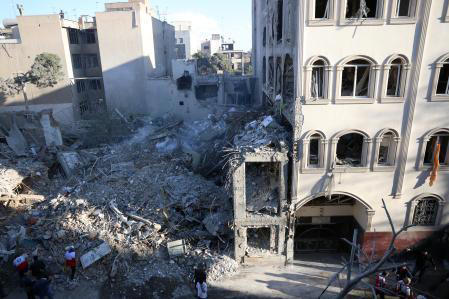
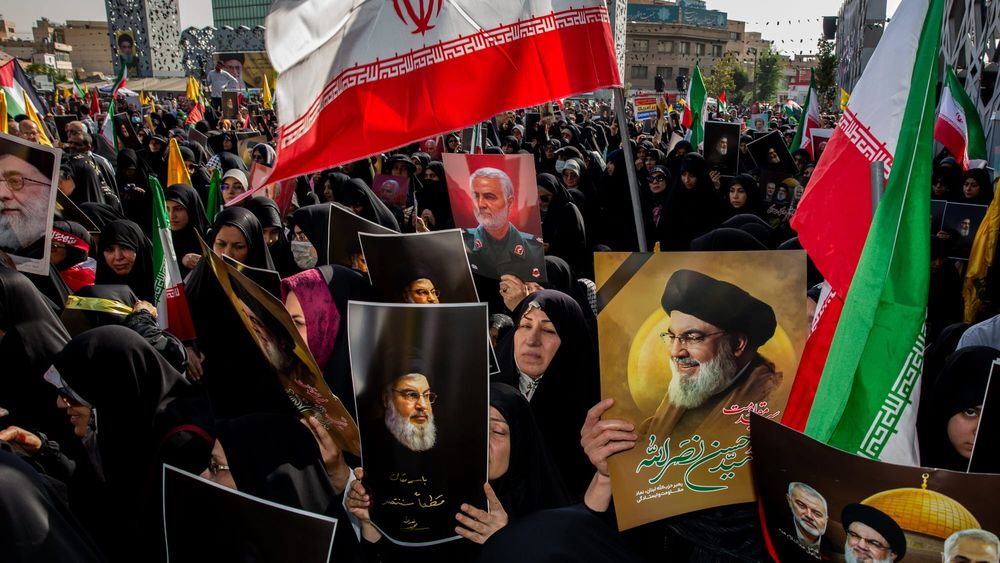
En Teherán, la crónica de nuestra corresponsal Catalina Ángel Gómez resume la situación mezcla de incredulidad, temor y confusión que sienten los iraníes ante las amenazas tan violentas que les llegan desde Estados Unidos. ¿Qué hacer ante una intimidación tan salvaje? Irán tiene 90 millones de habitantes. Algunos están dispuestos a hacer de escudos humanos y parapetarse junto a estaciones eléctricas o complejos petroquímicos para plantar cara a las bravatas de Trump. Otros fotografían con sus móviles los misiles que ven pasar por encima de sus cabezas en estos cerca de 40 días de bombardeos. Y seguro que hay otros muchos que viven angustiados y asustados sabiendo que, si estalla un armagedón encima de sus cabezas, poco o nada podrán hacer.
Nadie sabe a ciencia cierta qué hay en la cabeza de Trump y cuál será su decisión final en dos semanas. Si todo seguirá como hasta ahora con bombardeos selectivos, si habrá invasión terrestre, si decretará el final de la guerra o si desatará el apocalipsis. Veremos. Lo que nunca podíamos haber imaginado es que estaríamos mirando el reloj pendientes de si se termina o no con toda una civilización. El mundo no evoluciona precisamente en la buena dirección.
Jordi Juan
Director de La Vanguardia
Director de La Vanguardia desde marzo de 2020. Ha trabajado como redactor en las secciones de Política, Sociedad y Ciudades de La Vanguardia, donde entró en 1992
One of the greatest empires in history has been the Persian. Historians consider it the first multicultural superpower because it united a multitude of peoples from the Mediterranean to the Indian Ocean, occupying parts of Greece, Egypt and Central Asia between 550 and 330 B.C. It was a great culture with religious tolerance, trade driven by a unified currency, and a formidable military. As has been intensively recalled these days, Iran is not an Arab country. It is a Persian country. And this civilization could have begun to disappear from the face of the Earth today if Donald Trump had not decided at the last minute to back down and give Tehran two more weeks. Of course, after concluding: "Tonight will be one of the most important moments in the long and complex history of the world." If Iran does not reopen the Strait of Hormuz and bow to its conditions, "an entire civilization will die tonight," he threatened.
In Tehran, the chronicle of our correspondent Catalina Ángel Gómez summarizes the mixed situation of disbelief, fear and confusion that Iranians feel in the face of the violent threats that come to them from the United States. What to do in the face of such savage intimidation? Iran has 90 million inhabitants. Some are willing to act as human shields and hide next to power stations or petrochemical complexes to stand up to Trump's bravado. Others photograph with their mobile phones the missiles they see passing over their heads in these nearly 40 days of bombardment. And surely there are many others who live in anguish and fear knowing that, if an armageddon breaks out over their heads, they will be able to do little or nothing.
No one knows for sure what's in Trump's head and what his final decision will be in two weeks. If everything will continue as it has been until now with selective bombings, if there will be a ground invasion, if it will decree the end of the war or if it will unleash the apocalypse. We will see.
What we could never have imagined is that we would be watching the clock waiting to see whether or not an entire civilization is ended. The world is not exactly moving in the right direction.
Uno dei più grandi imperi della storia è stato quello persiano. Gli storici la considerano la prima superpotenza multiculturale perché unì una moltitudine di popoli dal Mediterraneo all'Oceano Indiano, occupando parti di Grecia, Egitto e Asia centrale tra il 550 e il 330 a.C. Era una grande cultura con tolleranza religiosa, commercio guidato da una moneta unificata e un esercito formidabile. Come è stato ricordato intensamente in questi giorni, l'Iran non è un paese arabo. È un paese persiano. E questa civiltà avrebbe potuto iniziare a scomparire dalla faccia della Terra oggi se Donald Trump non avesse deciso all'ultimo momento di tirarsi indietro e dare a Teheran altre due settimane. Naturalmente, dopo aver concluso: "Stasera sarà uno dei momenti più importanti nella lunga e complessa storia del mondo." Se l'Iran non riapre lo Stretto di Hormuz e non si piega alle sue condizioni, "un'intera civiltà morirà stanotte", ha minacciato.
A Teheran, la cronaca della nostra corrispondente Catalina Ángel Gómez riassume la situazione mista di incredulità, paura e confusione che gli iraniani provano di fronte alle minacce violente che arrivano loro dagli Stati Uniti. Cosa fare di fronte a un'intimidazione così feroce? L'Iran ha 90 milioni di abitanti. Alcuni sono disposti a fungere da scudi umani e a nascondersi accanto a centrali elettriche o complessi petrolchimici per opporsi alla spavalderia di Trump. Altri fotografano con i loro telefoni cellulari i missili che vedono passare sopra le loro teste in questi quasi 40 giorni di bombardamenti. E sicuramente ci sono molti altri che vivono nell'angoscia e nella paura sapendo che, se dovesse scoppiare un armageddon sulle loro teste, potranno fare poco o nulla.
Nessuno sa con certezza cosa ci sia nella testa di Trump e quale sarà la sua decisione finale tra due settimane. Se tutto continuerà come finora con bombardamenti selettivi, se ci sarà un'invasione terrestre, se decreterà la fine della guerra o se scatenerà l'apocalisse. Vedremo.
Quello che non avremmo mai potuto immaginare è che saremmo stati a guardare l'orologio aspettando di vedere se un'intera civiltà è finita. Il mondo non si sta muovendo esattamente nella direzione giusta.