
El origen español de los ‘cowboys’
Lara de Armas Moreno
31 MAY 2026
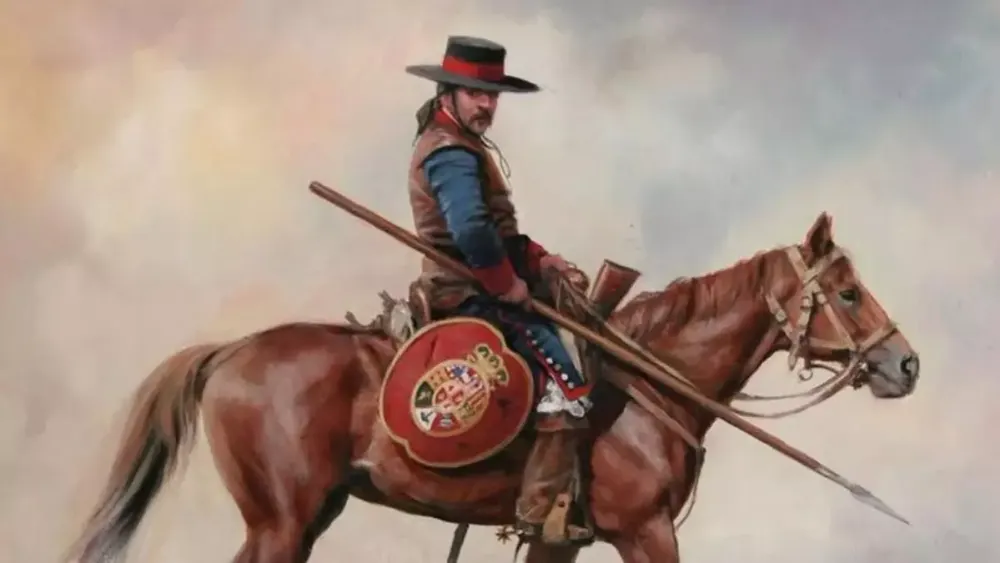
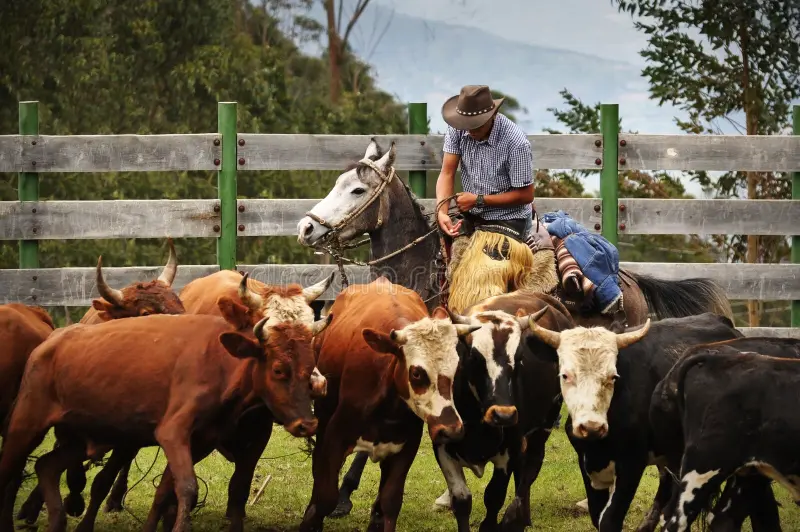
"En el imaginario colectivo perdura la icónica estampa de los westerns, en la que aparece un cowboy cabalgando por el desierto del Lejano Oeste, mientras el sonido de sus espuelas marca el ritmo de cada paso, pero lo que no muchos saben es que detrás de esa imagen se esconde un origen español. "
Estados Unidos convirtió al cowboy en un mito global: el sombrero, el caballo, el revólver, la pradera infinita.
Lástima que ese mito no sea suyo.
Es español.
Y no es una opinión: es historia. La de verdad, no la de Hollywood.
Mucho antes de que existiera Texas, antes del “Far West”, antes incluso de que existieran los Estados Unidos, en las marismas del Guadalquivir ya cabalgaban los vaqueros andaluces: hombres duros, mestizos, que dominaban caballos y ganado cuando los americanos aún estaban aprendiendo a ensillar.
Fueron los españoles quienes llevaron a América los caballos, el ganado, las técnicas, la ropa, el oficio entero.
Fueron ellos quienes fundaron los primeros ranchos en el Río Grande.
Fueron ellos quienes enseñaron a los americanos el trabajo que hoy llaman “cowboy”.
¿El sombrero? Español.
¿Las chaparreras? Españolas.
¿El rodeo? Español.
¿La cultura del rancho? Española.
¿El mito de la frontera? Prestado, maquillado y revendido.
Estados Unidos tomó todo eso, lo empaquetó en una película y dijo: “Es nuestro.”
Pero la verdad es clara:
el cowboy es un invento español con botas americanas.
Díselo a un tejano y se enfada.
Díselo a un español y sonríe.
Porque la historia real no necesita gritar:
solo necesita que alguien la cuente.
America turned the cowboy into a global myth: the hat, the horse, the gun, the endless prairie.
Too bad the myth isn’t theirs.
It’s Spanish.
And that’s not a hot take — it’s history. Real history, not the Hollywood export.
Long before Texas existed, before the “Wild West”, before the United States was even a country, the Andalusian vaqueros were already riding through the marshlands of the Guadalquivir: tough men, mestizos, mastering horses and cattle while Americans were still figuring out how to saddle up.
It was the Spanish who brought to the Americas the horses, the cattle, the techniques, the clothing, the entire craft.
They founded the first ranches along the Río Grande.
They taught Americans the job they now call “cowboy”.
The hat? Spanish.
The chaps? Spanish.
Rodeo culture? Spanish.
Ranching? Spanish.
The frontier myth? Borrowed, polished, resold.
The United States took all of this, wrapped it in a movie, and said: “It’s ours.”
But the truth is simple:
the cowboy is a Spanish invention wearing American boots.
Tell a Texan and he gets offended.
Tell a Spaniard and he grins.
Because real history doesn’t need to shout.
It just needs to be told.
Gli americani hanno trasformato il cowboy in un’icona mondiale: cappello, cavallo, pistola, prateria.
Peccato che non sia roba loro.
È roba spagnola.
E non lo dico per provocare: lo dice la storia, quella che negli USA preferiscono non ricordare.
Prima che esistesse il Texas, prima che esistesse il “West”, prima che esistessero gli Stati Uniti, nelle marismas del Guadalquivir c’erano già i vaqueros andalusi: uomini duri, mestizos, che sapevano domare cavalli e mandrie quando gli americani stavano ancora imparando a distinguere un toro da una mucca.
Sono stati gli spagnoli a portare in America i cavalli, il bestiame, le tecniche, l’abbigliamento, il mestiere.
Sono stati loro a fondare i primi ranch lungo il Río Grande.
Sono stati loro a insegnare agli americani come si lavora una mandria.
Il cappello? Spagnolo.
Le chaps? Spagnole.
Il rodeo? Spagnolo.
La cultura del ranch? Spagnola.
Il mito della frontiera? Copiato, lucidato, rivenduto.
Gli Stati Uniti hanno preso tutto questo, l’hanno messo in un film, e hanno detto: “È nostro.”
Ma la verità è semplice:
il cowboy è un’invenzione spagnola con un passaporto americano falso.
Dillo a un texano e si offende.
Dillo a uno spagnolo e ti offre una birra.
Perché la storia vera non ha bisogno di urlare:
le basta essere raccontata.
Gianfranco Maitilasso Grossi
Publicación original en La Provincia - Cultura

The Mouth of Truth is a reader-supported publication. To receive new posts and support my work, consider becoming a free or paid subscriber.
In questo spazio non si paga per entrare: si entra perché si riconosce un’eco,
un frammento di sé, un varco che merita di essere custodito.
Se desideri sostenere questo lavoro con un gesto libero, puoi farlo qui:

This space does not ask for payment to enter: you enter because you recognize an echo,
a fragment of yourself, a threshold worth preserving.
If you wish to support this work with a free and voluntary gesture, you may do so here:
En este espacio no se paga por entrar: se entra porque uno reconoce un eco,
un fragmento de sí mismo, un umbral que merece ser cuidado.
Si deseas apoyar este trabajo con un gesto libre y voluntario, puedes hacerlo aquí: