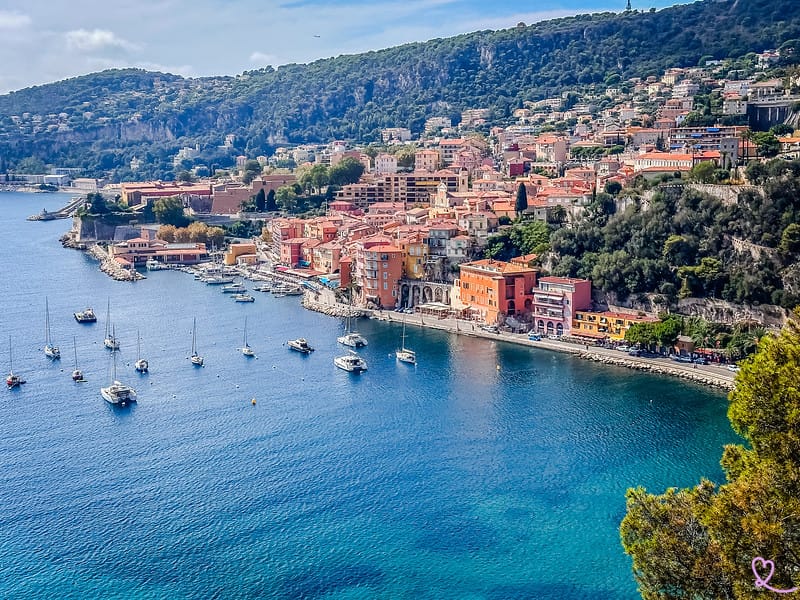

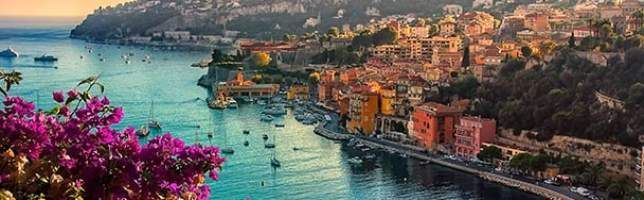
Bay of Villefranche-sur-Mer, Provence-Alpes-Côte d'Azur, France
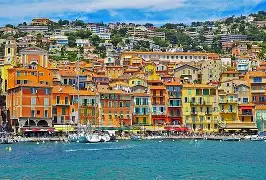
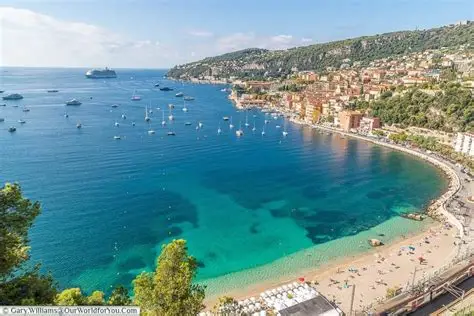
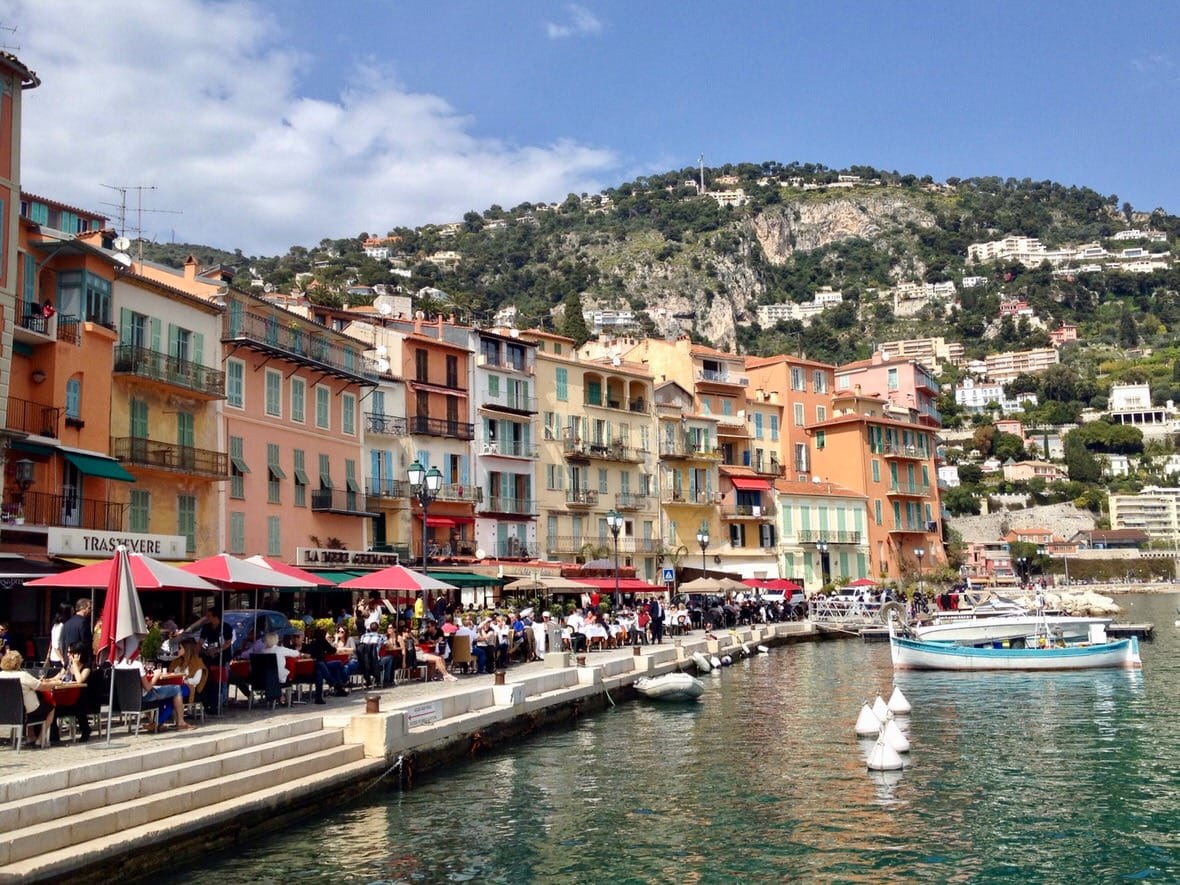
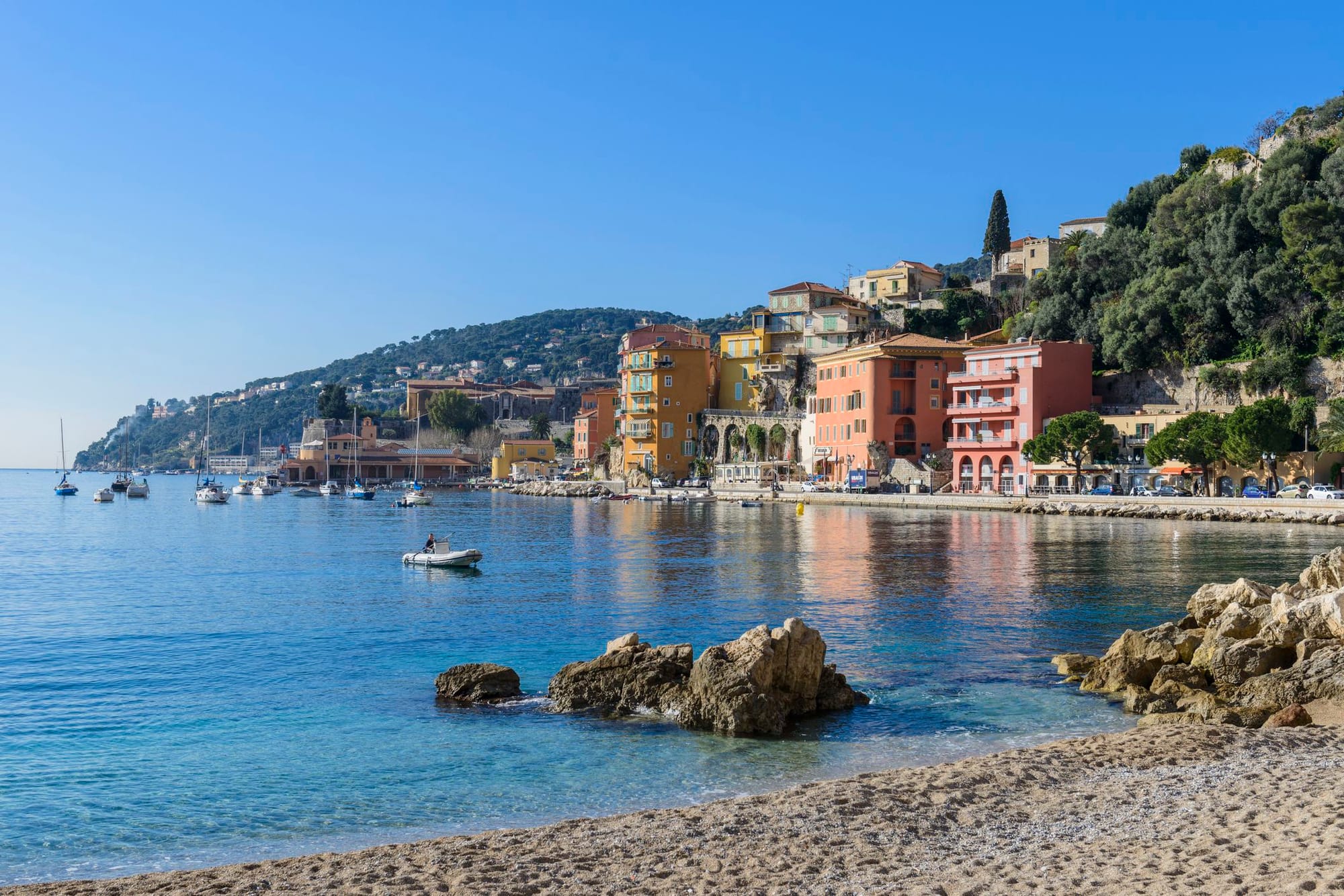
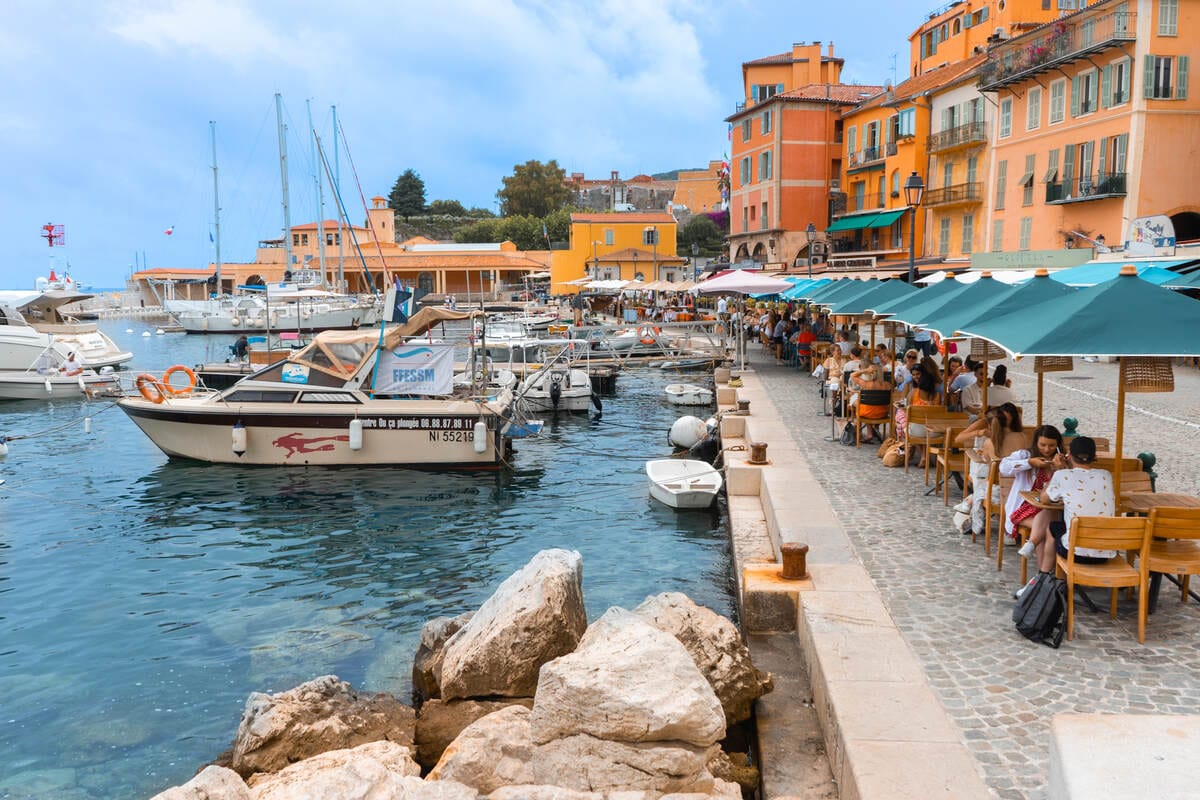
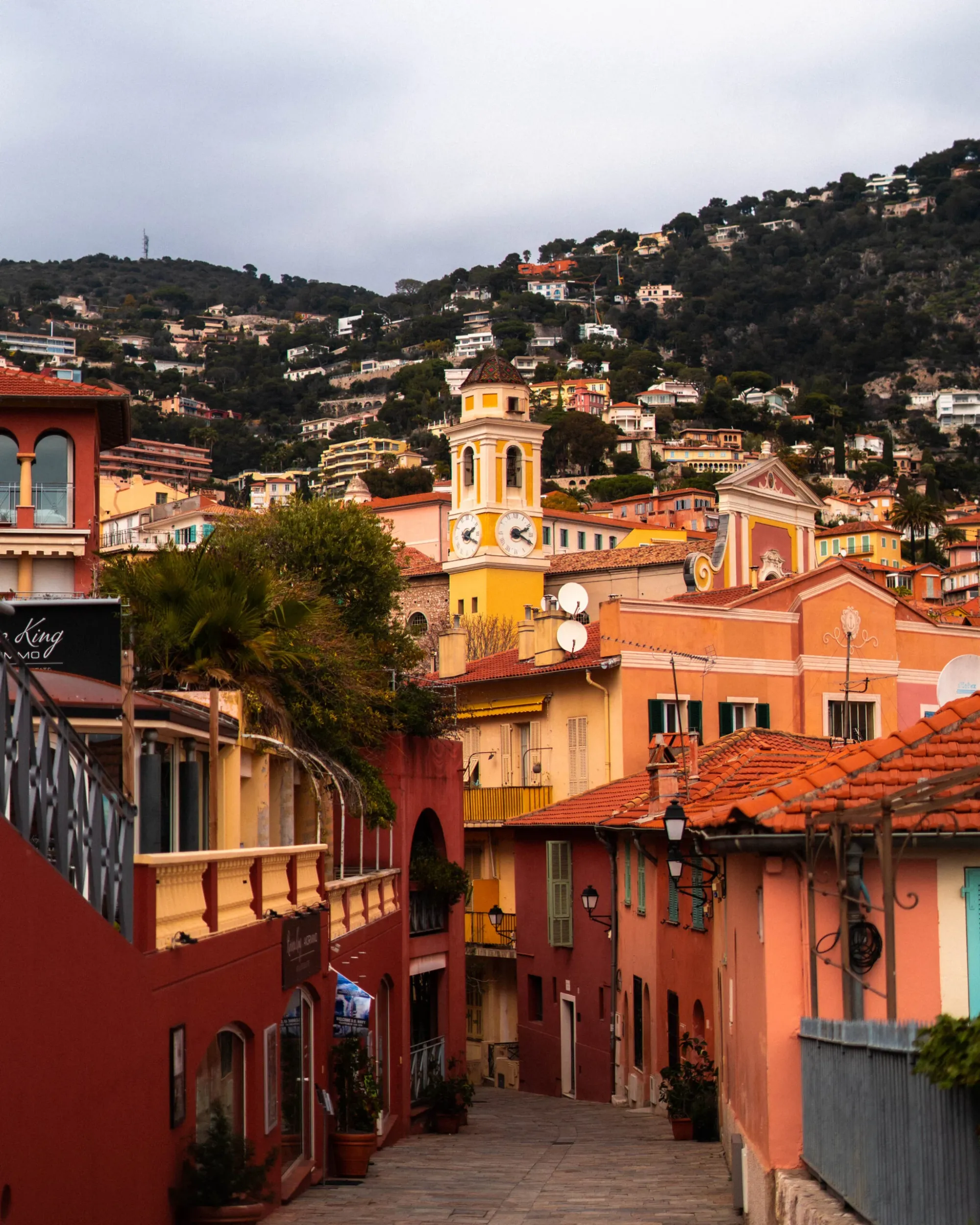
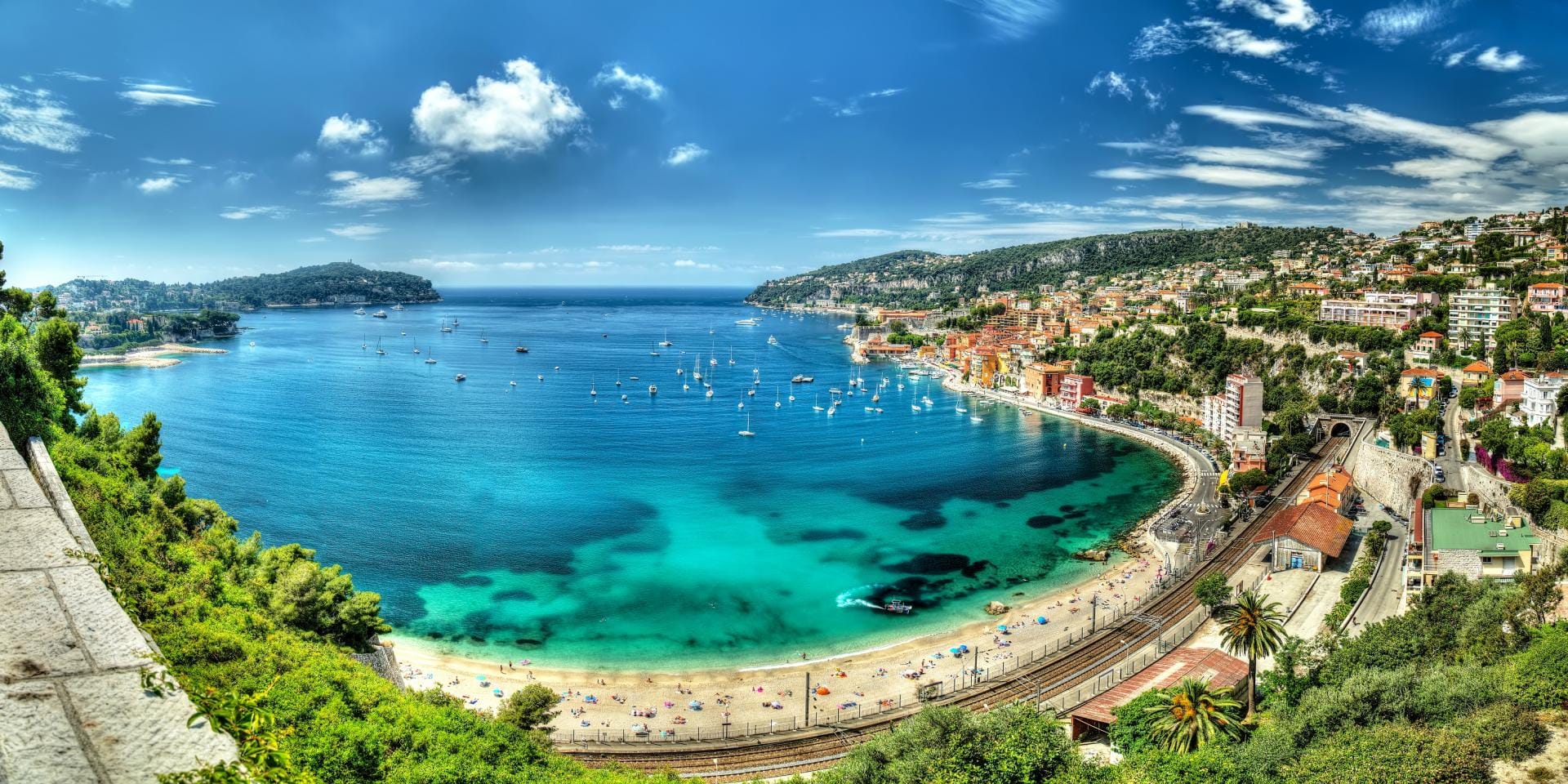
In September, the bay of Villefranche-sur-Mer, on the Côte d'Azur (France), slows down: the light becomes softer, the water is still warm and the mountain smells of Aleppo pine, rosemary and thyme. The sailboats glide through a bay of unusually deep waters, wedged between the slopes of ochre houses.
Inland, the landscape tells a different story: centuries-old olive trees, villages hanging high and vegetation of holm oaks and strawberry trees used to withstand the dry summer. They are the same species that cover a large part of the Spanish Mediterranean coast, so the whole will be familiar to anyone who has walked along the Costa Brava or the east.
When the cicadas slack off and only the murmur of water remains in a cove, it becomes clear that this coast is much more than a postcard: it is a way of inhabiting the Mediterranean.
Bahía de Villefranche-sur-Mer, Provenza-Alpes-Costa Azul, Francia
En septiembre, la bahía de Villefranche-sur-Mer, en la Costa Azul (Francia), baja de revoluciones: la luz se vuelve más suave, el agua sigue templada y el monte huele a pino carrasco, romero y tomillo. Los veleros se deslizan por una rada de aguas inusualmente profundas, encajada entre laderas de casas ocres.
Tierra adentro, el paisaje cuenta otra historia: olivos centenarios, pueblos colgados en lo alto y una vegetación de encinas y madroños acostumbrada a aguantar el verano seco. Son las mismas especies que cubren buena parte del litoral mediterráneo español, así que el conjunto resultará familiar a cualquiera que haya caminado por la Costa Brava o por el levante.
Cuando las cigarras aflojan y solo queda el rumor del agua en una cala, queda claro que esta costa es mucho más que una postal: es una forma de habitar el Mediterráneo.
Baia di Villefranche-sur-Mer, Provenza-Alpi-Costa Azzurra, Francia
A settembre, la baia di Villefranche-sur-Mer, sulla Costa Azzurra (Francia), rallenta: la luce si fa più morbida, l'acqua è ancora calda e la montagna profuma di pino, rosmarino e timo. Le barche a vela scivolano in una baia di acque insolitamente profonde, incastrate tra i pendii dalle case d'ocra.
Nell'entroterra, il paesaggio racconta un'altra storia: ulivi secolari, villaggi che guardano dall' alto e vegetazione di querce e corbezzoli abituati a resistere all'estate secca. Sono le stesse specie che coprono gran parte della costa mediterranea spagnola, quindi il tutto sarà familiare a chiunque abbia camminato lungo la Costa Brava o l'est.
Quando le cicale tacciono e rimane solo il mormorio dell'acqua in una baia, diventa chiaro che questa costa è molto più di una cartolina: è un modo per abitare il Mediterraneo.