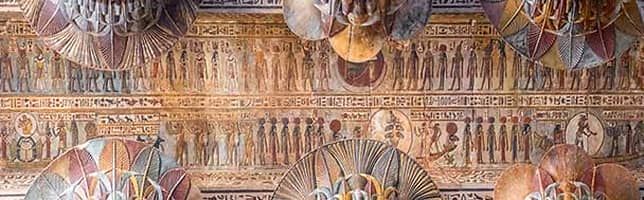
Temple of Khnum in Esna, Egypt
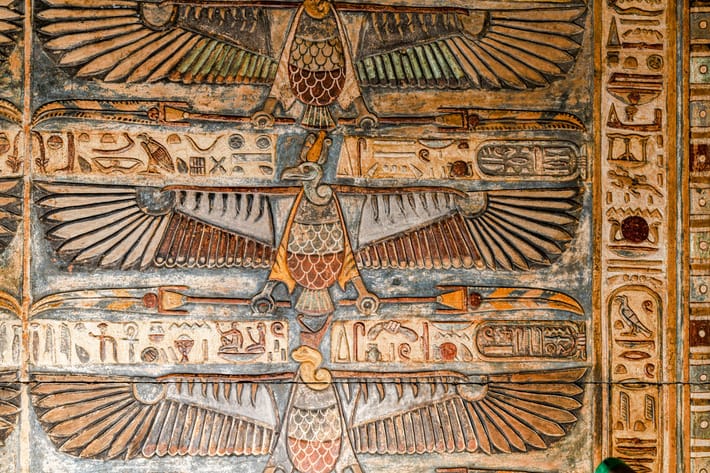
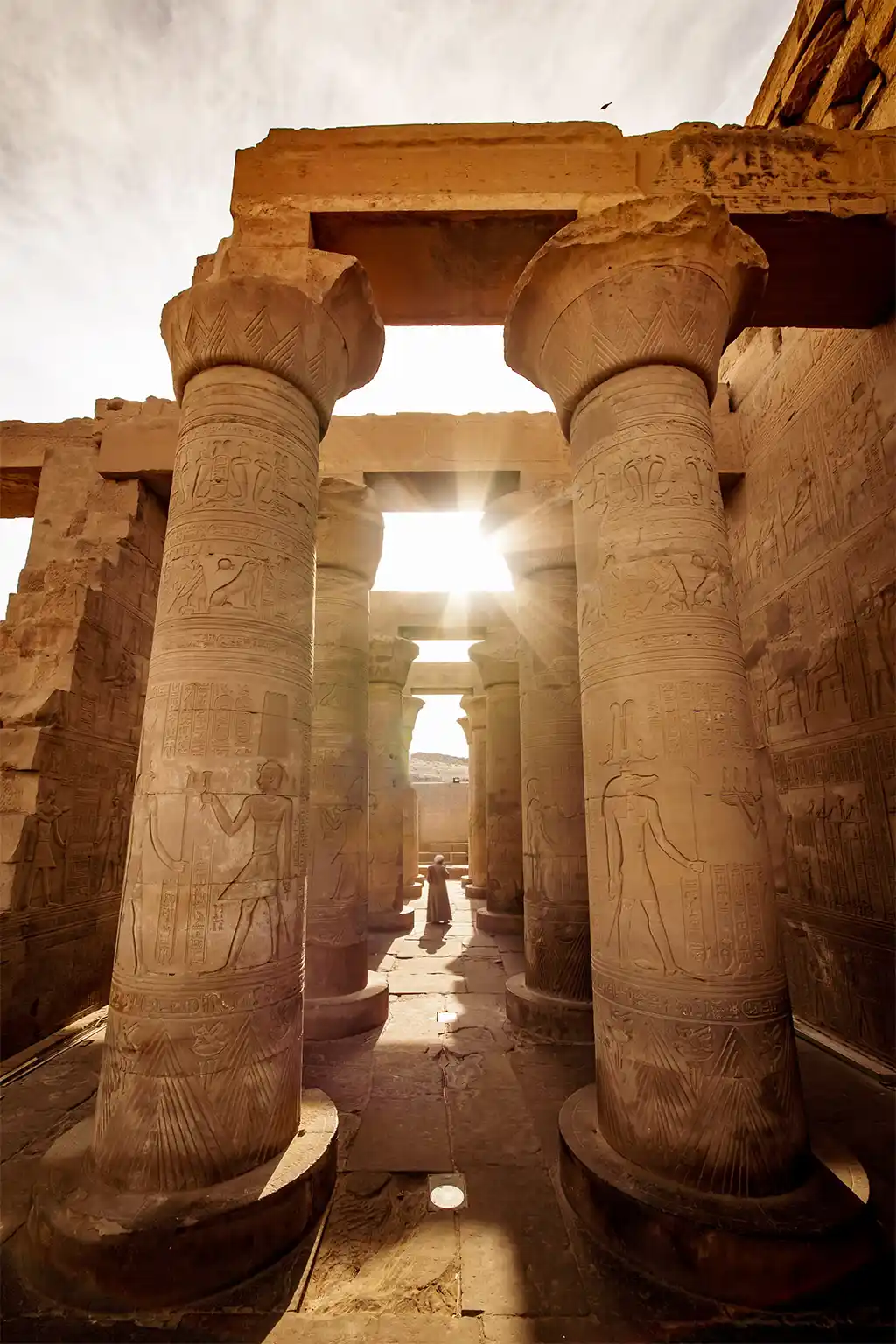
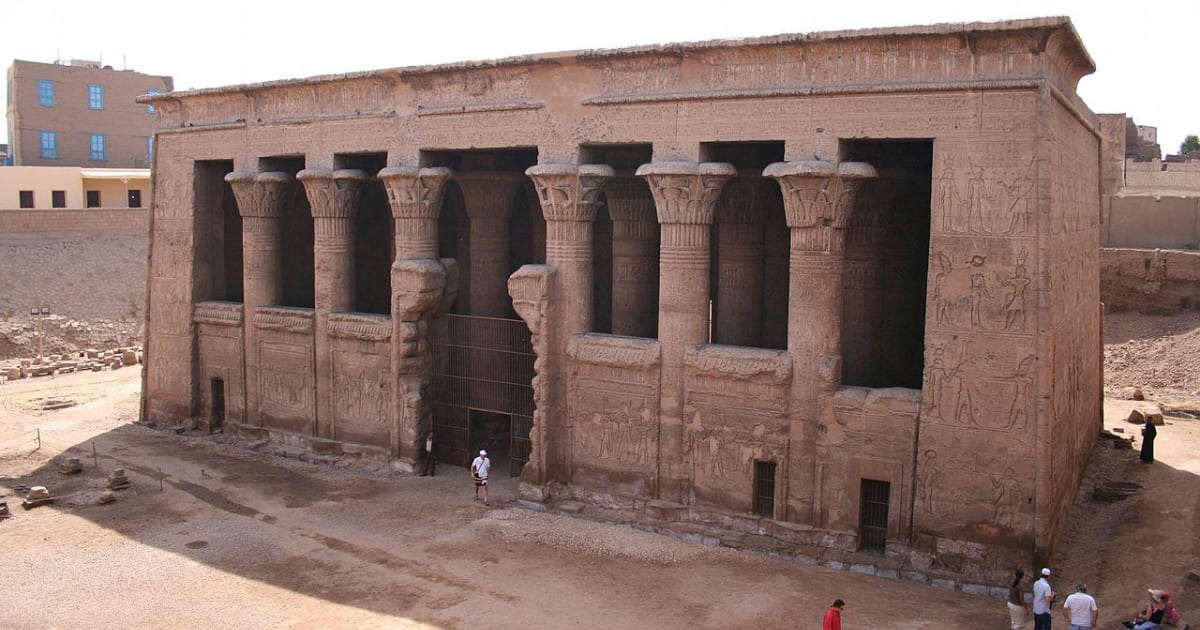
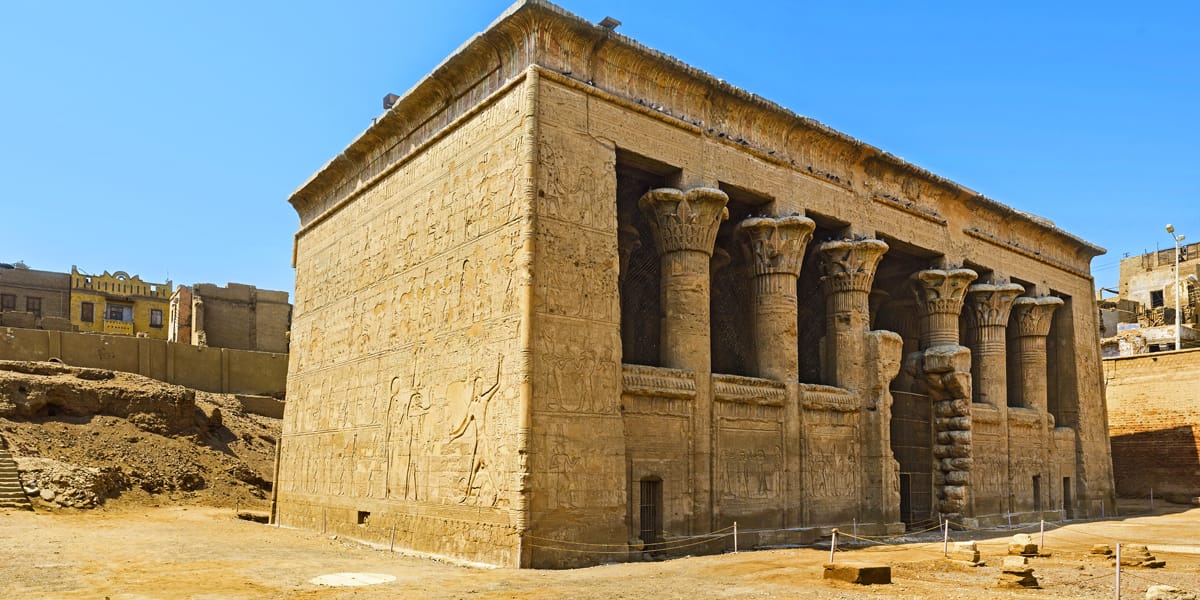
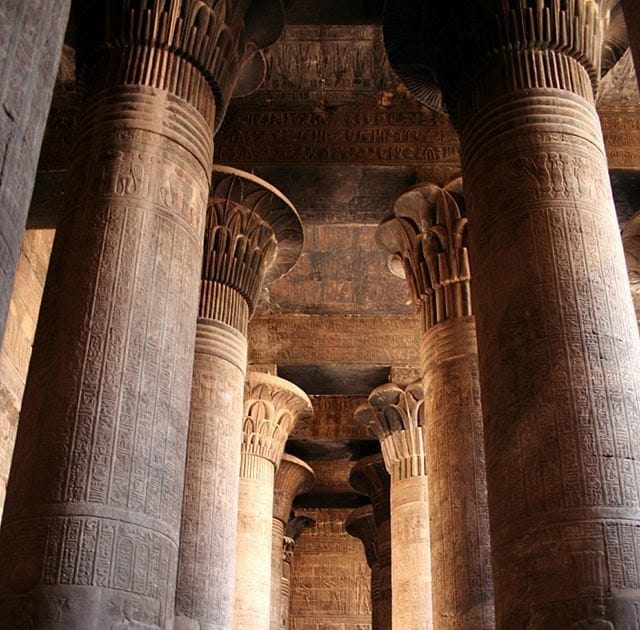
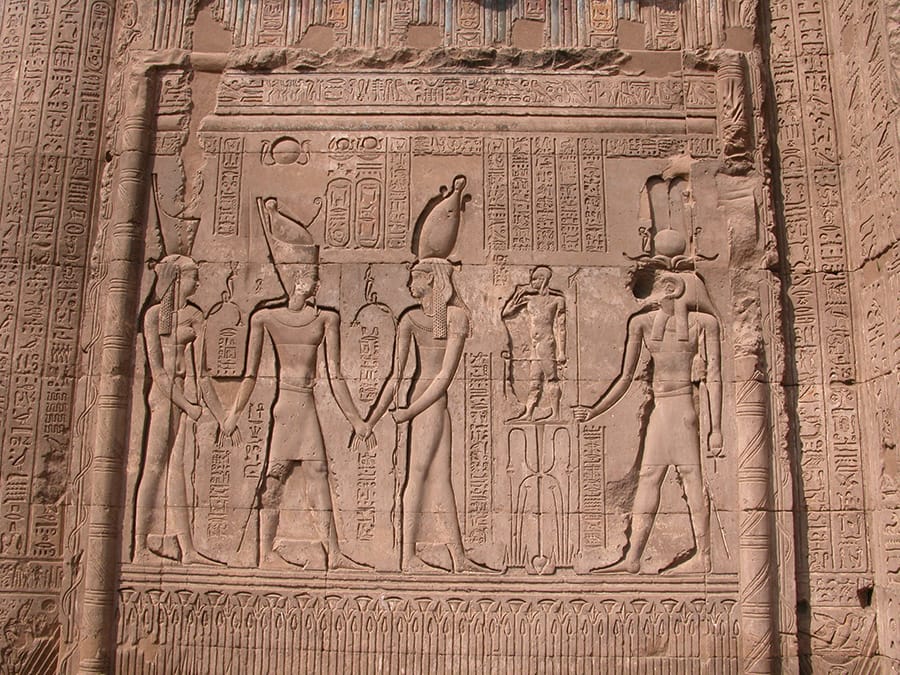
The Temple of Khnum in Esna, south of Luxor (Egypt), envelops the visitor in a symbolic universe where gods and sky seem to dialogue. Dedicated to Khnum, the ram-headed god who, according to belief, modeled humans with clay from the Nile, this space preserves a monumental hall supported by twenty-four columns covered with reliefs and sacred texts.
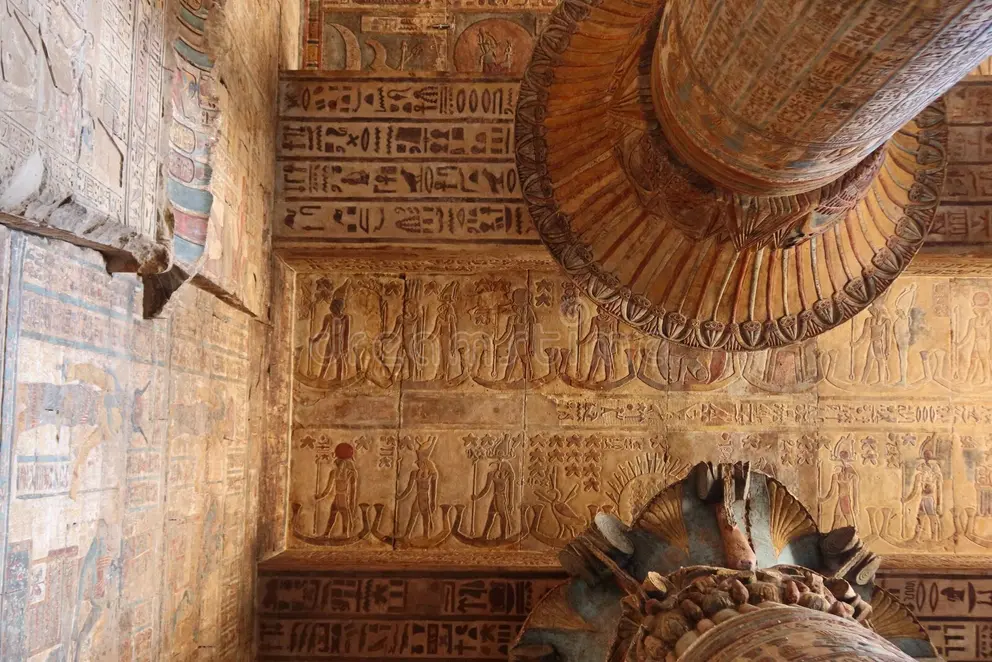
In ancient times, accessing its interior required strict ritual purity: priests shaved completely, avoided certain foods, and wore linen before performing ceremonies. Above them, the ceiling unfolds a firmament carved with zodiac signs and cosmic scenes. This visual language is reminiscent, in another key, of the symbolic iconography of historic temples in Spain, where architecture and beliefs are also intertwined. Thus, each column and each figure reveal a world where religion and cosmos formed the same story.
Templo de Jnum en Esna, Egipto
El Templo de Jnum en Esna, al sur de Luxor (Egipto), envuelve al visitante en un universo simbólico donde dioses y cielo parecen dialogar. Dedicado a Khnum, el dios con cabeza de carnero que, según la creencia, modelaba a los humanos con arcilla del Nilo, este espacio conserva una sala monumental sostenida por veinticuatro columnas cubiertas de relieves y textos sagrados.
En la antigüedad, acceder a su interior exigía una estricta pureza ritual: los sacerdotes se afeitaban por completo, evitaban ciertos alimentos y vestían lino antes de realizar ceremonias. Sobre ellos, el techo despliega un firmamento tallado con signos zodiacales y escenas cósmicas. Este lenguaje visual recuerda, en otra clave, a la iconografía simbólica de templos históricos en España, donde también arquitectura y creencias se entrelazan. Así, cada columna y cada figura revelan un mundo donde religión y cosmos formaban un mismo relato.
Tempio di Khnum a Esna, Egitto
Il Tempio di Khnum a Esna, a sud di Luxor (Egitto), avvolge il visitatore in un universo simbolico dove dèi e cielo sembrano dialogare. Dedicato a Khnum, il dio con testa di ariete che, secondo la credenza, modellò gli esseri umani con argilla del Nilo, questo spazio conserva una sala monumentale sorretta da ventiquattro colonne ricoperte di rilievi e testi sacri.
In tempi antichi, accedere all'interno richiedeva una rigorosa purezza rituale: i sacerdoti si radevano completamente, evitavano certi cibi e indossavano il lino prima di eseguire le cerimonie. Sopra di loro, il soffitto si apre un firmamento scolpito con segni zodiacali e scene cosmiche. Questo linguaggio visivo ricorda, in un'altra tonalità, l'iconografia simbolica dei templi storici in Spagna, dove architettura e credenze sono anch'esse intrecciate. Così, ogni colonna e ogni figura rivelano un mondo in cui religione e cosmo formavano la stessa storia.
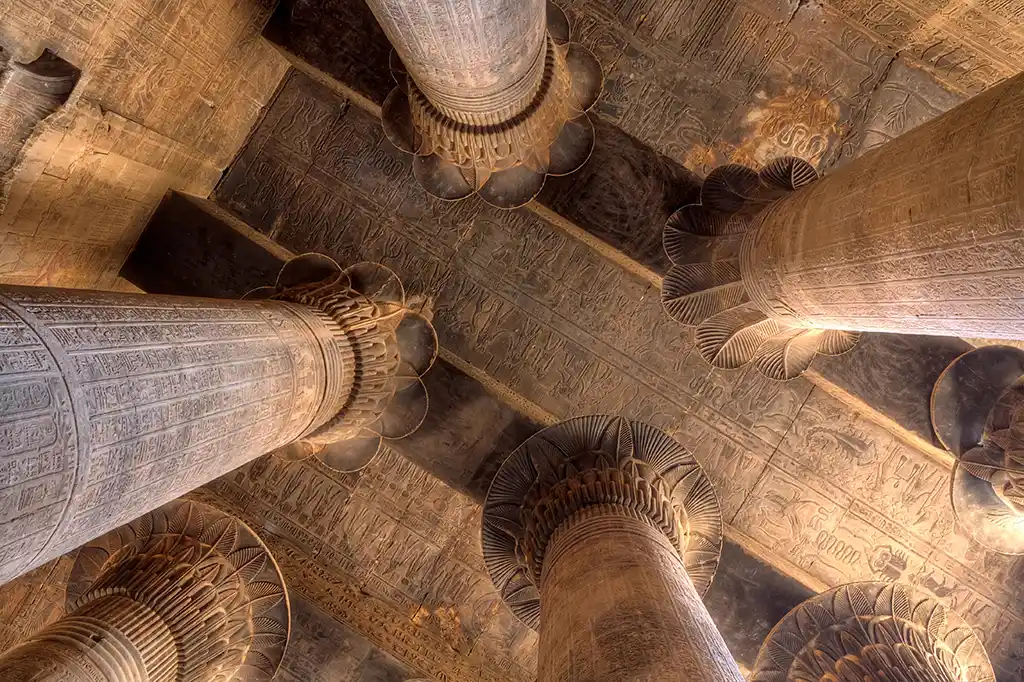
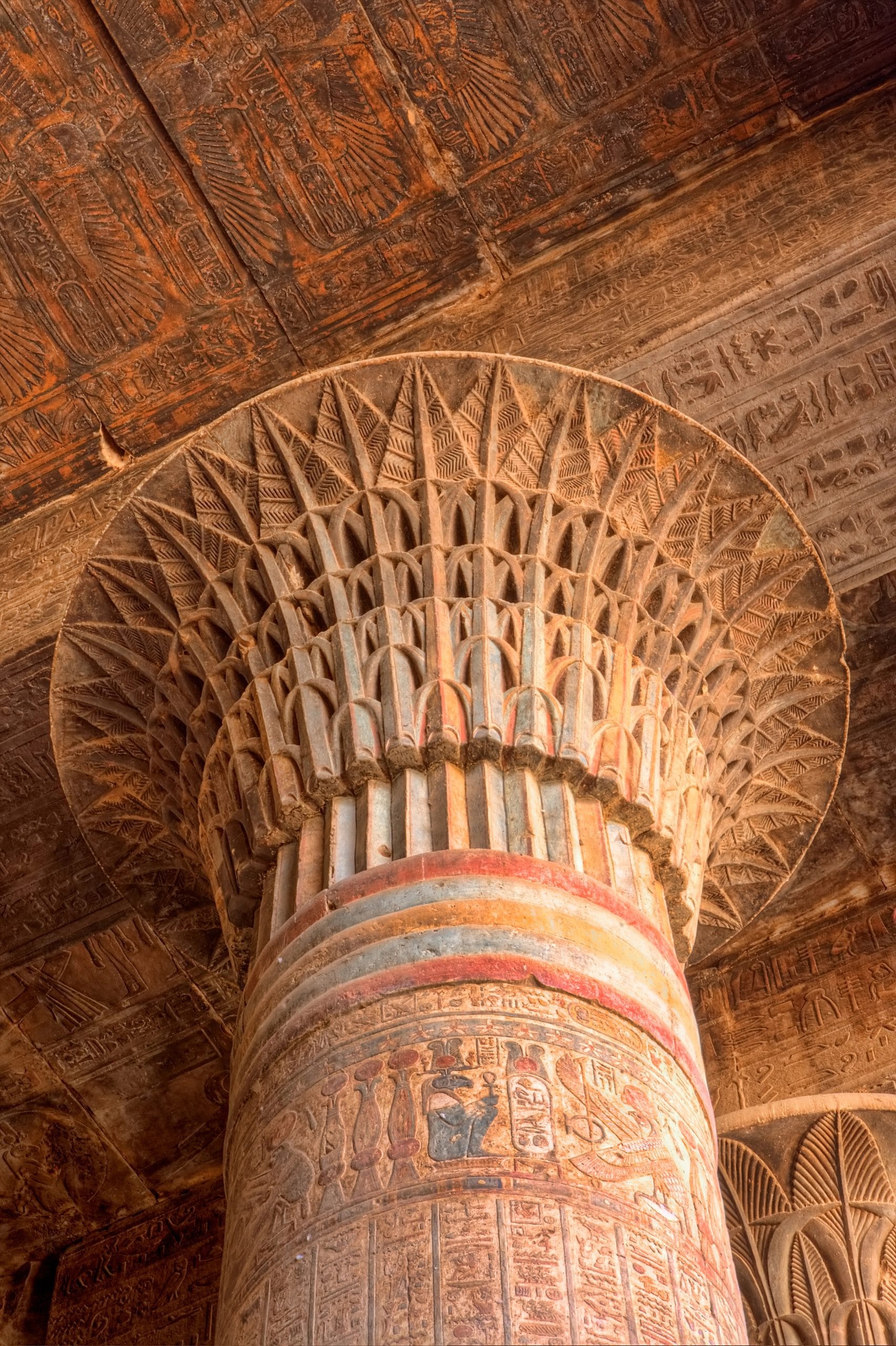
Temple of Khnum in Esna, Egypt
The Mouth of Truth is a reader-supported publication. To receive new posts and support my work, consider becoming a free or paid subscriber.
Free and voluntary gesture on Pay Pal