

International Tiger Day
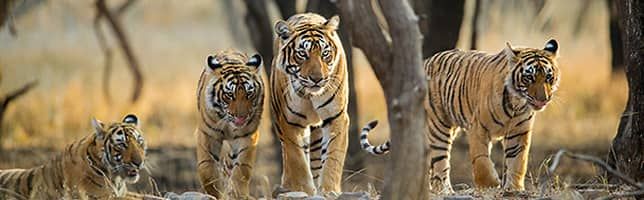
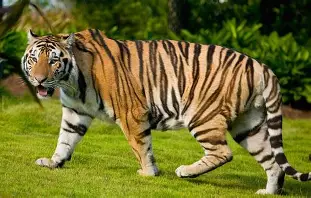
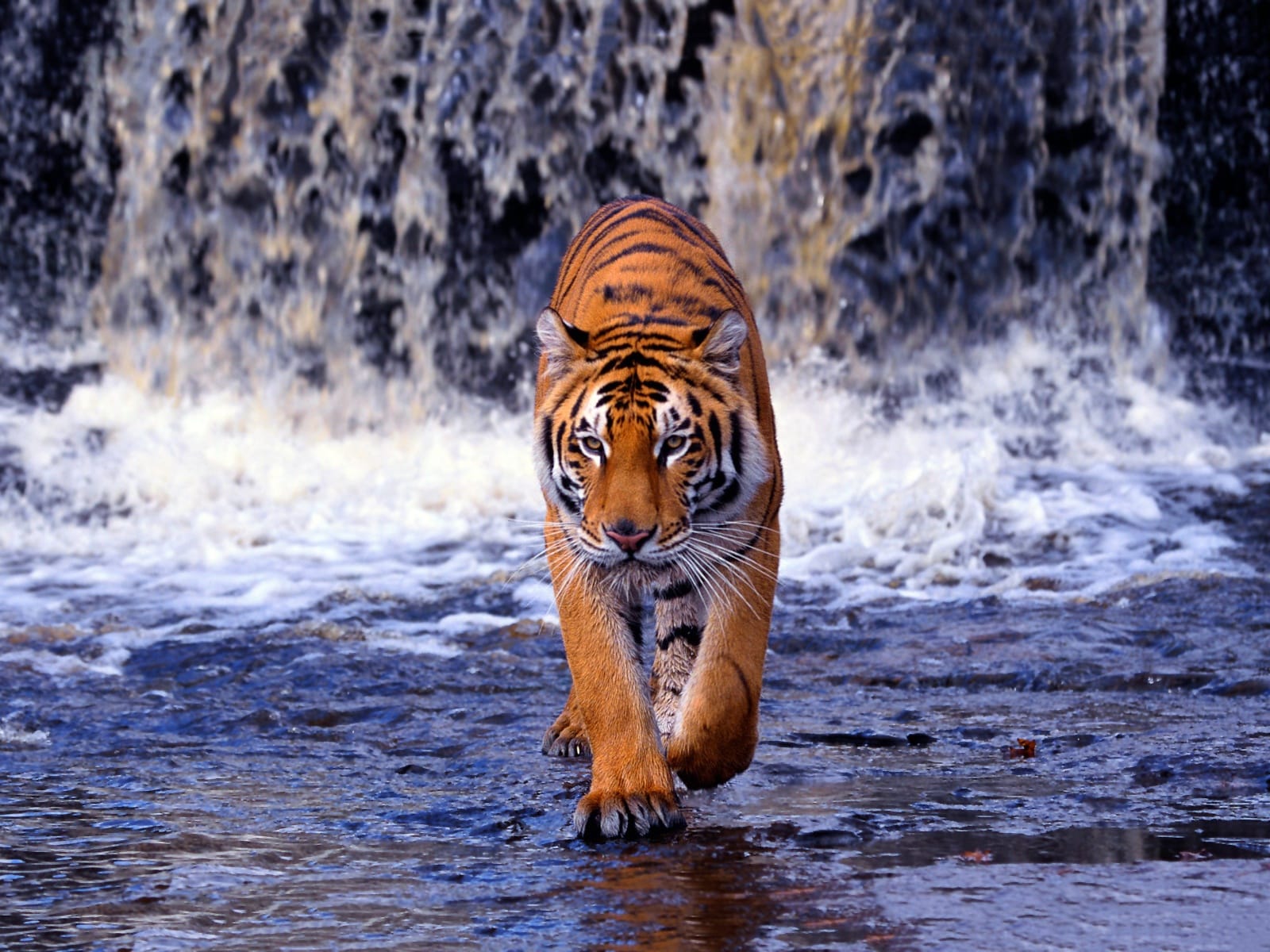
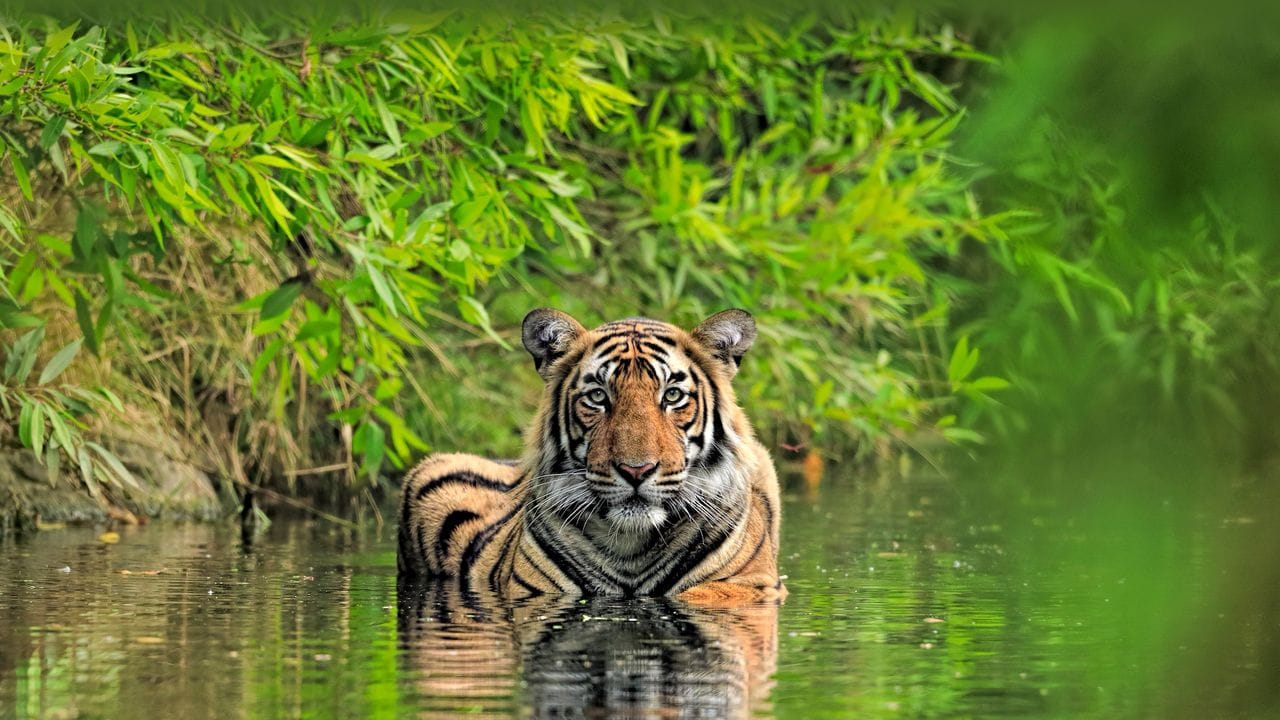
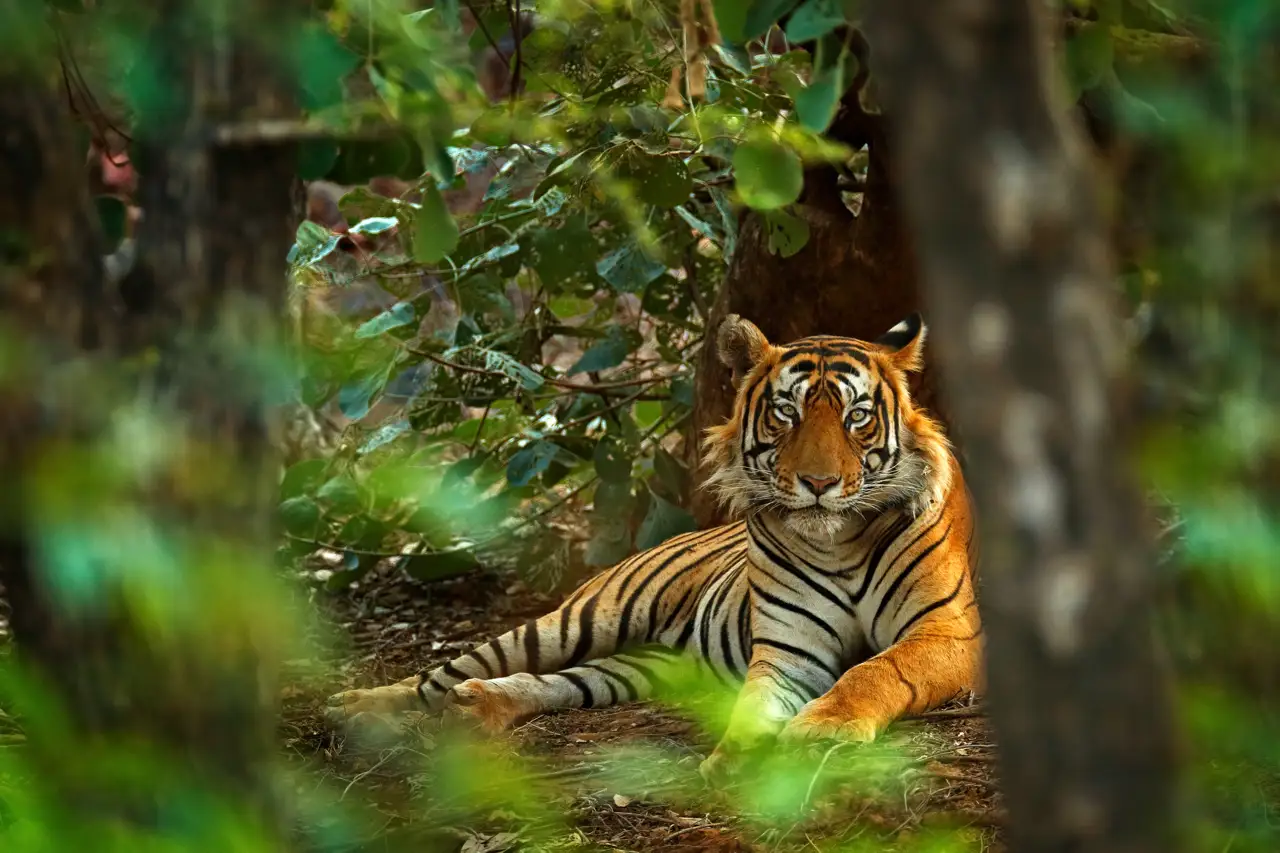
On International Tiger Day, a family of Bengal tigers roams Ranthambore National Park in Rajasthan, India, with the sovereign calm of someone who knows he has no rival. They are animals designed for perfection: an adult can exceed three meters in length and weigh more than 225 kilograms, but it moves through the vegetation without emitting the slightest sound. Its stripes are not only an aesthetic feature; They are a survival tool that disorients prey in an environment where seeing and not being seen is everything.
A century ago, an estimated 100,000 tigers lived in the wild. Poaching and habitat destruction brought them to the brink of collapse. Conservation programs in India have managed to stop this decline, and International Tiger Day – established at the St. Petersburg Summit in 2010 – reminds us that this recovery requires continuous effort. In Spain, organizations such as WWF work to keep awareness alive about their future.
En el Día Internacional del Tigre, una familia de tigres de Bengala recorre el Parque Nacional de Ranthambore, en Rajastán, India, con la calma soberana de quien sabe que no tiene rival. Son animales diseñados para la perfección: un adulto puede superar los tres metros de longitud y pesar más de 225 kilogramos, pero se mueve entre la vegetación sin emitir el menor sonido. Sus rayas no son solo un rasgo estético; son una herramienta de supervivencia que desorienta a las presas en un entorno donde ver y no ser visto lo es todo.
Hace un siglo, se calcula que vivían unos 100.000 tigres en estado salvaje. La caza furtiva y la destrucción de su hábitat los llevaron al borde del colapso. Los programas de conservación en India han logrado frenar esa caída, y el Día Internacional del Tigre —instaurado en la Cumbre de San Petersburgo en 2010— recuerda que esta recuperación exige esfuerzo continuo. En España, organizaciones como WWF trabajan para mantener viva la conciencia sobre su futuro.
Giornata Internazionale della Tigre
Nel giorno della Giornata Internazionale della Tigre, una famiglia di tigri del Bengala si aggira nel Parco Nazionale di Ranthambore nel Rajasthan, India, con la calma sovrana di chi sa di non avere rivali. Sono animali progettati per la perfezione: un adulto può superare i tre metri di lunghezza e pesare più di 225 chilogrammi, ma si muove attraverso la vegetazione senza emettere il minimo suono. Le sue strisce non sono solo una caratteristica estetica; Sono uno strumento di sopravvivenza che disorienta le prede in un ambiente dove vedere e non essere visti è tutto.
Un secolo fa, si stima che vivessero in natura circa 100.000 tigri. Il bracconaggio e la distruzione dell'habitat li portarono sull'orlo del collasso. I programmi di conservazione in India sono riusciti a fermare questo declino, e la Giornata Internazionale della Tigre – istituita al Vertice di San Pietroburgo nel 2010 – ci ricorda che questo recupero richiede uno sforzo continuo. In Spagna, organizzazioni come WWF lavorano per mantenere viva la consapevolezza sul loro futuro.

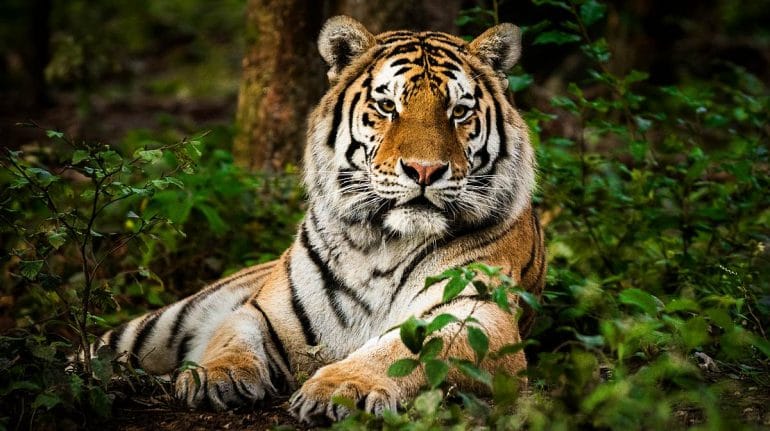
Tigre

The Mouth of Truth is a reader-supported publication. To receive new posts and support my work, consider becoming a free or paid subscriber.
Free and voluntary gesture on Pay Pal