
Flor de Pascua Poinsettia Brillante
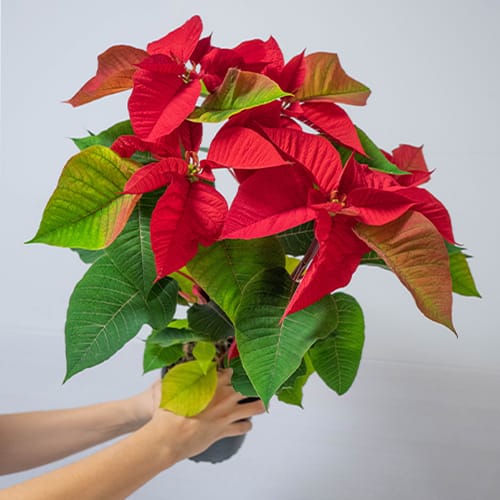
Audaz y tan roja como la nariz de Rudolph, la flor de pascua reclama ser el centro de atención cada diciembre. Antes de convertirse en un adorno imprescindible, este arbusto recorrió un largo camino. Mucho antes de aparecer en nuestros salones, crecía de forma silvestre en México, donde los aztecas la empleaban para tintes y medicinas. En la década de 1820, el diplomático estadounidense Joel Roberts Poinsett quedó fascinado por su belleza y la envió a su país, iniciando su fama mundial.
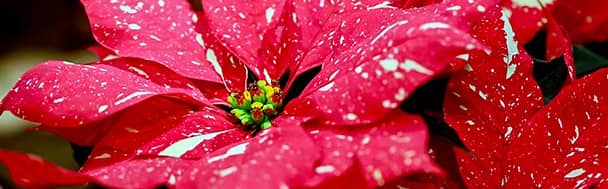
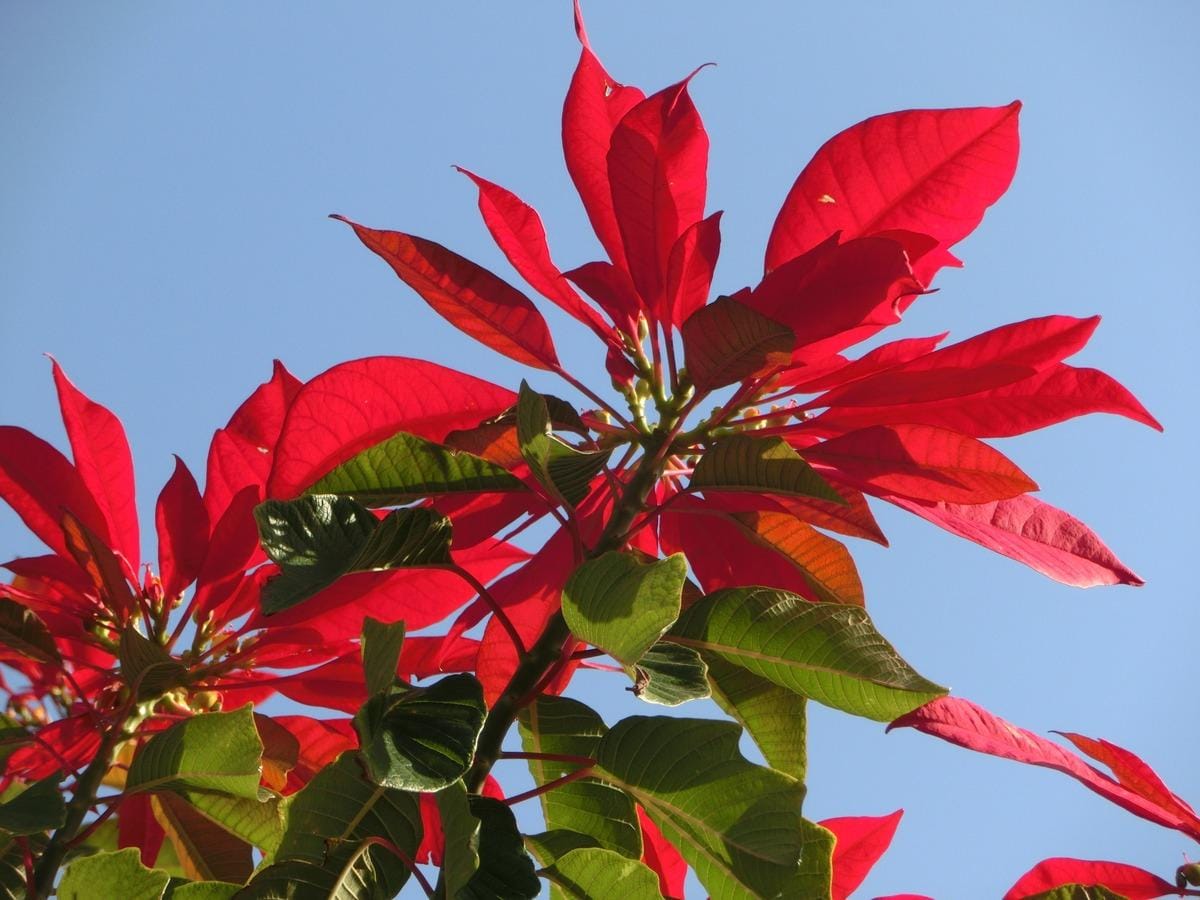
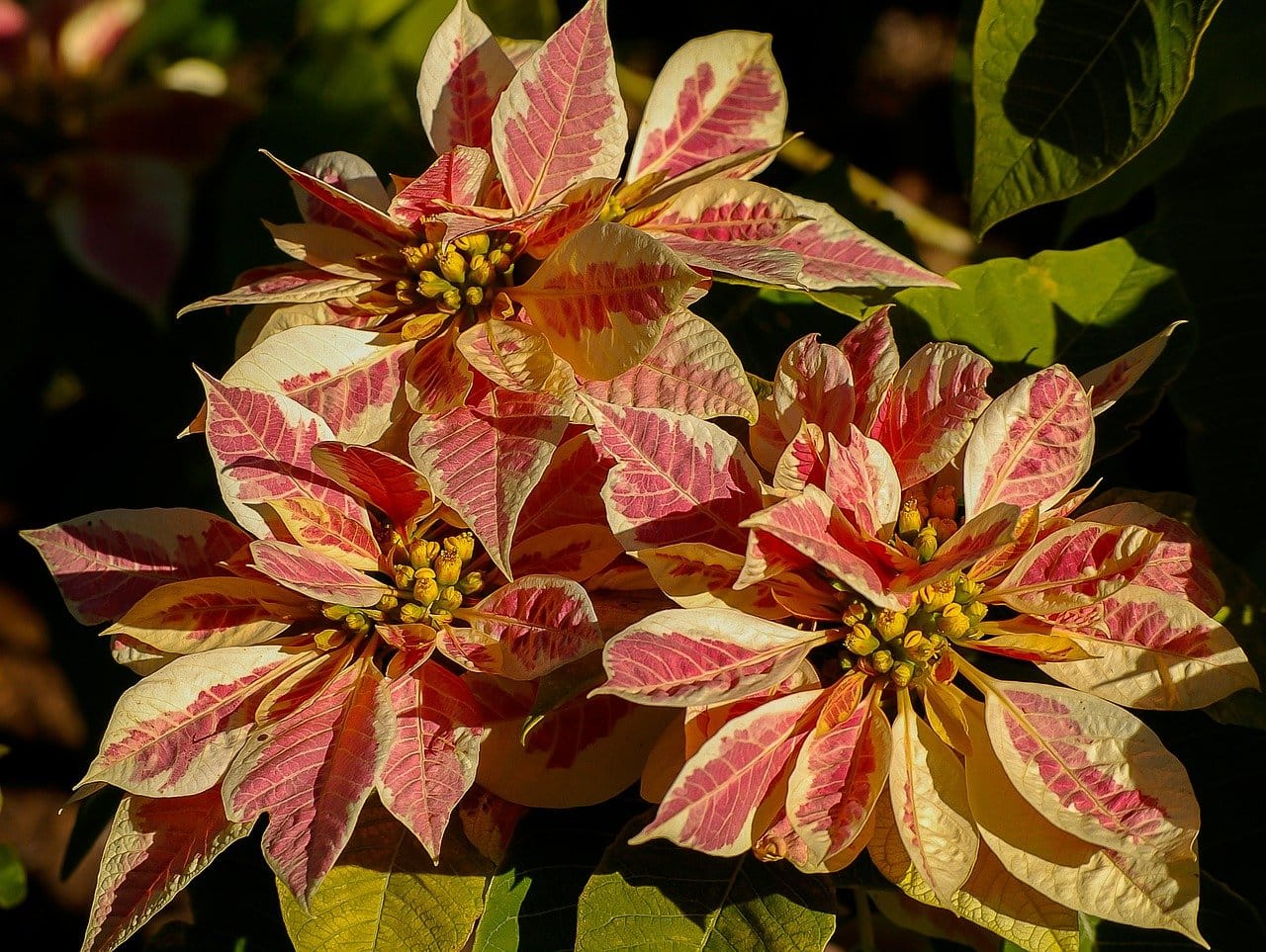
A pesar de su éxito navideño, aún arrastra mitos. El más común afirma que es venenosa. No es buena idea comerla (ni tú ni tu gato lo agradeceríais), pero está lejos de ser mortal. Y un detalle sorprendente: las partes rojas no son flores, sino brácteas; las flores reales son esos pequeños capullos amarillos del centro.
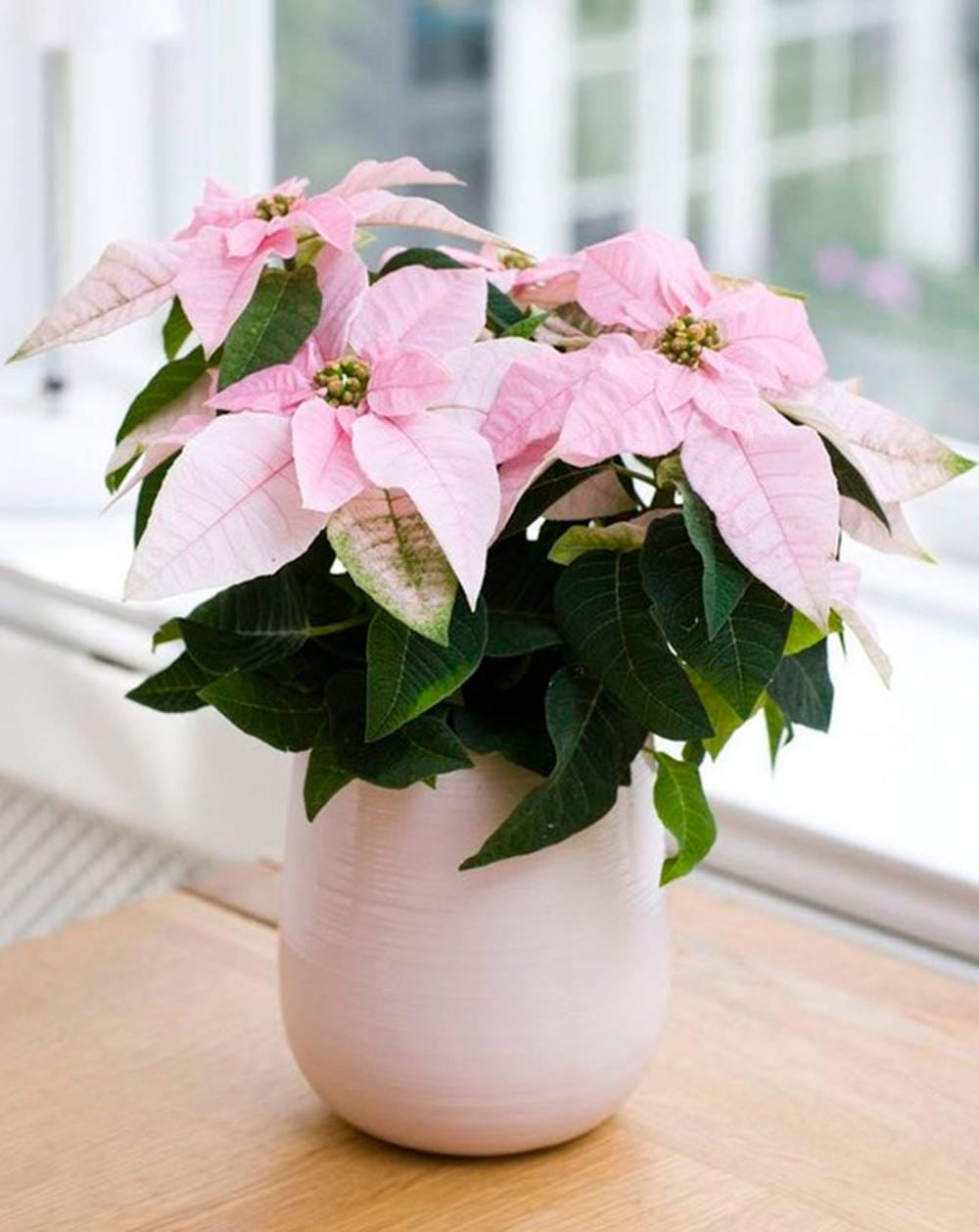
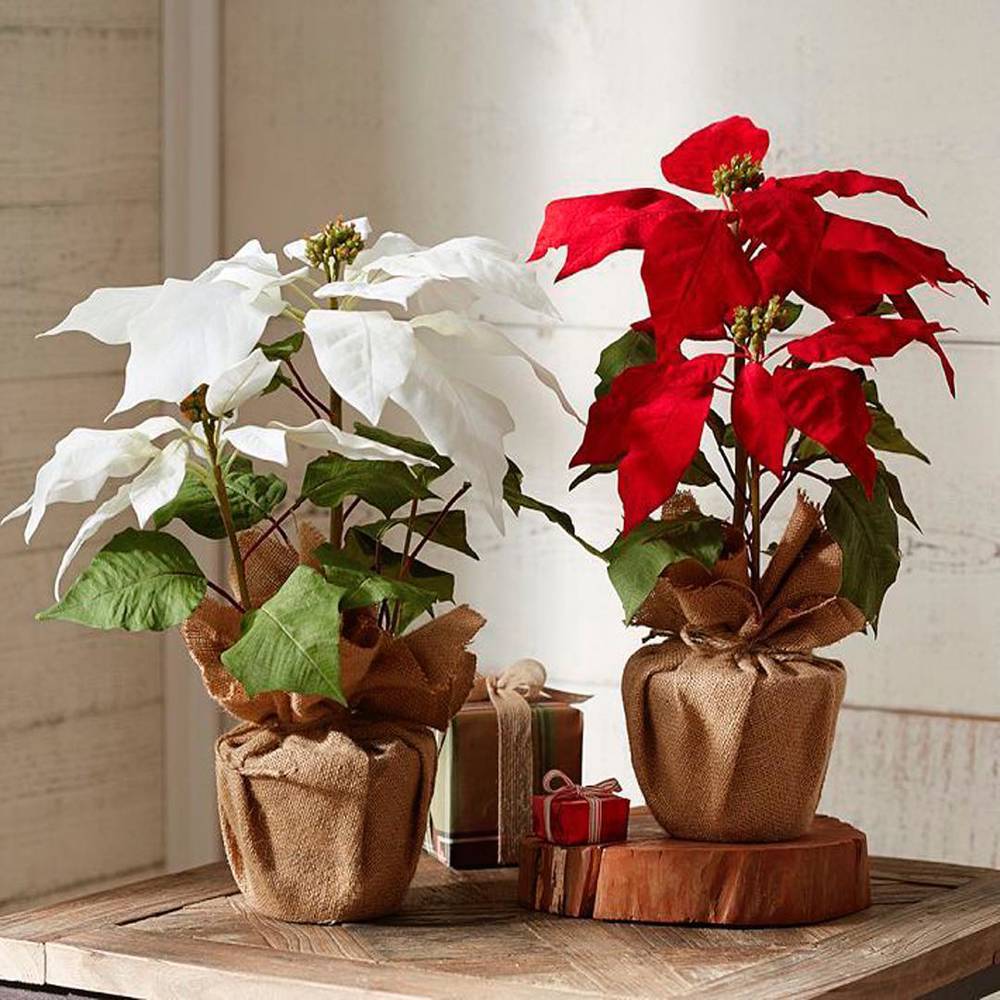
Hoy existen más de cien variedades, desde el rosa hasta el blanco o el jaspeado. En España se regalan cada año millones de ejemplares, sobre todo en diciembre. Si viajas a México, podrás conocer su origen natural y descubrir por qué esta planta se ha convertido en un verdadero icono festivo.

Poinsettia (Euphorbia pulcherrima)
Bright, bold, and as red as Rudolph's nose, the poinsettia claims to be the center of attention every December. Before becoming a must-have ornament, this shrub came a long way. Long before it appeared in our salons, it grew wild in Mexico, where the Aztecs used it for dyes and medicines. In the 1820s, the American diplomat Joel Roberts Poinsett was fascinated by her beauty and sent her to his country, starting her worldwide fame.
Despite its Christmas success, it still carries myths. The most common claims that it is poisonous. It's not a good idea to eat it (neither you nor your cat would appreciate it), but it's far from deadly. And a surprising detail: the red parts are not flowers, but bracts; The actual flowers are those little yellow buds in the center.
Today there are more than a hundred varieties, from pink to white or marbled. In Spain, millions of copies are given away every year, especially in December. If you travel to Mexico, you will be able to learn about its natural origin and discover why this plant has become a true festive icon.






The Mouth of Truth is a reader-supported publication. To receive new posts and support my work, consider becoming a free or paid subscriber.