
Boneyard Beach, Hunting Island, South Carolina, USA
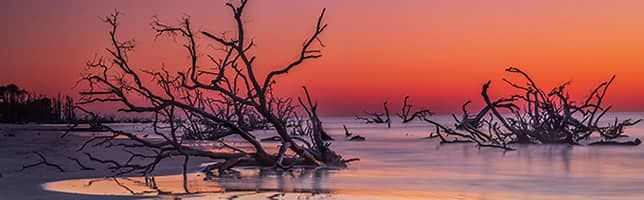
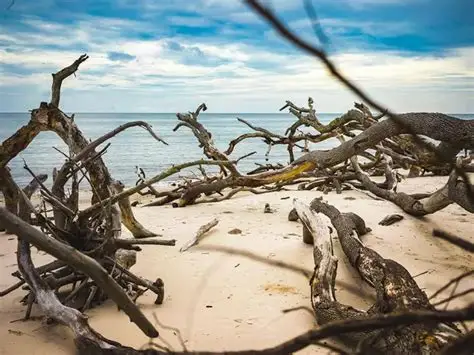
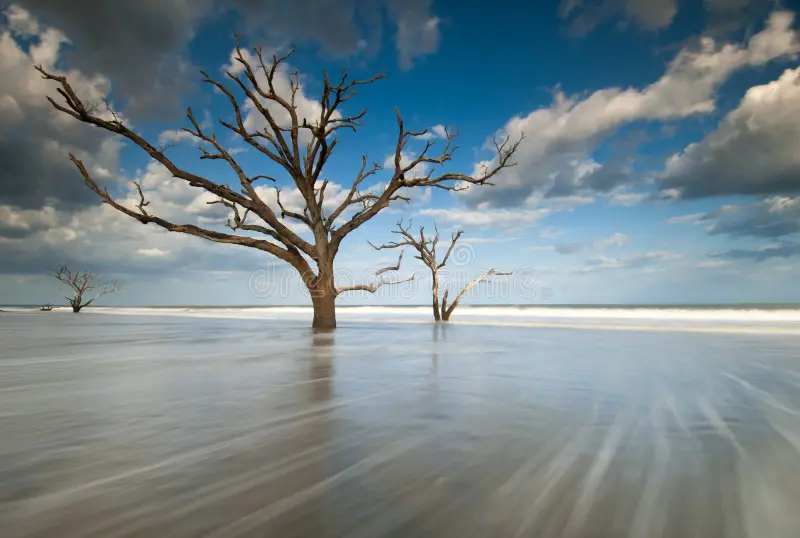
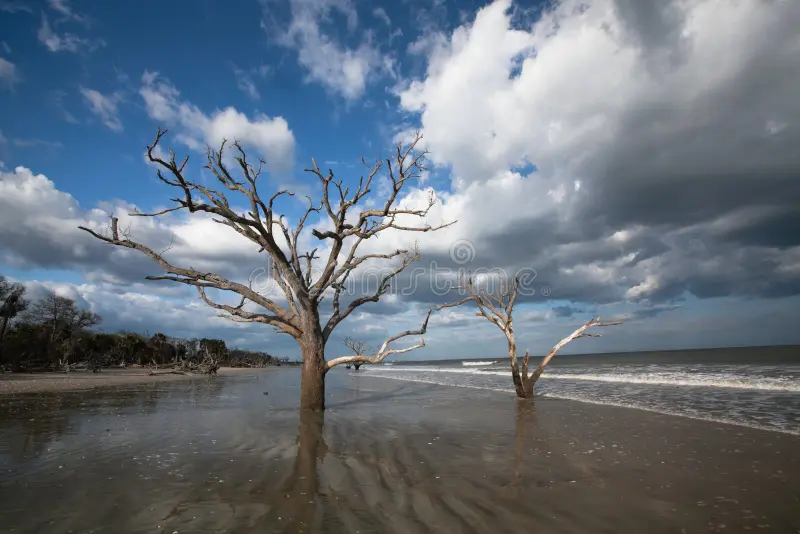
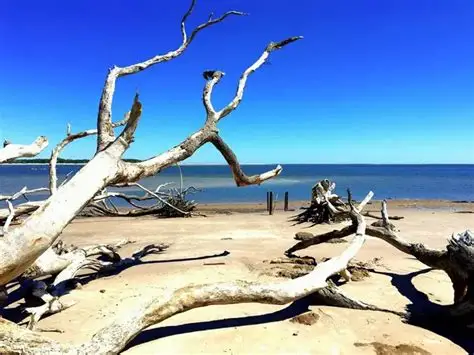
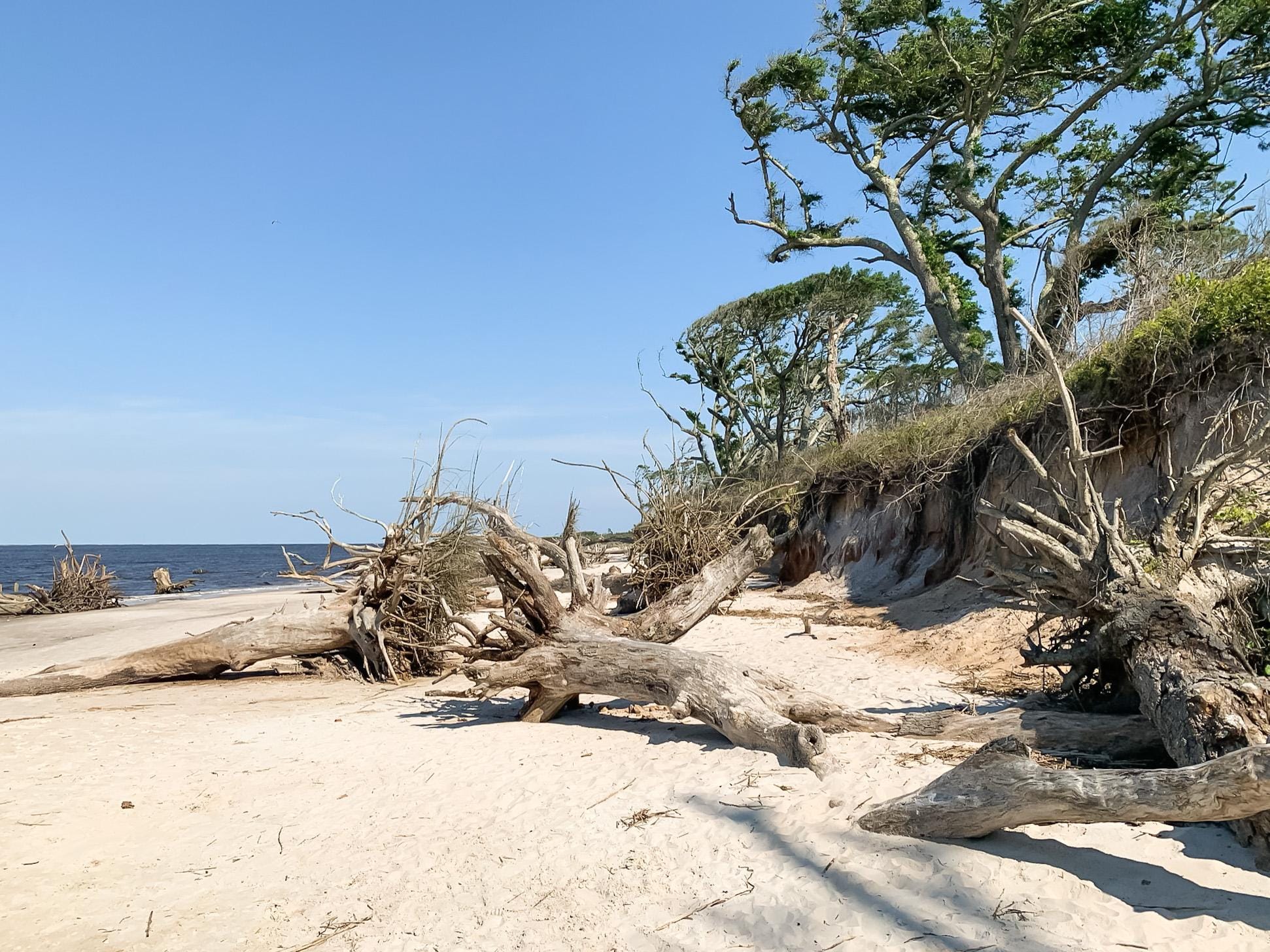
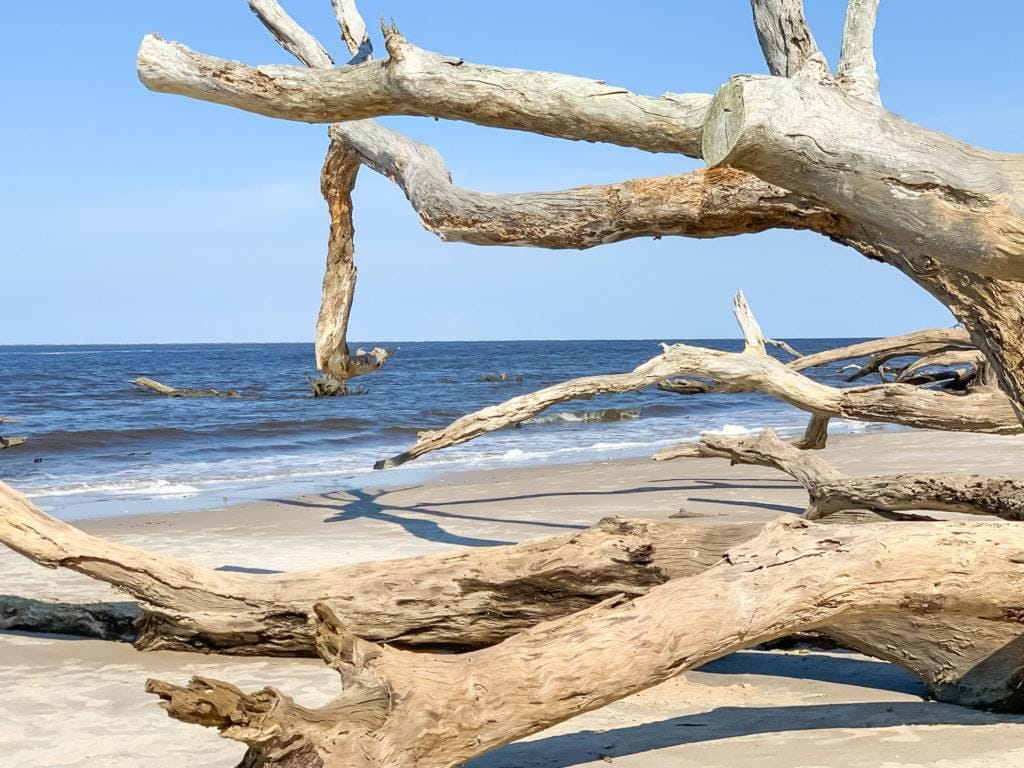
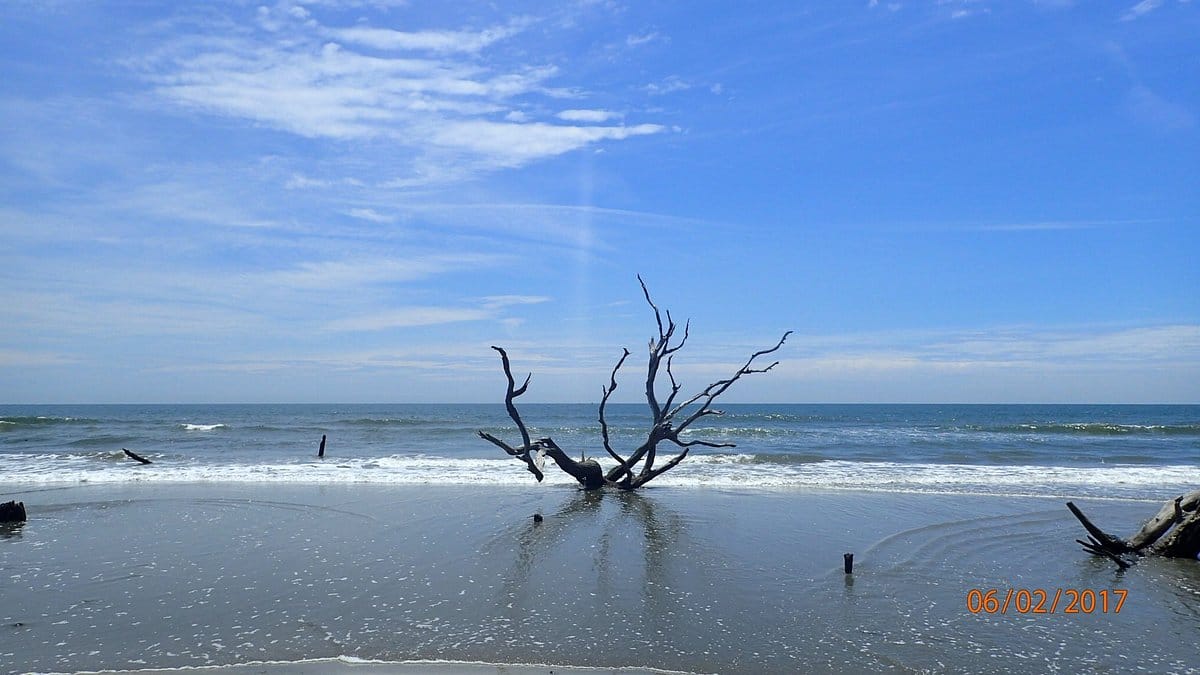
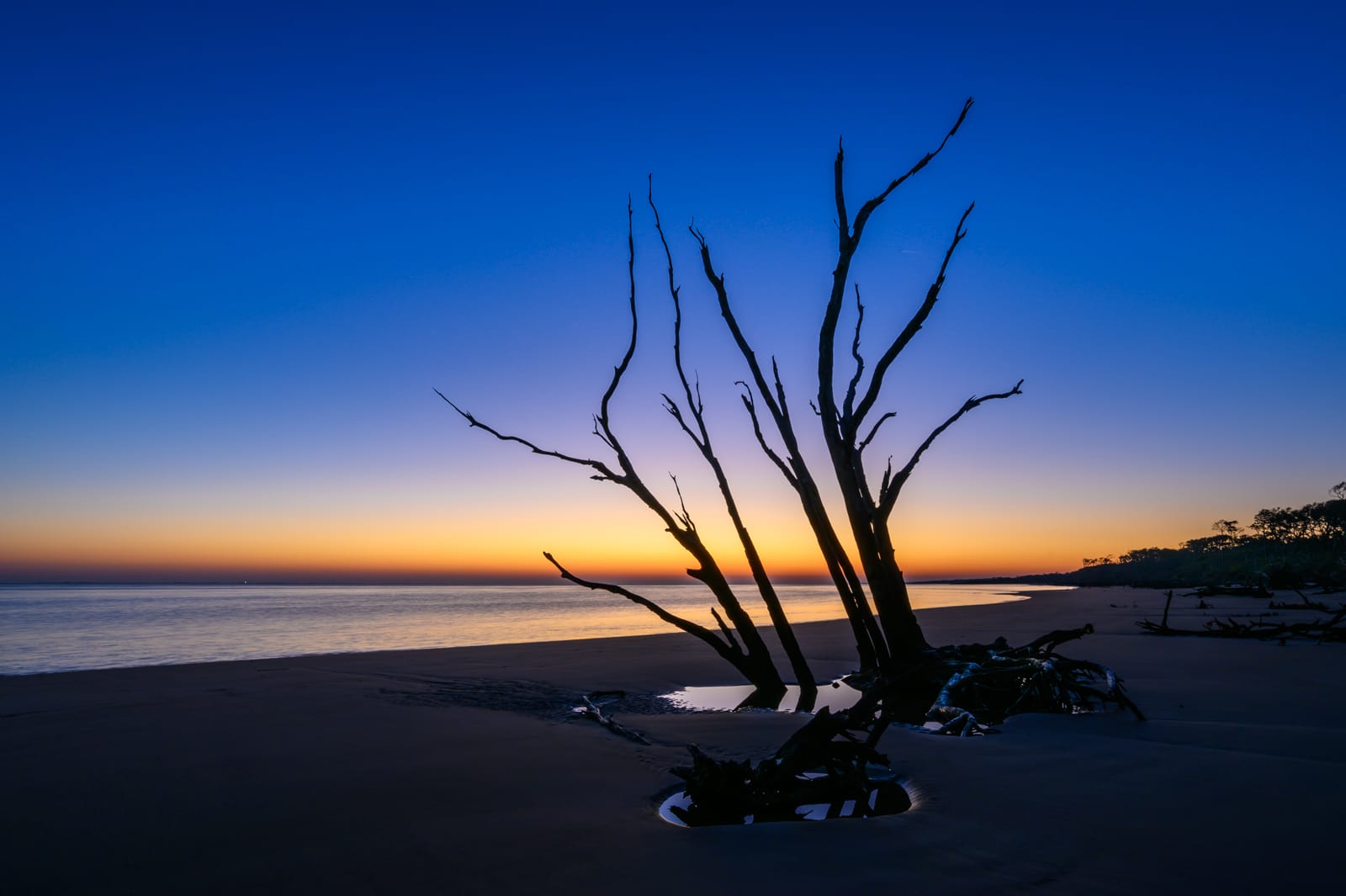
In Boneyard Beach, in Hunting Island State Park (United States), the trees seem to have been frozen in full transformation, as if time had stopped between life and disappearance. Its bleached trunks and exposed roots tell a silent story of erosion: since the 1980s, the sea has been advancing here, devouring up to nine meters of coastline a year at some points.
What you see today – remains of oaks and palmets that once formed a maritime forest – is a landscape as disturbing as it is fascinating, halfway between a geological lesson and a natural gallery. Although in Spain we do not find such extreme scenes, beaches such as those of Doñana or the Ebro delta also show how the coastline changes over time. Between birds, dolphins and turtles, each tide reveals a different Boneyard Beach, reminding us that nature never stops moving.
Boneyard Beach, Hunting Island, Carolina del Sur, EE. UU.
En Boneyard Beach, en el Parque Estatal Hunting Island (Estados Unidos), los árboles parecen haber quedado congelados en plena transformación, como si el tiempo se hubiera detenido entre la vida y la desaparición. Sus troncos blanqueados y raíces al descubierto cuentan una historia silenciosa de erosión: desde la década de mil novecientos ochenta, el mar avanza aquí con fuerza, devorando hasta nueve metros de costa al año en algunos puntos.
Lo que hoy ves —restos de robles y palmetos que un día formaron un bosque marítimo— es un paisaje tan inquietante como fascinante, a medio camino entre lección geológica y galería natural. Aunque en España no encontramos escenas tan extremas, playas como las de Doñana o el delta del Ebro también muestran cómo el litoral cambia con el paso del tiempo. Entre aves, delfines y tortugas, cada marea revela un Boneyard Beach distinto, recordándonos que la naturaleza nunca deja de moverse.
Spiaggia di Boneyard, Hunting Island, South Carolina, USA
A Boneyard Beach, nel Hunting Island State Park (Stati Uniti), gli alberi sembrano essere stati congelati in piena trasformazione, come se il tempo si fosse fermato tra la vita e la scomparsa. I suoi tronchi sbiancati e le radici scoperte raccontano una storia silenziosa di erosione: dagli anni '80, il mare ha avanzato qui, divorando fino a nove metri di costa all'anno in alcuni punti.
Quello che si vede oggi – resti di querce e palme che un tempo formavano una foresta marittima – è un paesaggio tanto inquietante quanto affascinante, a metà strada tra una lezione di geologia e una galleria naturale. Sebbene in Spagna non troviamo scene così estreme, spiagge come quelle di Doñana o del delta dell'Ebro mostrano anche come la linea costiera cambi nel tempo. Tra uccelli, delfini e tartarughe, ogni marea rivela una diversa Spiaggia del Boneyard, ricordandoci che la natura non si ferma mai.

The Mouth of Truth is a reader-supported publication. To receive new posts and support my work, consider becoming a free or paid subscriber.
Free and voluntary gesture on Pay Pal