

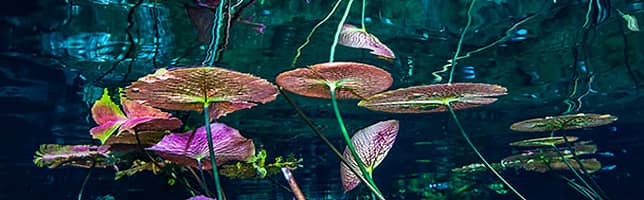
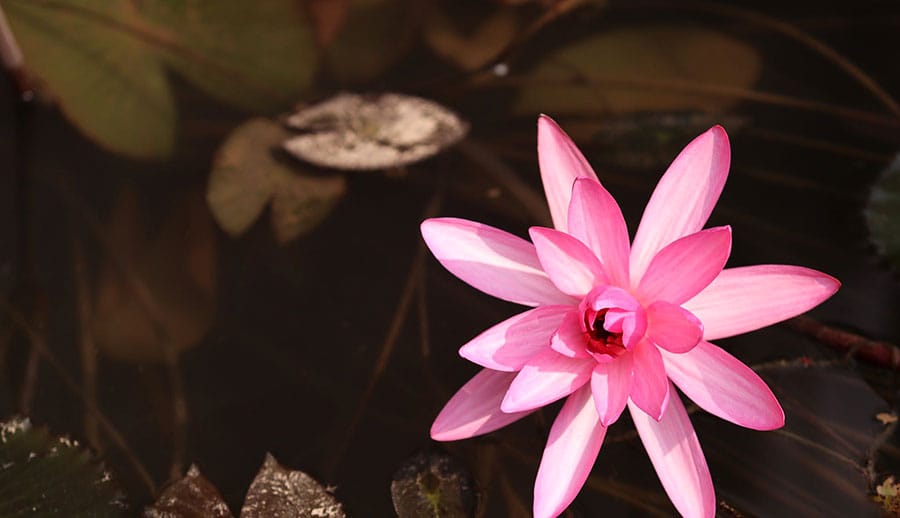
Water Lilies at the Gran Cenote, Tulum, Mexico
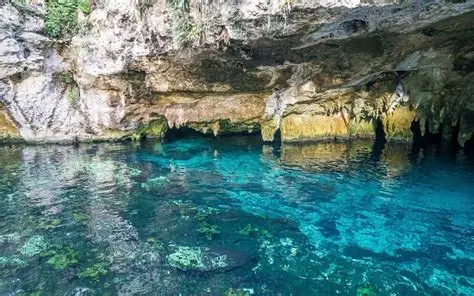
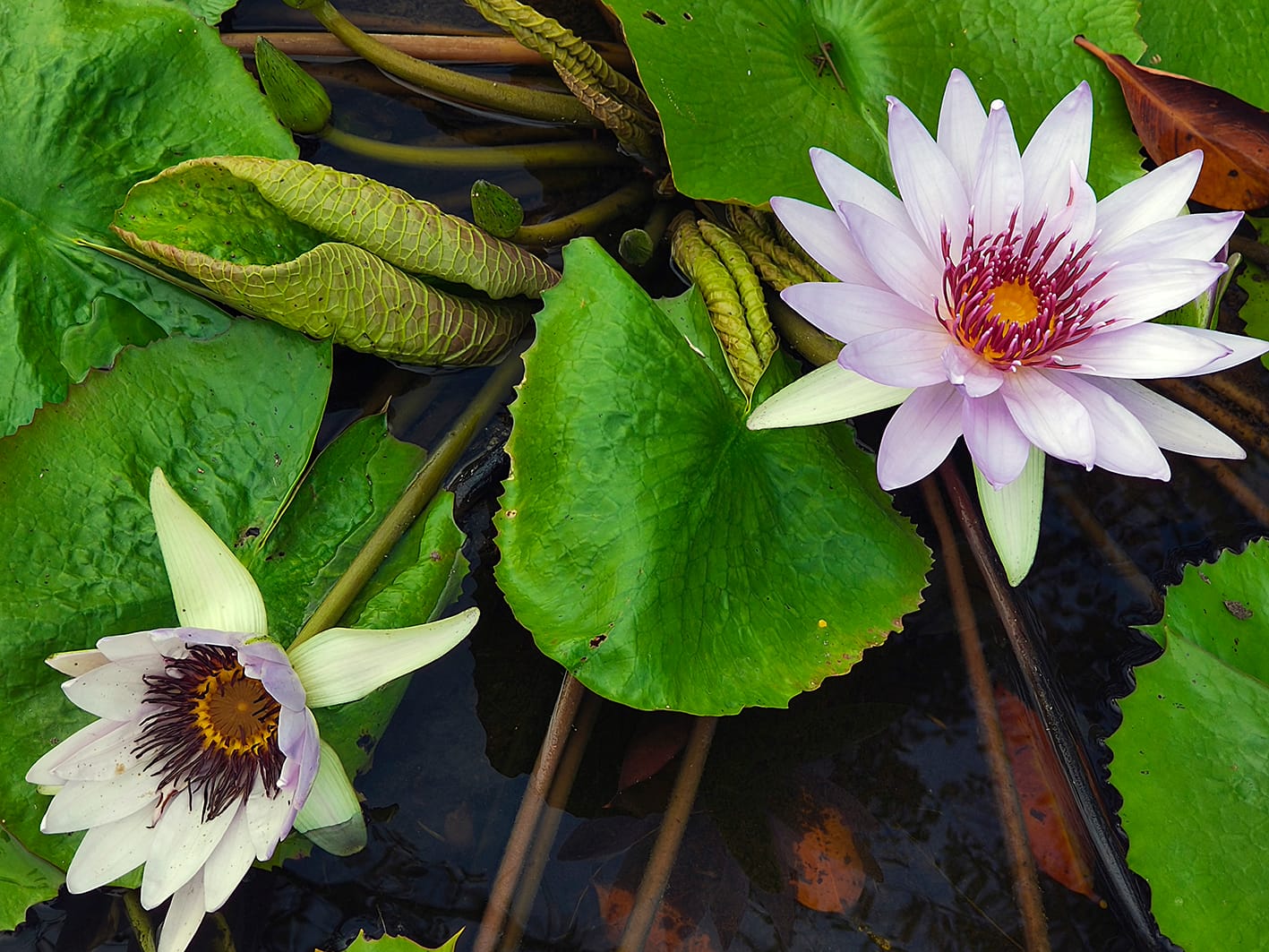
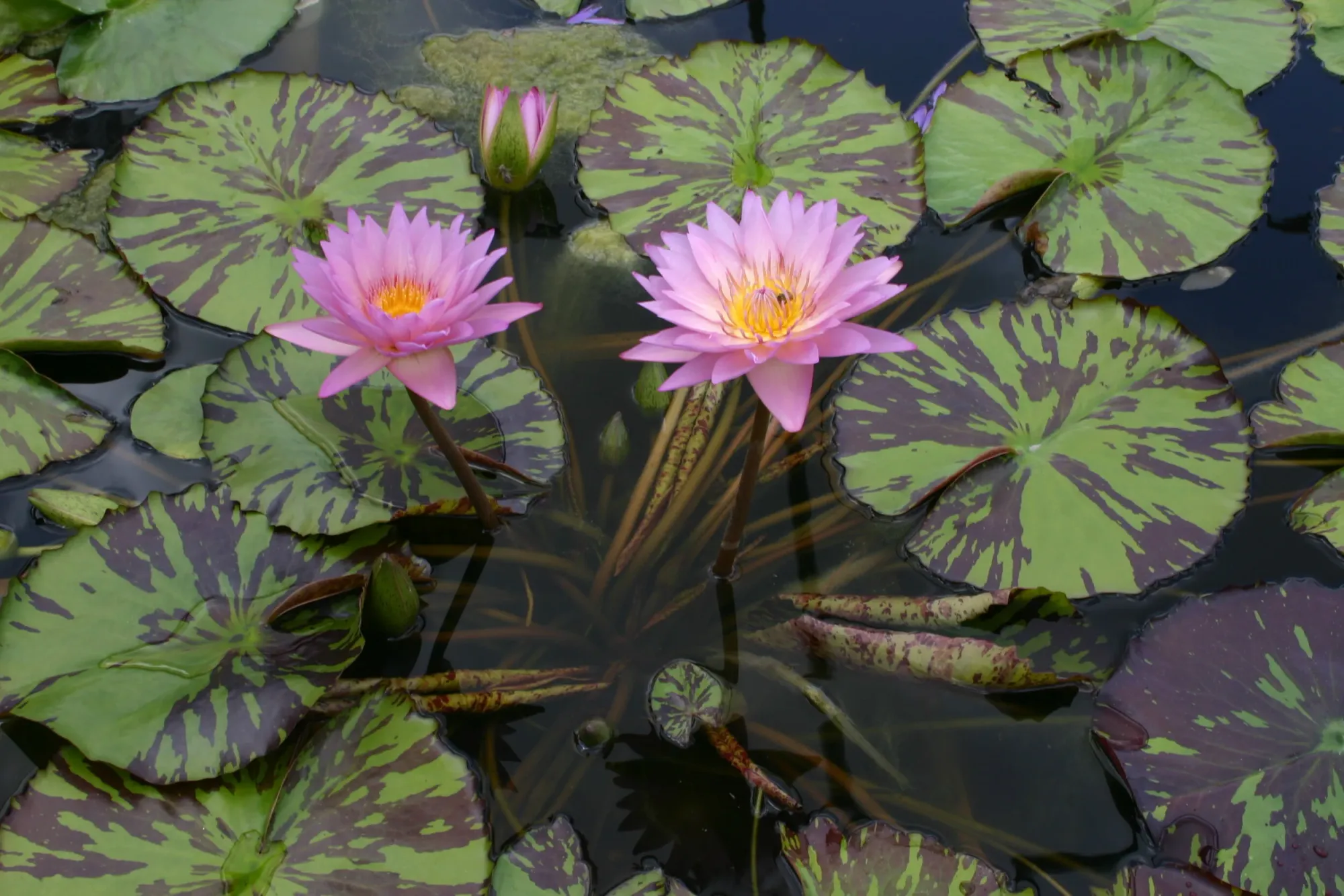
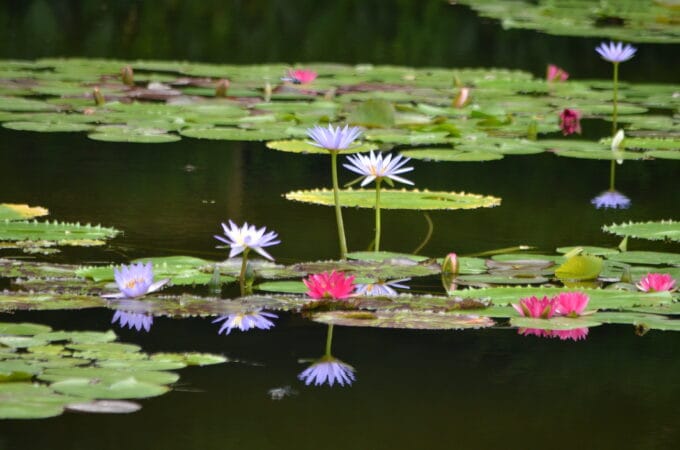
In the Gran Cenote de Tulum, water lilies float on fresh waters of karst origin illuminated by beams of natural light. Its round leaves create shadows on the surface and help regulate temperature, while offering shelter to fish, insects and small crustaceans. These plants contribute to the balance of the cenote by filtering nutrients and limiting algae blooms. Some local species open their flowers in the sun and close in the evening, a daily rhythm linked to pollination and ecosystem stability.
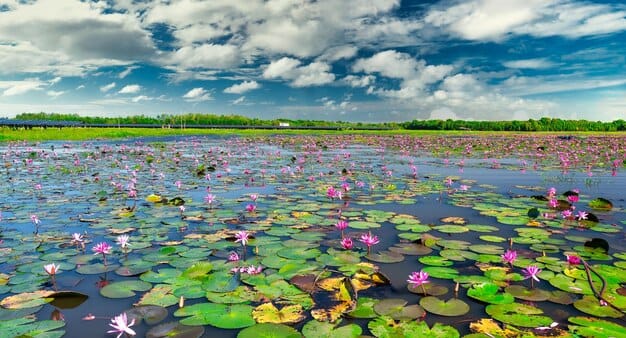
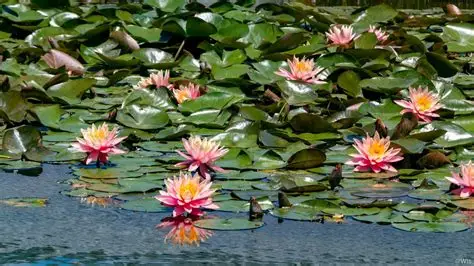
In Spain, the white water lily grows in ponds and tranquil ponds and shares the same structure of floating leaves and emerging flowers. The temperate climate marks its annual cycle, with summer blooms and winter rest. Although the landscape is different, both environments convey calm and natural continuity. Comparing them allows us to understand how an ancestral plant adapts to different waters, lights and cultures without losing its beauty.
Nenúfares en el Gran Cenote, Tulum, México
En el Gran Cenote de Tulum, los nenúfares flotan sobre aguas dulces de origen kárstico iluminadas por haces de luz natural. Sus hojas redondas crean sombras en la superficie y ayudan a regular la temperatura, mientras ofrecen refugio a peces, insectos y pequeños crustáceos. Estas plantas contribuyen al equilibrio del cenote al filtrar nutrientes y limitar la proliferación de algas. Algunas especies locales abren sus flores con el sol y se cierran al caer la tarde, un ritmo diario ligado a la polinización y a la estabilidad del ecosistema.
En España, el nenúfar blanco crece en lagunas y estanques tranquilos y comparte la misma estructura de hojas flotantes y flores emergentes. El clima templado marca su ciclo anual, con floraciones estivales y reposo invernal. Aunque el paisaje es distinto, ambos entornos transmiten calma y continuidad natural. Compararlos permite entender cómo una planta ancestral se adapta a aguas, luces y culturas diferentes sin perder su belleza.
Ninfee al Gran Cenote, Tulum, Messico
Nel Gran Cenote de Tulum, le ninfee galleggiano su acque dolci di origine carsica, illuminate da raggi di luce naturale. Le loro foglie rotonde creano ombre sulla superficie e aiutano a regolare la temperatura, offrendo al contempo rifugio a pesci, insetti e piccoli crostacei. Queste piante contribuiscono all'equilibrio del cenote filtrando i nutrienti e limitando la fioritura delle alghe. Alcune specie locali aprono i fiori al sole e chiudono la sera, un ritmo quotidiano legato all'impollinazione e alla stabilità degli ecosistemi.
In Spagna, la ninfea bianca cresce in lagune e stagni tranquilli e condivide la stessa struttura di foglie fluttuanti e fiori che emergono. Il clima temperato segna il suo ciclo annuale, con fioriture estive e riposo invernale. Sebbene il paesaggio sia diverso, entrambi gli ambienti trasmettono calma e continuità naturale. Confrontarle ci permette di capire come una pianta ancestrale si adatta a diverse acque, luci e culture senza perdere la sua bellezza.




The Mouth of Truth is a reader-supported publication. To receive new posts and support my work, consider becoming a free or paid subscriber.
In questo spazio non si paga per entrare: si entra perché si riconosce un’eco,
un frammento di sé, un varco che merita di essere custodito.
Se desideri sostenere questo lavoro con un gesto libero, puoi farlo qui:

This space does not ask for payment to enter: you enter because you recognize an echo,
a fragment of yourself, a threshold worth preserving.
If you wish to support this work with a free and voluntary gesture, you may do so here:
En este espacio no se paga por entrar: se entra porque uno reconoce un eco,
un fragmento de sí mismo, un umbral que merece ser cuidado.
Si deseas apoyar este trabajo con un gesto libre y voluntario, puedes hacerlo aquí: