The Colosseum
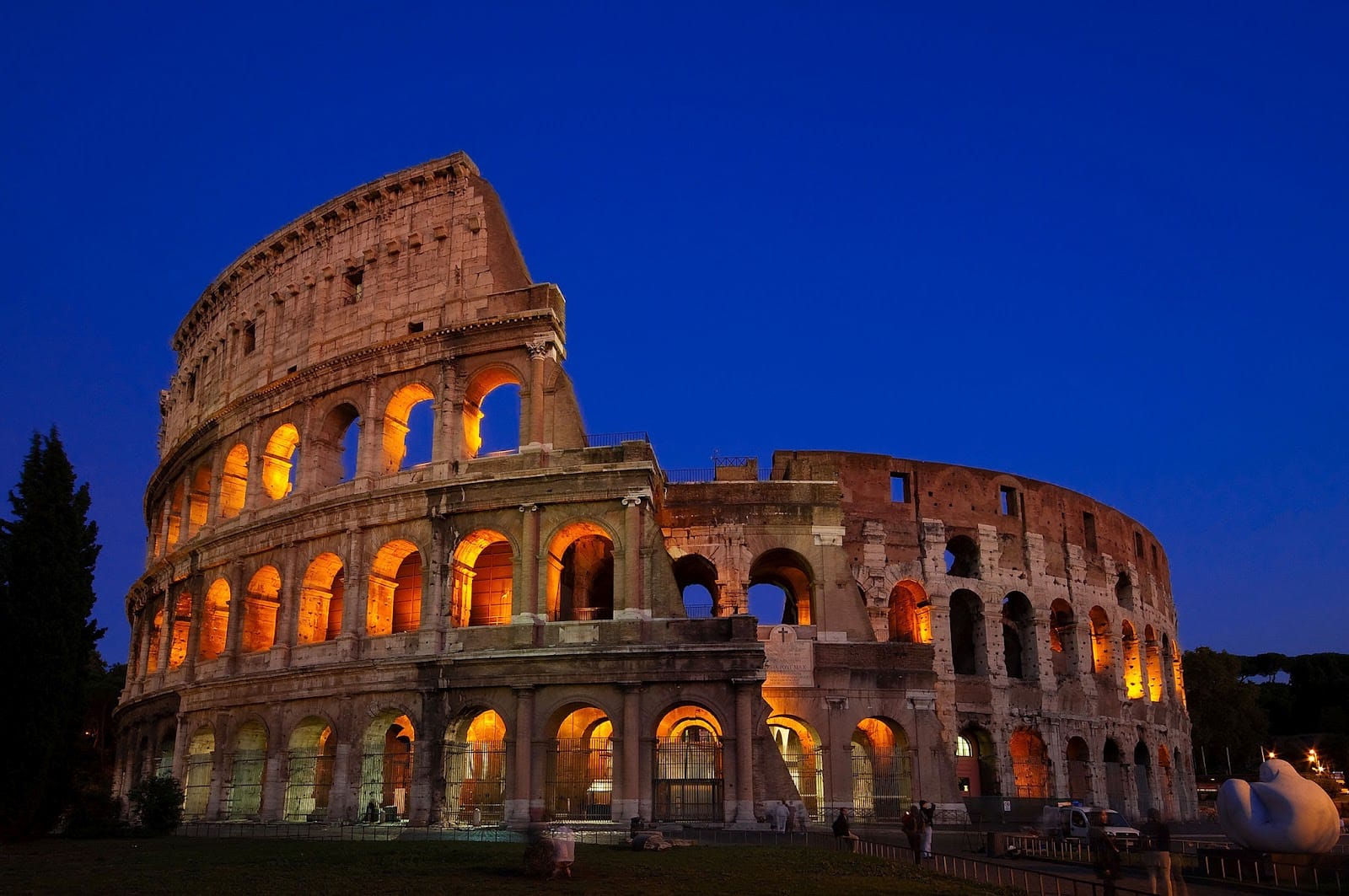
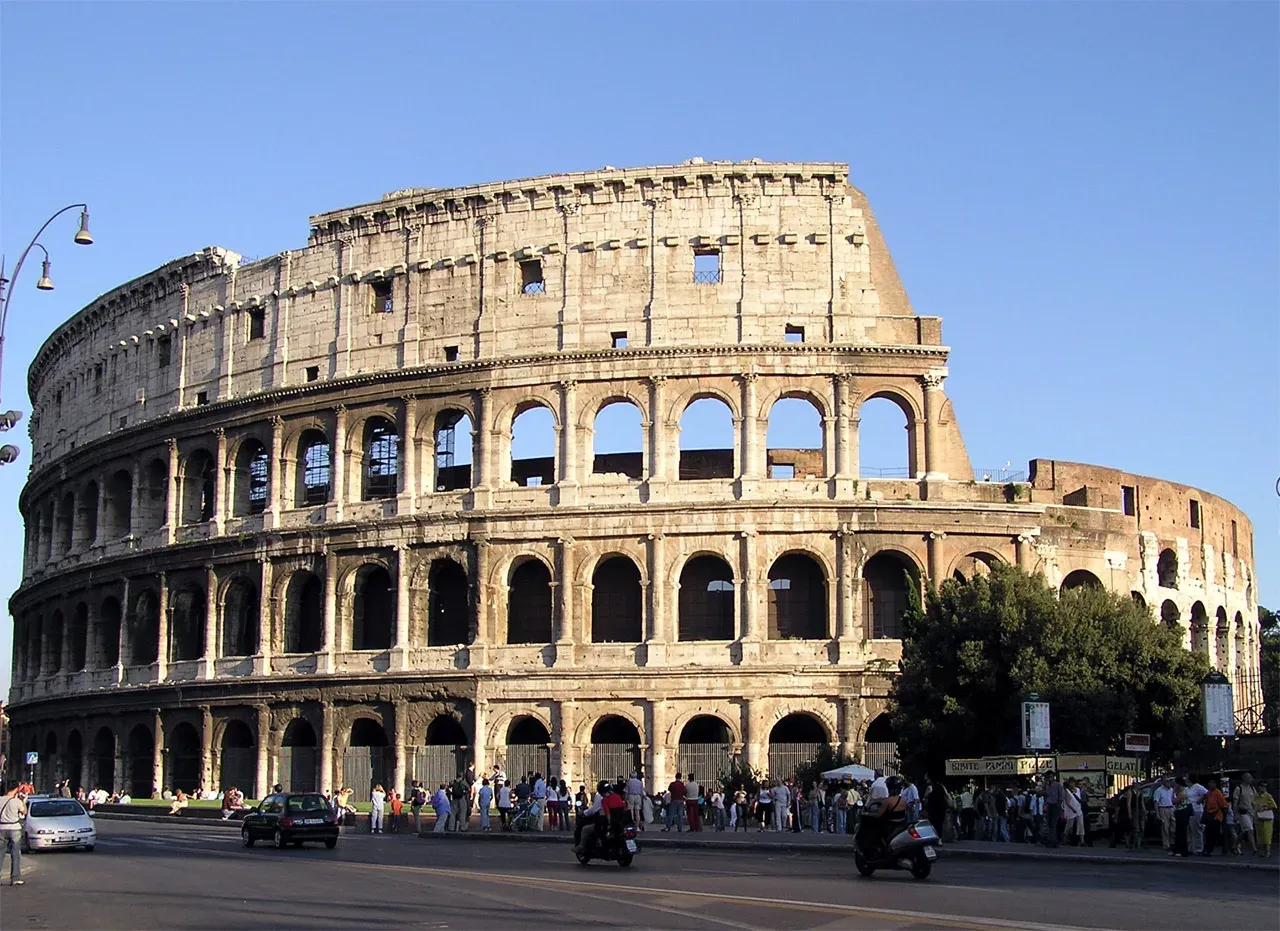
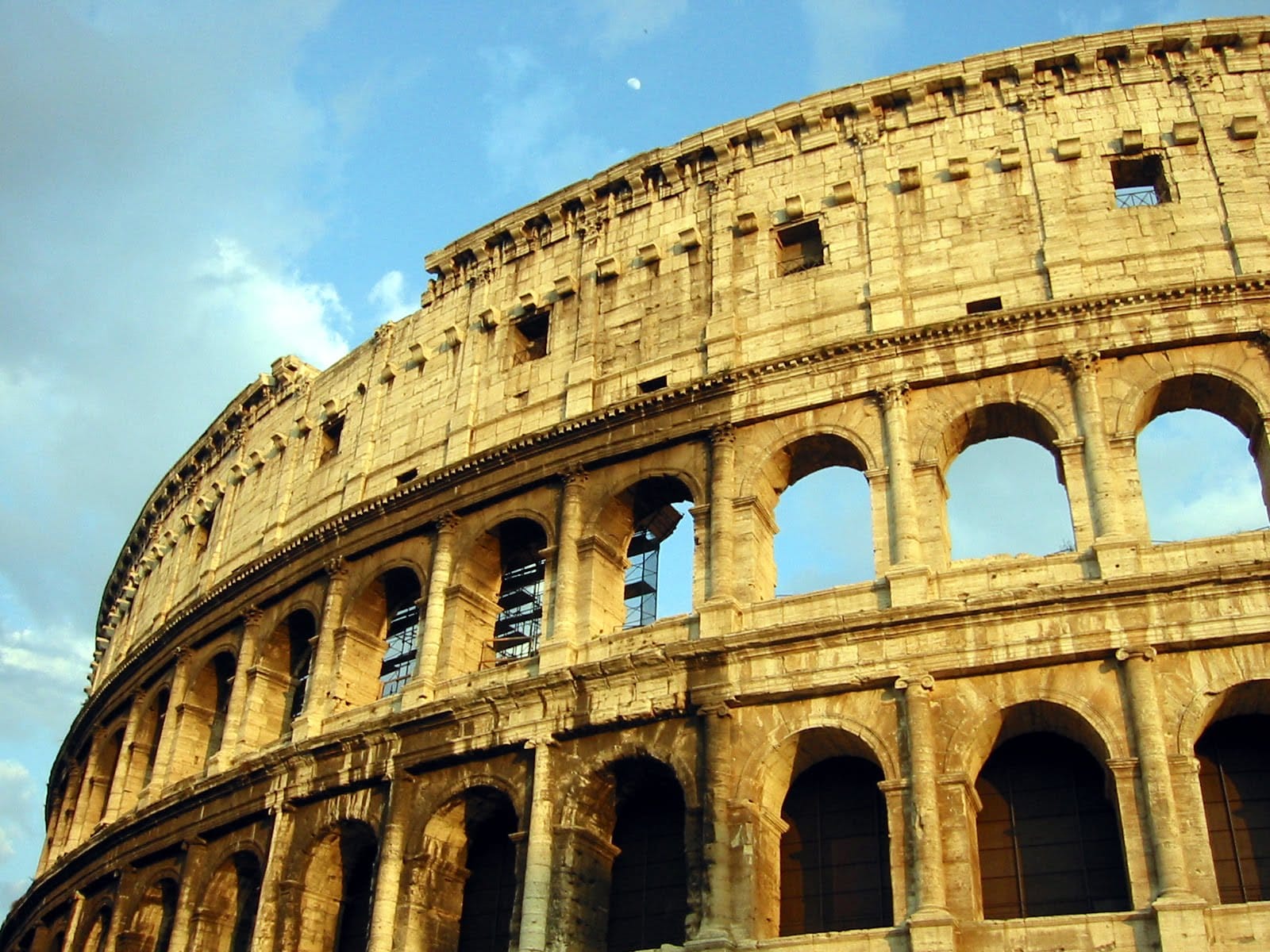
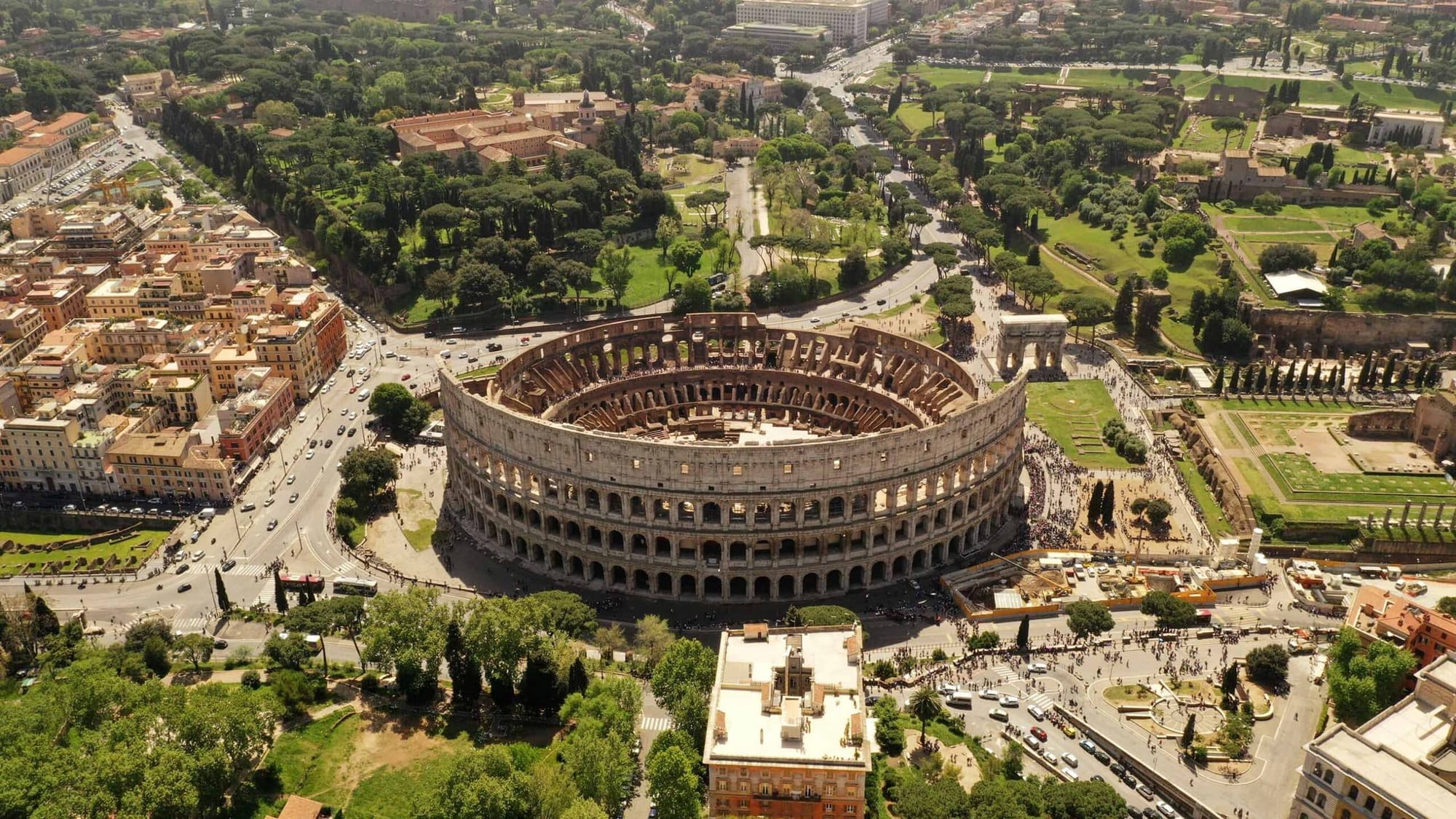
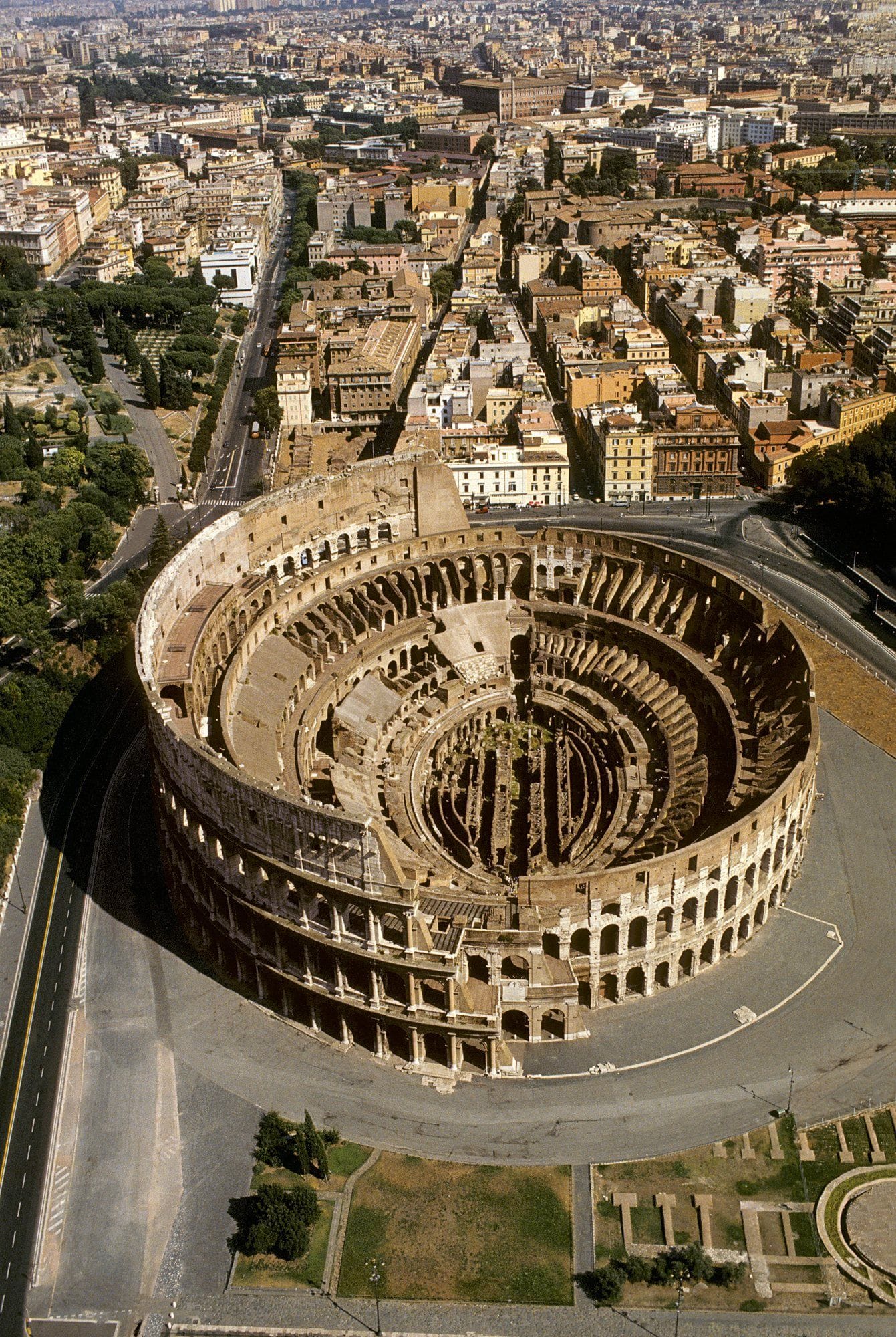
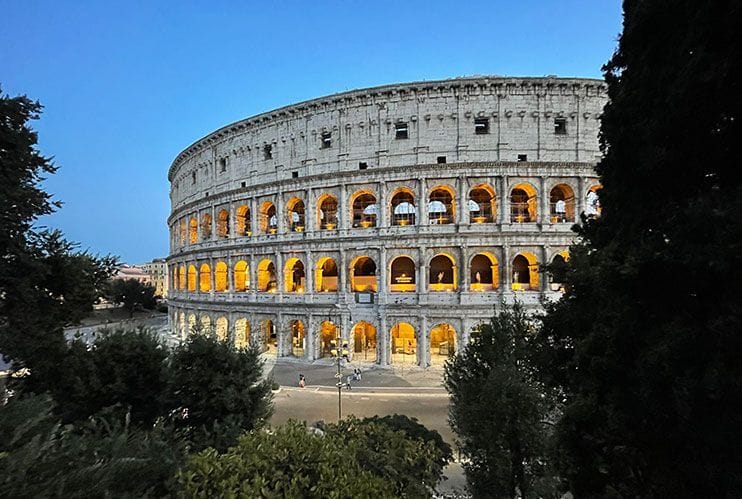
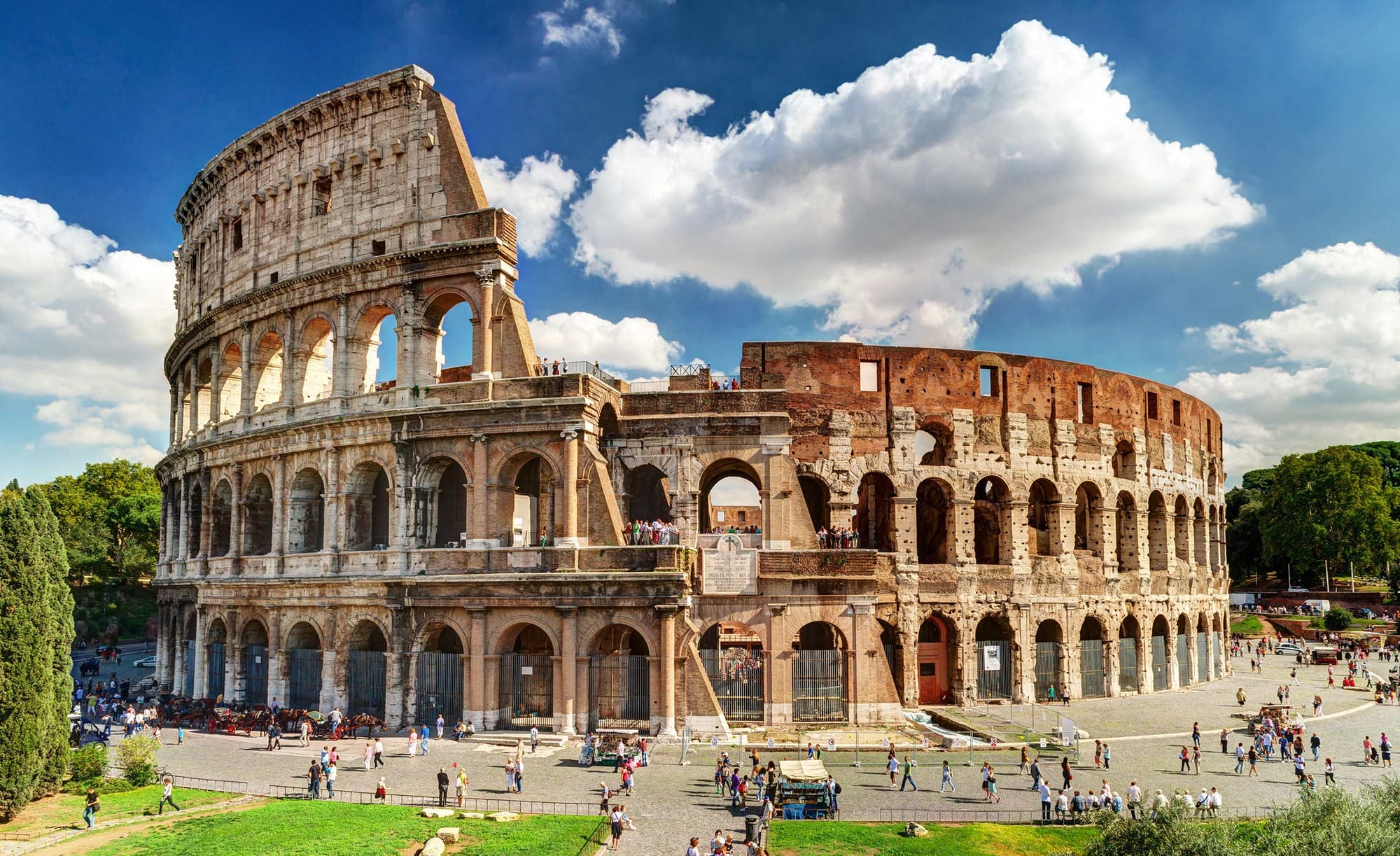
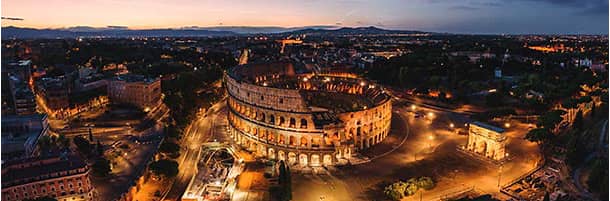
Also known as the Flavian Amphitheater, the Colosseum is an iconic Roman amphitheater built in the first century AD, famous for its gladiatorial shows and its impressive architecture.
Construction & Design
The Colosseum was ordered by Emperor Vespasian in 72 AD and was completed in 80 AD under the command of his son Tito.
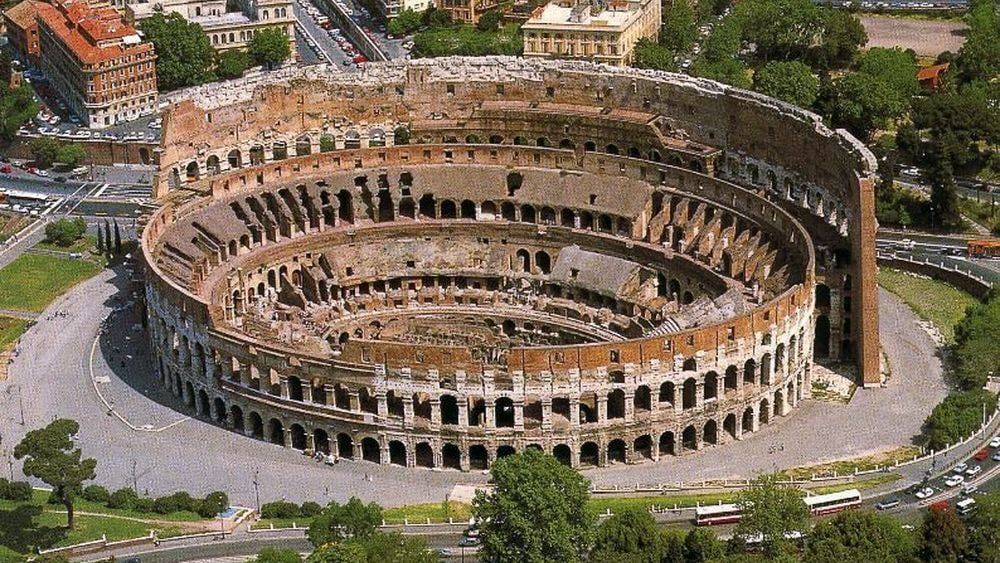
This amphitheater, located to the east of the Roman Forum, was the largest of its time, seating approximately 50,000 spectators.
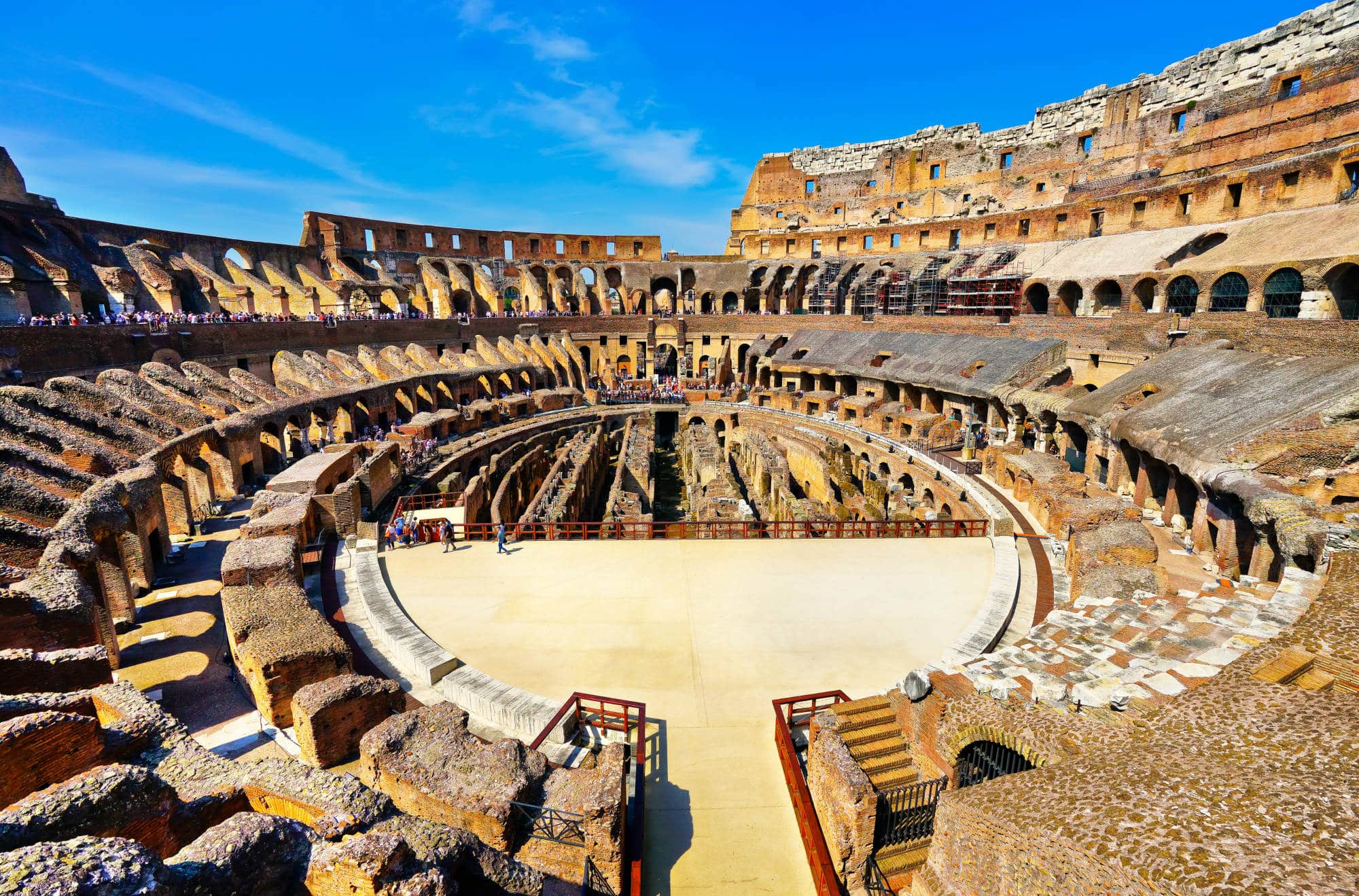
Its innovative design enabled it to be built on flat ground, using advanced techniques such as groin vaulting, a significant breakthrough in amphitheater architecture.
Use and Shows
The Colosseum was inaugurated with a gladiatorial show that lasted 100 days, during which combats, animal hunts, and other events took place.
These shows were a form of popular entertainment and a means for emperors to gain the people's approval.
Over the centuries, the Colosseum witnessed numerous events, including gladiatorial fights and battle re‑enactments.
Cultural Significance
Throughout its history, the Colosseum has symbolized the splendor of the Roman Empire and its cultural legacy.
Although it suffered damage from earthquakes and the passage of time, it remains an important tourist site, attracting millions of visitors each year.
Its history reflects not only the grandeur of ancient Rome, but also its social and political complexity.
Today, the Colosseum is one of the most recognizable monuments in the world and a symbol of Roman history.
Conservation efforts have been undertaken to preserve its structure and ensure it remains a place of interest for future generations.
Conclusion
In short, the Colosseum is not only a testament to Roman architecture but also a reminder of the rich history and culture of ancient Rome.
Its construction, use, and evolution over the centuries make it a place of great historical and cultural significance.