Thailand
A series of photos, posts and descriptions in memory of ten years immersed in the charm and sensuality of its inhabitants of its nature and its forests, islands, beaches, cities and villages.
Ten years ago:
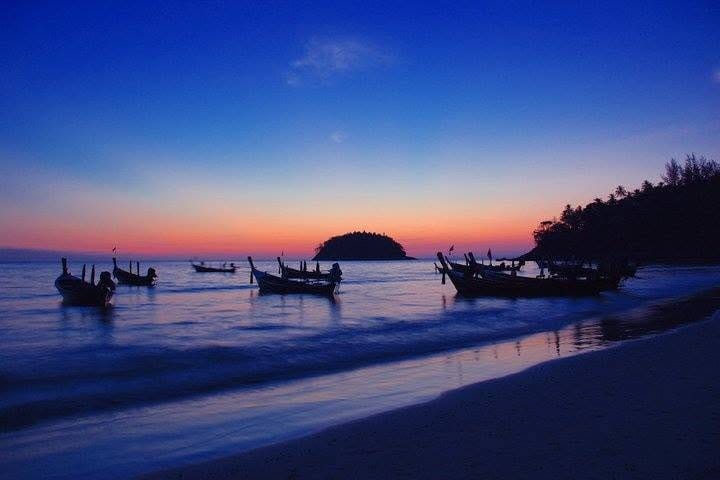
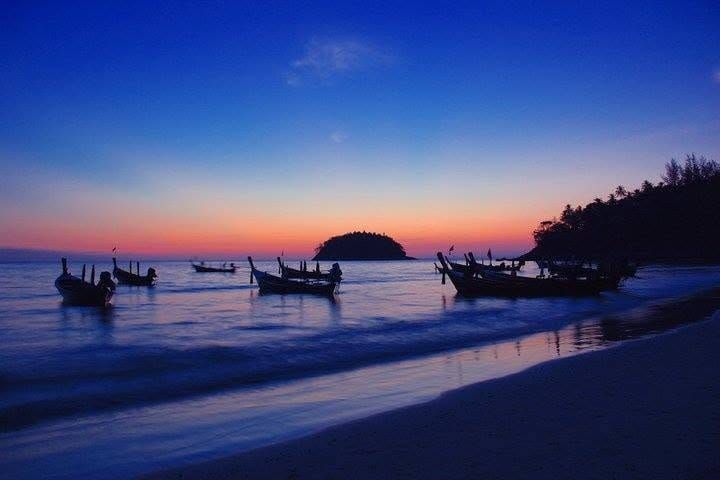
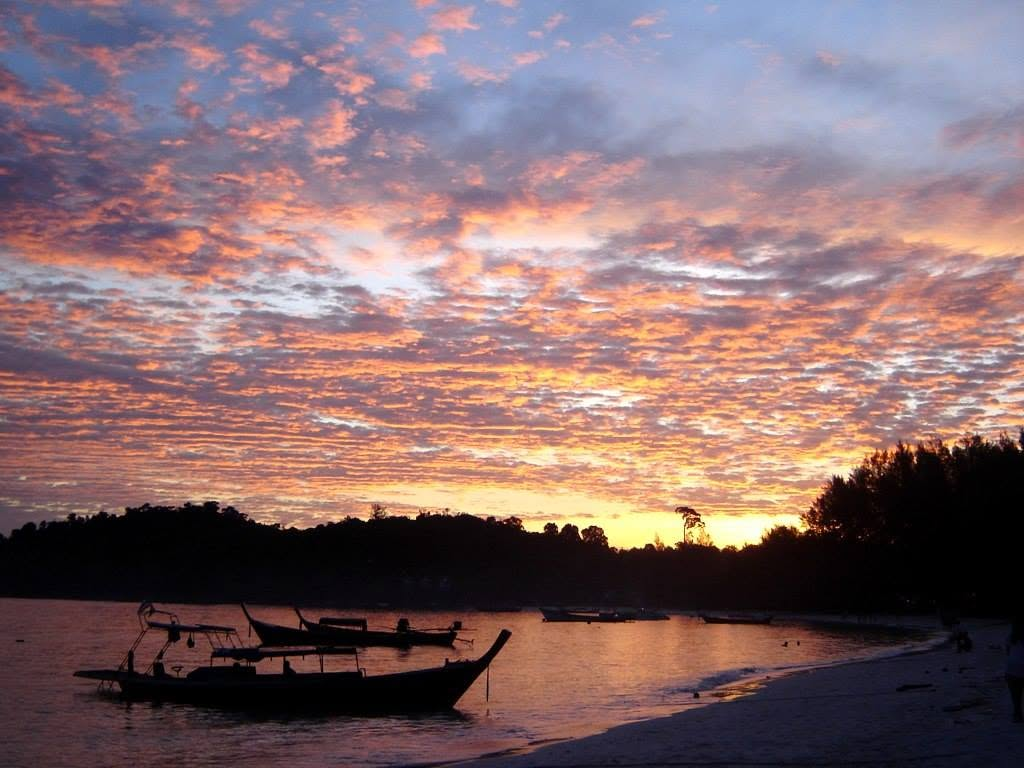
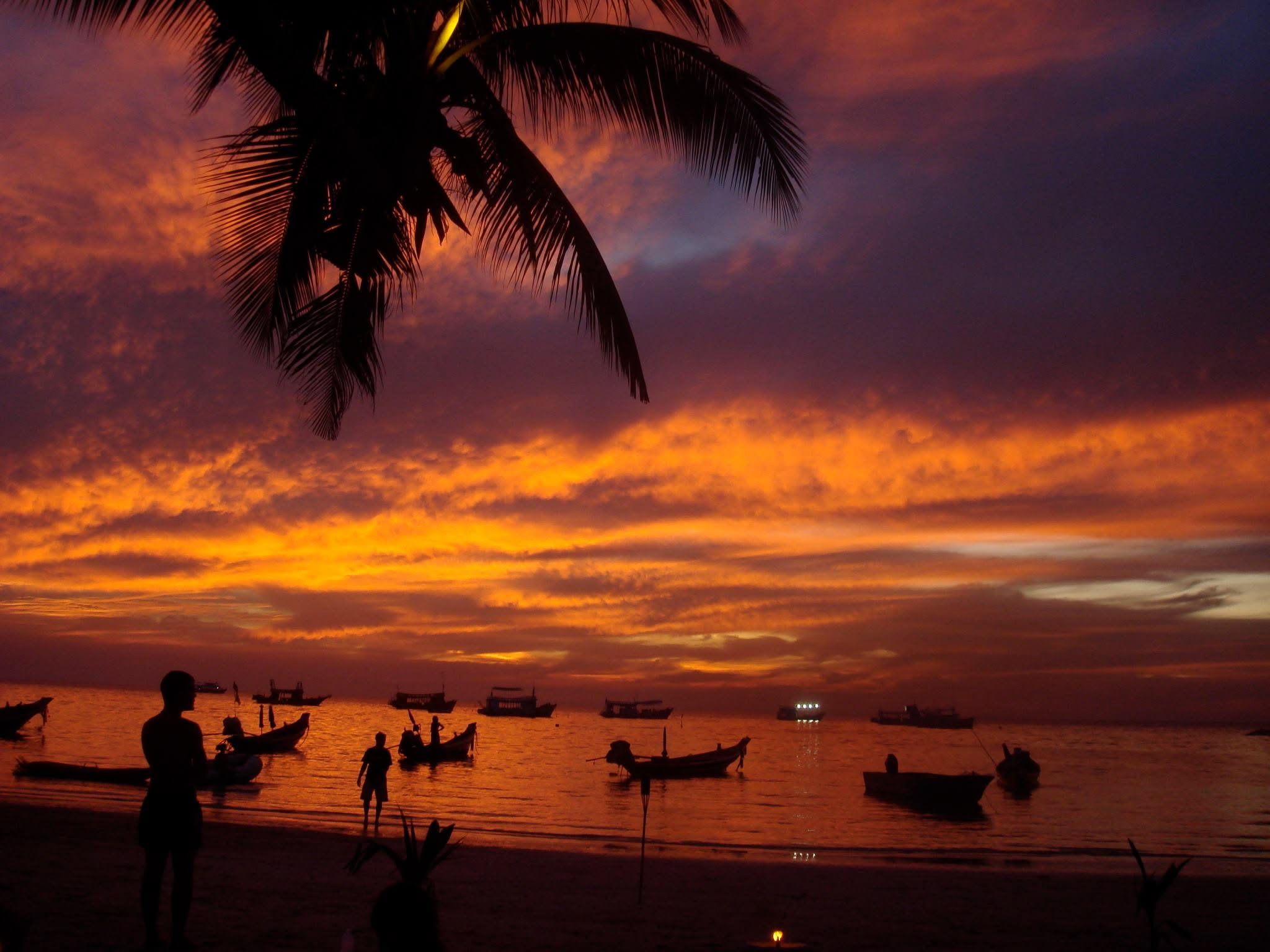
Boats drifting like thoughts that refuse to return to shore. The sun sinks slowly, as if it promised someone not to make noise. You stood there watching the world turn orange, unaware that one day that light would come looking for you again.
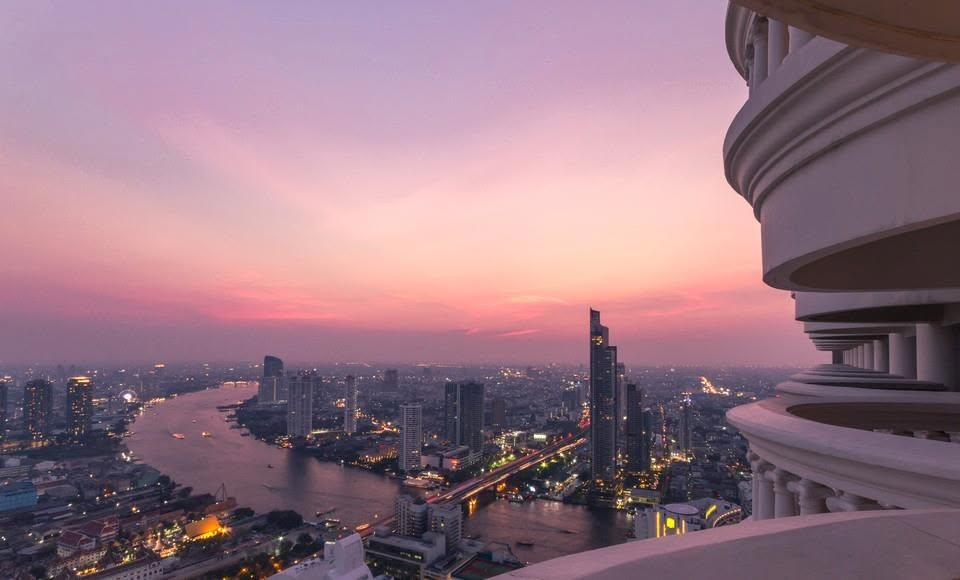
A name that isn’t a place but a breath.
A country you don’t visit — it enters your bones, changes your rhythm, teaches you to walk slower.
Thailand tastes of mango, warm rain, and smiles that ask for nothing.
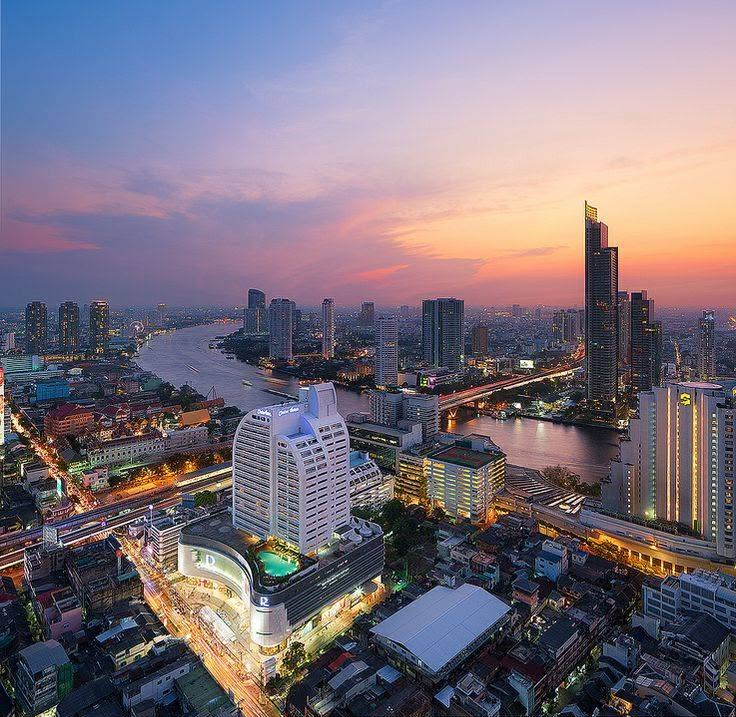
The river doesn’t flow — it carries. It drags the sound of markets, the scent of Thai basil, the prayers of temples, the reflections of skyscrapers showing off in the water. The Chao Phraya is an ancient creature: it watches you, recognizes you, forgives you.
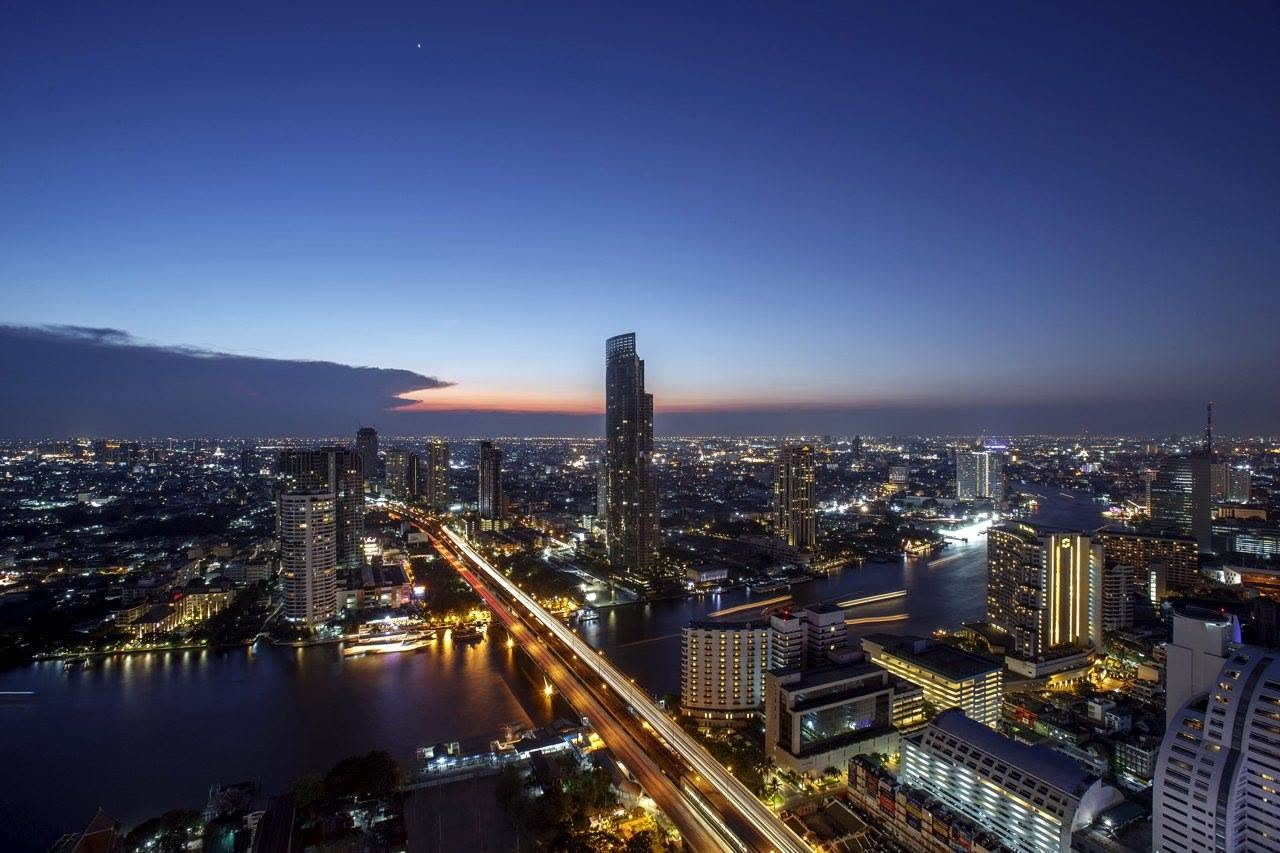
A bridge is always a promise. Here, the promise is double: it connects the modern city to the invisible one — the one made of boats, monks, and children laughing in the water. Below, the river sings a song you never understood but always felt.
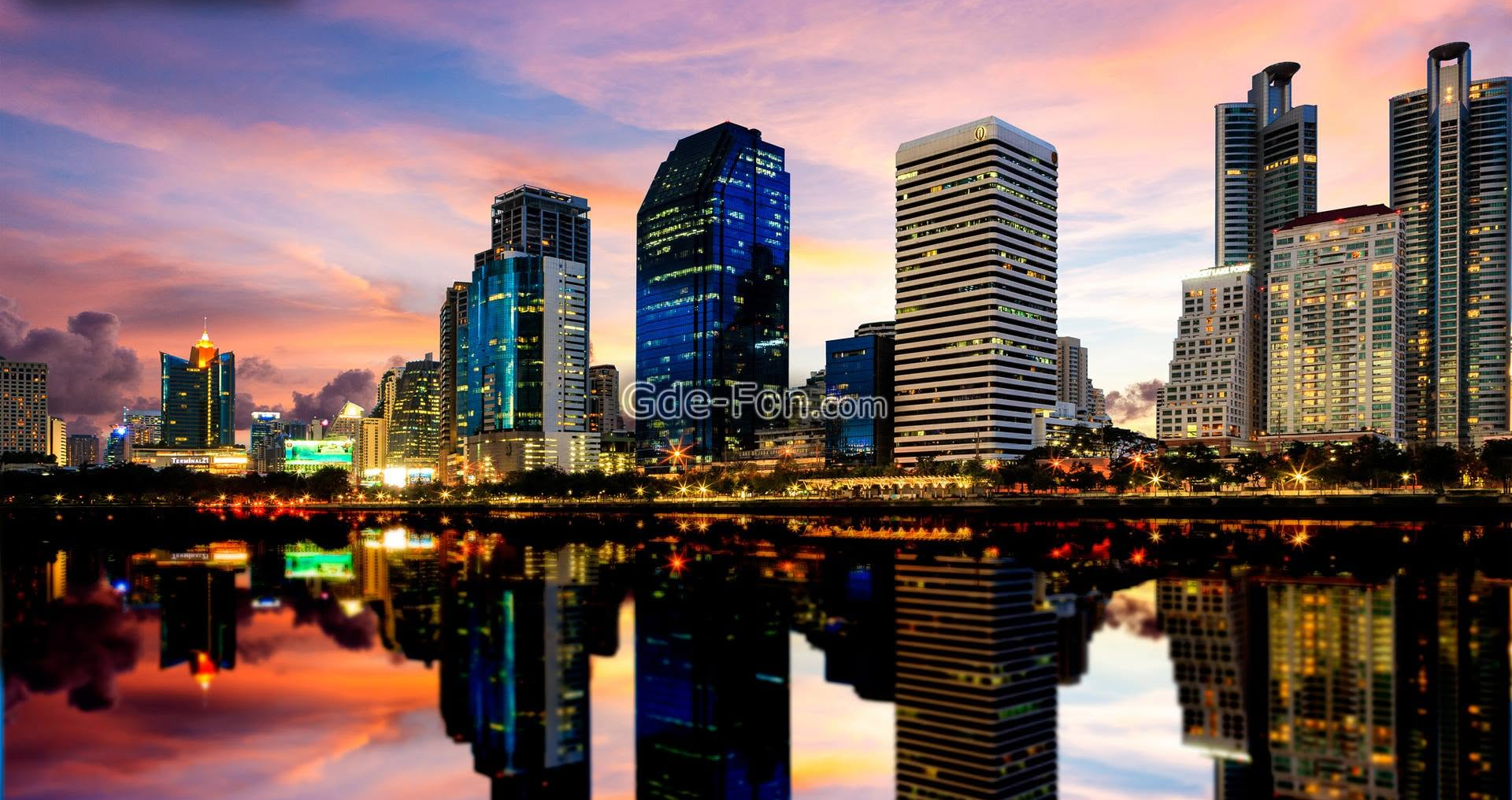
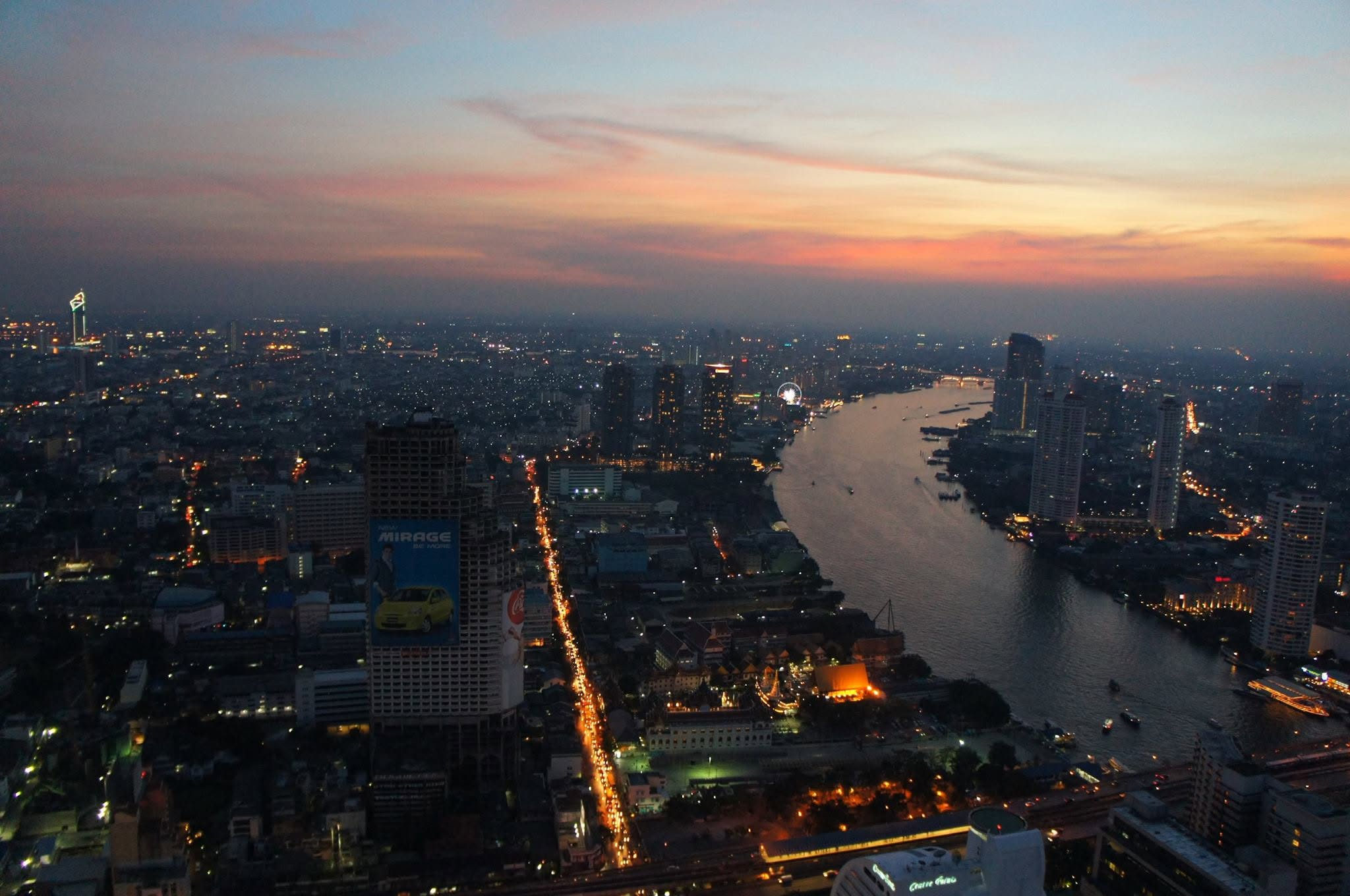
The city doesn’t stand on land — it stands on water. Bangkok floats, vibrates, moves like an endless market that never sleeps. You captured a moment that no longer exists, yet still moves inside you.
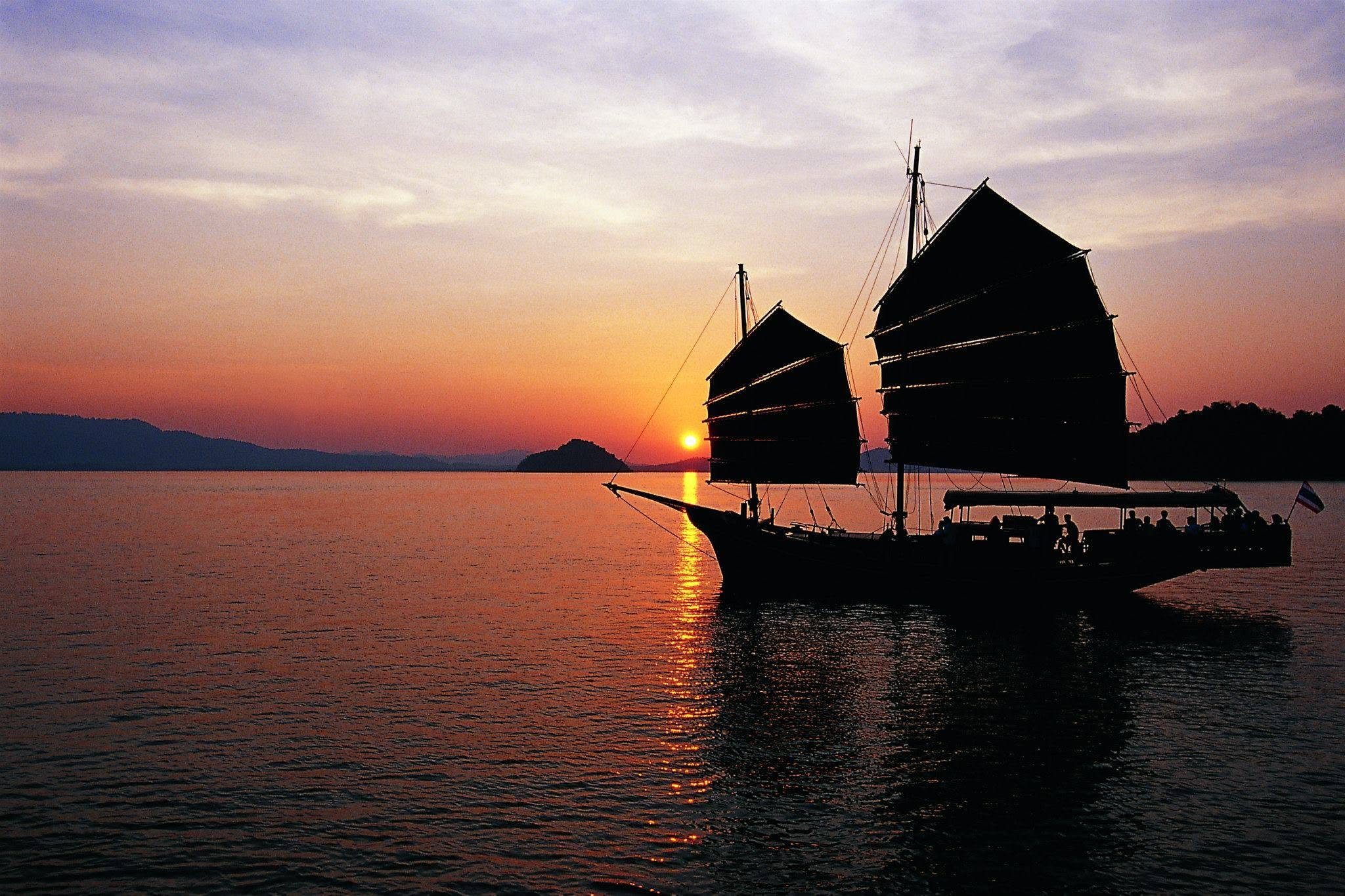
A boat that seems carved out of an old tale.
Dark wood, worn ropes, a man who doesn’t look at the camera because he’s speaking with the wind.
That boat doesn’t travel — it remembers.
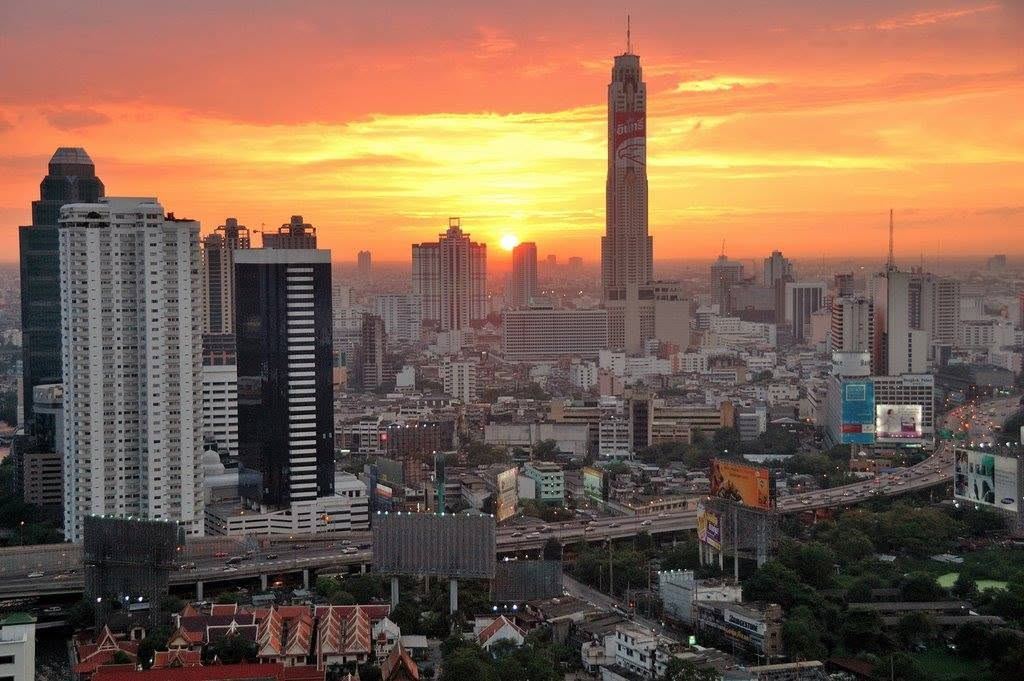
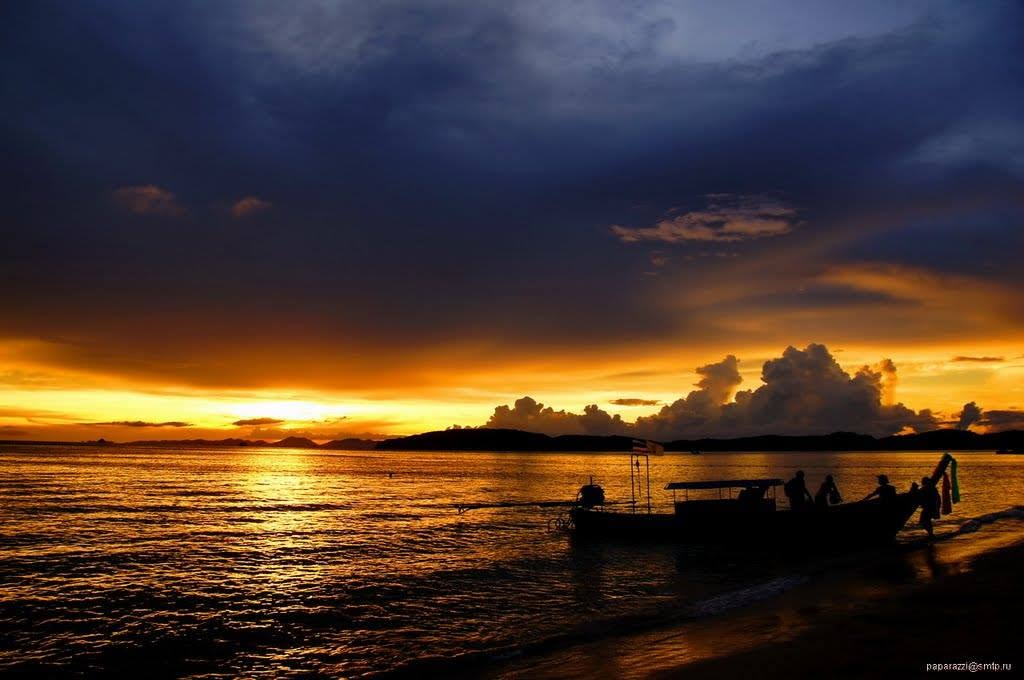
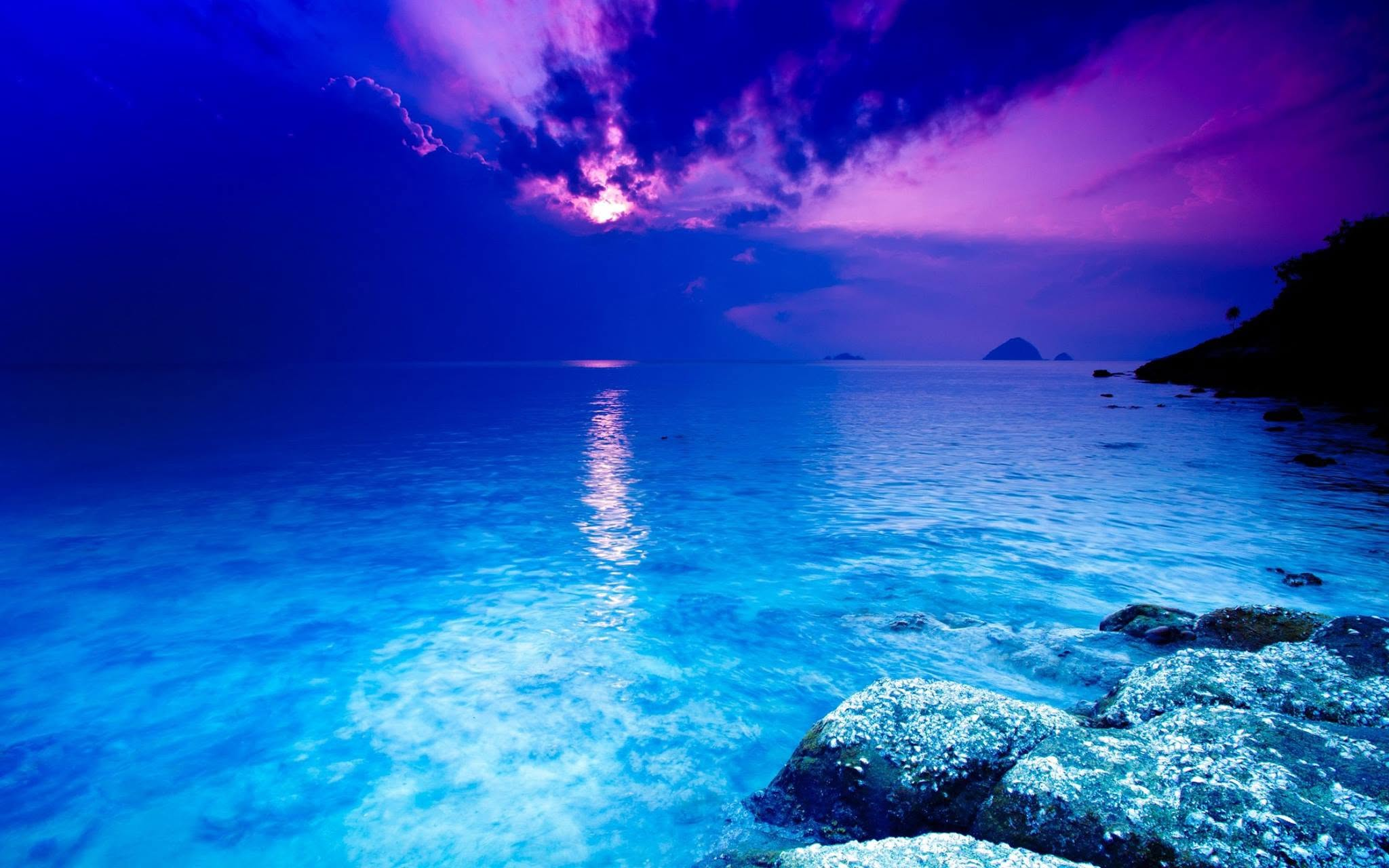
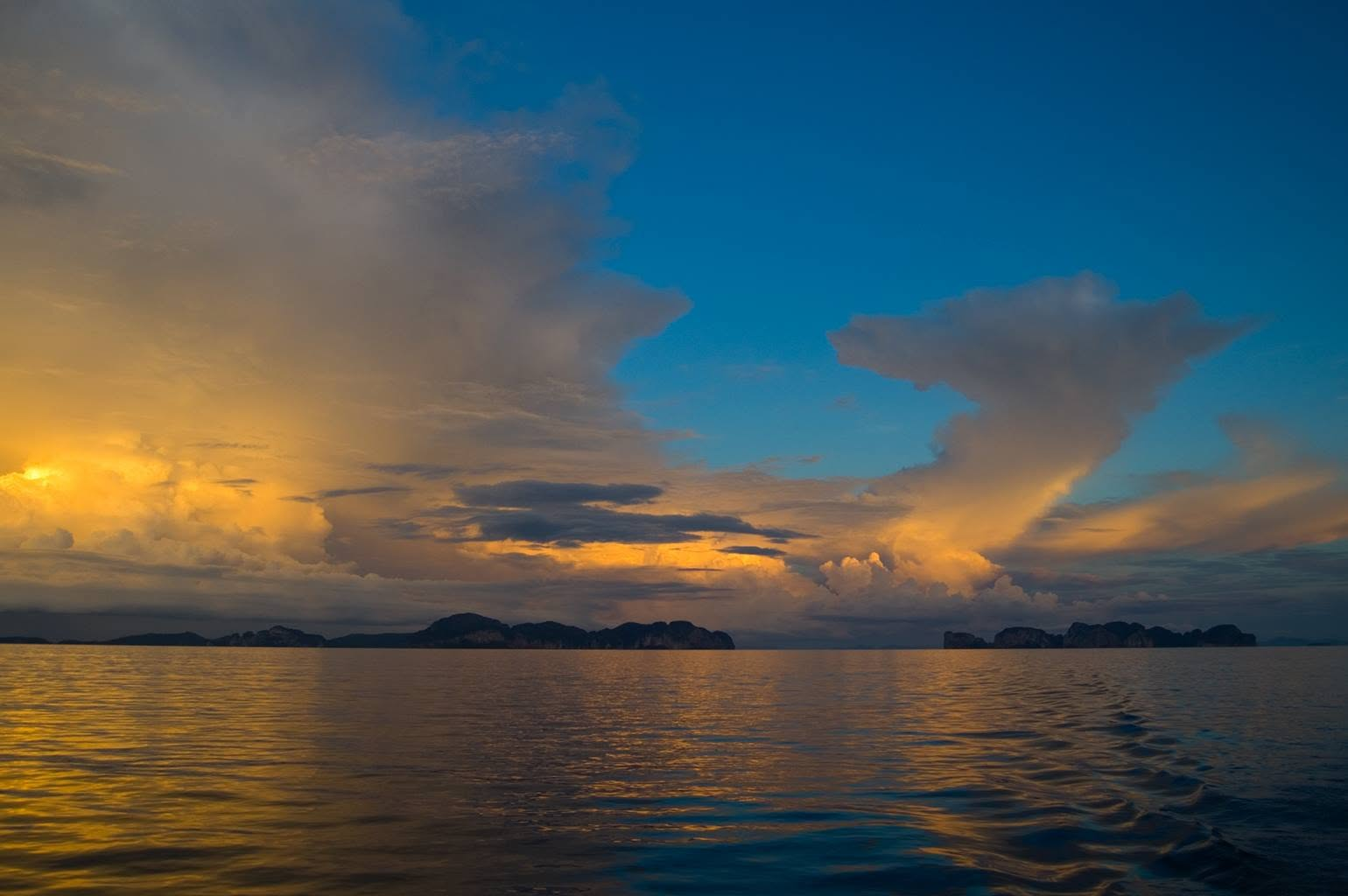
The sea stretches like a tired animal.
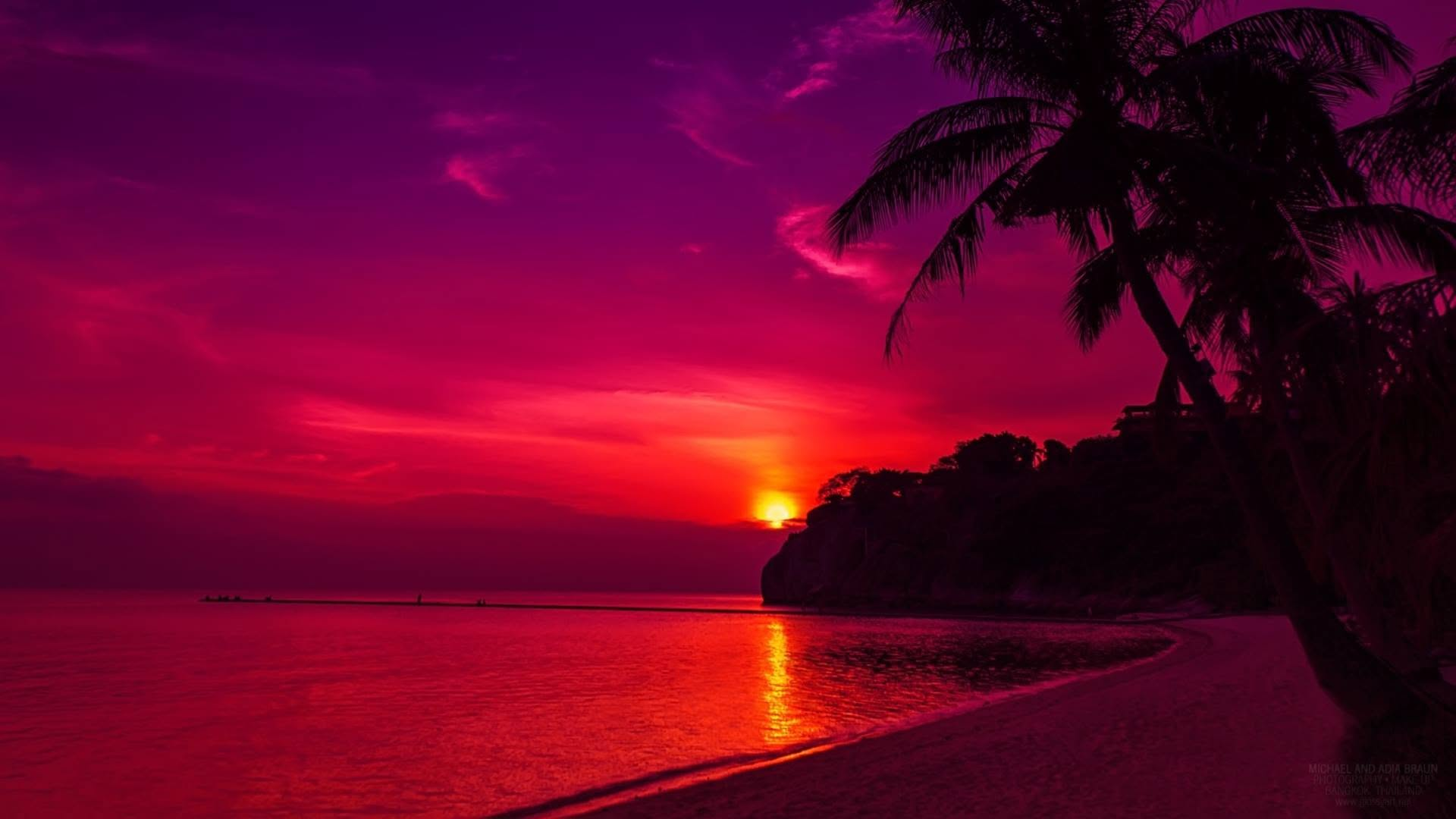
The light becomes liquid, and you feel the day isn’t ending — it’s simply changing skin.
Every Thai sunset is a farewell that doesn’t hurt.
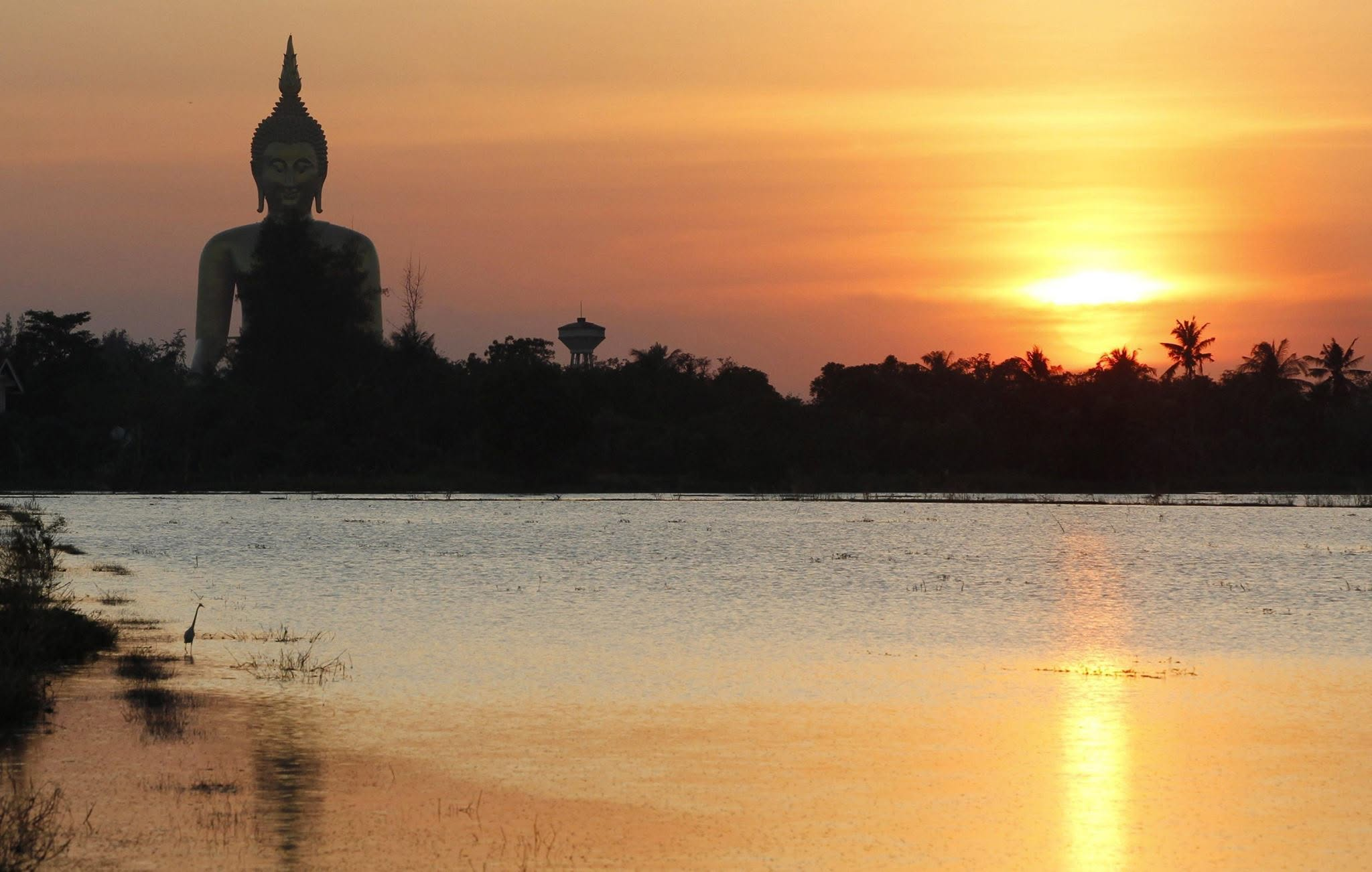
The Buddha doesn’t watch the sun — he listens. Light slides over his shoulders like a silent blessing. You photographed a moment that wasn’t meant for you, yet was given to you anyway.
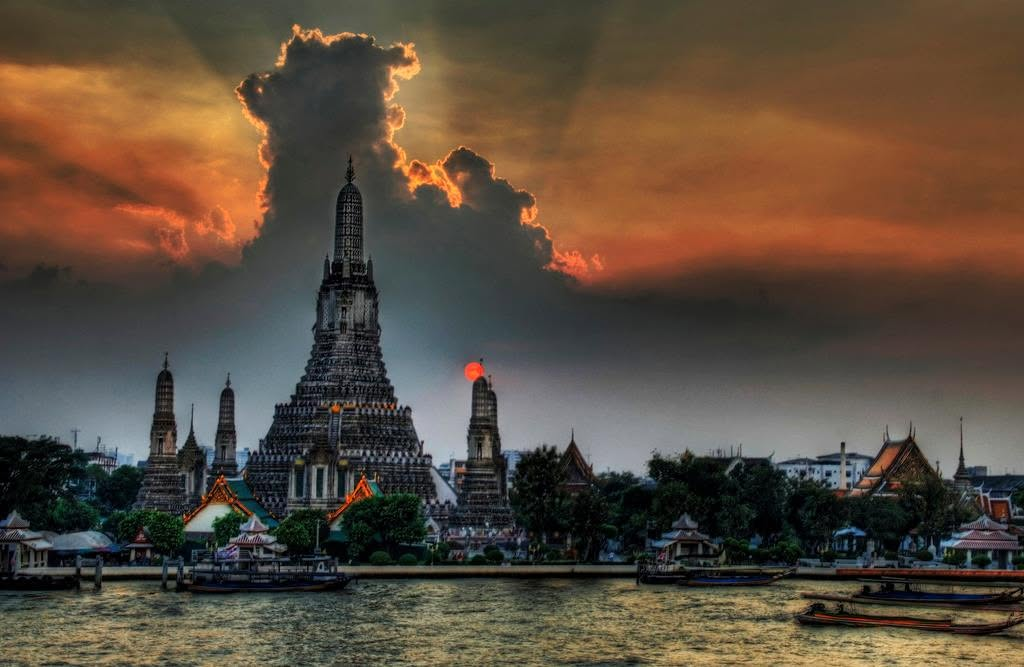
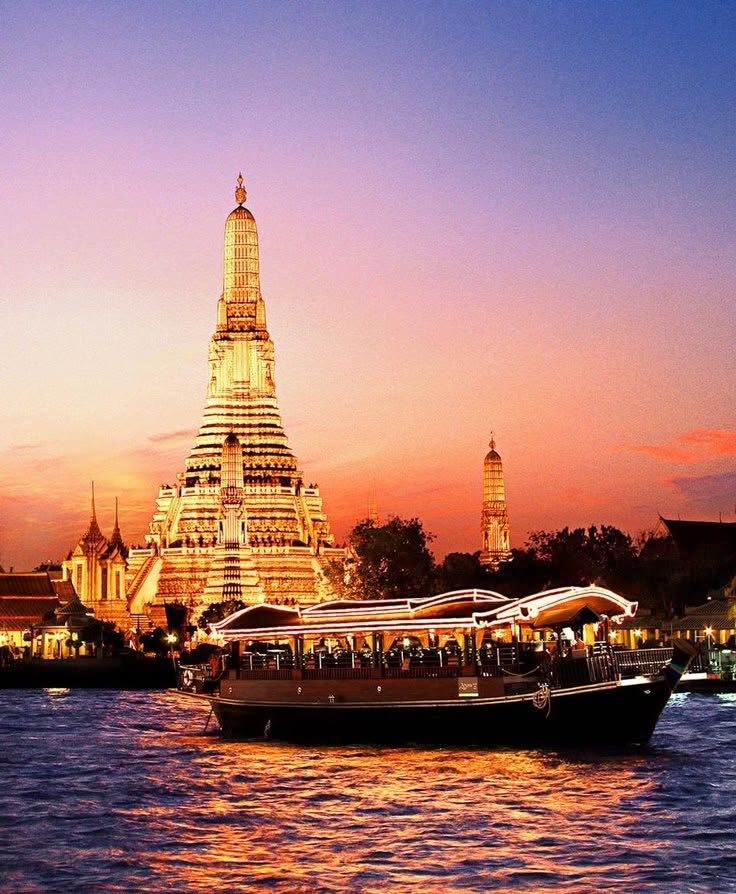
The temple turns into molten gold. Every stone seems to breathe. Wat Arun at sunset is a prayer without words, only light.
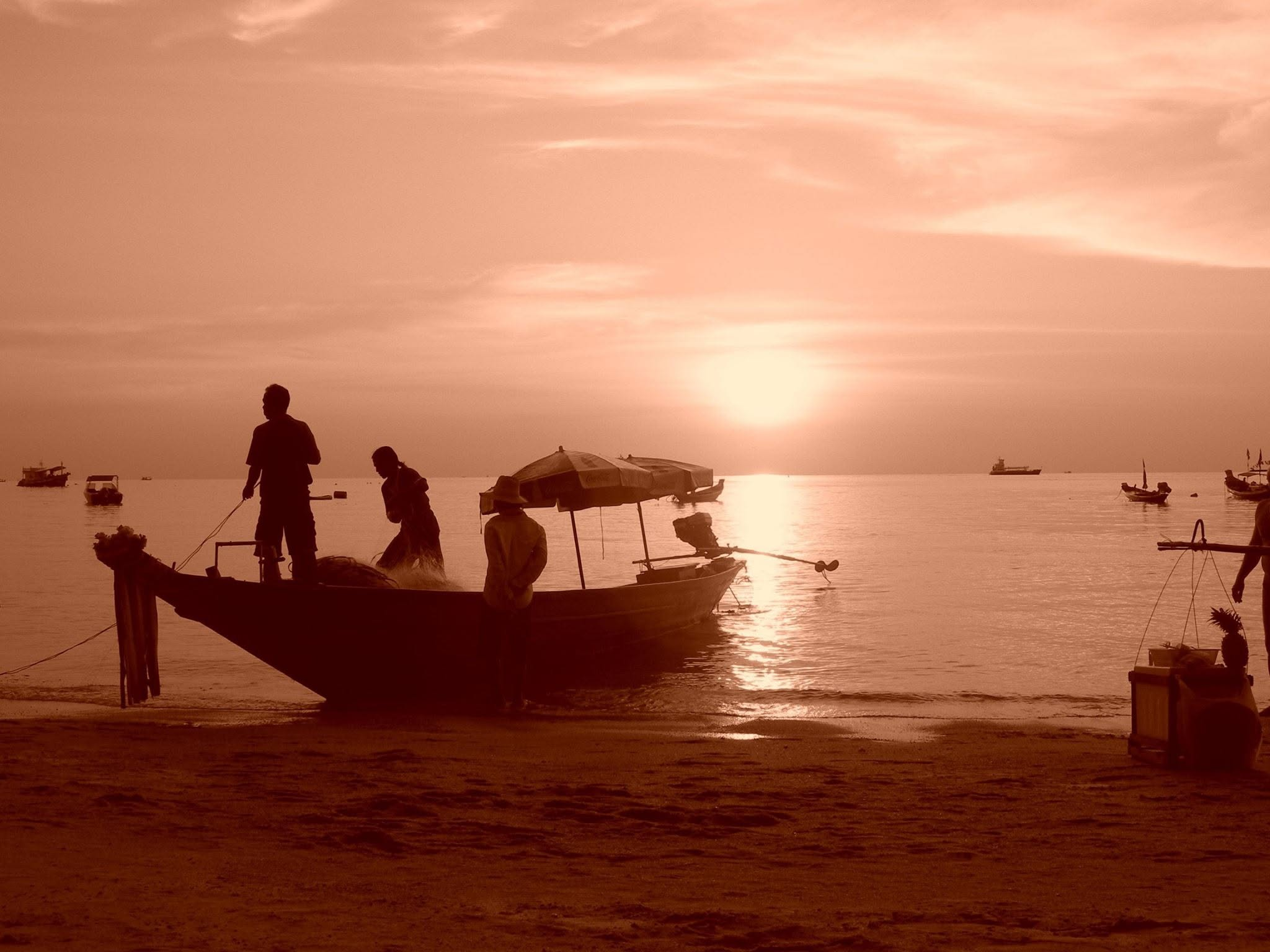
A boat full of voices, laughter, people who don’t know where they’re going but are happy anyway.
Thailand is like that: it carries you, guides you, lets you go.
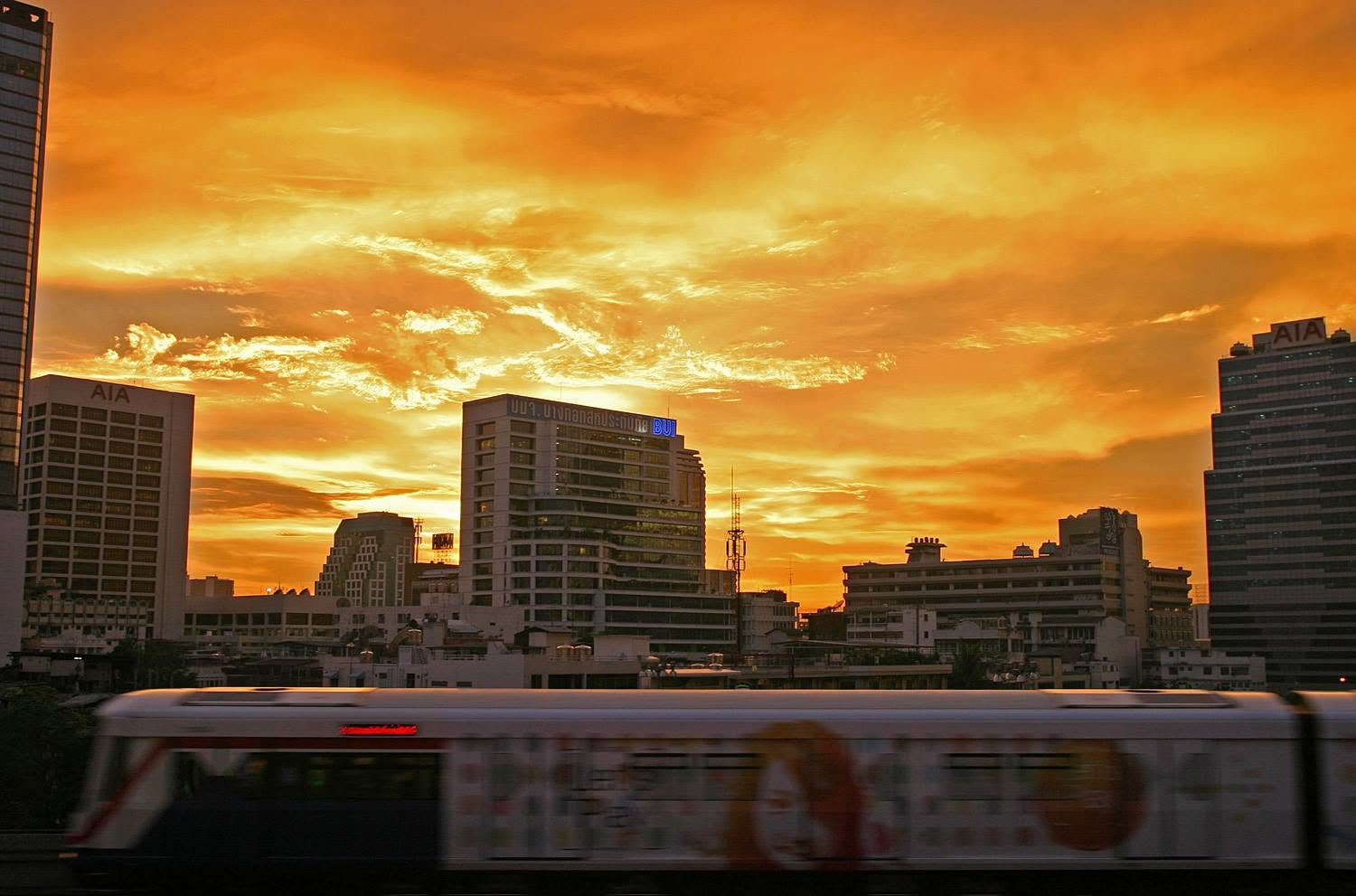
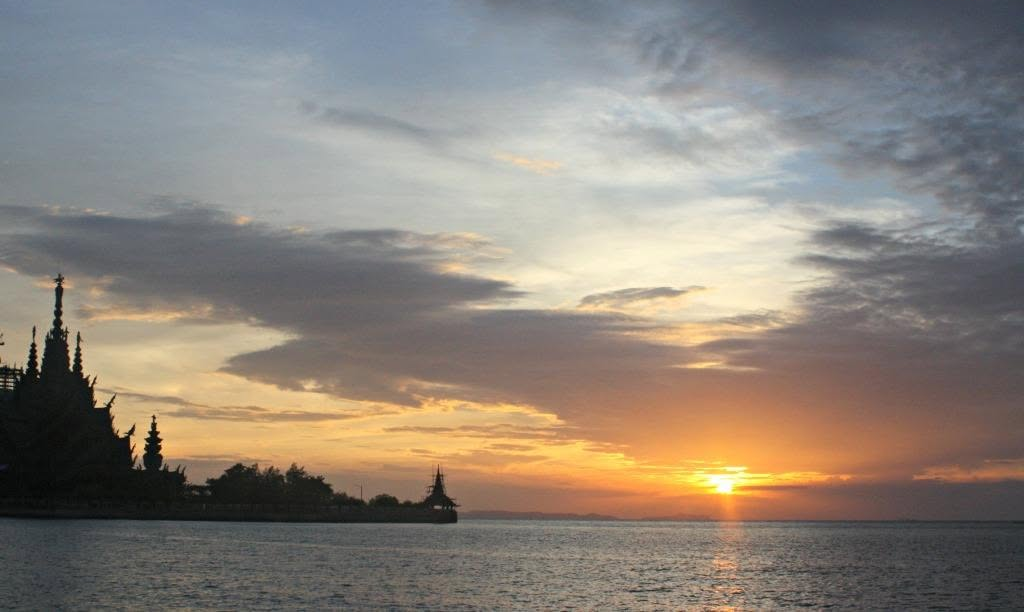
A temple becoming shadow and light at the same time. The sacred isn’t inside — it’s everywhere around it.
A corridor of stories. Every boat is a chapter, every wave a memory.
Ancient beauty meets modern curiosity. The temple doesn’t judge — it observes.
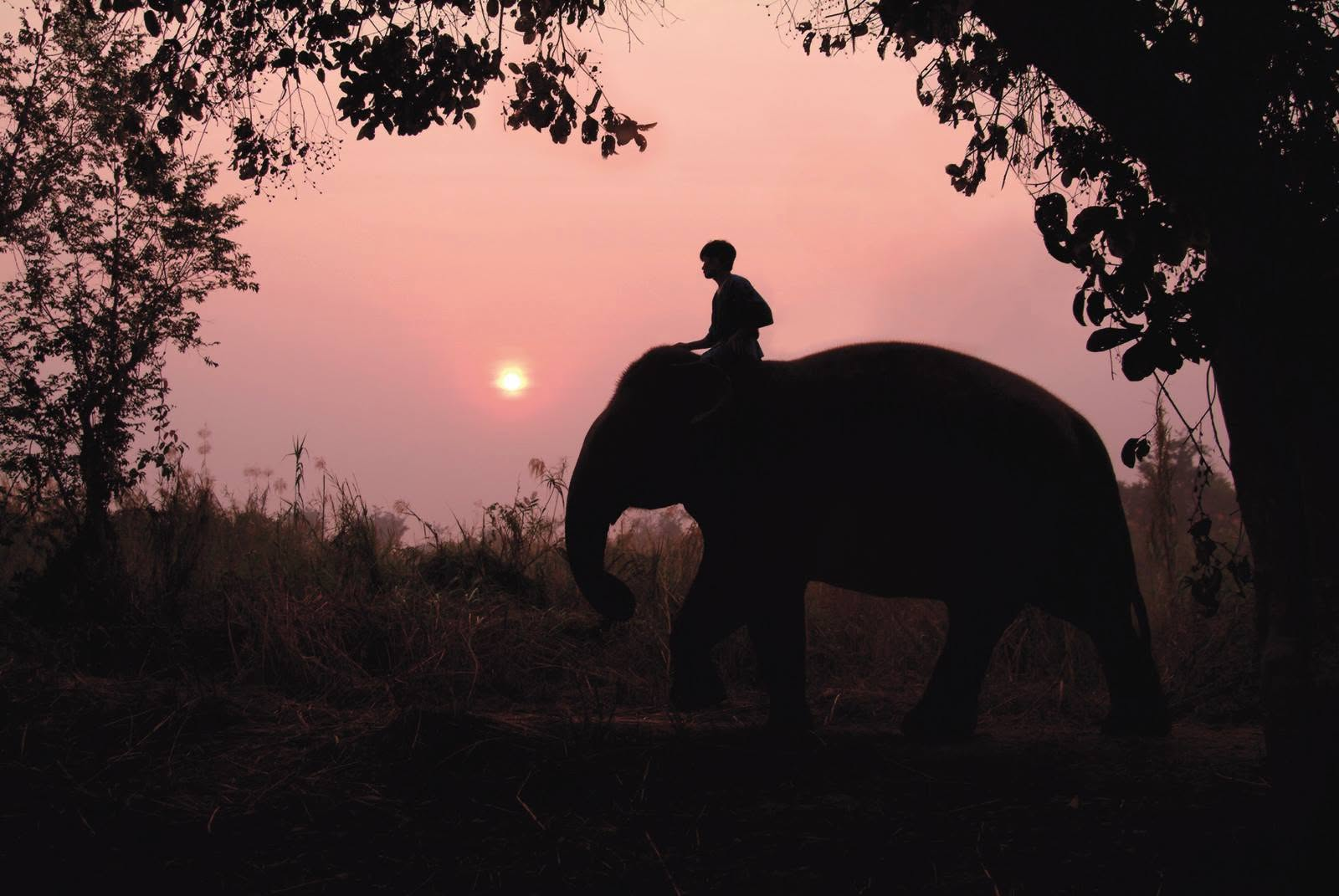
A giant and his keeper. A bond that cannot be explained, only felt. The elephant is a continent walking on four legs.
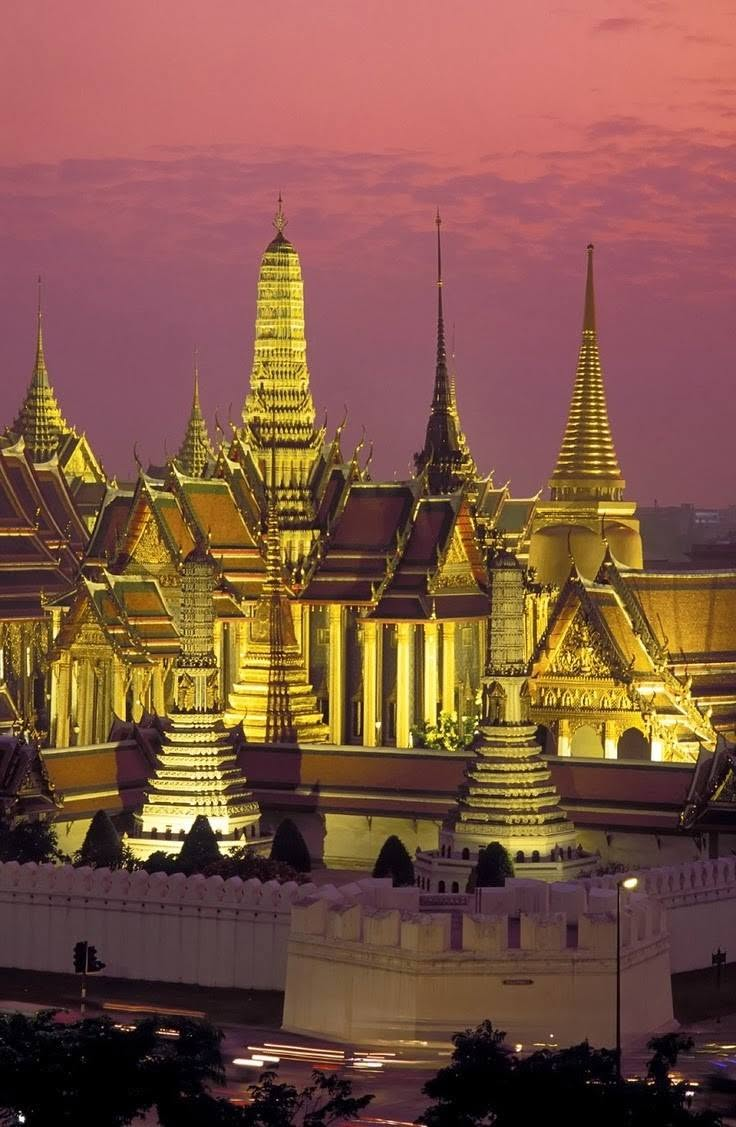
Gold, silence, long shadows.
The city of the king isn’t a place — it’s a gesture.
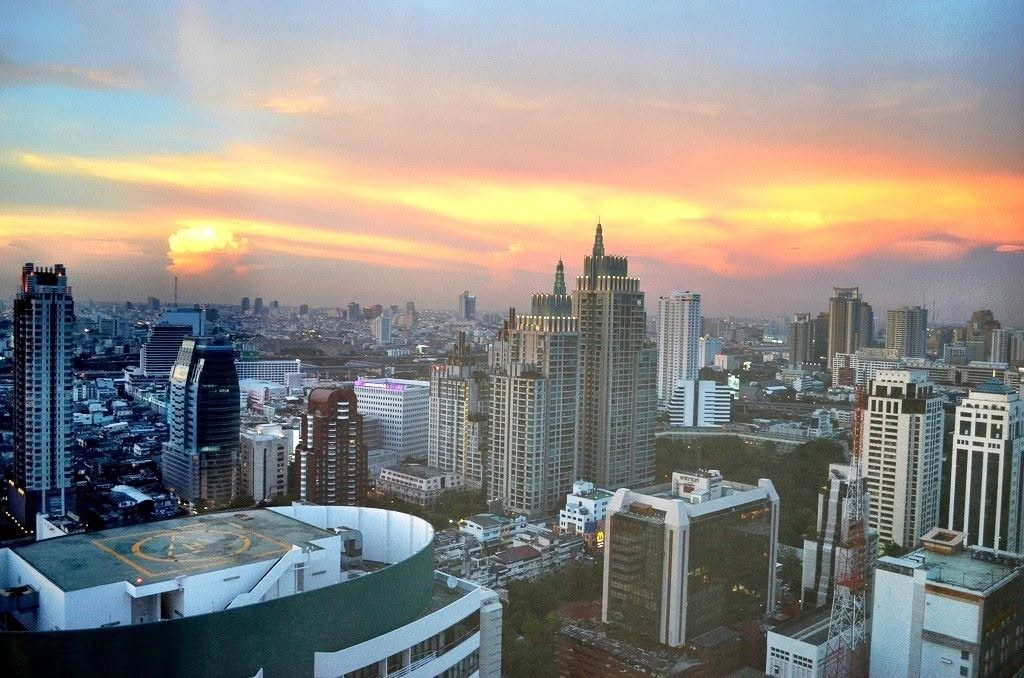
A city rising toward the sky, yet never forgetting the river. Steel and water, side by side.
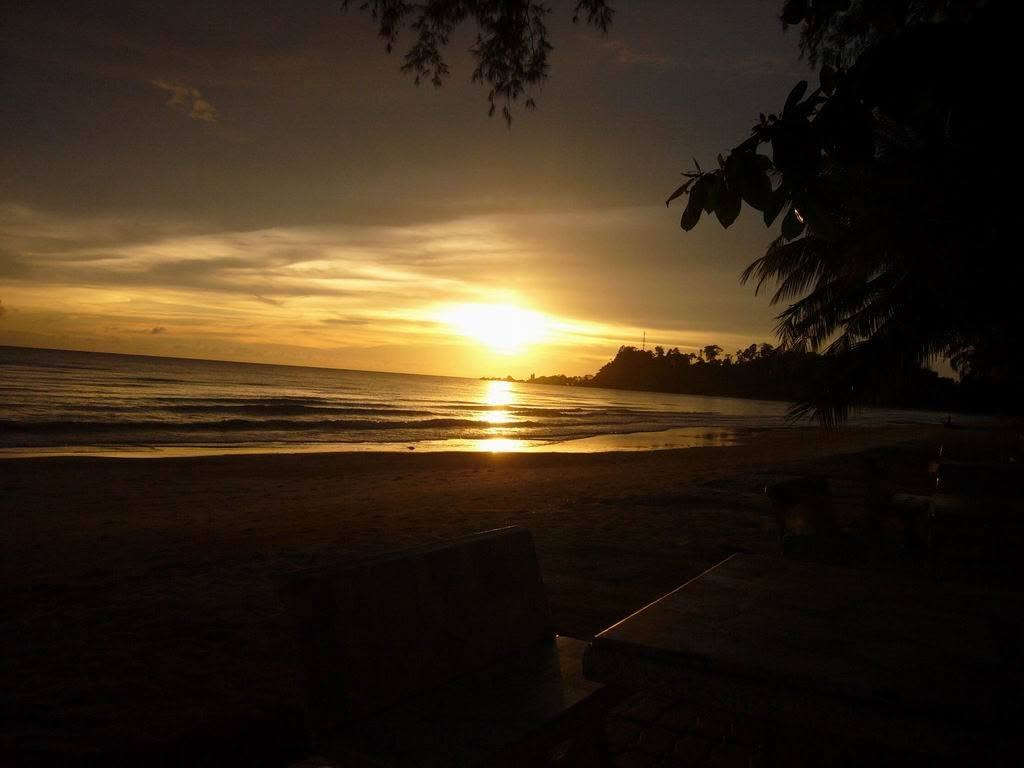
The sea closes like a curtain.
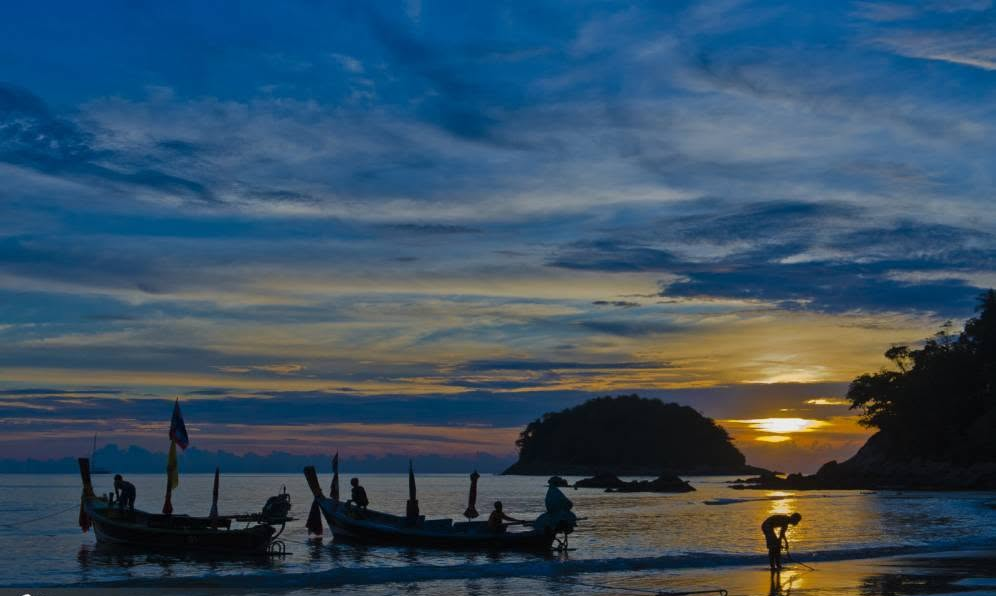
A boat leaving at dawn. Work becomes poetry when you watch it from afar.
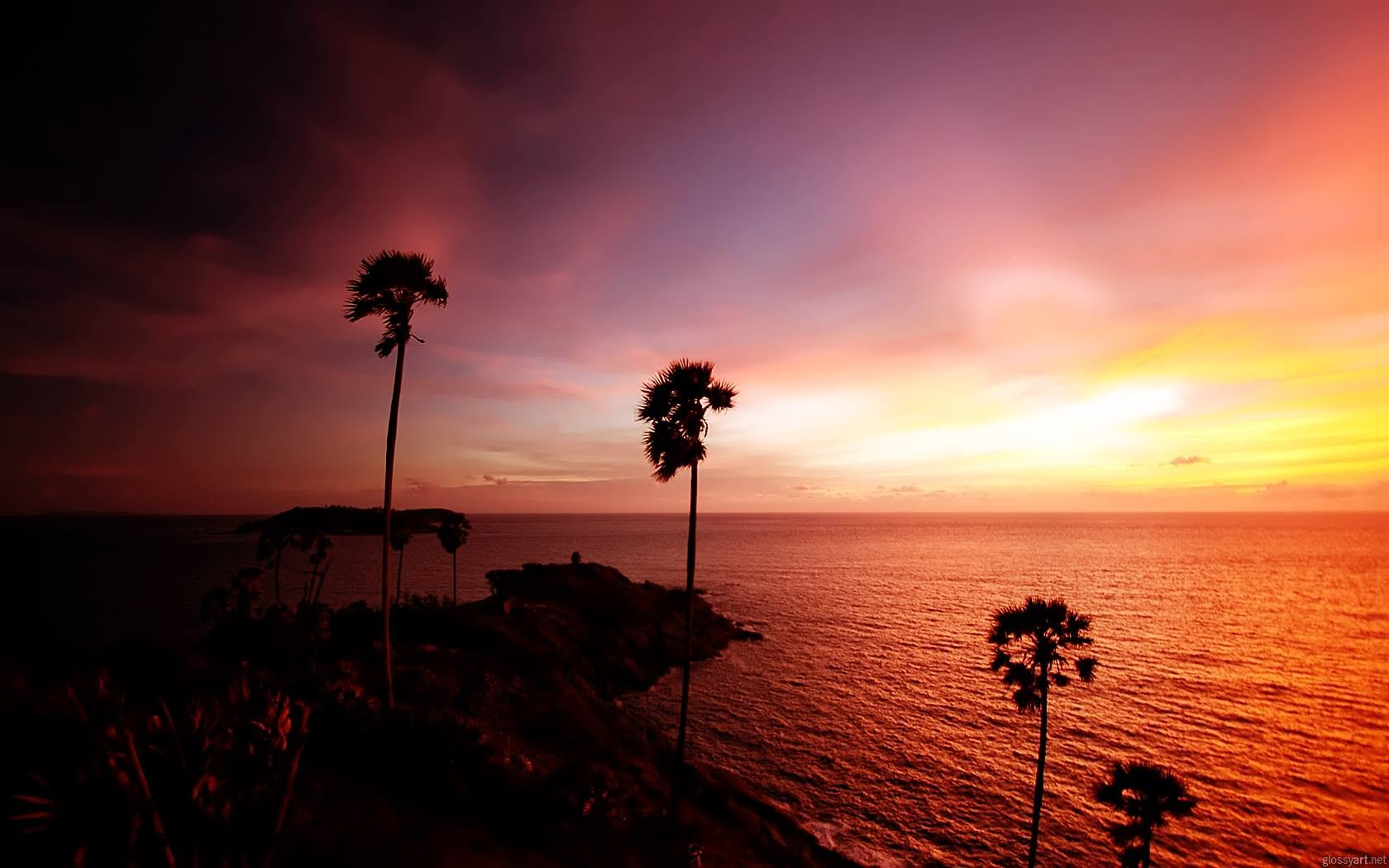
A headland shaped like a thought you never said aloud.
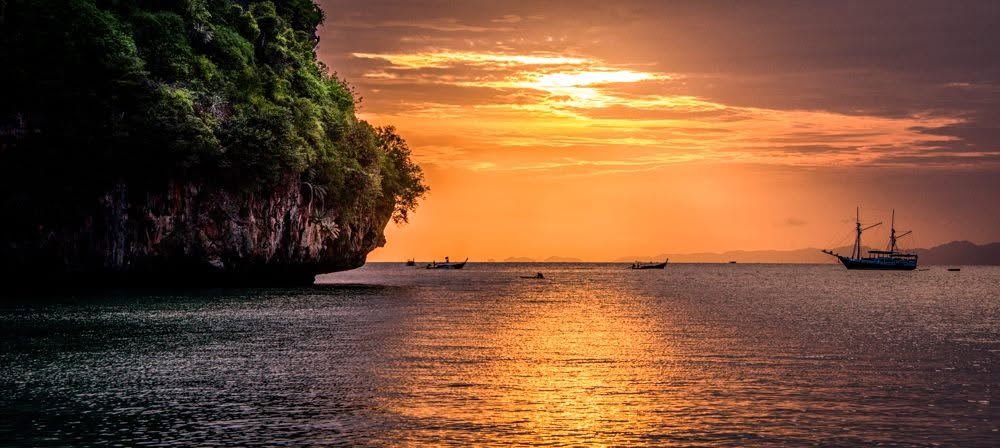
Immense, calm, ancient water. A sea that asks for nothing.
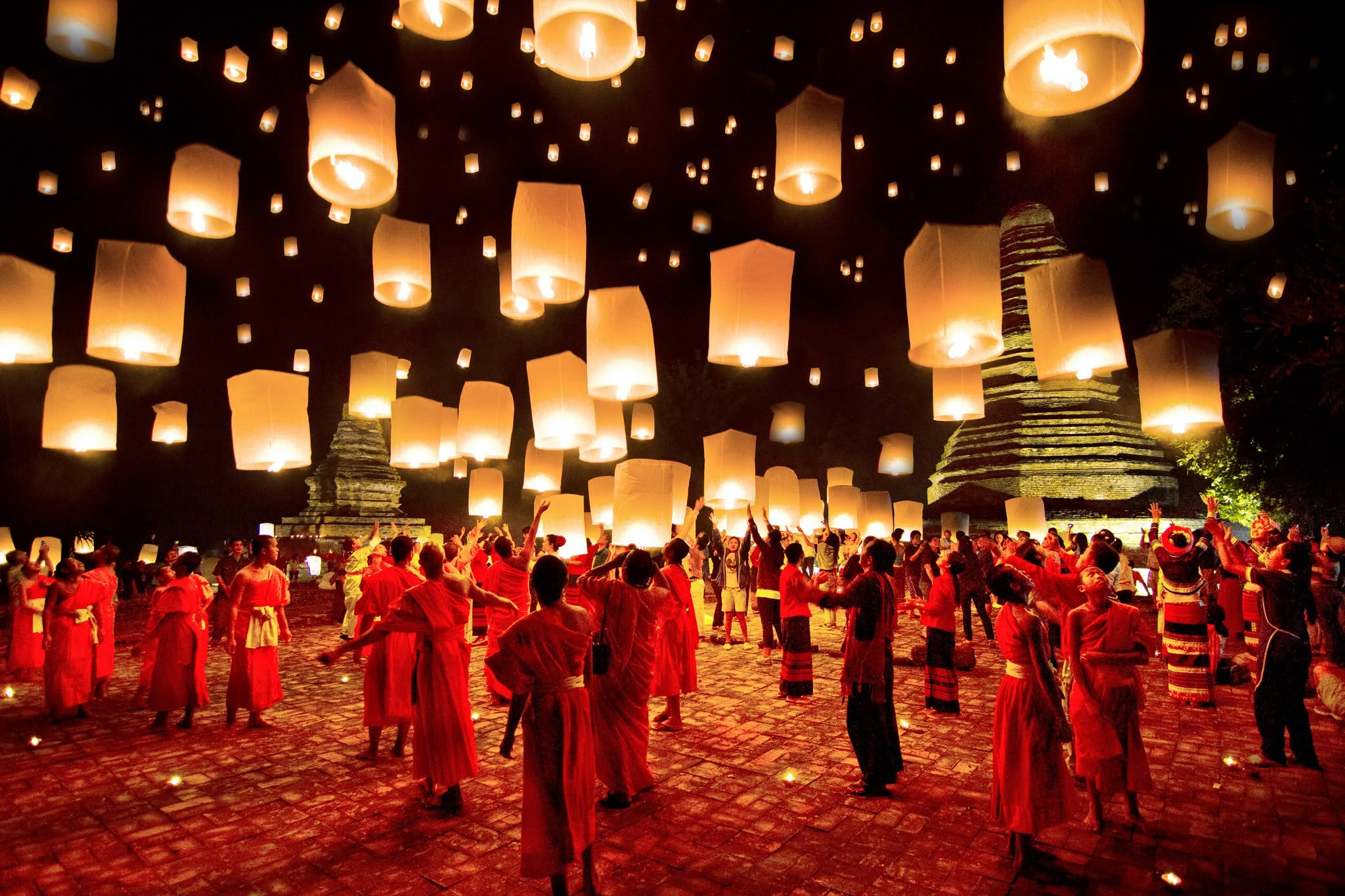
Lanterns floating on the sky.
Wishes drifting.
The night turning into an upside‑down sky.
Often confused with Loy Krathong, Yi Peng is the Northern Thai festival where lanterns rise into the sky instead of floating on water
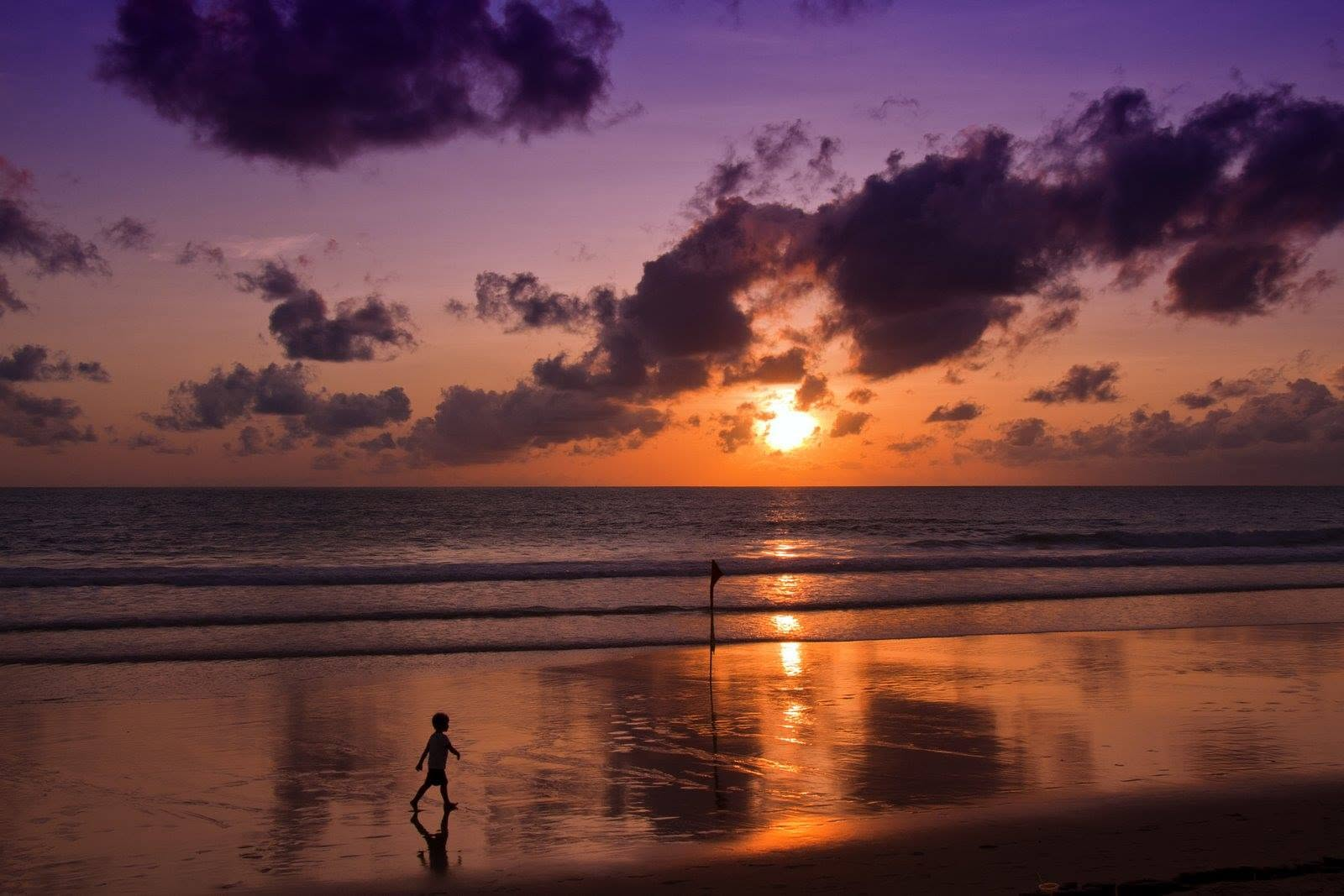
A child walking where the sea retreats. Every step is a future.
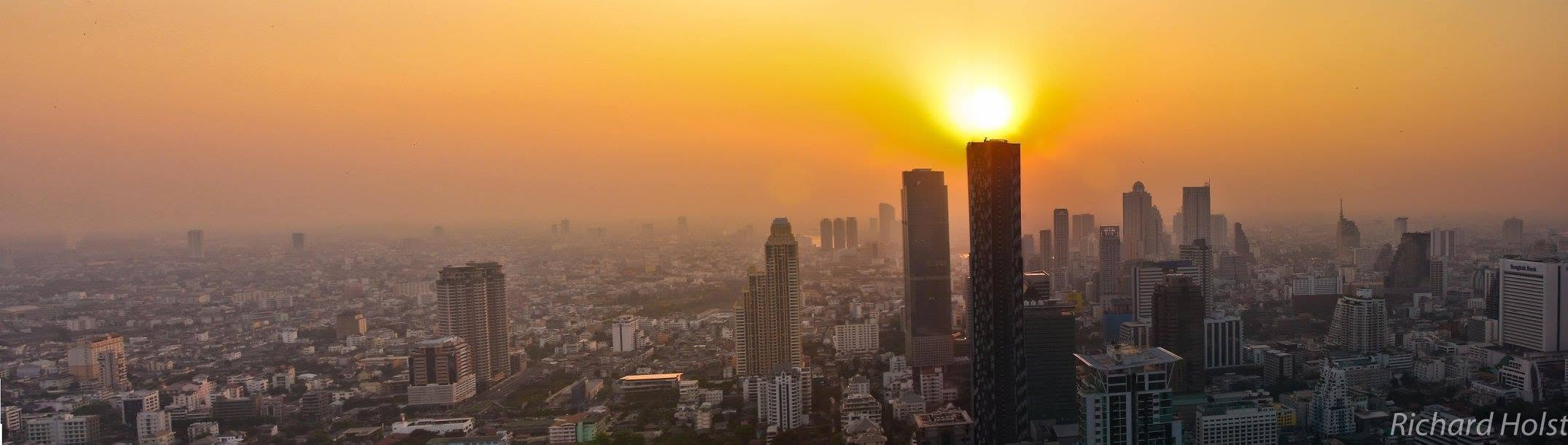
The city wakes like a slow animal. The light is pink, shy, gentle.
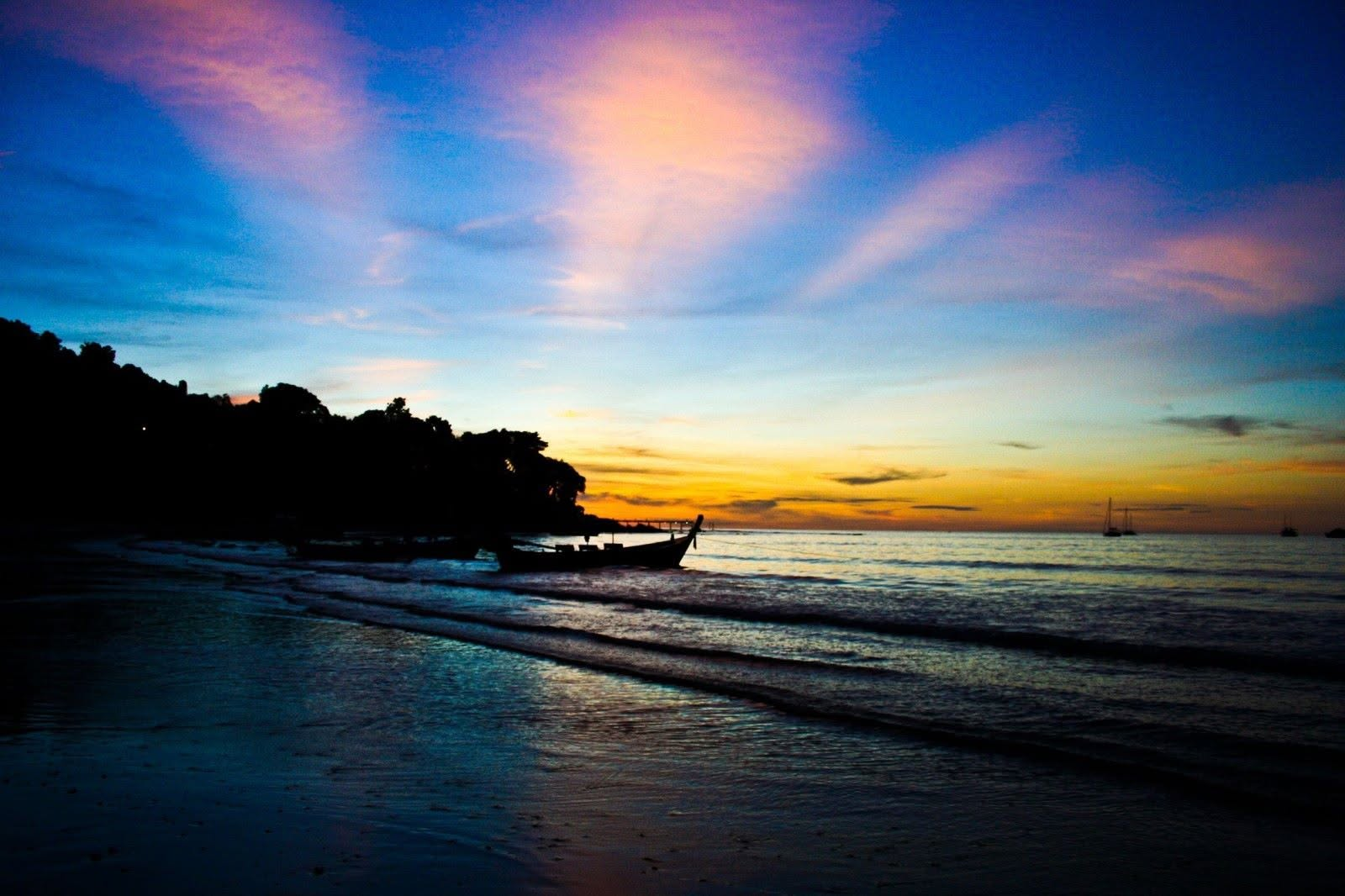
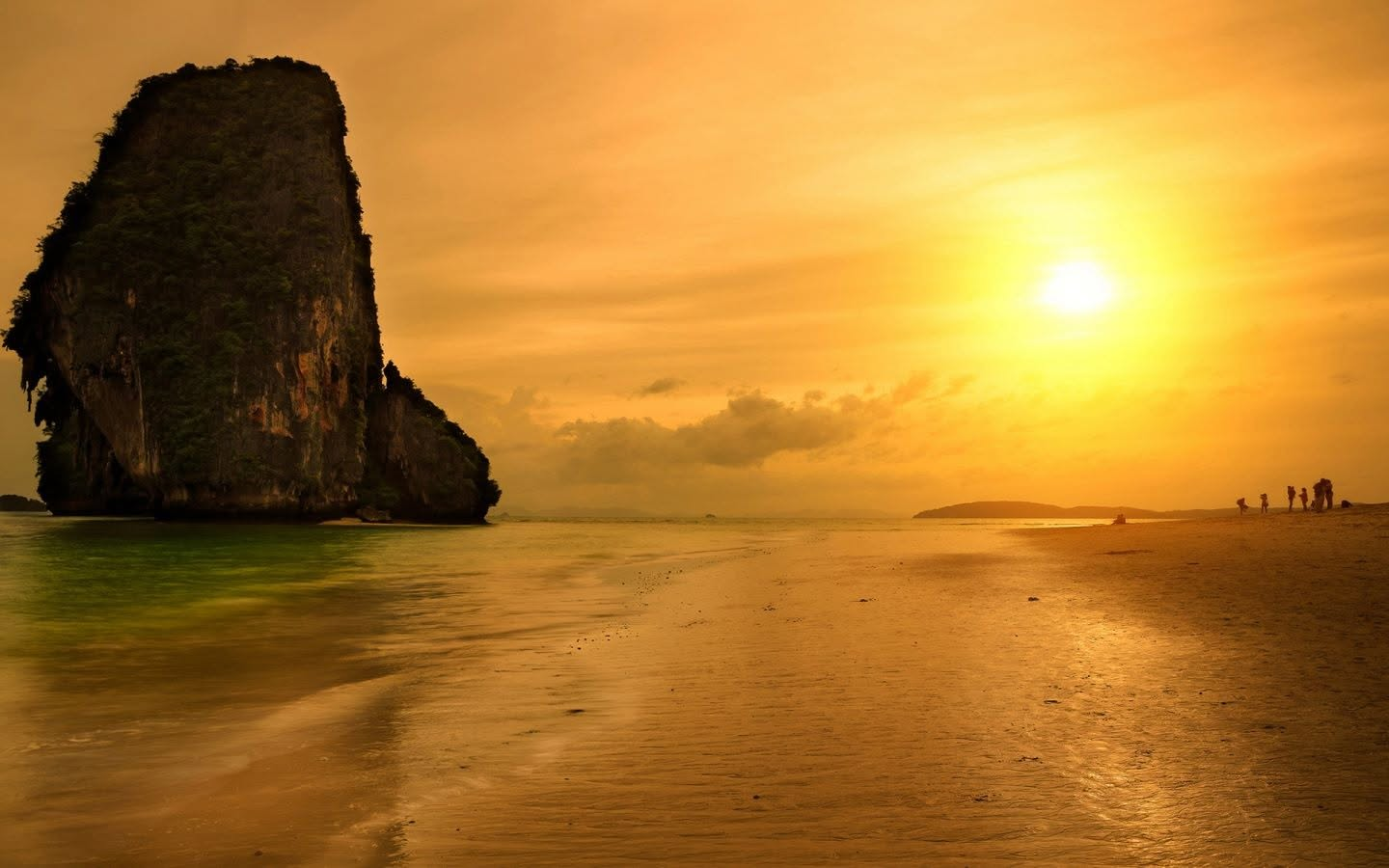
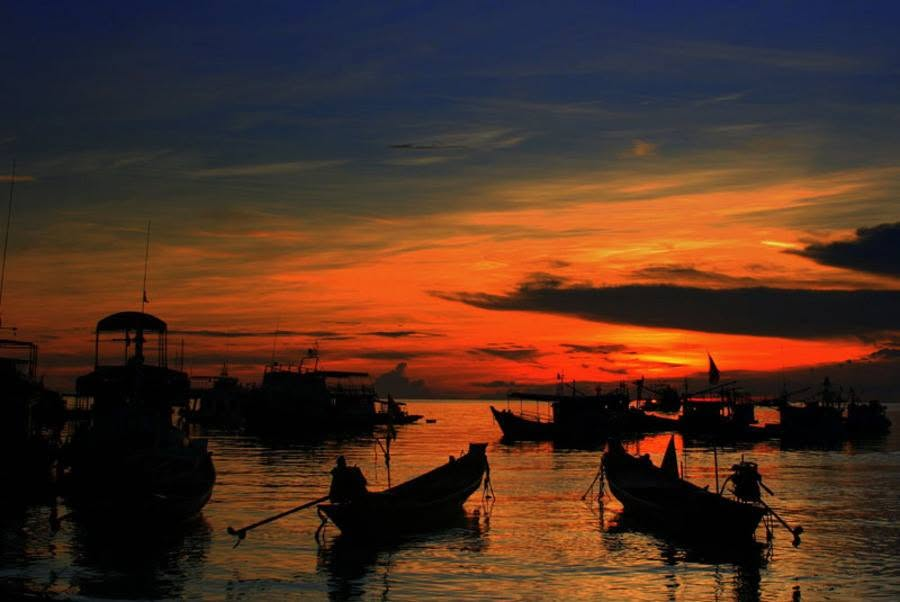
Boats sleeping. Wood, salt, silence.
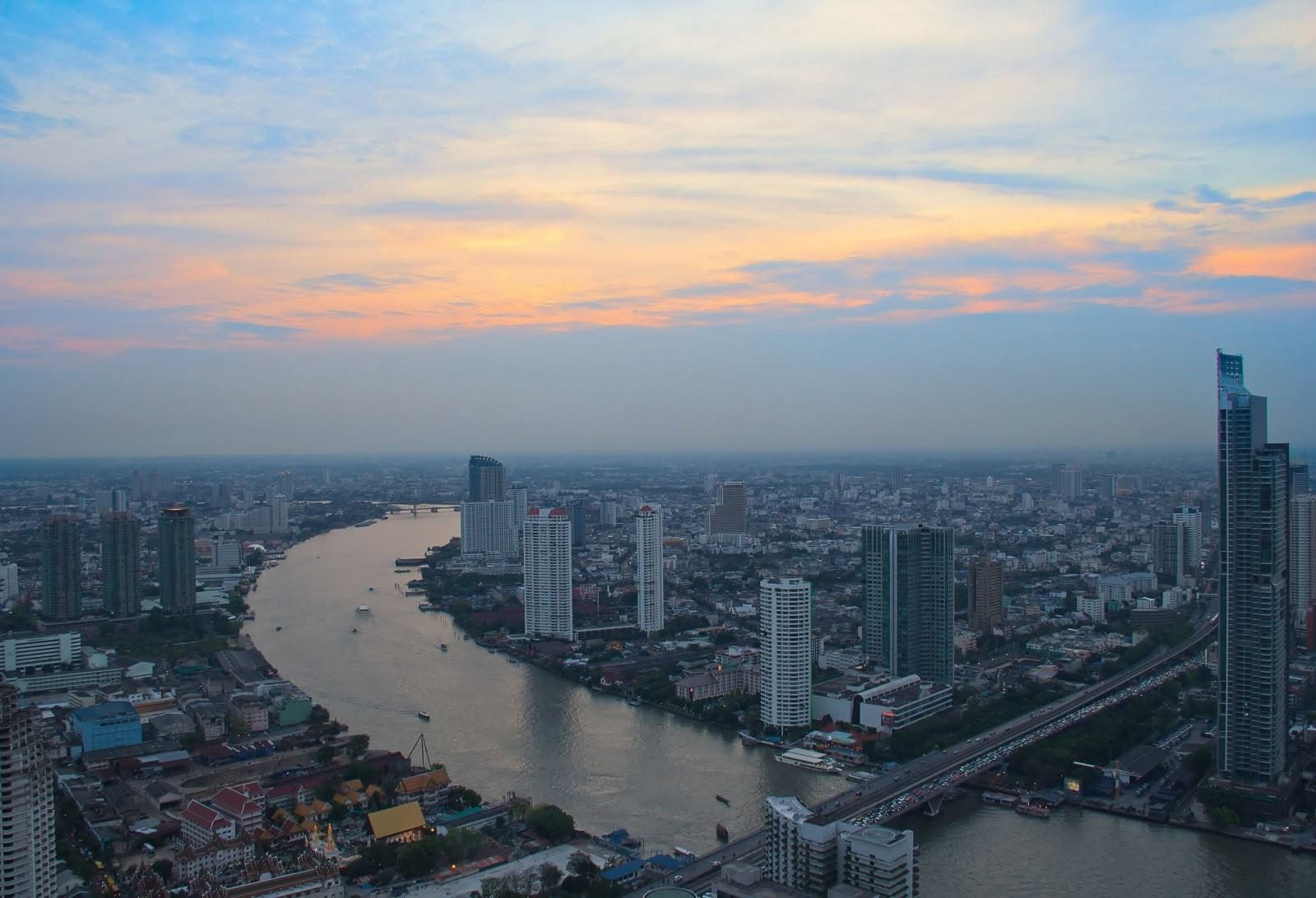
The city breathes. You watch it. It recognizes you.
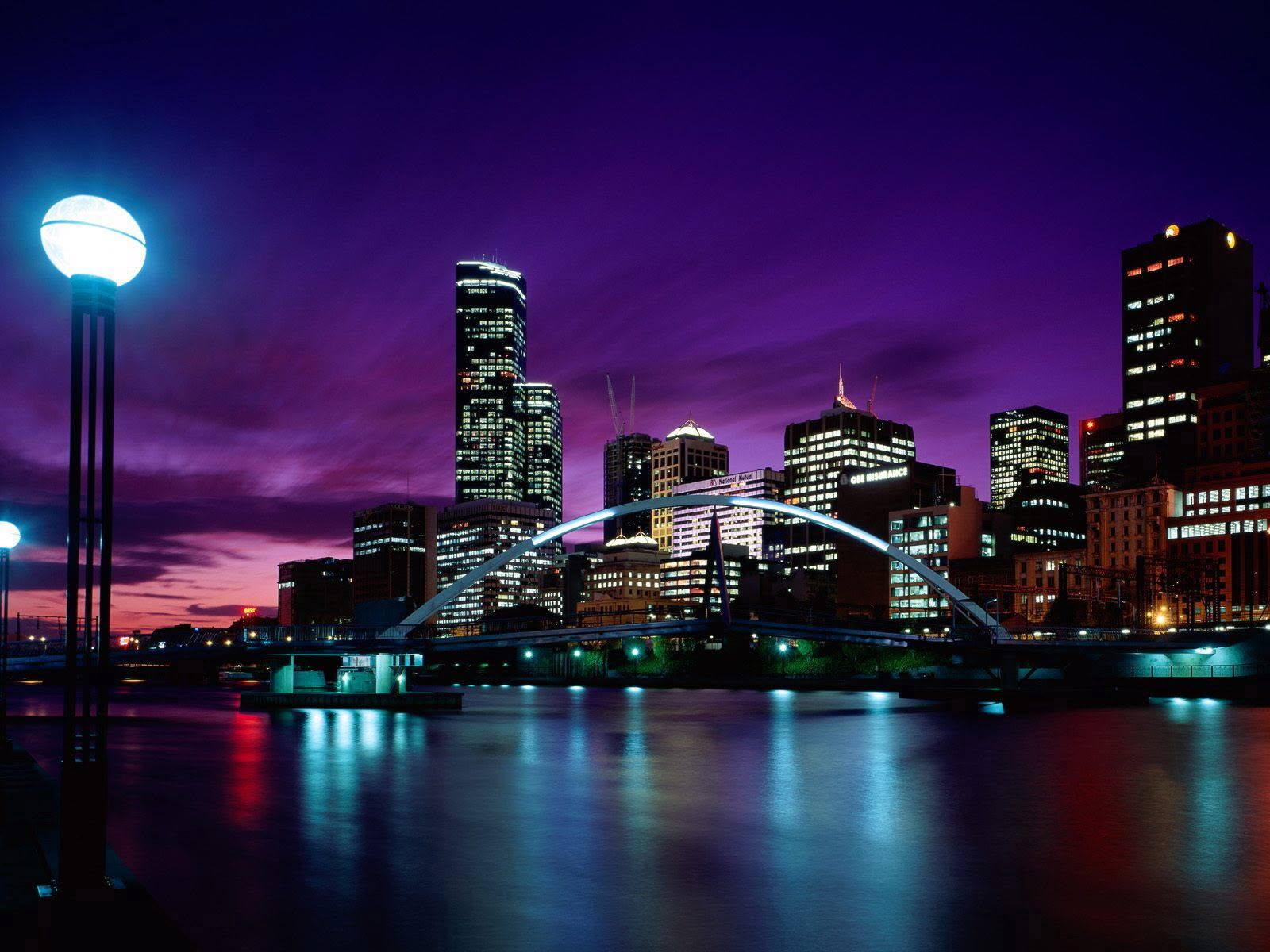
Lights that refuse to turn off. The night becomes a market of stars.
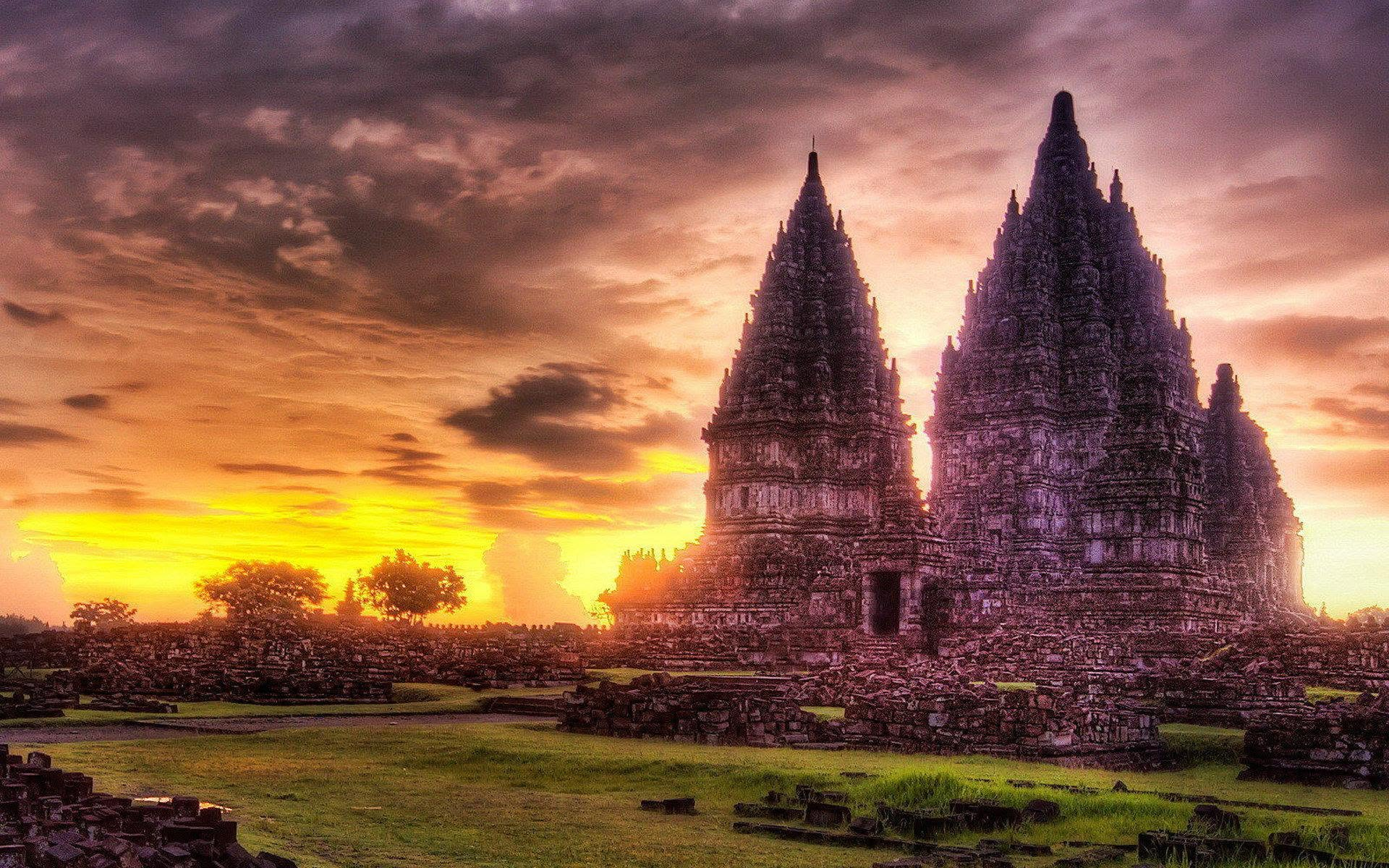
Ruins that aren’t ruins. History that hasn’t passed.
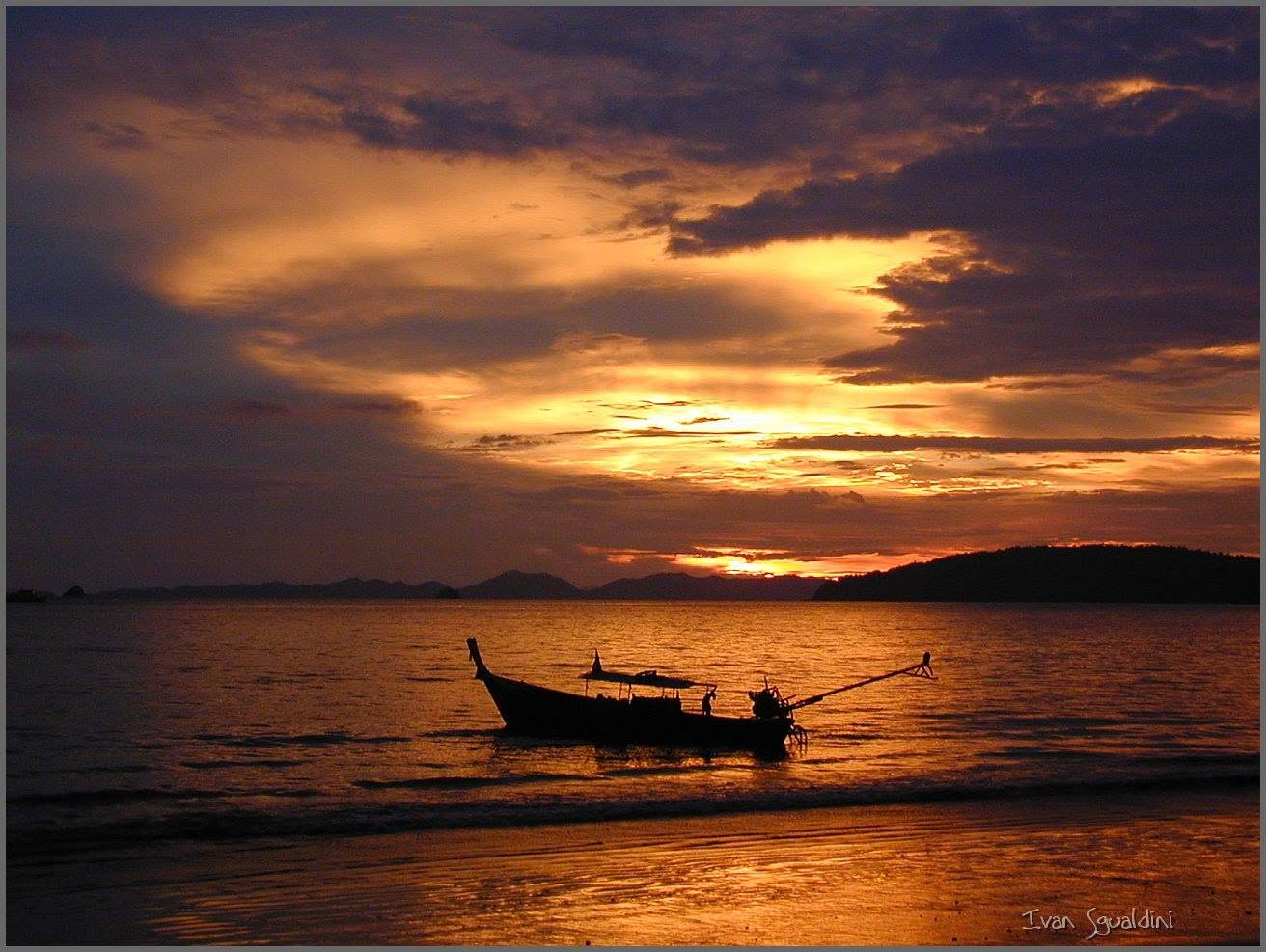
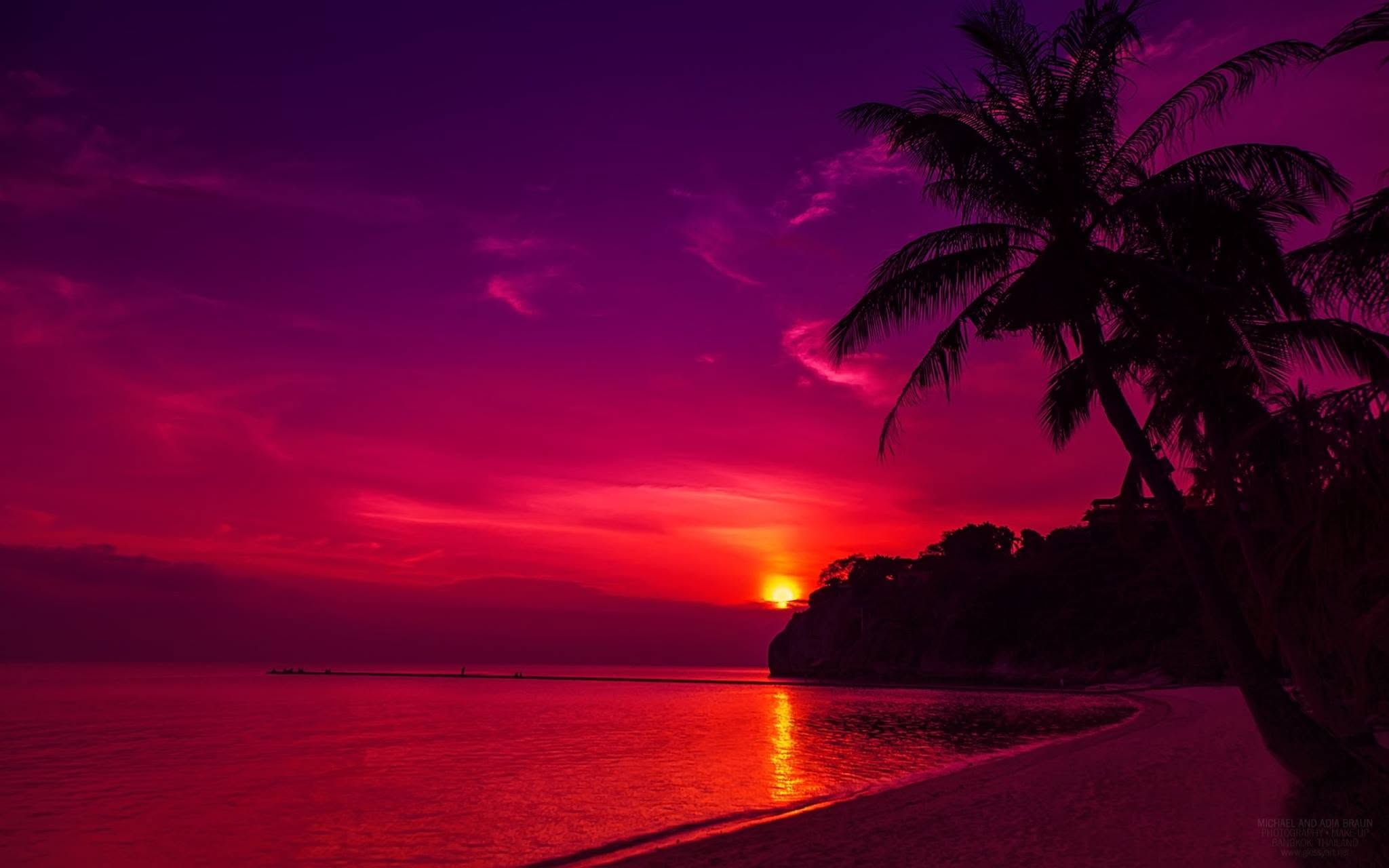
Thailand doesn’t have sunsets — it has metamorphoses.
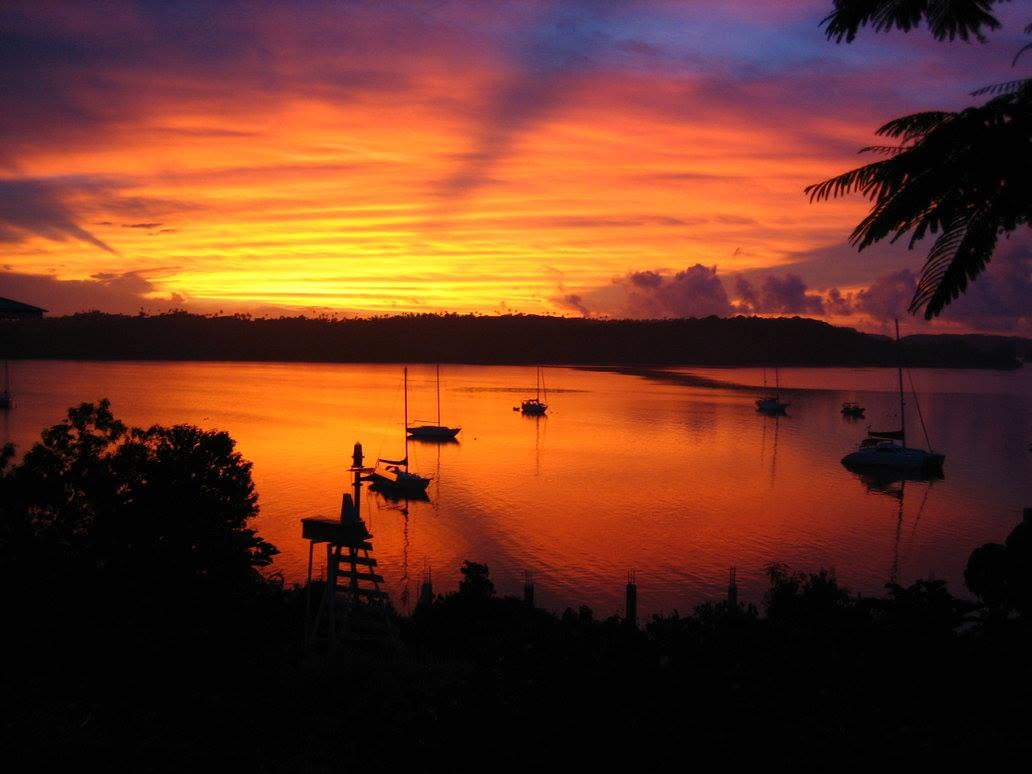
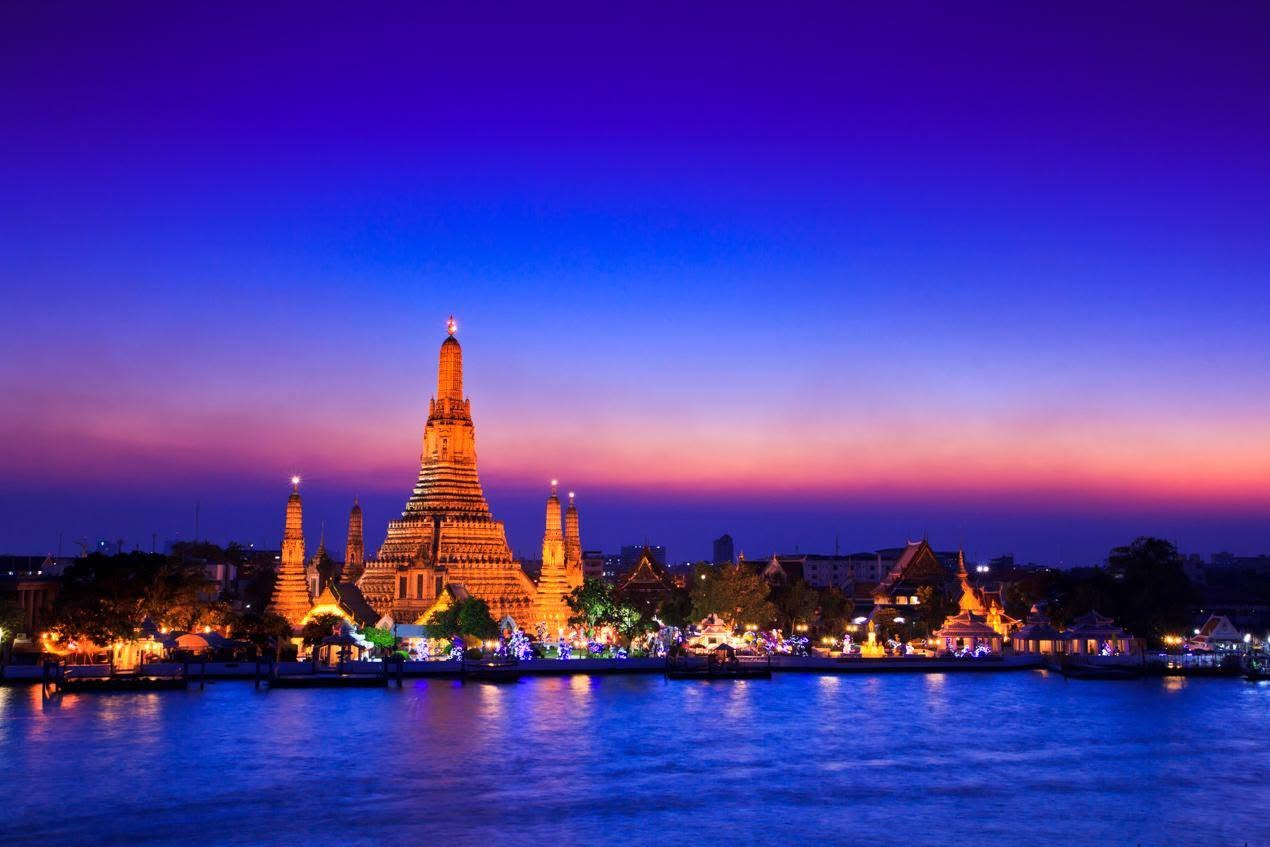
The temple wakes before the sun.
Light growing.
The world opening.
You rediscover something you didn’t know you had lost.
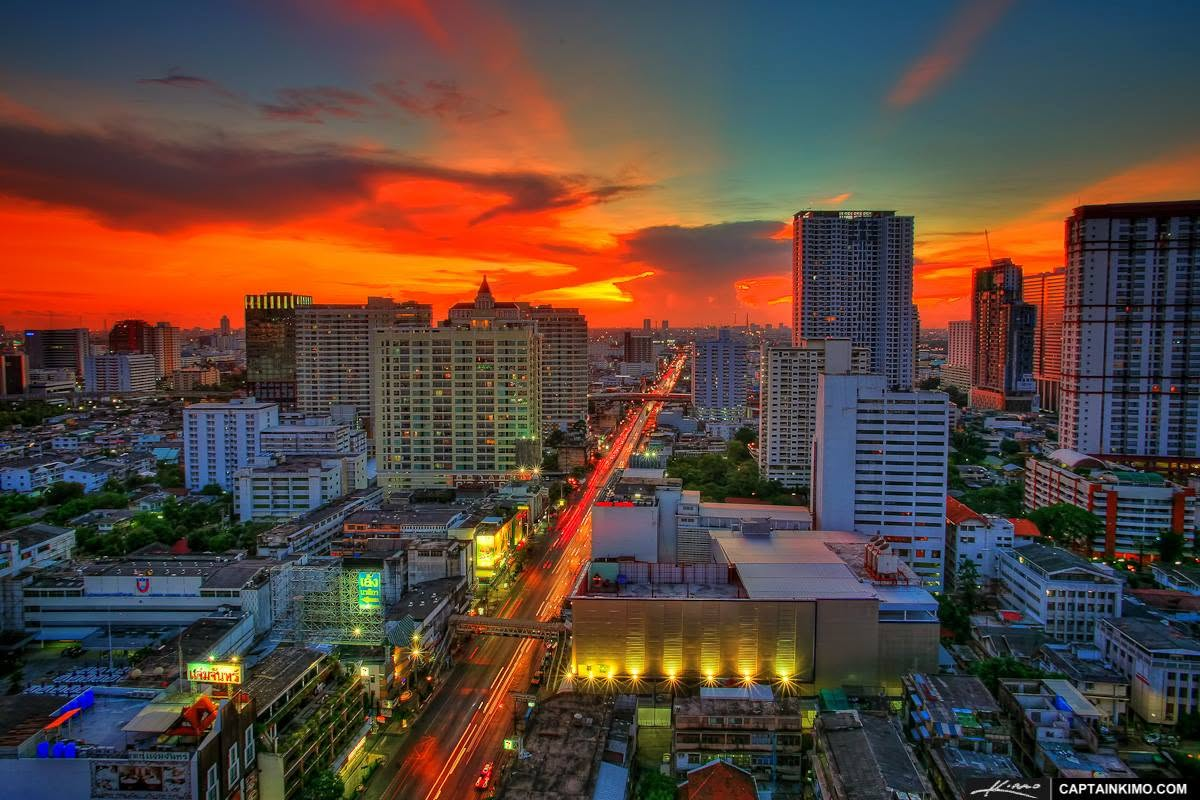
The city wakes up but never sleep.
And we returned home, after a long night of sensual and exciting search for life and color, still immersed in nocturnal fantasies and vivid realities, exhausted from having drunk again in the river that flows everywhere, inebriating you.
Gianfranco Maitilasso Grossi