Space Week isn't over yet!
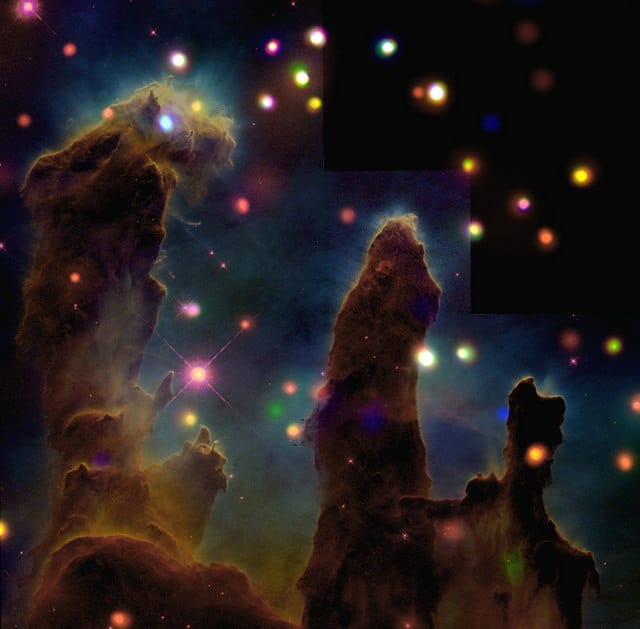
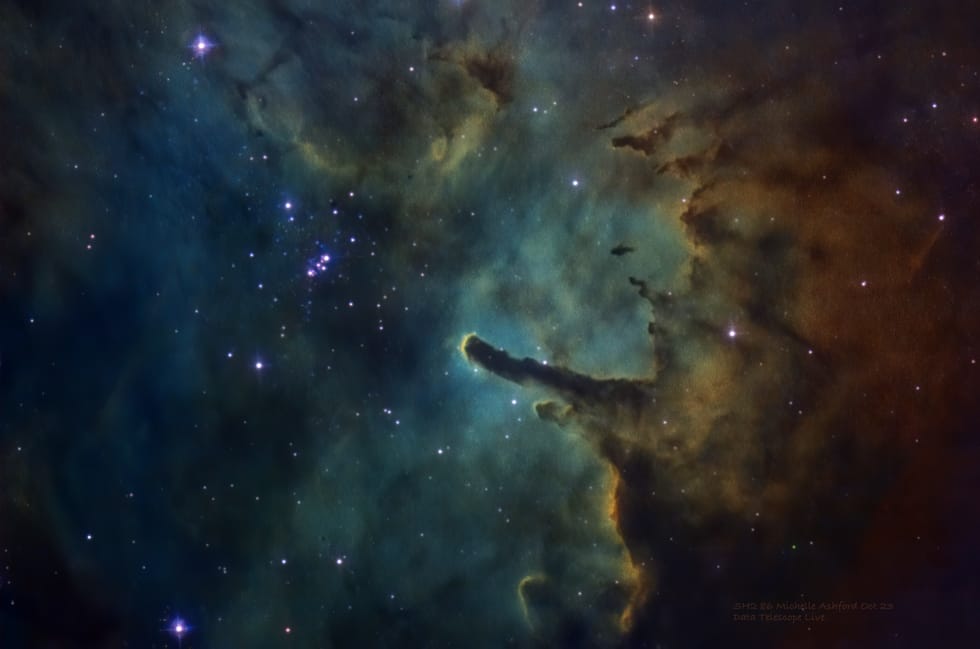
With the close of World Space Week, the universe reminds us of how much it still has to show us. Imagine clouds that do not travel through our sky but spread out across space, providing shelter for the birth of new stars. That's what the James Webb Space Telescope has revealed with its stunning image of the Pillars of Creation, a vision of colors and details never seen before.
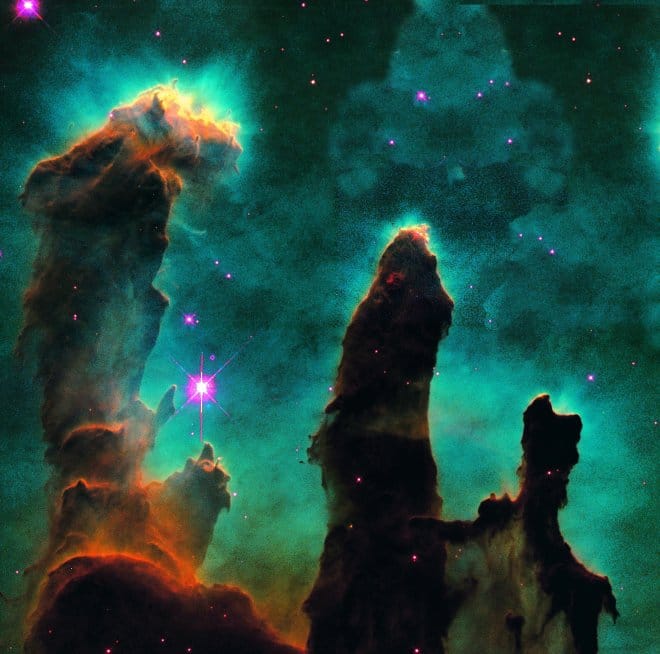
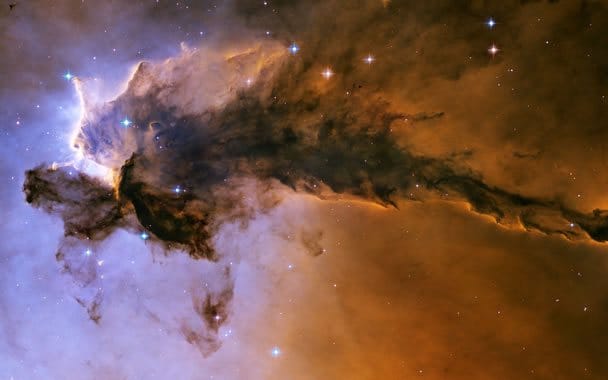
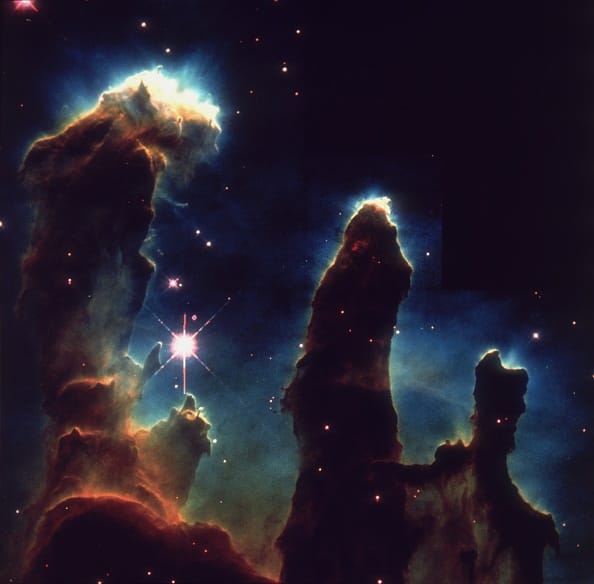
These huge, needle-shaped, diagonally oriented structures are composed almost entirely of gas and dust —the raw material of stars. Inside, the force of gravity compresses knots of material that, little by little, ignite new stars. Many of them already shine on the edges of the pillars, like small lights that announce the beginning of their cosmic life.
The incredible thing is that this spectacle occurs "only" 6,500 light-years away, in the Eagle Nebula. From Spain, we can also enjoy the starry skies in unique places, such as the Starlight Reserve on the island of La Palma. There, looking up becomes an unforgettable experience that connects directly with wonders like this.
Pillars of Creation
The Pillars of Creation is a Hubble Space Telescope photograph of elephant trunks of interstellar gas and dust in the Eagle Nebula, approximately 6,500 light-years from Earth in the Milky Way. These clumps are so named because the gas and dust that form them are in the process of creating new stars, while it is also being eroded by the light of nearby stars that have recently formed. Taken on April 1, 1995, it was named one of the top ten Hubble photographs by Space.com. The astronomers responsible for the photo were Jeff Hester and Paul Scowen, both of Arizona State University. In 2011, the region was reviewed by ESA's Herschel Space Observatory.