
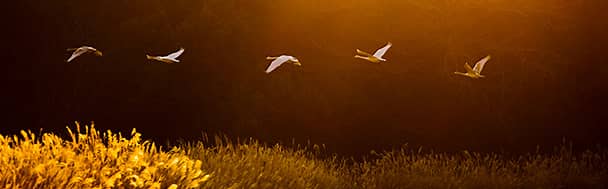
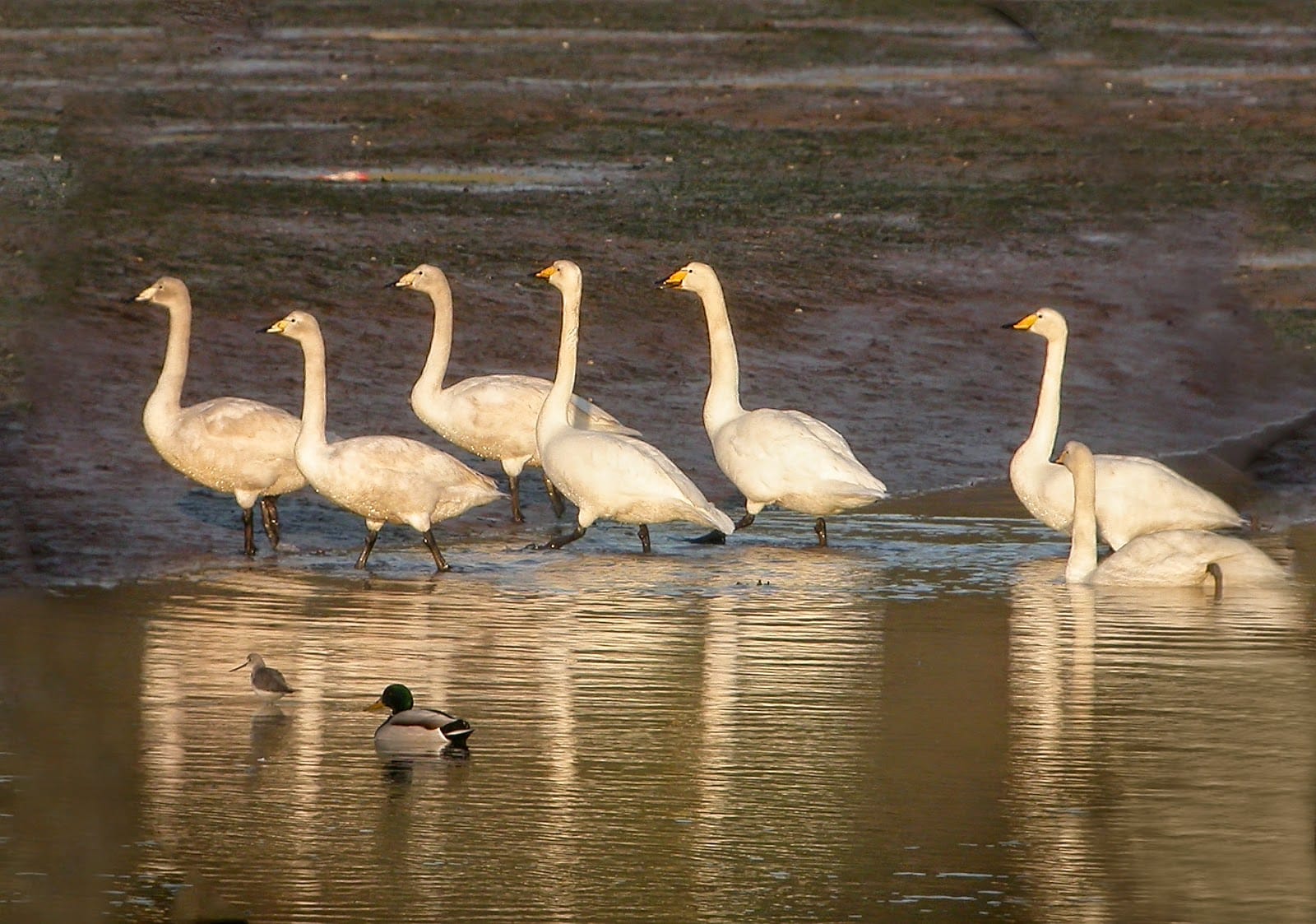
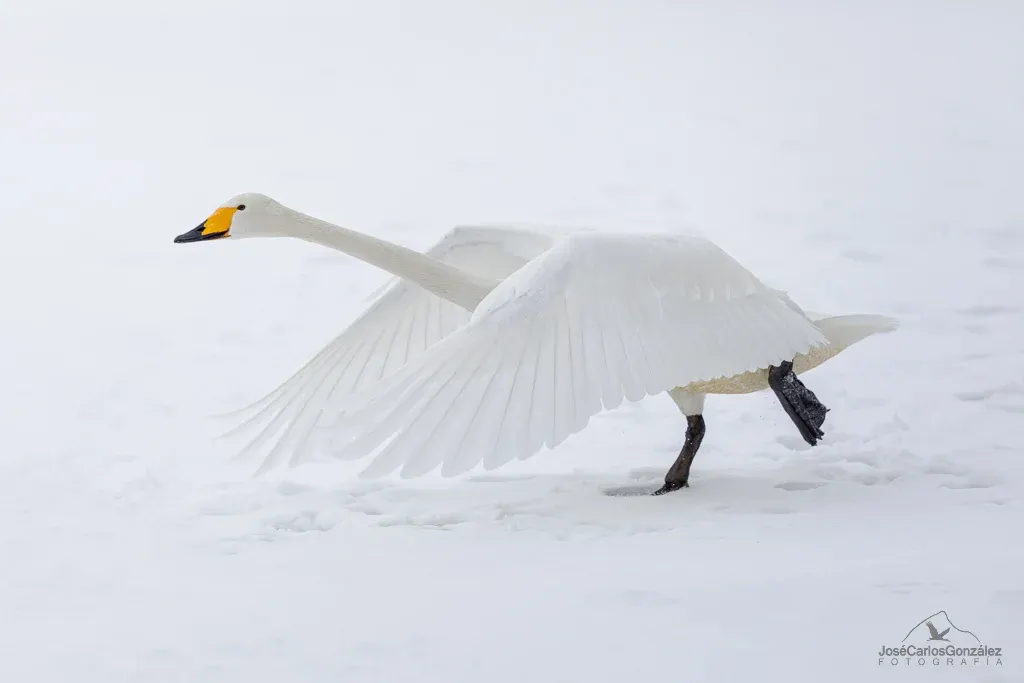
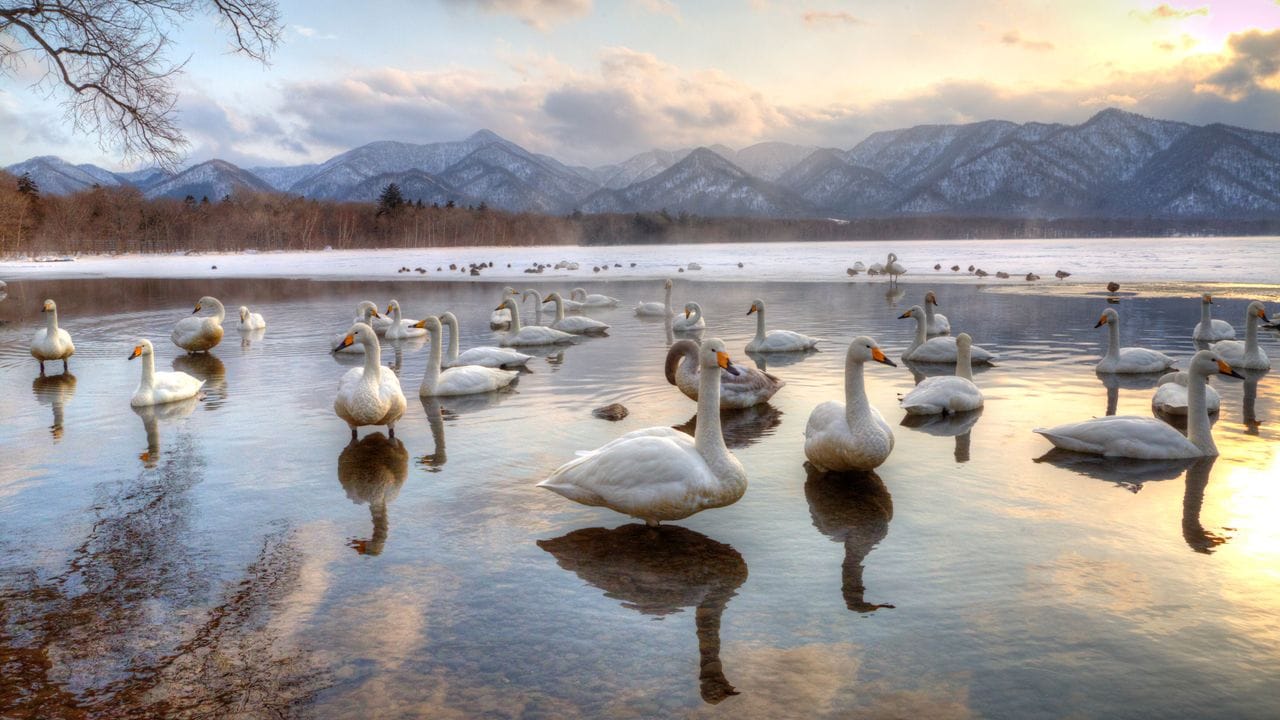
Singing swans, Kotoku Pond, Japan
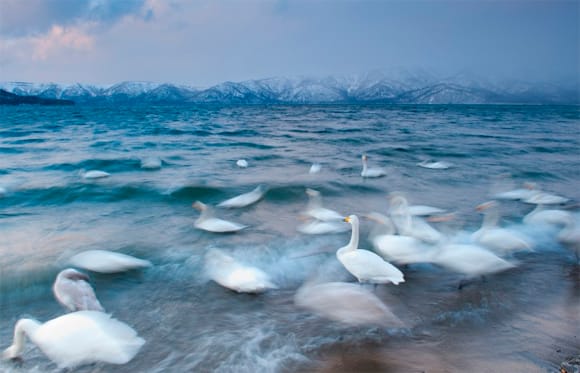
In the cold months of Japan, there is a moment in the morning when the silence is broken, not by the wind or footsteps, but by a bright song that spreads across the water. The singing swans have arrived, and suddenly winter seems to wake up. These birds migrate from Siberia and the Russian Far East, choosing Japan as their seasonal refuge because its lakes offer what every traveler longs for: open water, constant food, and a safe place to rest. Kotoku Pond, Lake Kussharo, and Lake Tofutsu, partially ice-free thanks to natural springs, become trusted winter ports.
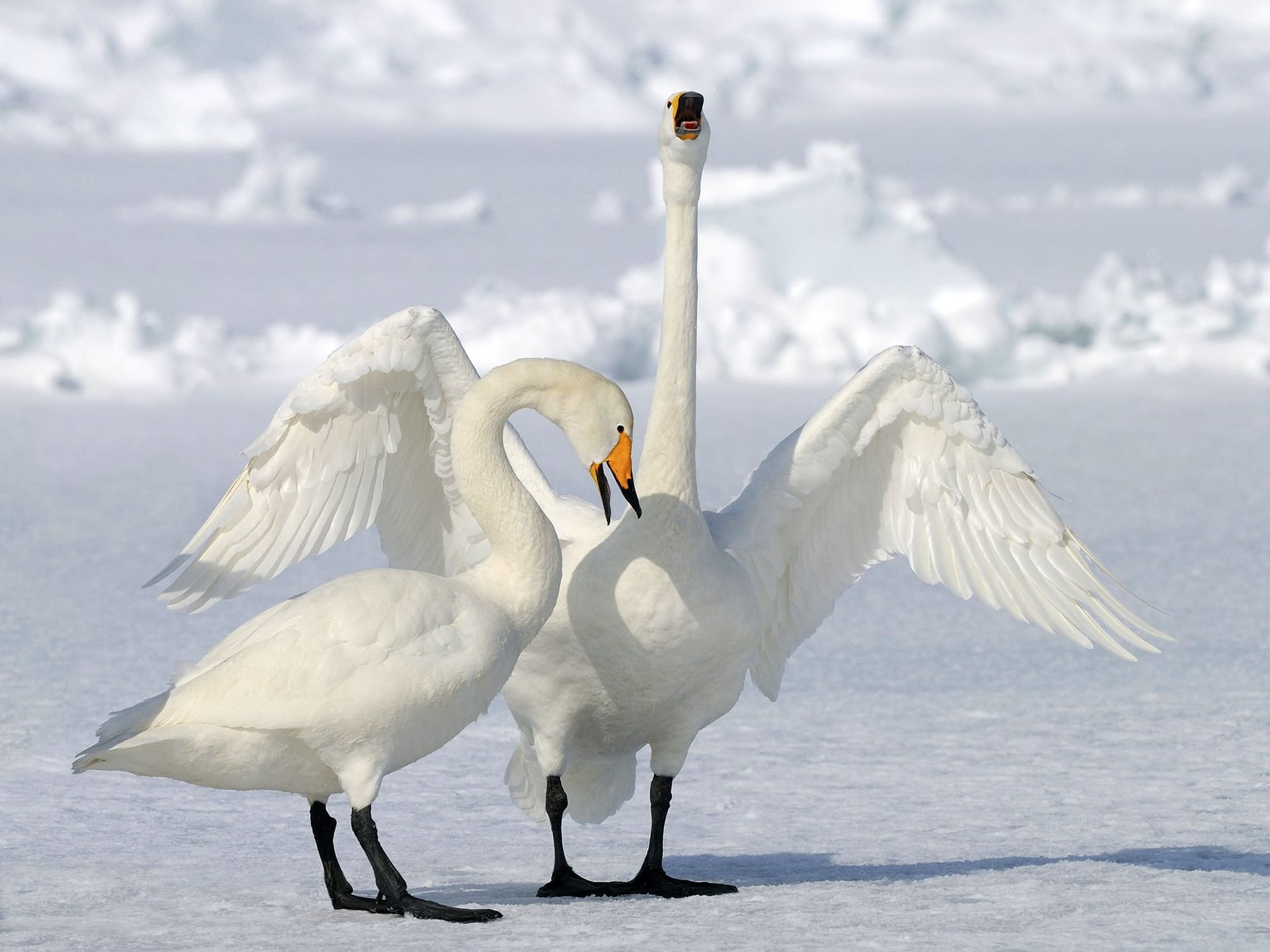
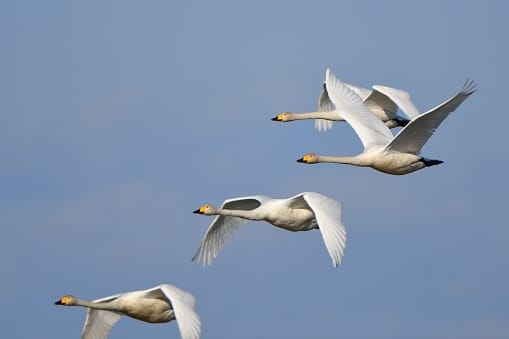
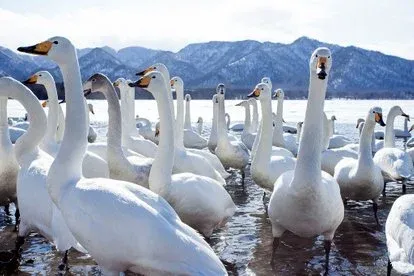
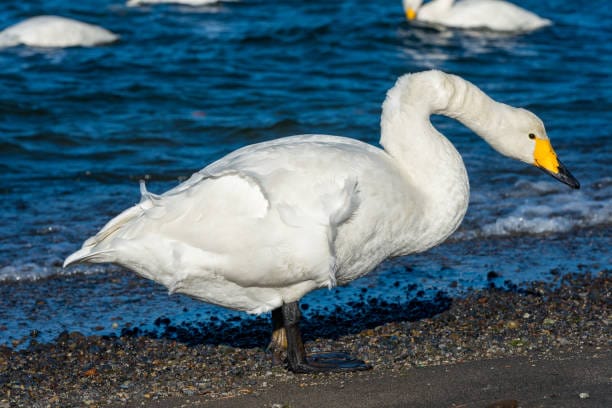
With their long necks, white feathers, and yellow and black beaks, whooper swans impress from the very first moment. Their honking, audible for miles, accompanies coordinated flights and memorable sunrises. In Japan, their diet is simple: grains, aquatic plants, and grasses. Their return each winter announces that the wetlands are still alive, that the ecosystem is thriving.
And, although it may seem like a distant species, the whooper swan can occasionally be seen in Spain during migration, especially in coastal areas and wetlands, where it sometimes leaves an unusual and beautiful image.

Cisnes cantores, estanque Kotoku, Japón
En los meses fríos de Japón, hay un instante matinal en el que el silencio se rompe, no con el viento ni con pasos, sino con un canto luminoso que se extiende sobre el agua. Los cisnes cantores han llegado, y de pronto el invierno parece despertar. Estas aves migran desde Siberia y el Lejano Oriente ruso, eligiendo Japón como refugio estacional porque sus lagos ofrecen lo que todo viajero anhela: aguas abiertas, alimento constante y un lugar seguro para descansar. El estanque Kotoku, el lago Kussharo y el lago Tofutsu, parcialmente libres de hielo gracias a manantiales naturales, se convierten en puertos invernales de confianza.
Con sus largos cuellos, plumas blancas y picos amarillos y negros, los cisnes cantores impresionan desde el primer instante. Su graznido, audible a kilómetros, acompaña vuelos coordinados y amaneceres memorables. En Japón su dieta es sencilla: granos, plantas acuáticas y hierbas. Su regreso cada invierno anuncia que los humedales siguen vivos, que el ecosistema prospera.
Y, aunque parezca una especie lejana, el cisne cantor puede ser ocasionalmente visto en España durante la migración, sobre todo en zonas costeras y humedales, donde a veces deja una estampa inusual y bellísima.

Cigni Cantanti, stagno Kotoku, Giappone
Nei mesi freddi del Giappone, c'è un momento mattutino in cui il silenzio viene rotto, non dal vento o dai passi, ma da una canzone luminosa che si diffonde sull'acqua. I cigni cantatori sono arrivati, e improvvisamente sembra svegliarsi l'inverno. Questi uccelli migrano dalla Siberia e dall'Estremo Oriente russo, scegliendo il Giappone come rifugio stagionale perché i suoi laghi offrono ciò che ogni viaggiatore desidera: acque aperte, cibo costante e un luogo sicuro dove riposare. Kotoku Pond, Kussharo Lake e Tofutsu Lake, parzialmente liberi dal ghiaccio grazie alle sorgenti naturali, diventano porti invernali affidabili.
Con i loro colli lunghi, piume bianche e becchi gialli e neri, i cigni cantatori impressionano fin dal primo istante. Il suo stridio, udibile per miglia, accompagna voli coordinati e albe memorabili. In Giappone, la loro dieta è semplice: cereali, piante acquatiche ed erbe aromatiche. Il loro ritorno ogni inverno annuncia che le zone umide sono ancora vive, che l'ecosistema prospera.
E, sebbene possa sembrare una specie lontana, il cigno cantante può occasionalmente essere visto in Spagna durante la migrazione, specialmente nelle zone costiere e nelle zone umide, dove a volte lascia un quadro insolito e bello.




The Mouth of Truth is a reader-supported publication. To receive new posts and support my work, consider becoming a free or paid subscriber.
In questo spazio non si paga per entrare: si entra perché si riconosce un’eco,
un frammento di sé, un varco che merita di essere custodito.
Se desideri sostenere questo lavoro con un gesto libero, puoi farlo qui:

This space does not ask for payment to enter: you enter because you recognize an echo,
a fragment of yourself, a threshold worth preserving.
If you wish to support this work with a free and voluntary gesture, you may do so here:
En este espacio no se paga por entrar: se entra porque uno reconoce un eco,
un fragmento de sí mismo, un umbral que merece ser cuidado.
Si deseas apoyar este trabajo con un gesto libre y voluntario, puedes hacerlo aquí: