
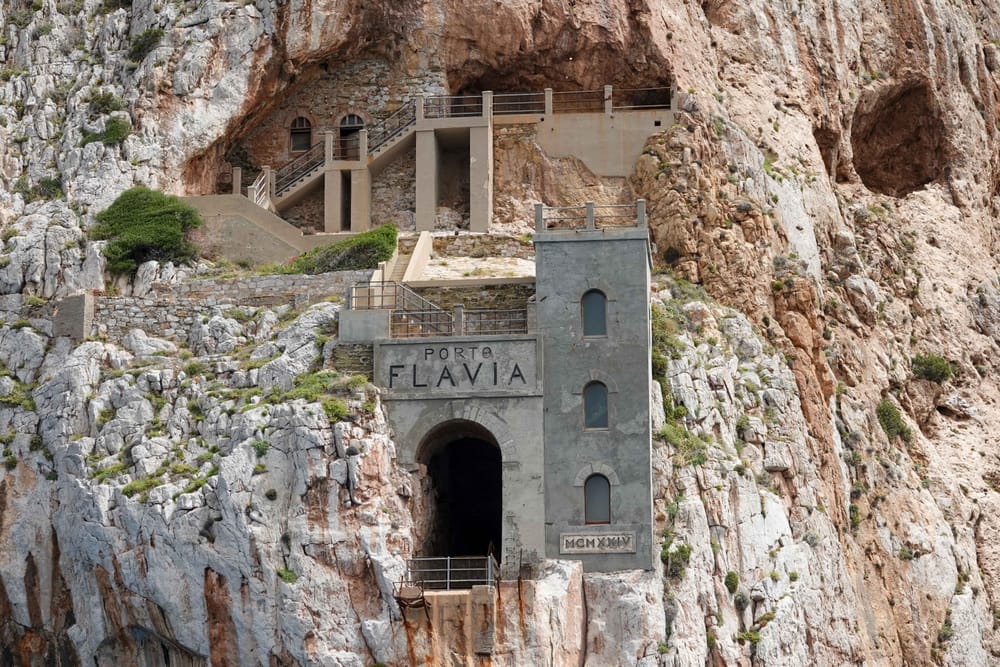
Porto Flavia
This cliff-face port is considered a masterpiece of mining engineering.
Masua, Italy
Added By Tony Dunnell
About
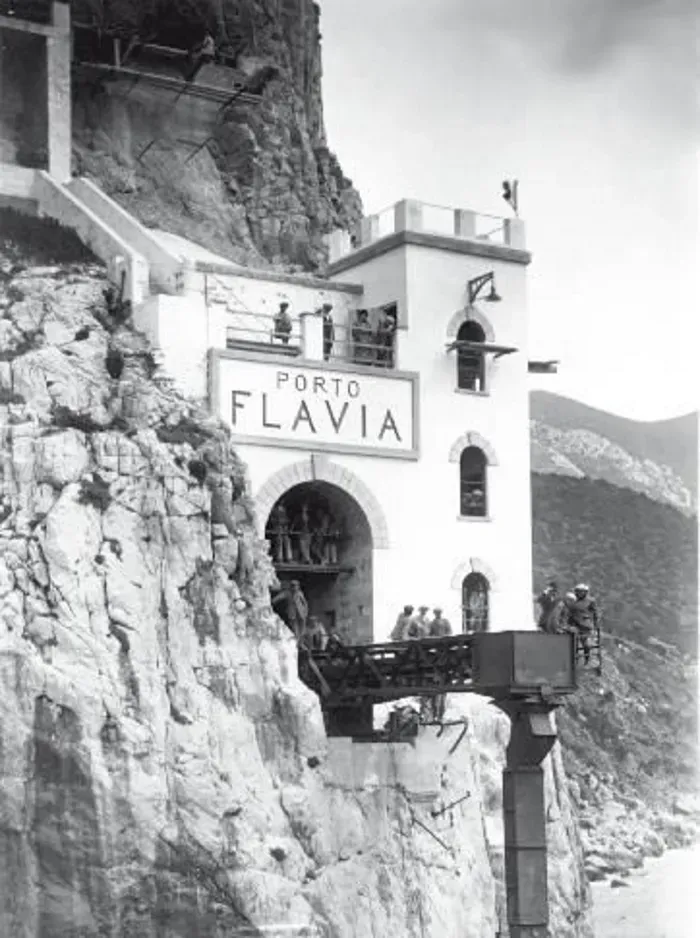
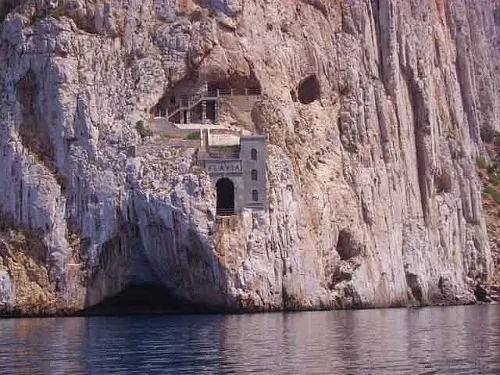
No other port or sea harbor in the world is quite like Italy's Porto Flavia. Built in 1924, the ingenious cliff-face port allowed workers to lower ore directly down from the cliff into cargo ships waiting below.
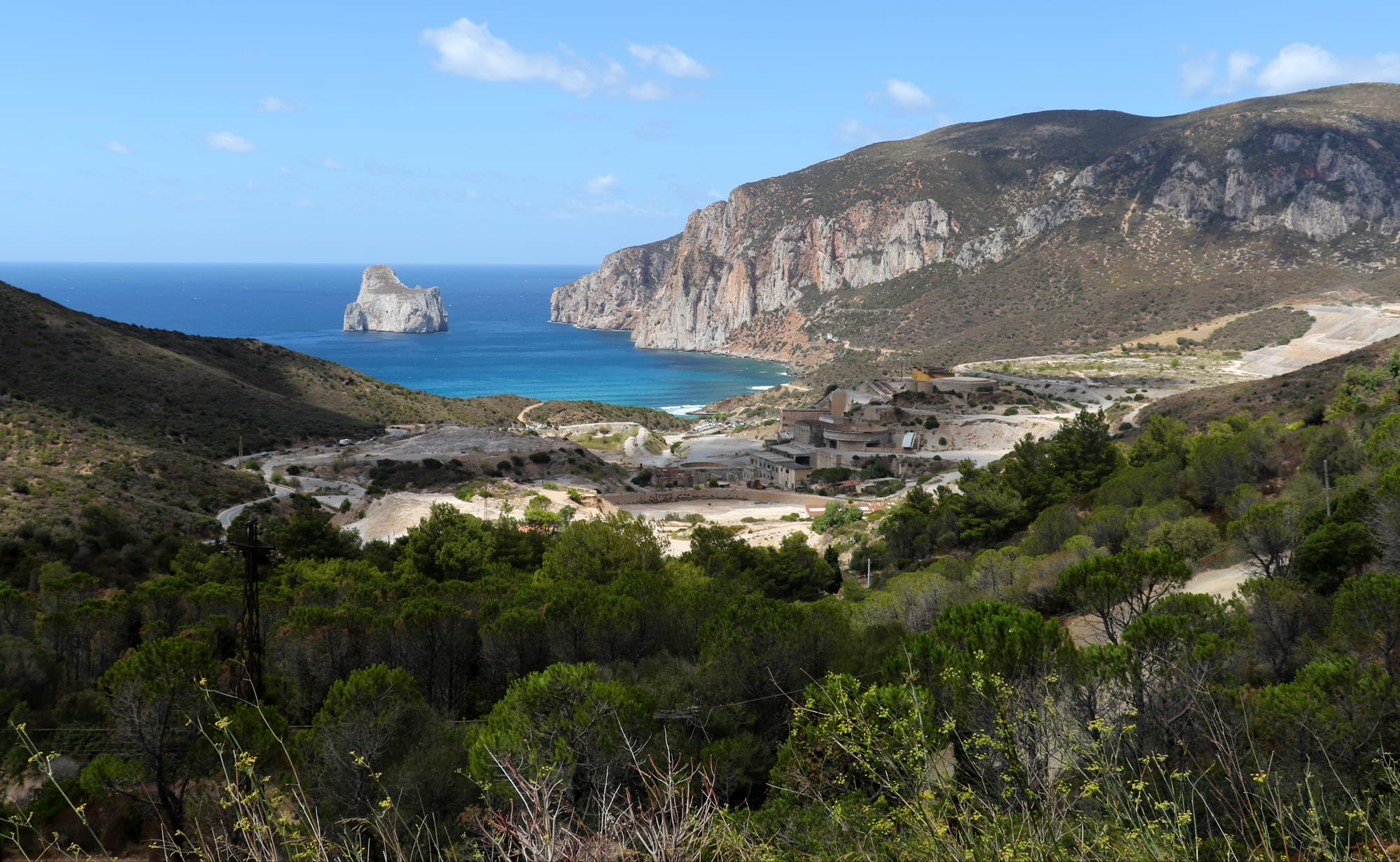
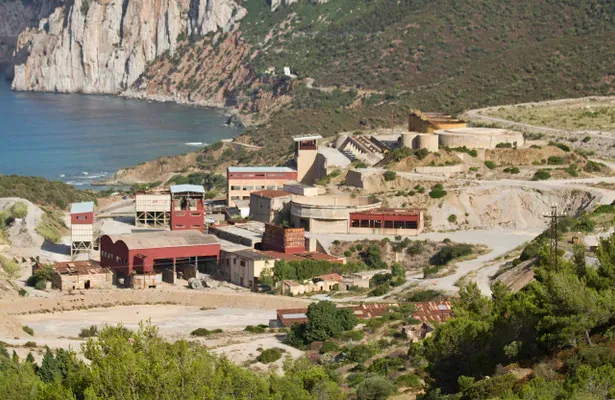
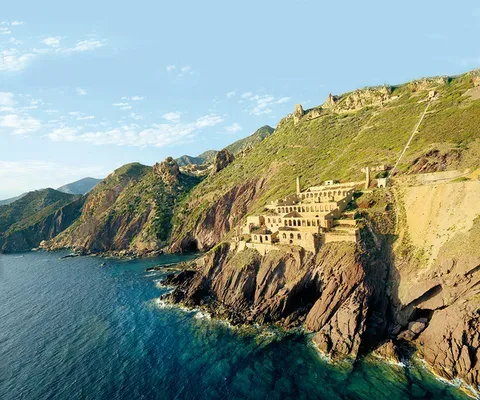
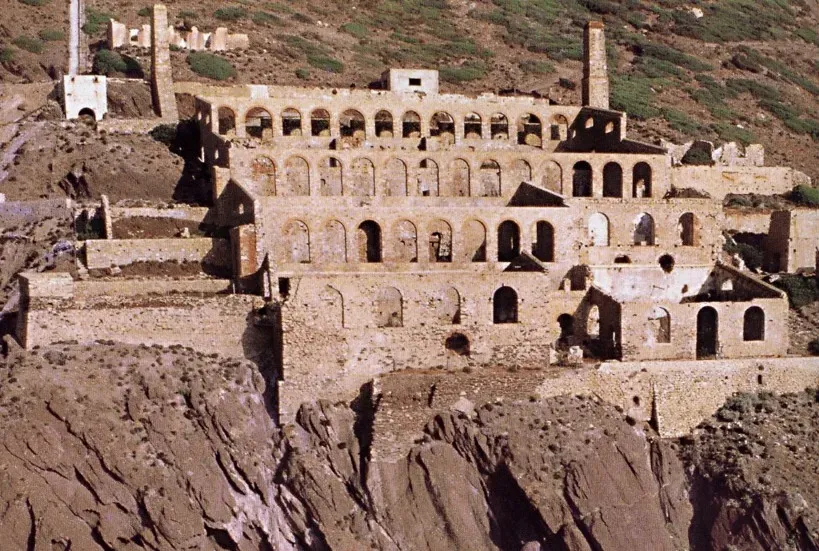
In 1922, the Masua mining operations in Sardinia, which had been active since the early 1600s, reached a peak in production. Zinc and lead were in high demand, and modernized mining methods meant that more ore was being extracted than ever before.
Efficiency, however, was becoming a serious issue. At the time, transporting the zinc and lead ore from the mines to the nearest port was a lengthy and costly process. Sailors had to come from the island harbor at Carloforte, about fifteen miles to the south. Once they arrived on the beaches near Masua, they would load up their boats with ore before heading back to Carloforte.
The return journey was slow and dangerous. Weighed down by ore, the small boats often sank, especially in stormy conditions. Adverse weather could hold up the flow of ore for weeks on end, and it could take more than a month to load the hold of a steamship waiting in Carloforte fully.
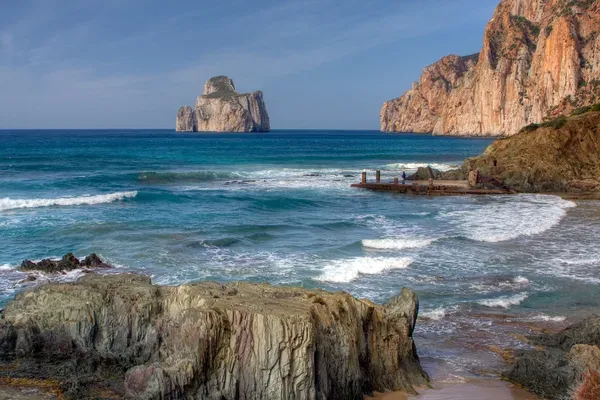
In search of a solution to this problem, the owners of the mining operation turned to the Italian engineer Cesare Vecelli. Vecelli began to survey the coast near Masua, looking for a place where steamships could safely moor and be loaded close to the mines. His chosen location—a high, ragged cliff face jutting out into the sea—may have had some people scratching their heads.
But Vecelli had an ingenious plan. He proposed constructing a port directly into the cliff face. The cliff face would be connected to the top of the cliffs via a system of tunnels, through which the lead and zinc would be carried down. The water at his chosen location was deep enough and sheltered enough for steamships to moor below, from which they could be loaded by gravity alone.
It was a bold idea, but one which his backers decided to accept. Work began in 1923, with a team of expert miners and climbers brought in for the dangerous construction project. Using dynamite and mechanical drills, the workers managed to excavate two tunnels, one above the other, each about 2,000 feet long. And each tunnel was connected by nine vertical shafts that served as reservoirs for the ore.
A small electric train was installed in the upper tunnel and used to bring ore from above. The ore was then tipped down into the reservoirs, from where it could be unloaded onto a conveyor belt system in the lower tunnel. The conveyor belt ran down through the tunnel toward the cliff face and then extended a full fifty feet out above the water. Any cargo ship moored beneath it could be filled in a couple of days.
At the request of the mining company, Vecelli also added some purely aesthetic details, including a concrete tower, an arched doorway, and arched windows, giving the port a certain faux-historic elegance.
Remarkably, the construction of the port was completed in less than two years. The mine owners were delighted, especially when they realized that the newly operational cliff port was reducing their production costs by about 70 percent. And in recognition of his achievement, the owners allowed Vecelli to name the port after himself. He called it after his daughter, Flavia, who was born in 1924.
Porto Flavia began to decline in the 1960s, along with the local mining industry, and was eventually closed in the 1990s. Ownership of the site then passed to IGEA SpA, a public company specializing in the restoration and preservation of historic mining plants.
Related Tags
CliffsEngineeringArchitectureArchitectural OdditiesMines
Know Before You Go
Porto Flavia is located near Nebida in the Iglesias comune of South Sardinia, Italy. You can get there by following the road that starts at the beach of Masua. Visits are conducted by guided tour only (some of the guides have worked at the port or nearby mines) and can be booked in advance from the tourist office in Iglesias. Guided tours depart approximately every hour, but it’s best to check in advance, as seasonal variations may occur. Entrance is €10 (about $11.30 US).
Community Contributors:
Added By
Edited By
Published
June 17, 2019
Nearby Places:
Nebida Laveria
Iglesias, Italy
2.17 miles away
Villaggio Minerario Asproni
Iglesias, Italy
6.37 miles away
Il Giardino Fantastico di Fiorenzo Pilia
San Sperate, Italy
31.41 miles away
Explore the Destination Guide