Lake Clark National Park and Preserve, Alaska, USA
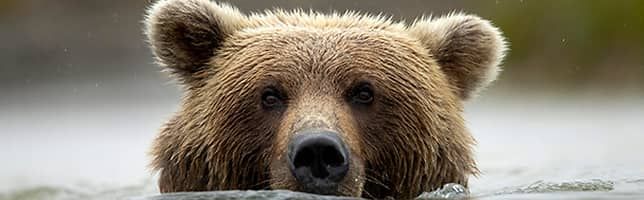
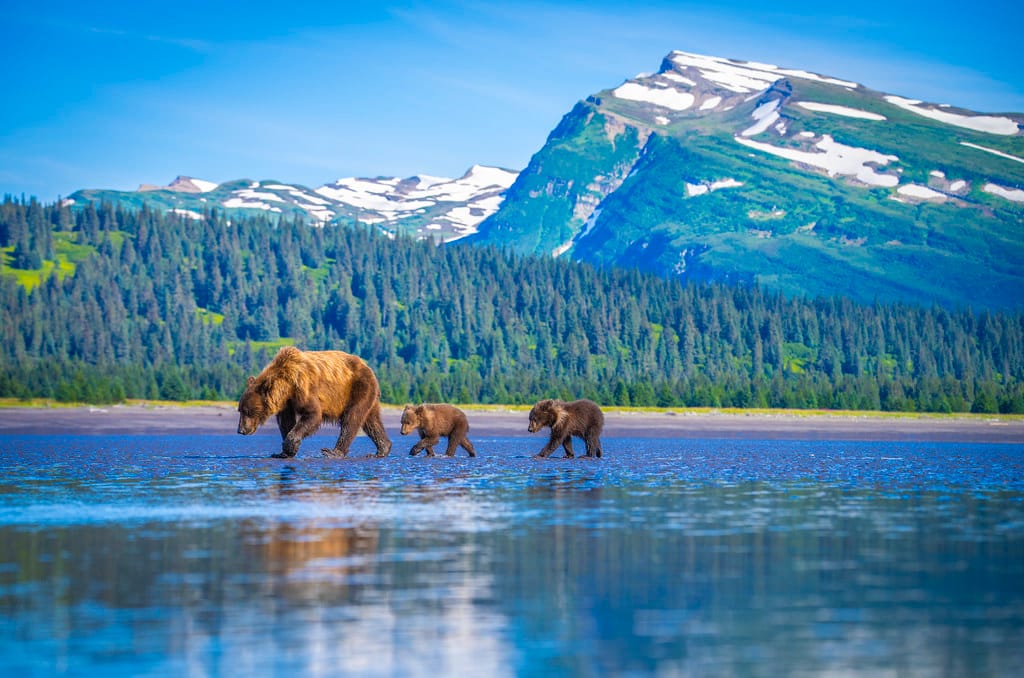
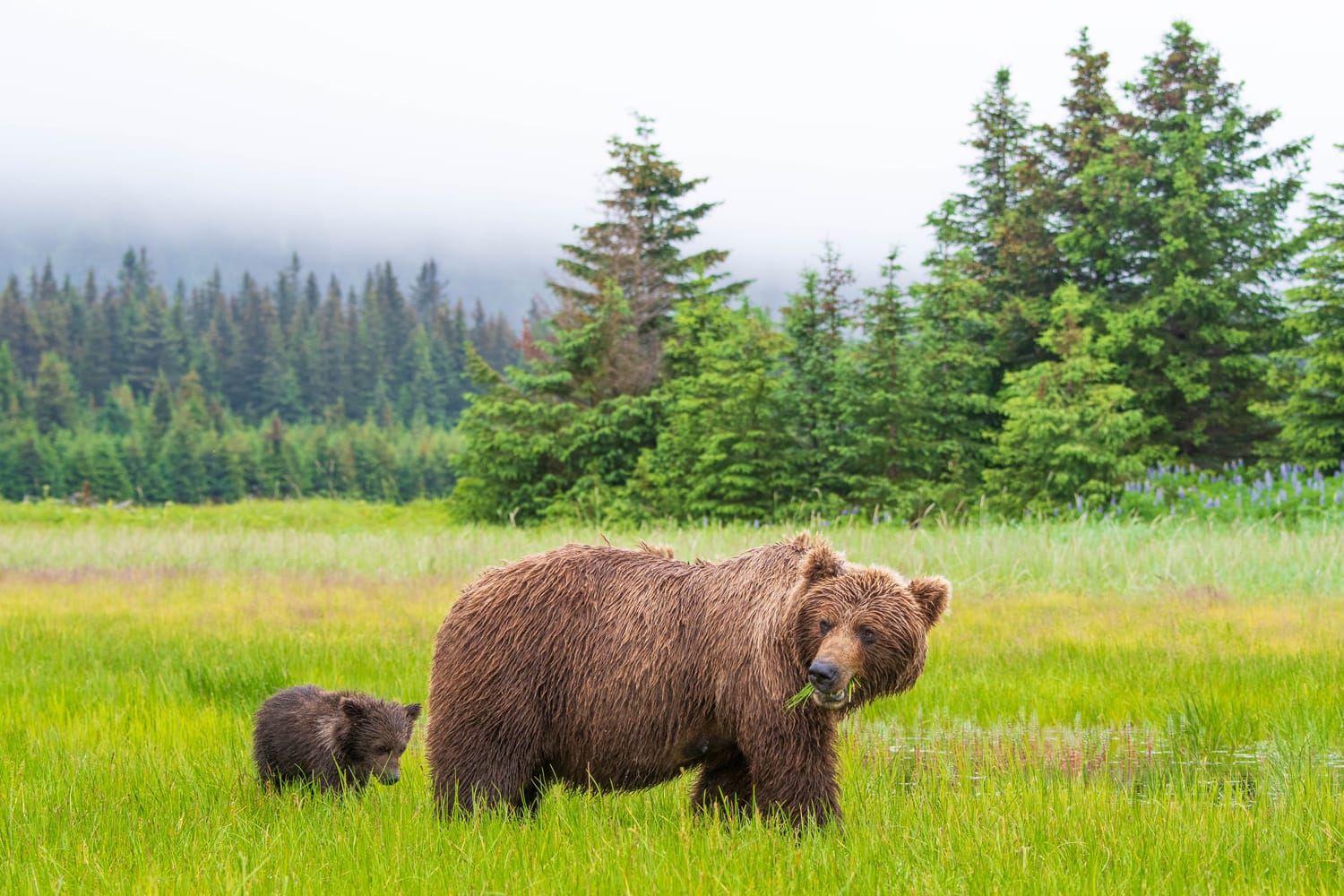
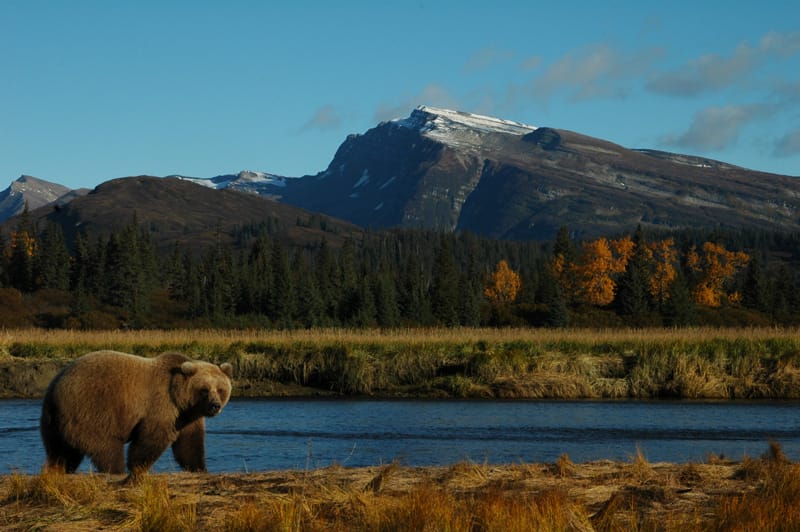
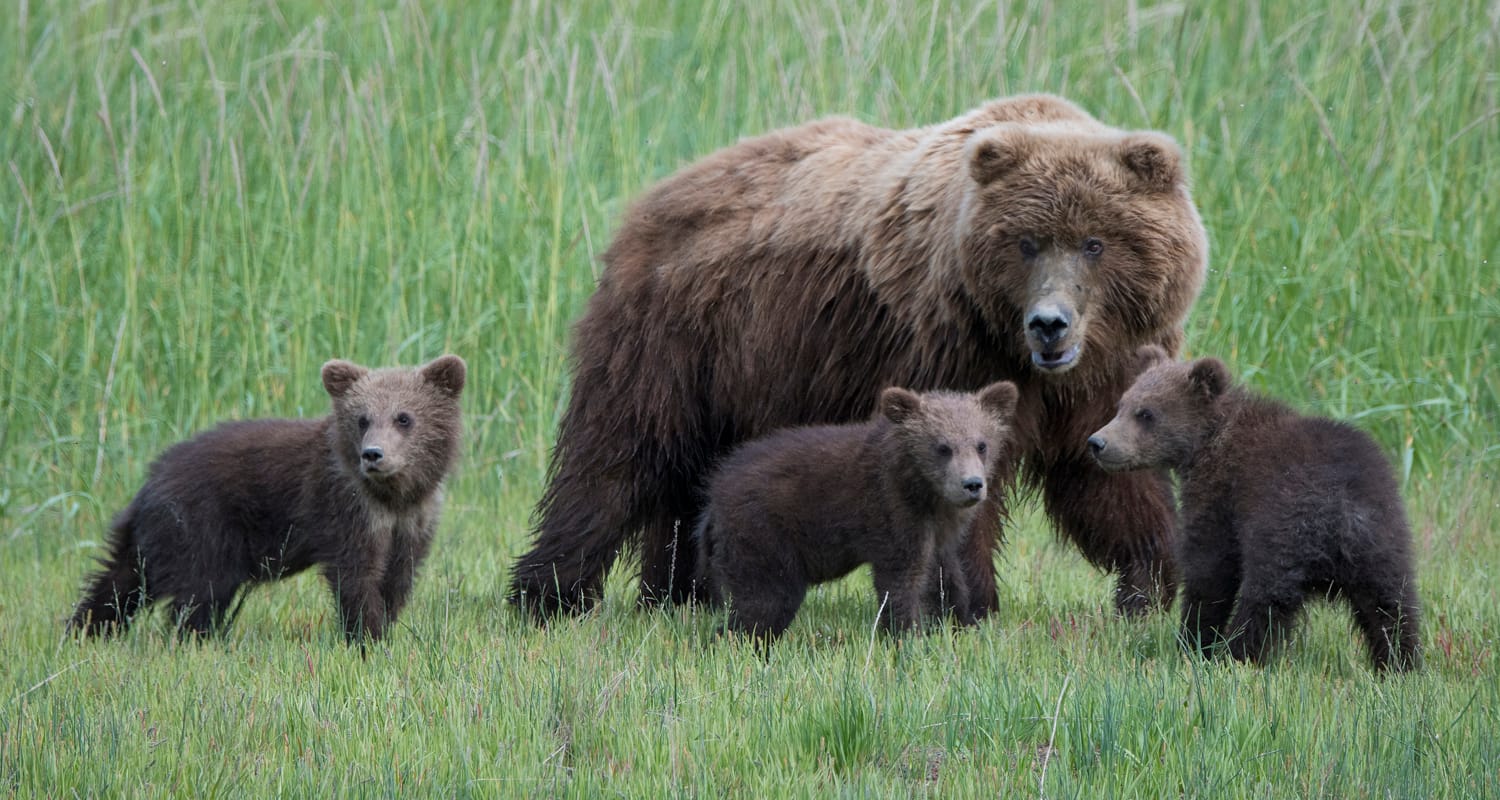
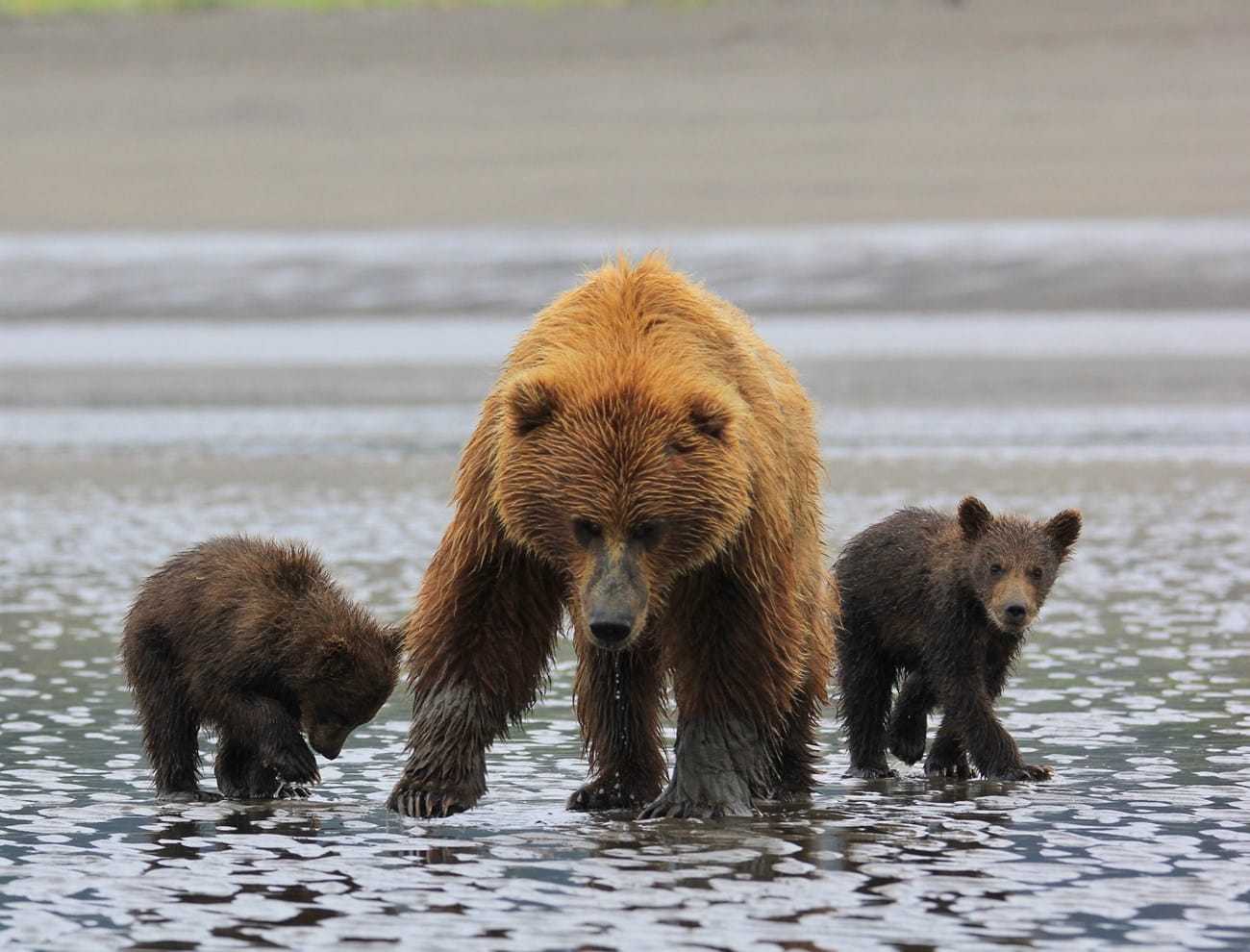
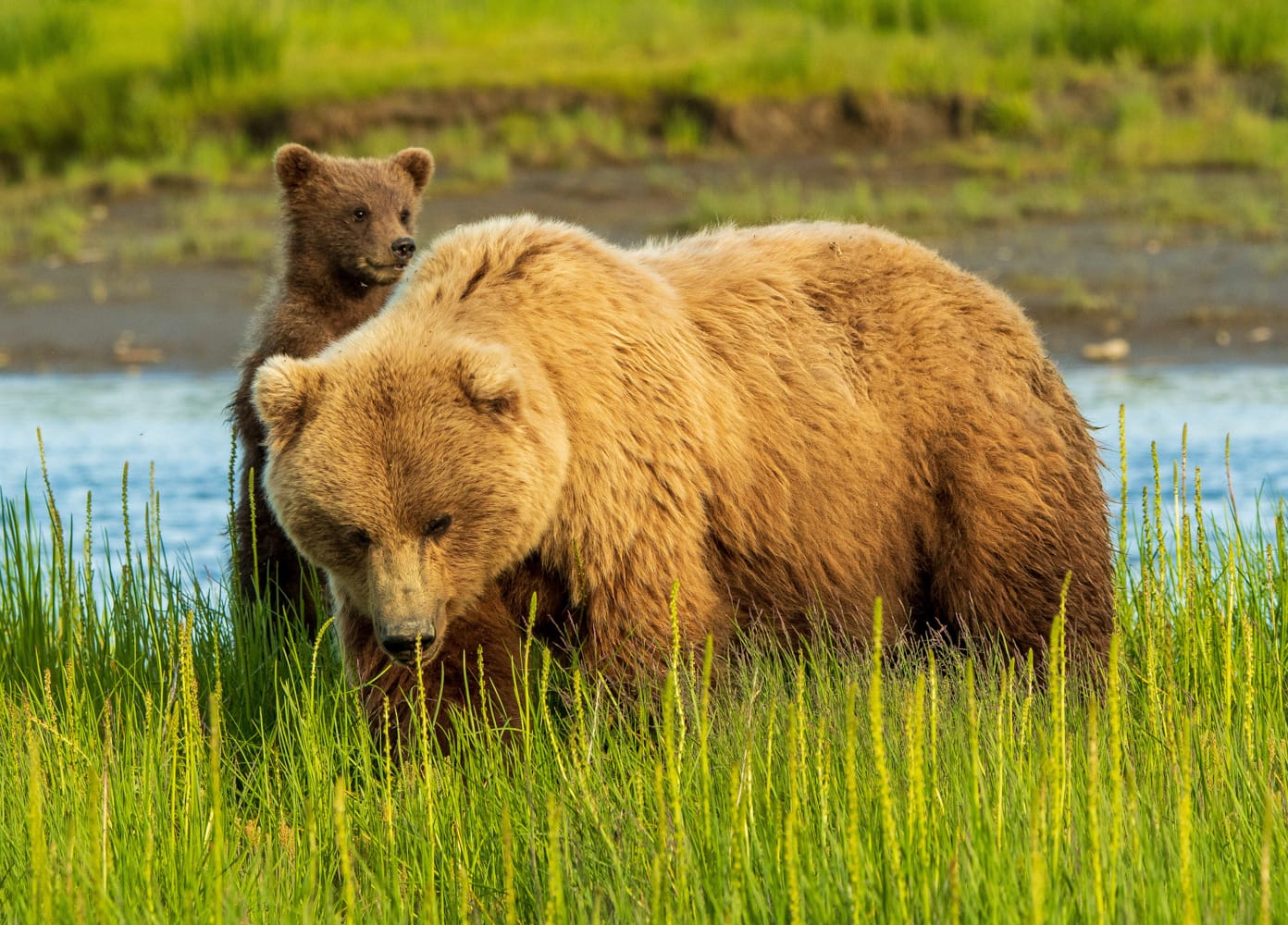
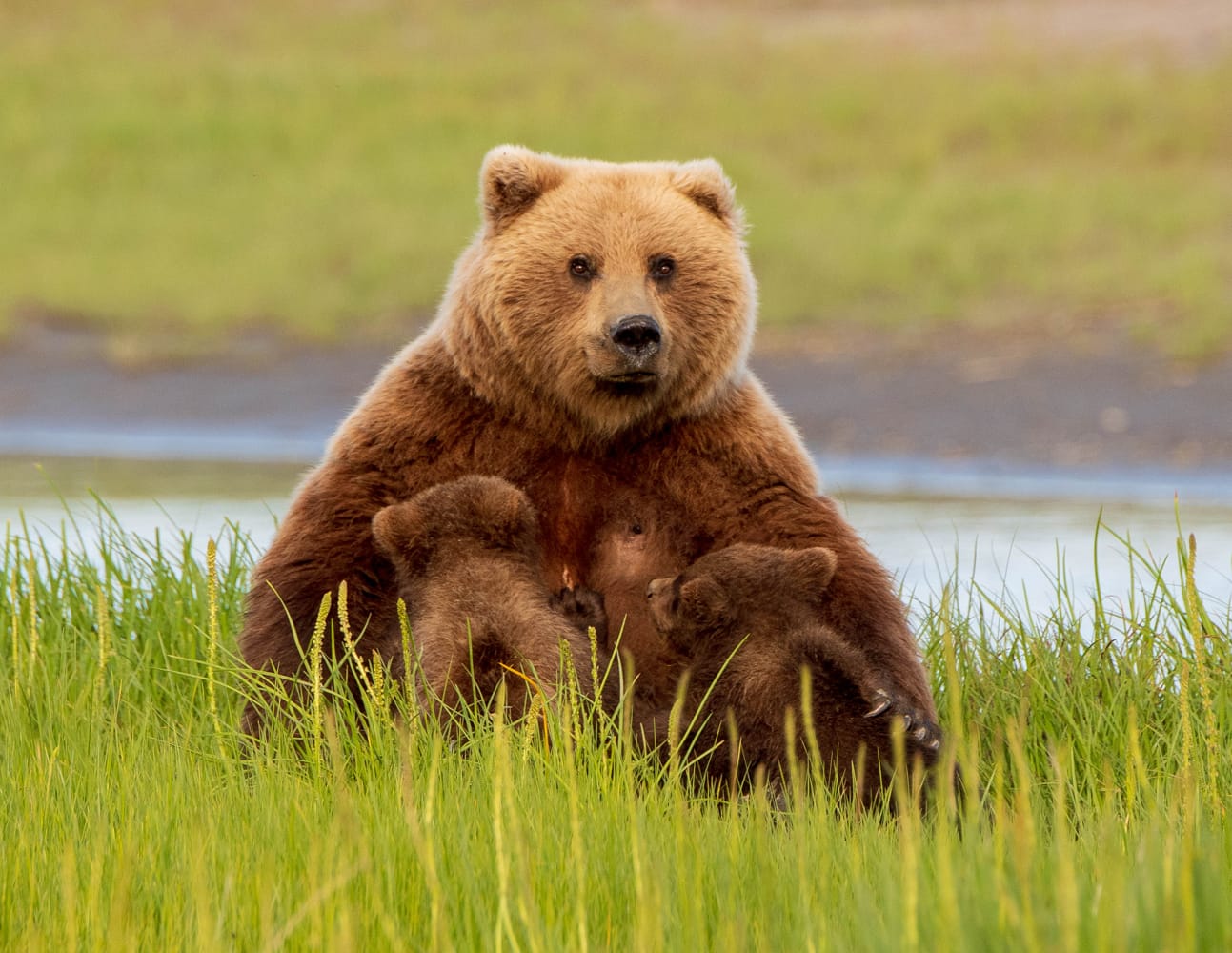
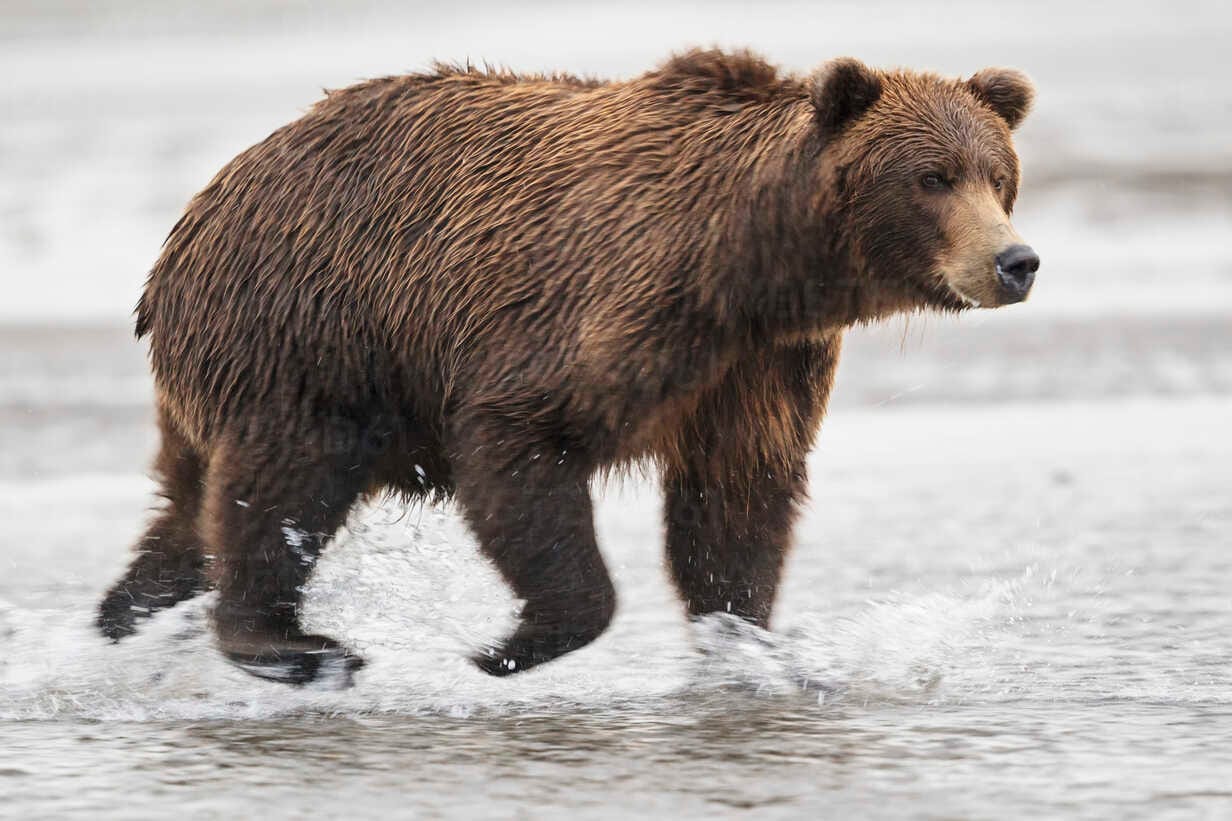
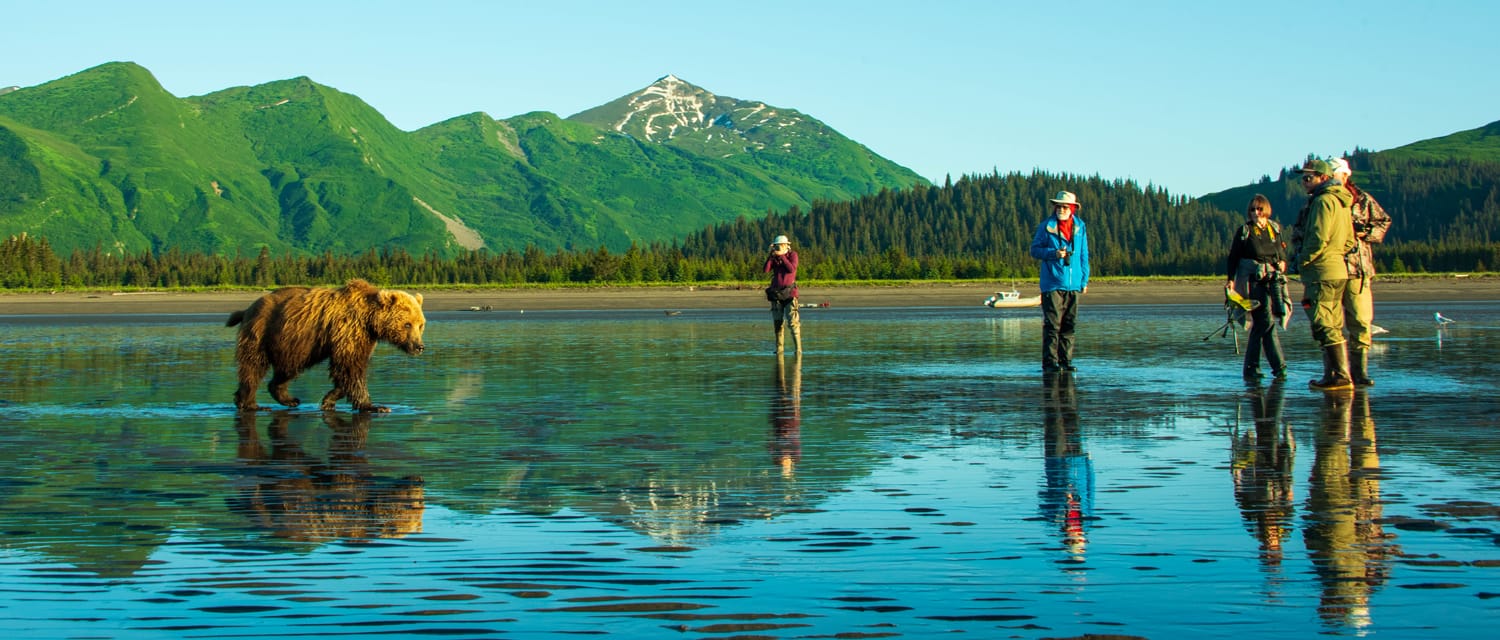
The grizzly bears of Lake Clark National Park and Preserve, in Alaska (United States), are now living their season of copious meals. In October, they take advantage of everything that's available, from fish and sedges to berries, roots and clams, because every gram counts: some exceed 450 kilograms before they get into the bear shed, and that fat is the only thing that will sustain them during a winter without eating or drinking.
Silver Salmon Creek works as a buffet and has made bear watching the great activity of the park, one of the most remote in the country: more than 16,000 square kilometers that can only be reached by plane or boat, with moose, wolves, foxes and marine mammals on its coast.
The Cantabrian brown bear is the same species, but lives in a different way: about 370 specimens, among the smallest in the world, with a vegetable diet of more than eighty percent and an increasingly short hibernation.
Parque Nacional y Reserva del lago Clark, Alaska, EE. UU.
Los osos pardos del Parque Nacional y Reserva del lago Clark, en Alaska (Estados Unidos), viven ahora su temporada de comidas copiosas. En octubre aprovechan todo lo que queda disponible, desde peces y juncias hasta bayas, raíces y almejas, porque cada gramo cuenta: algunos superan los 450 kilogramos antes de meterse en la osera, y esa grasa es lo único que los sostendrá durante un invierno sin comer ni beber.
Silver Salmon Creek funciona como bufé y ha convertido la observación de osos en la gran actividad del parque, uno de los más remotos del país: más de 16.000 kilómetros cuadrados a los que solo se llega en avioneta o en barco, con alces, lobos, zorros y mamíferos marinos en su costa.
El oso pardo cantábrico es la misma especie, pero vive de otro modo: unos 370 ejemplares, entre los más pequeños del mundo, con una dieta vegetal en más del ochenta por ciento y una hibernación cada vez más corta.
Parco Nazionale e Riserva del Lago Clark, Alaska, USA
Gli orsi grizzly del Lake Clark National Park and Preserve, in Alaska (Stati Uniti), stanno ora vivendo la loro stagione di pasti abbondanti. In ottobre, approfittano di tutto ciò che è disponibile, da pesci e carici a bacche, radici e vongole, perché ogni grammo conta: alcuni superano i 450 chilogrammi prima di entrare in letargo , e quel grasso è l'unica cosa che li sostiene durante l'inverno senza mangiare o bere.
Silver Salmon Creek funziona come buffet e ha reso l'osservazione degli orsi la grande attività del parco, uno dei più isolati del paese: oltre 16.000 chilometri quadrati raggiungibili solo in aereo o in barca, con alci, lupi, volpi e mammiferi marini sulla sua costa.
L'orso bruno cantabrico è la stessa specie, ma vive in modo diverso: circa 370 esemplari, tra i più piccoli al mondo, con una dieta vegetale superiore all'ottanta percento e un letargo sempre più breve.
The Mouth of Truth is a reader-supported publication. To receive new posts and support my work, consider becoming a free or paid subscriber.
Free and voluntary gesture on Pay Pal