Helsinki, Uusimaa, Finlandia
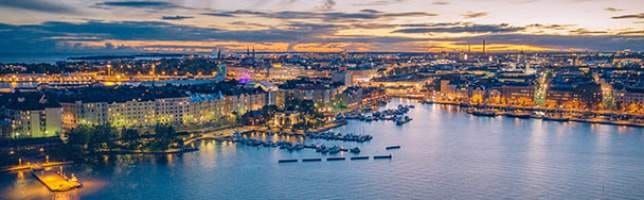
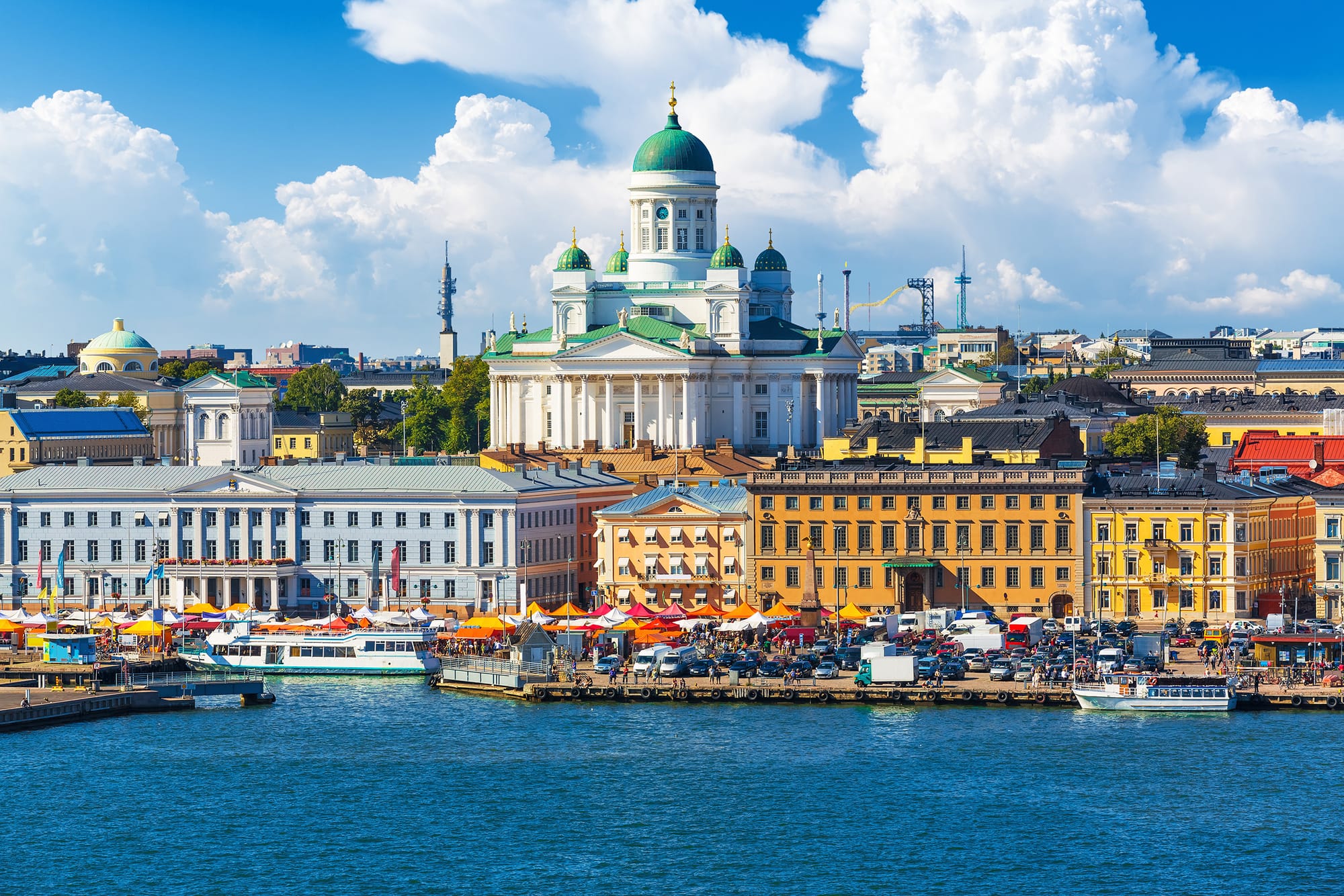
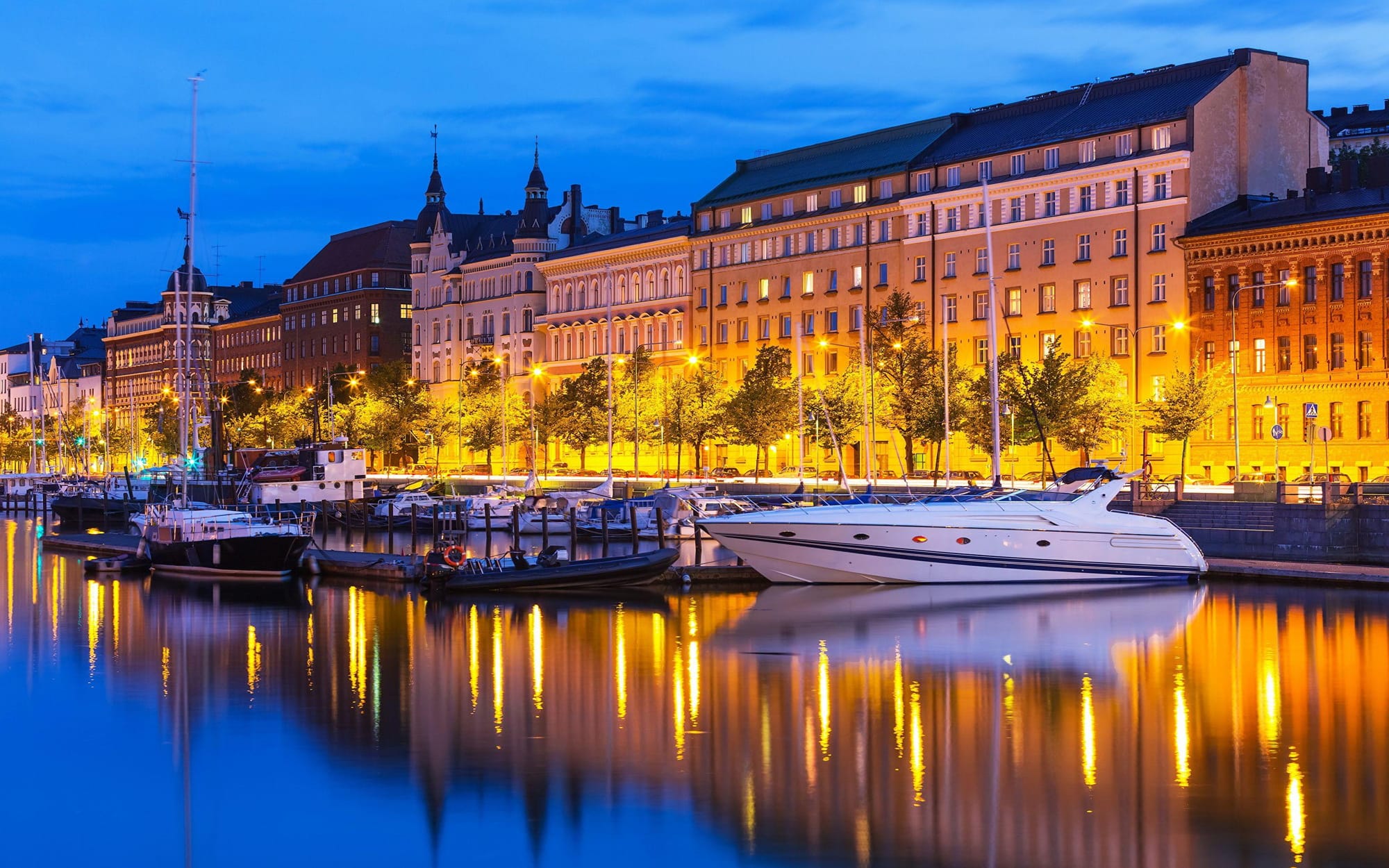
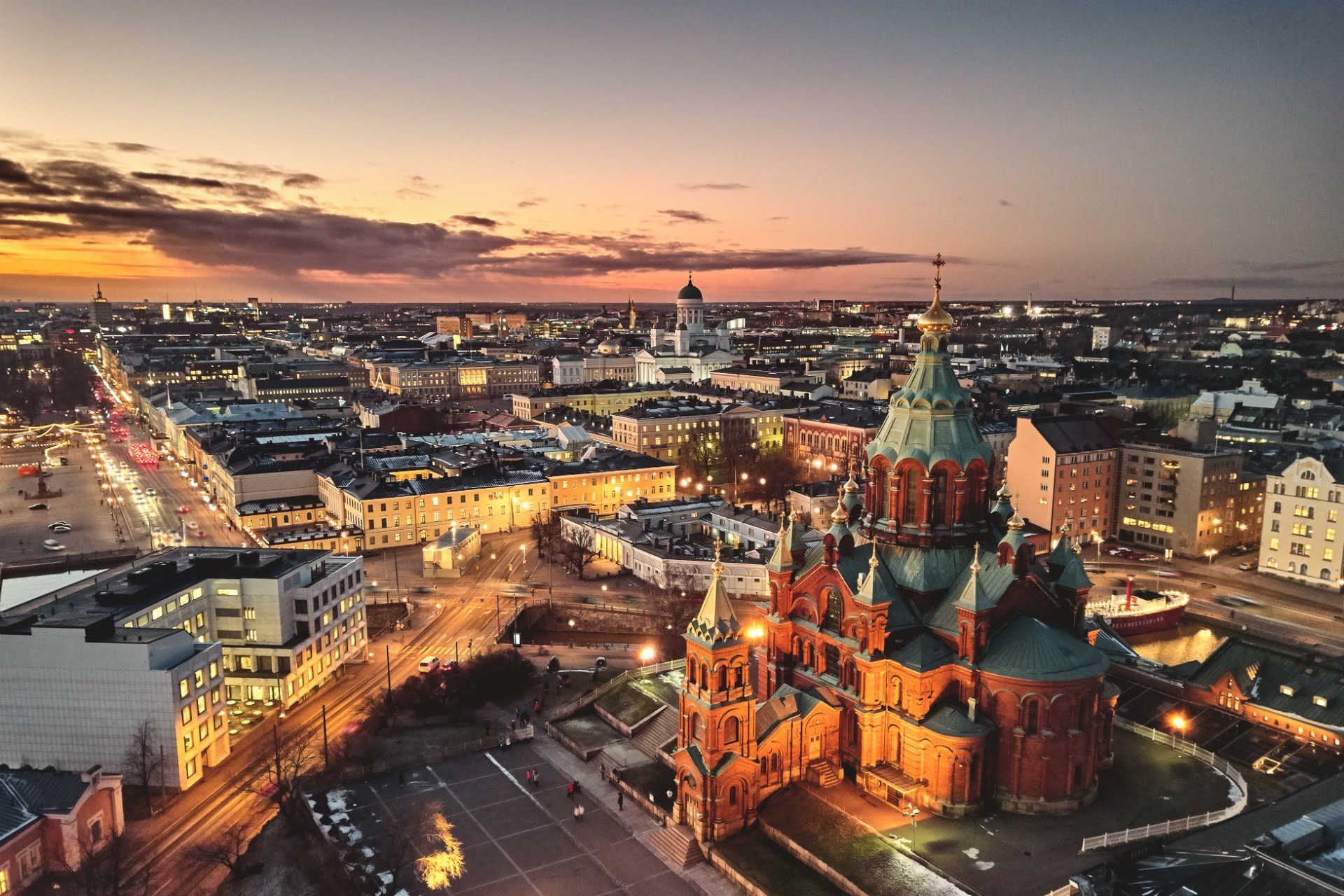
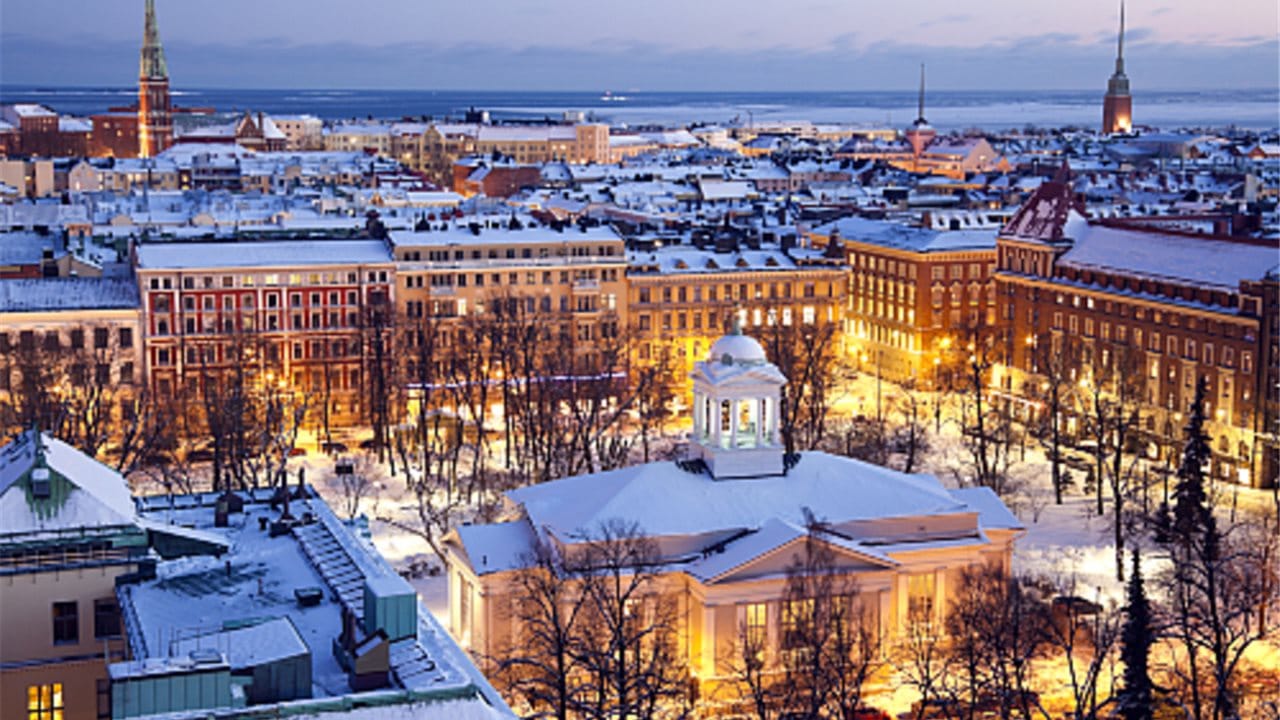
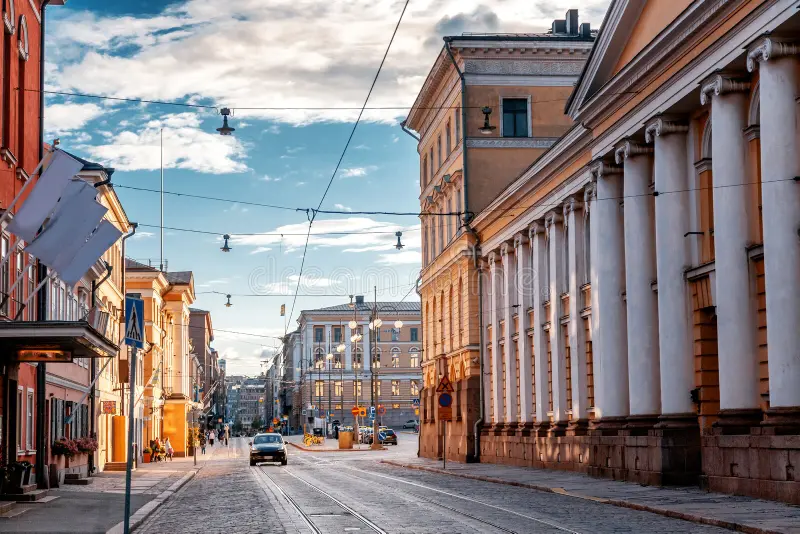
Helsinki, the vibrant capital of Finland, is a city where the sea, history and design coexist in perfect harmony. Founded in 1550 by King Gustav I of Sweden, it did not reach its role as capital until 1812, although time has only polished its character.
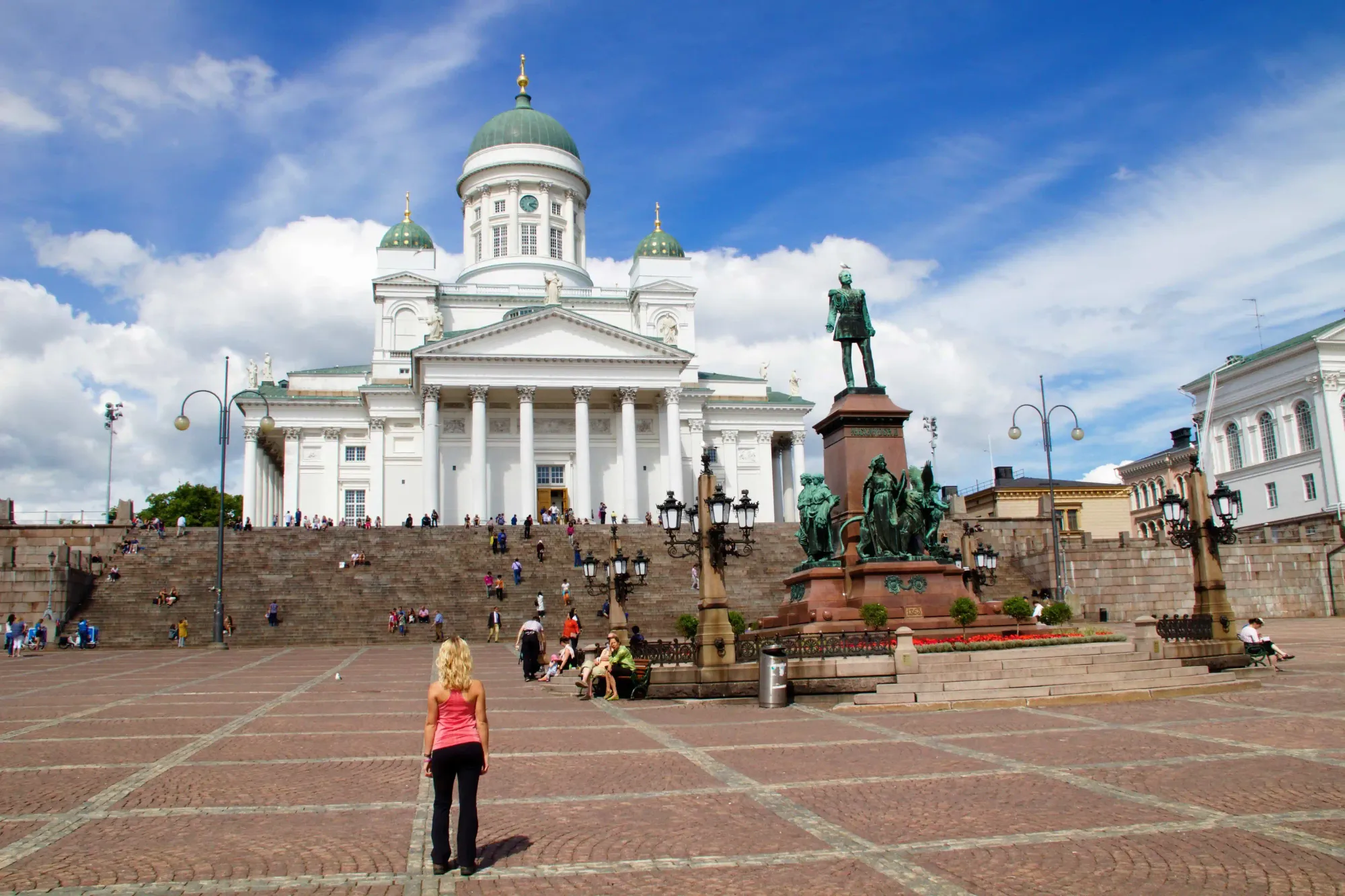
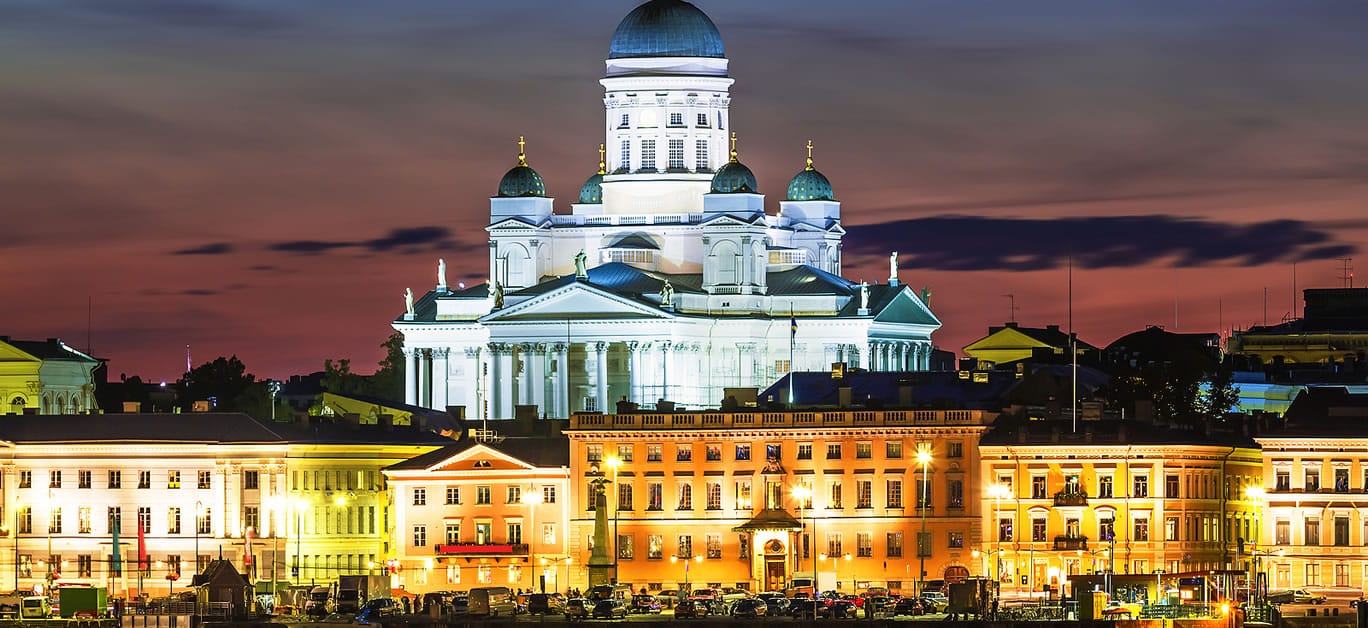
Today, a stroll through the Plaza del Senado and the imposing white-domed cathedral can end at Suomenlinna, a maritime fortress declared a UNESCO World Heritage Site and accessible by ferry, with an air reminiscent of the Castle of San Sebastian in Cadiz.
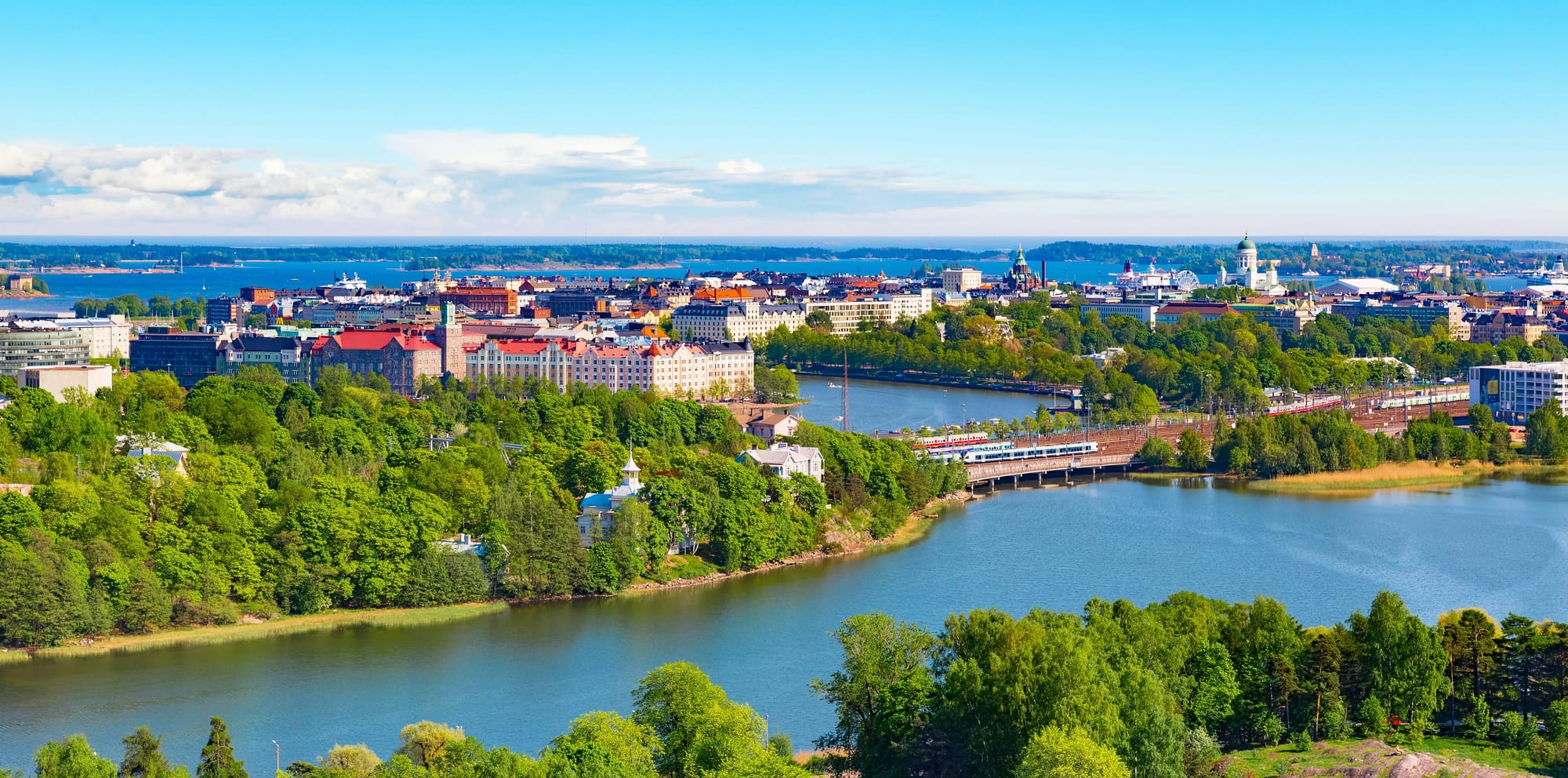
The city is spread over more than 300 islands, and more than seventy percent of its 686 square kilometers is water. In autumn, the nearby forests invite you to pick blueberries and mushrooms under the Finnish nature right. To recharge your batteries, the Karelian cakes, salmon soup and cinnamon buns are a must. And if someone lends you a hand, a "kiitos" – thank you in Finnish – always opens doors.
Helsinki, la vibrante capital de Finlandia, es una ciudad donde el mar, la historia y el diseño conviven en perfecta armonía. Fundada en 1550 por el rey Gustavo I de Suecia, no alcanzó su papel de capital hasta 1812, aunque el tiempo no ha hecho más que pulir su carácter.
Hoy, un paseo por la plaza del Senado y la imponente catedral de cúpula blanca puede terminar en Suomenlinna, una fortaleza marítima declarada Patrimonio de la Humanidad por la UNESCO y accesible en ferry, con un aire que recuerda al Castillo de San Sebastián en Cádiz.
La ciudad se despliega sobre más de 300 islas, y más del setenta por ciento de sus 686 kilómetros cuadrados es agua. En otoño, los bosques cercanos invitan a recoger arándanos y setas bajo el derecho de libre acceso a la naturaleza finlandés. Para reponer fuerzas, los pasteles de Carelia, la sopa de salmón y los bollos de canela son parada obligatoria. Y si alguien te echa una mano, un «kiitos» —gracias en finlandés— siempre abre puertas.
Helsinki, la vivace capitale della Finlandia, è una città dove mare, storia e design convivono in perfetta armonia. Fondata nel 1550 dal re Gustavo I di Svezia, non raggiunse il suo ruolo di capitale fino al 1812, anche se il tempo ne ha solo affinato il carattere.
Oggi, una passeggiata attraverso Plaza del Senado e l'imponente cattedrale dalla cupola bianca può terminare a Suomenlinna, una fortezza marittima dichiarata Patrimonio dell'Umanità UNESCO e accessibile in traghetto, con un'aria che ricorda il Castello di San Sebastián a Cadice.
La città si estende su più di 300 isole, e oltre il settanta percento dei suoi 686 chilometri quadrati è costituito da acqua. In autunno, le foreste vicine invitano a raccogliere mirtilli e funghi con il diritto di libero accesso alla natura finlandese. Per recuperare le forze, le torte careliane, la zuppa di salmone e i panini alla cannella sono indispensabili. E se qualcuno ti dà una mano, un "kiitos" – grazie in finlandese – apre sempre le porte.
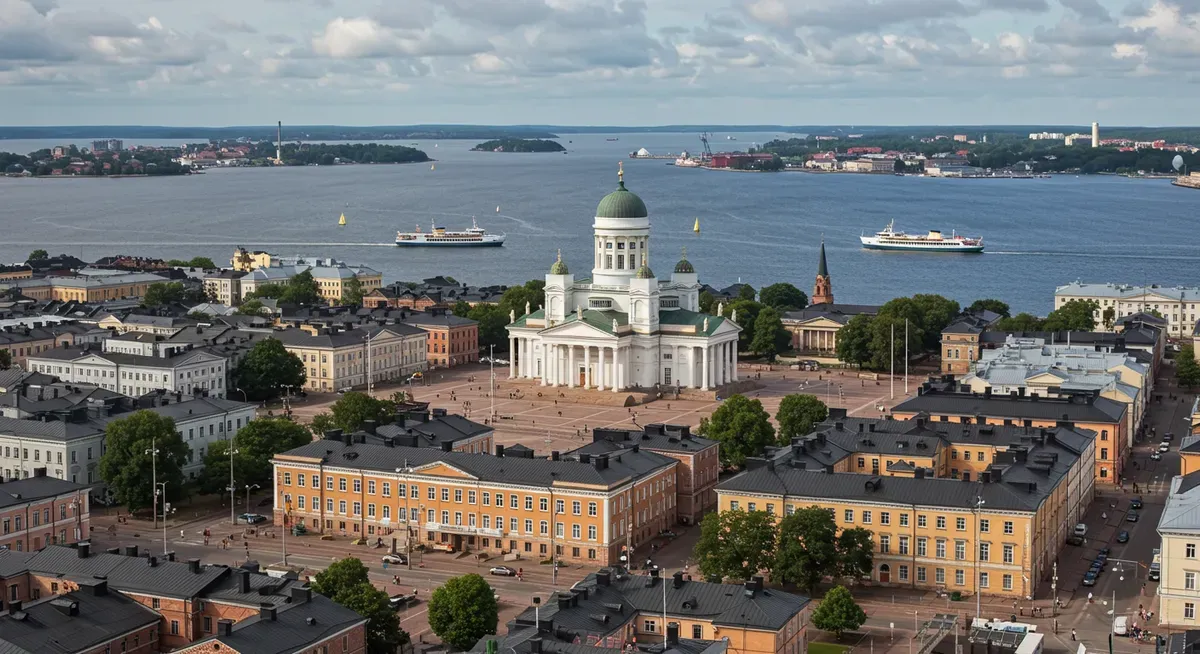
Helsinki
The Mouth of Truth is a reader-supported publication. To receive new posts and support my work, consider becoming a free or paid subscriber.
Free and voluntary gesture on Pay Pal