
Eurasian Lynx (Lynx lynx)
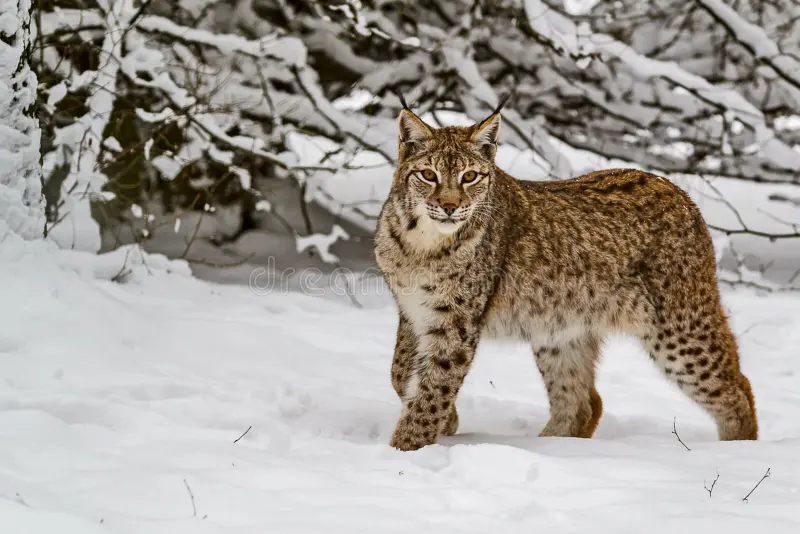
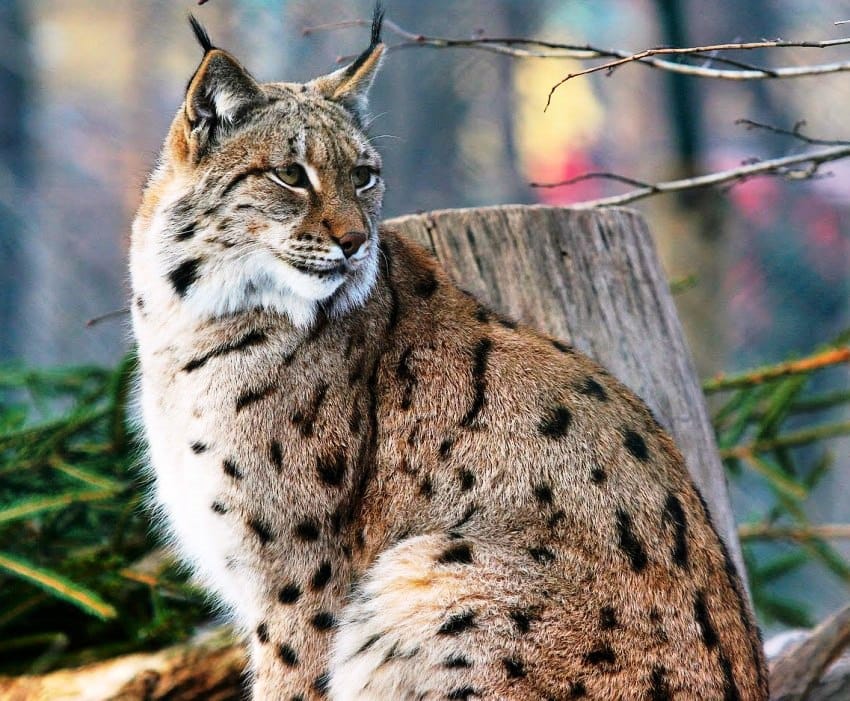
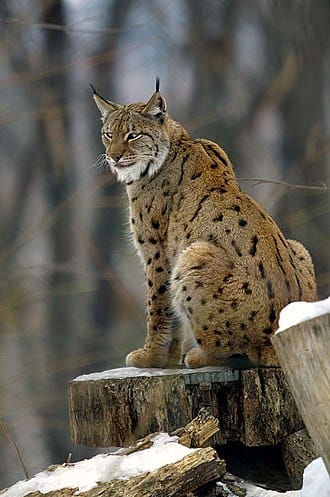
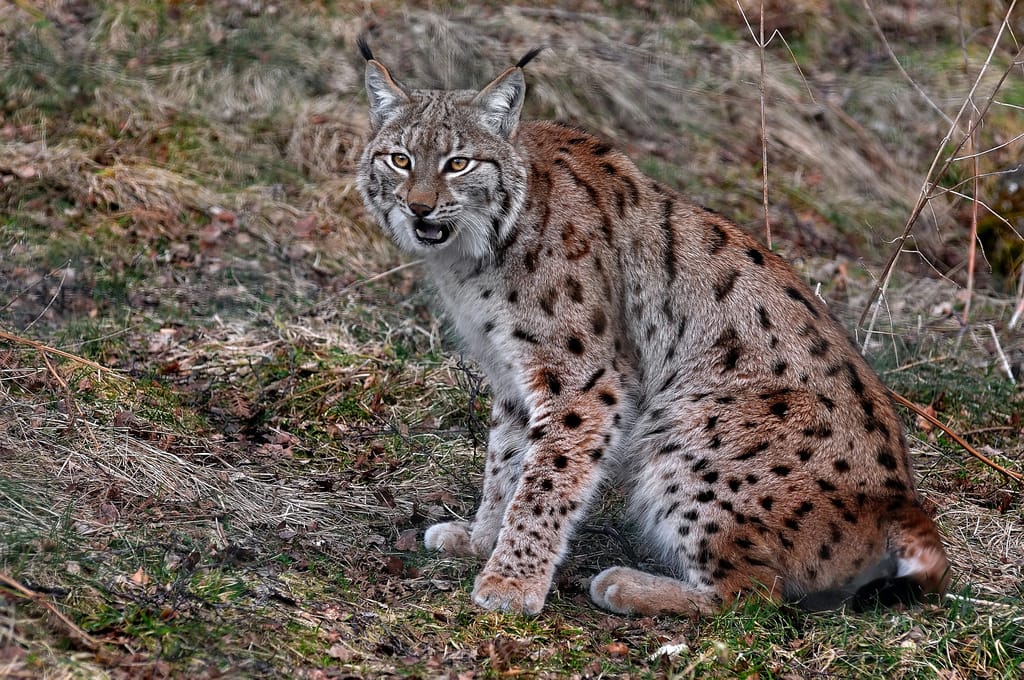
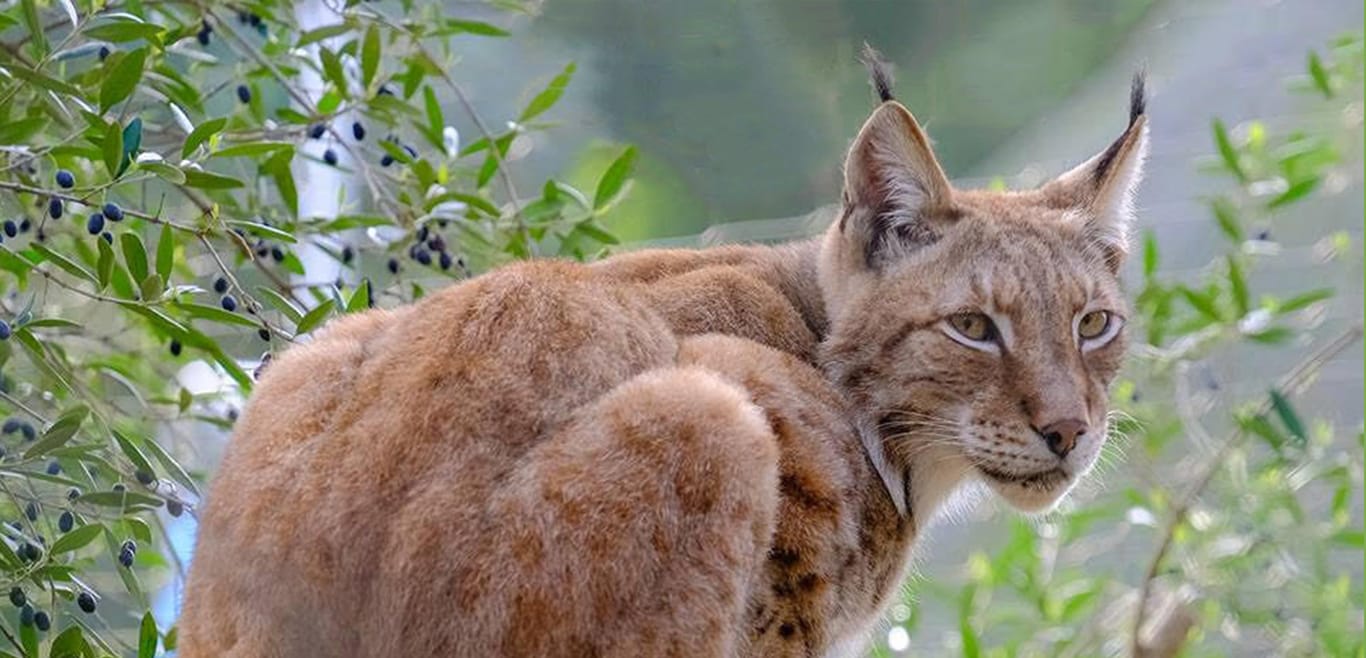
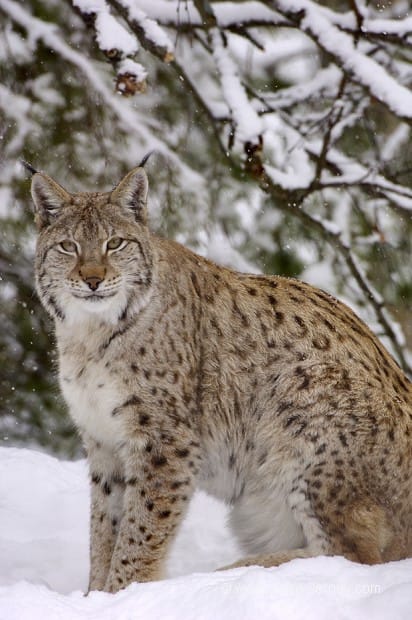
Imagine a cat that can vanish silently into the forest—that’s the Eurasian lynx. With its tufted ears and piercing gaze, it is the largest of the four lynx species. Its padded paws not only allow it to move stealthily; they act like snowshoes, distributing its weight to chase prey across deep winter drifts. Primarily nocturnal, it spends the day hidden in thickets or rocky dens, emerging at night to stalk deer, hares, or squirrels.
Lynxes lead solitary lives. Males and females mark their territories with scratches and scents, like secret notes scattered through the forest. Yet human hunting has taken a heavy toll: between 1970 and 1980, thousands of pelts were exported from Russia and China, drastically reducing their populations. Although fur trade restrictions have helped, poaching and habitat loss continue to pose ongoing threats.
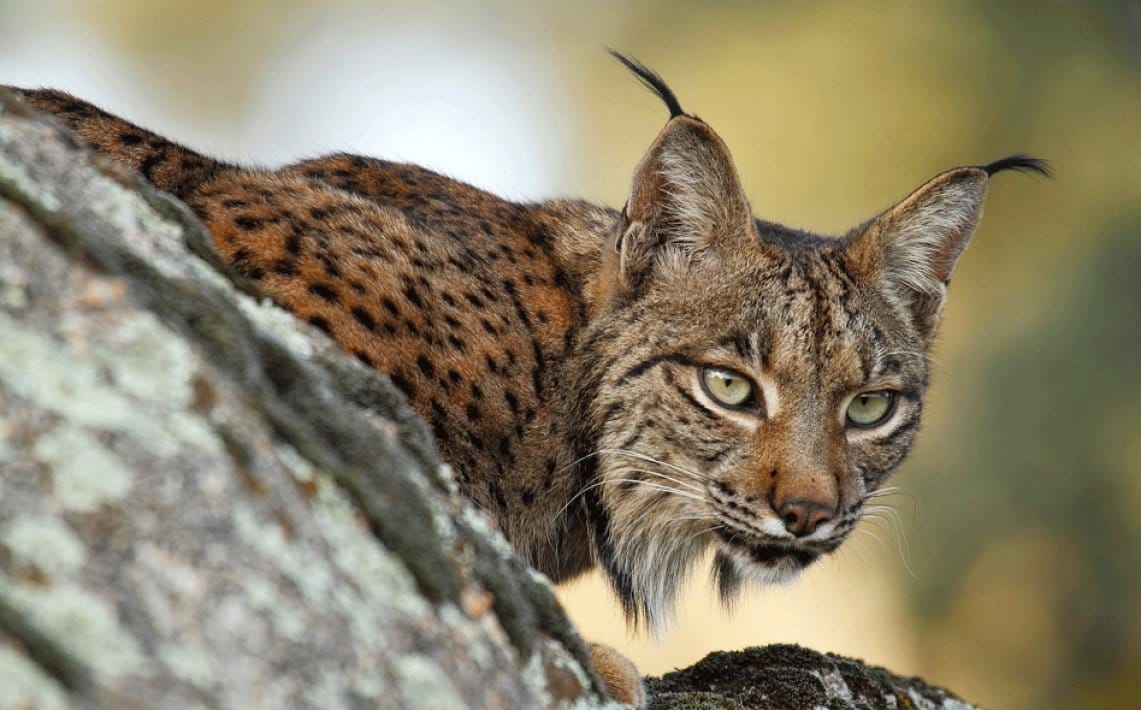
In Spain, the Iberian lynx—a close cousin of the Eurasian lynx—is one of Europe’s most iconic and endangered wild cats. It can be found in natural parks across Andalusia and Castilla-La Mancha. Spotting one is a rare and unforgettable experience that connects deeply with the country’s natural richness.
🐾 Key Highlights:
Primarily
🔍 Physical Traits
- Largest of the four lynx species.
- Distinctive tufted ears, piercing gaze, and padded paws that act like snowshoes.
- Fur varies from reddish to brown, with black spots—brighter and more spotted in southern populations.
🌙 Behavior
- Nocturnal: hides in thickets or rocky dens during the day, hunts at night.
- Solitary lifestyle: males and females mark territory with scratches and scent—like secret forest notes.
🍽️ Diet
- Hunts deer, hares, squirrels.
- In Anatolia, the European hare makes up 79–99% of its consumed prey biomass.
🌍 Habitat & Distribution
- Native to European and Siberian forests, also found in meadows and low-altitude mountain pastures.
- Reintroduction programs active in Switzerland, Slovenia, Italy, Austria, Czech Republic, Germany, and France.
⚠️ Threats
- Heavily hunted for fur between 1970–1980, especially in Russia and China.
- Though fur trade restrictions helped, poaching and habitat loss remain serious threats.
🧬 Subspecies
- Includes:
- L. l. lynx (Scandinavia and Baltic)
- L. l. dinniki (Anatolia)
- L. l. martinoi (Balkans)
🧠 Anatomy
- Skull features: short snout, rounded apex, large canines, and well-developed carnassial teeth.
🇪🇸 In Spain
- The Iberian lynx, a close relative, is one of Europe’s most iconic and endangered wild cats.
- Found in natural parks of Andalusia and Castilla-La Mancha—spotting one is a rare and magical experience.