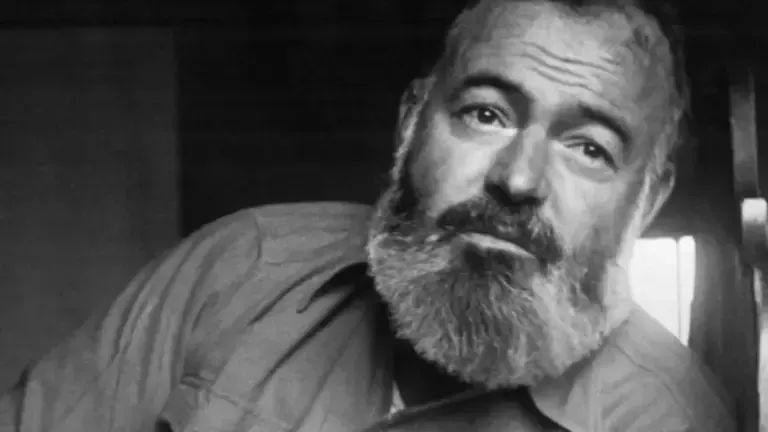
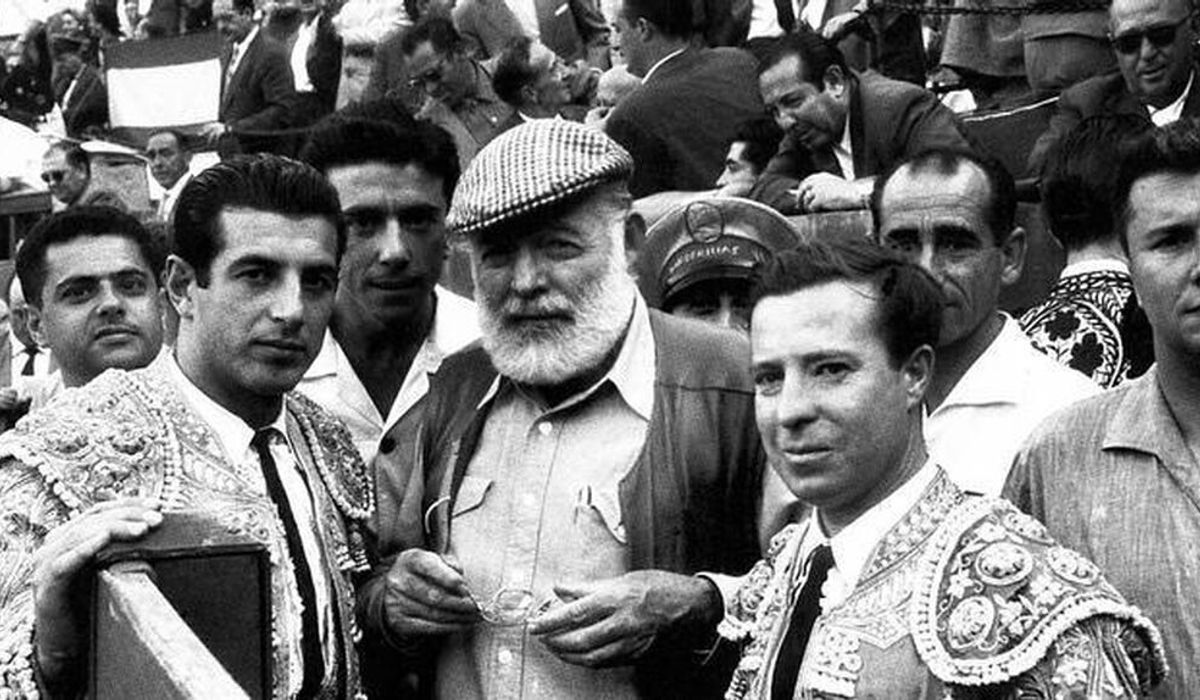
Ernest Hemingway y su famosa reflexión sobre España: "Si el pueblo español tiene algún rasgo común es el orgullo, y si tiene otro es el sentido común"
Hemingway y su vínculo profundo con España
- Ernest Hemingway es presentado como uno de los grandes escritores y periodistas del siglo XX, ganador del Pulitzer (1953) y el Nobel (1954) .
- Su vida estuvo marcada por experiencias intensas: conductor de ambulancias en la Primera Guerra Mundial, herido en combate, y corresponsal en la Guerra Civil Española .
- España no fue para él un destino más: se convirtió en un amor incondicional, reflejado en su obra y en frases célebres como:
- “España es el último país bueno que ha quedado”
- “Si el pueblo español tiene algún rasgo común es el orgullo, y si tiene otro es el sentido común”
- Admiraba profundamente las tradiciones españolas, especialmente los Sanfermines, y su experiencia en la Guerra Civil inspiró su novela “Por quién doblan las campanas” (1940) .
Hemingway and His Deep Bond with Spain
- Ernest Hemingway is portrayed as one of the great writers and journalists of the 20th century, winner of the Pulitzer Prize (1953) and the Nobel Prize (1954).
- His life was marked by intense experiences: ambulance driver in World War I, wounded in combat, and war correspondent during the Spanish Civil War.
- Spain was not just another destination for him — it became a profound love, reflected in his work and in famous quotes such as:“Spain is the last good country left.”“If the Spanish people share a common trait, it is pride — and another is common sense.”
- He admired Spanish traditions, especially the Sanfermines, and his experience in the Civil War inspired his novel “For Whom the Bell Tolls” (1940).
Hemingway e il suo legame profondo con la Spagna
- Ernest Hemingway è presentato come uno dei grandi scrittori e giornalisti del XX secolo, vincitore del Pulitzer (1953) e del Nobel (1954).
- La sua vita fu segnata da esperienze intense: autista di ambulanze nella Prima Guerra Mondiale, ferito in combattimento, e corrispondente durante la Guerra Civile Spagnola.
- La Spagna non fu per lui una semplice tappa: divenne un amore assoluto, riflesso nella sua opera e in frasi celebri come:“La Spagna è l’ultimo paese buono che è rimasto.”“Se il popolo spagnolo ha un tratto comune è l’orgoglio, e un altro è il buon senso.”
- Ammirava profondamente le tradizioni spagnole, in particolare i Sanfermines, e la sua esperienza nella Guerra Civile ispirò il romanzo “Per chi suona la campana” (1940).
SPONSORED
The Mouth of Truth is a reader-supported publication. To receive new posts and support my work, consider becoming a free or paid subscriber.
CLICK to support this work
Free and voluntary gesture on Pay Pal