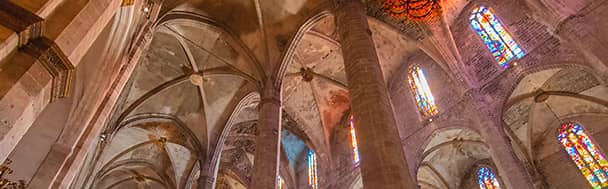
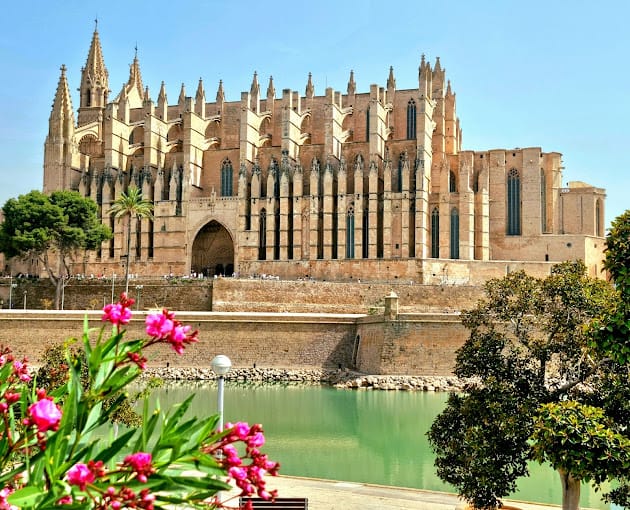
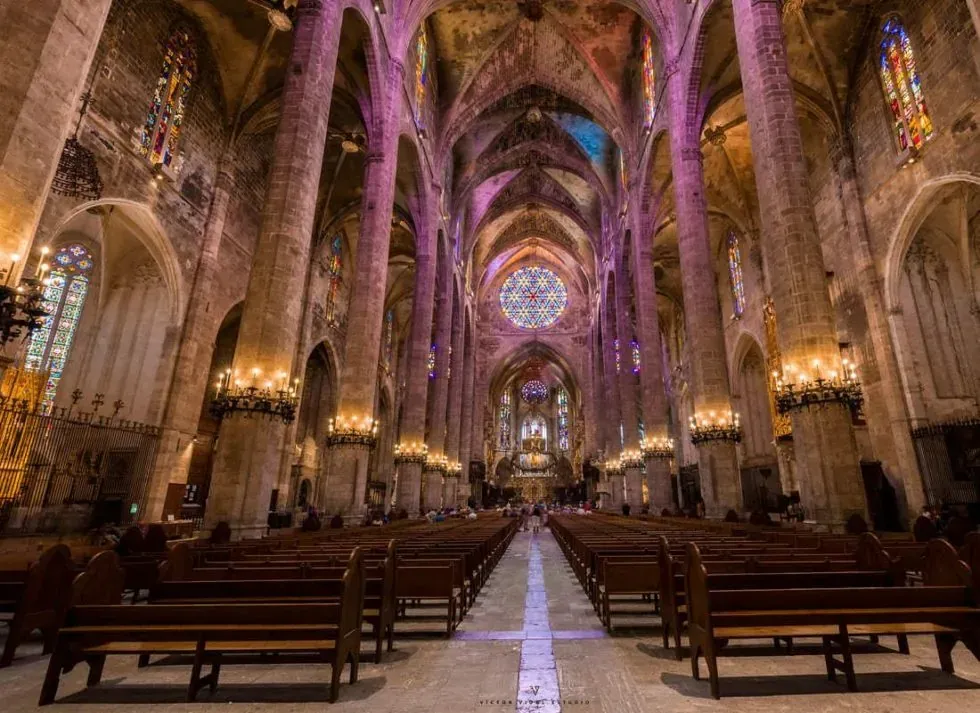
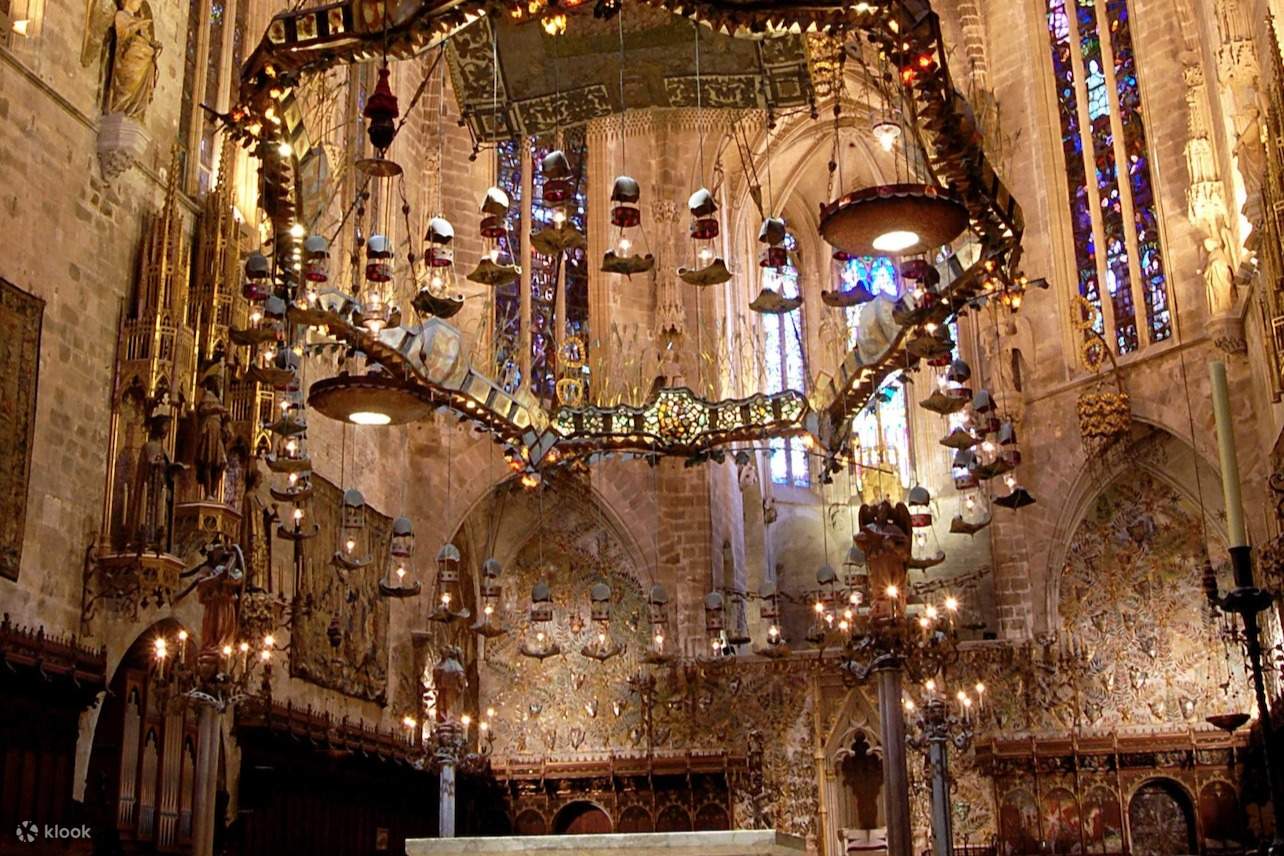
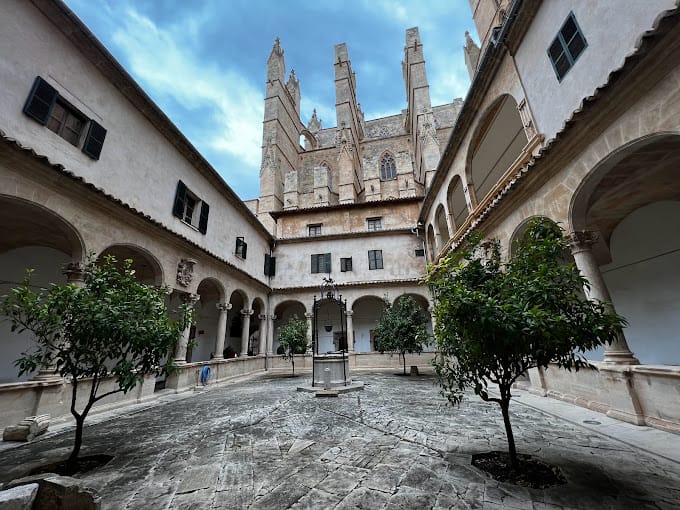
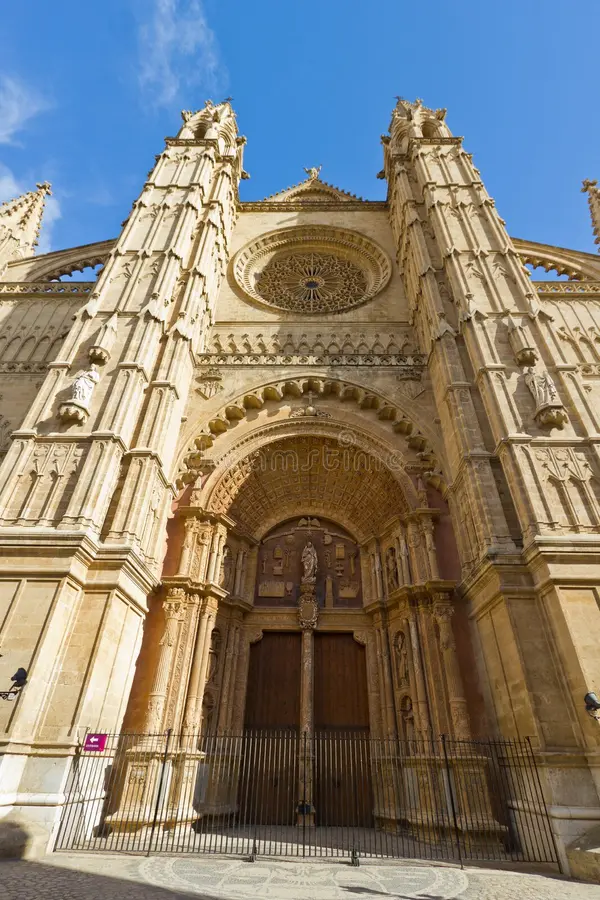
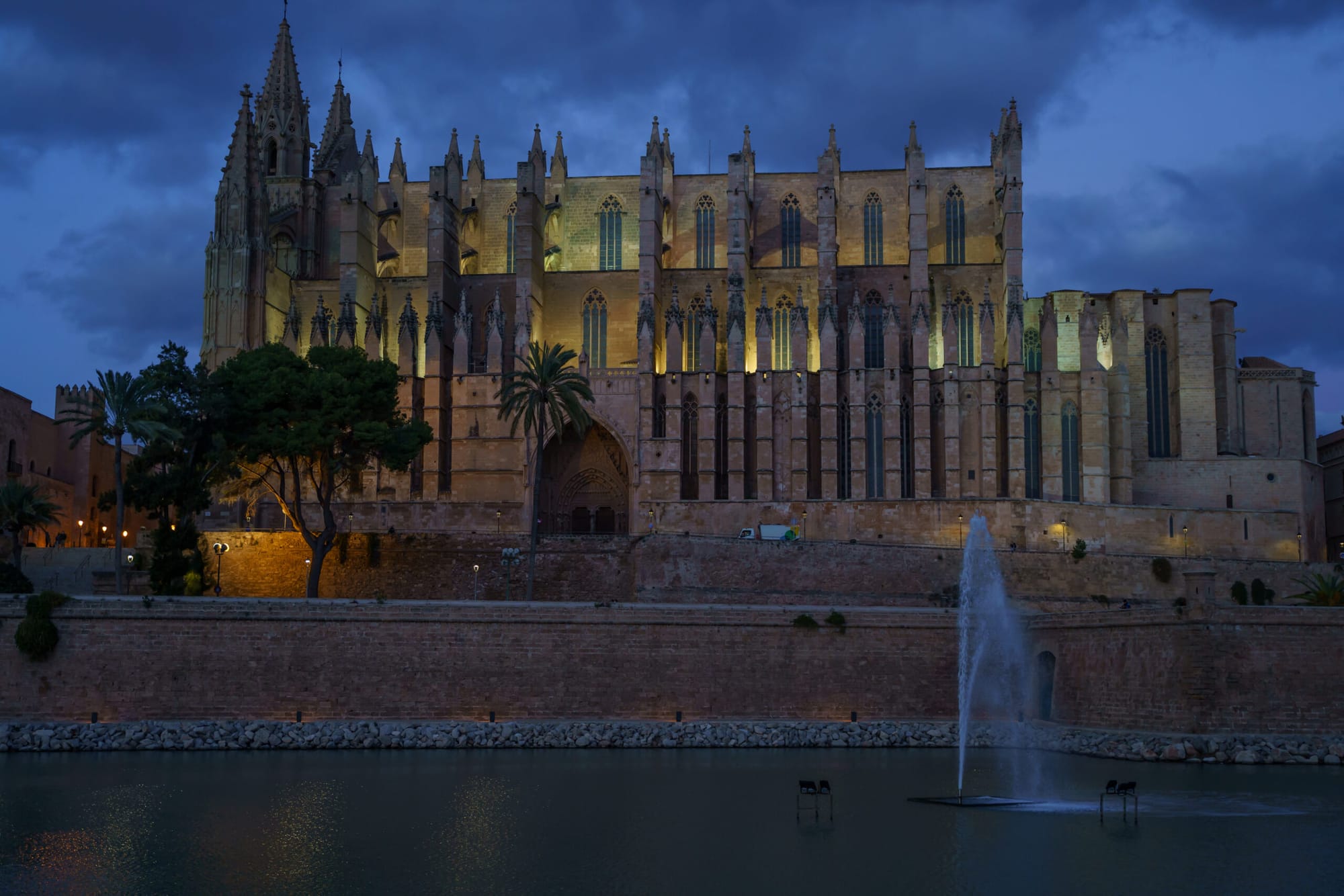
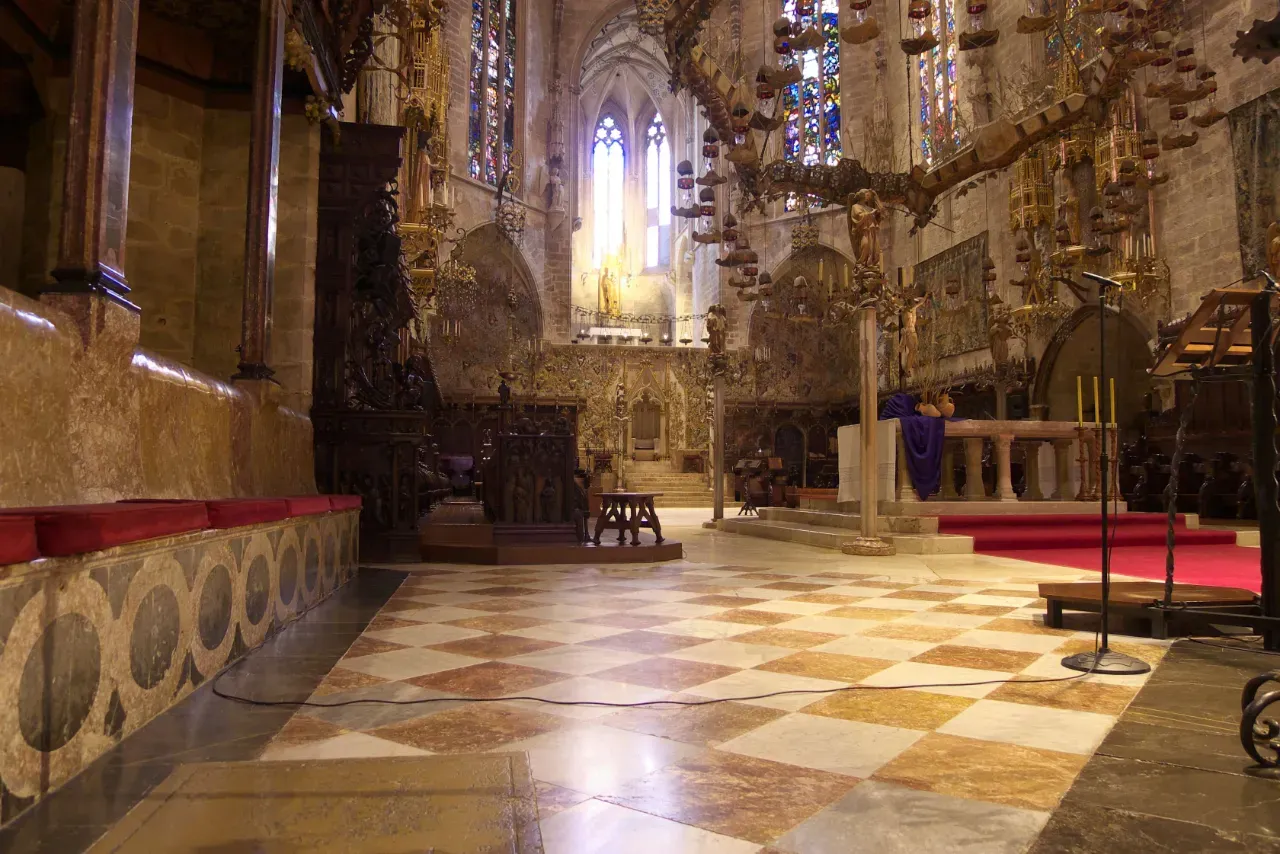
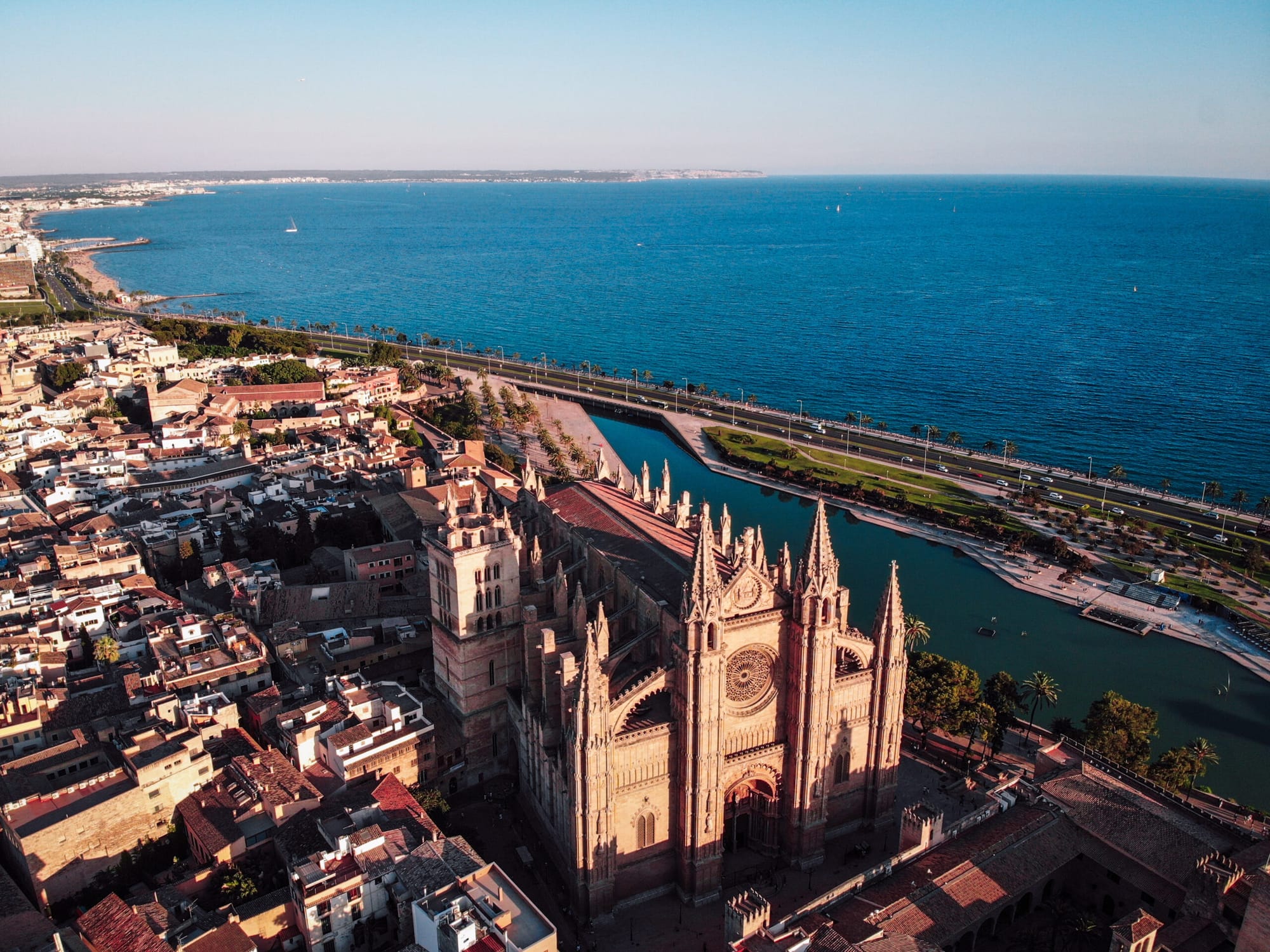
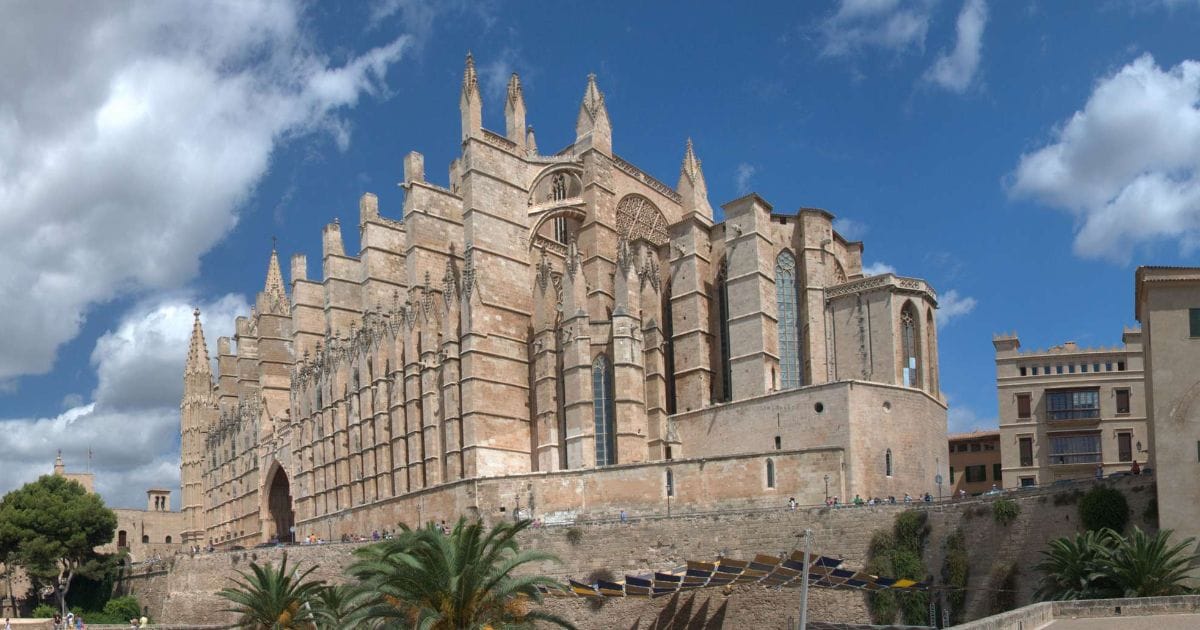
Canto de la Sibila, Catedral de Mallorca, Islas Baleares, España
En la mágica Nochebuena de Mallorca, un antiguo ritual ilumina la catedral de Santa María: el Canto de la Sibila. Este drama litúrgico de melodía gregoriana, declarado Patrimonio Inmaterial de la Humanidad por la UNESCO en 2010, se interpreta cada 24 de diciembre durante la Misa de Gallo y los maitines de Navidad.
La Sibila, profetisa de la antigüedad, anuncia el juicio final con un poema conocido como “Judicii Signum”, acompañado por jóvenes acólitos que llenan la catedral de voces puras y solemnes. A pesar de haber sido prohibido en épocas pasadas, este canto ha perdurado y se ha convertido en un símbolo único de la Navidad mallorquina. Además de su profundo valor histórico y religioso, el Canto de la Sibila ofrece un espectáculo sonoro y visual que une tradiciones paganas y cristianas, fascinando a locales y visitantes. Curiosamente, esta interpretación es tan especial que solo se escucha en Mallorca y en la ciudad de Alguer, en Cerdeña, convirtiéndola en un tesoro casi exclusivo de la cultura mediterránea.
Vivir la Nochebuena escuchando la Sibila es adentrarse en siglos de historia, misterio y devoción. Mallorca te invita a ser testigo de esta experiencia única que transforma la Navidad en un momento inolvidable.
Song of the Sibyl, Mallorca Cathedral, Balearic Islands, Spain
On Mallorca's magical Christmas Eve, an ancient ritual illuminates the cathedral of Santa María: the Song of the Sibyl. This liturgical drama with a Gregorian melody, declared Intangible Heritage of Humanity by UNESCO in 2010, is performed every December 24 during Midnight Mass and Christmas Matins.
The Sibyl, prophetess of antiquity, announces the final judgment with a poem known as "Judicii Signum", accompanied by young acolytes who fill the cathedral with pure and solemn voices. Despite being banned in the past, this song has endured and has become a unique symbol of Mallorcan Christmas. In addition to its profound historical and religious value, the Song of the Sibyl offers a sound and visual spectacle that unites pagan and Christian traditions, fascinating locals and visitors. Curiously, this performance is so special that it is only heard in Mallorca and in the city of Alghero, in Sardinia, making it an almost exclusive treasure of Mediterranean culture.
To live Christmas Eve listening to the Sibyl is to enter into centuries of history, mystery and devotion. Mallorca invites you to witness this unique experience that transforms Christmas into an unforgettable moment.
On this day 1986 Round-the-World Flight:
Pilots Dick Rutan and Jeana Yeager land the bizarre experimental aircraft at Edwards Air Force Base in California, completing the first round-the-world flight without refueling. The journey lasted nine days and three minutes and covered 25,000 miles.
On this day 1954 1st kidney transplant:
A medical team described by a doctor as a "bunch of fools," performs the procedure on 23-year-old identical twins, Richard and Ronald Herrick. The beneficiary will live eight years; His donor brother will live to be 79 years old. One of the doctors, Joseph Murray, will win the Nobel Prize for his work in organ transplants.
On this day 1888 Van Gogh cuts off his ear:
A depressed Van Gogh cuts off his ear, allegedly after his friend, the artist, says he leaves the "yellow house" in Arles, France, where Van Gogh rents out rooms. This dashes Van Gogh's hopes of creating an artists' colony there. Some historians will doubt that Van Gogh cut off his ear and blame Gauguin for the injury.
On this day 1823 Publication of 'St. Nicholas':
A newspaper in Troy, New York, publishes an anonymous poem with the memorable opening verse: "It was the night before Christmas, when all who were in the house..." Literature professor Clement Clarke Moore will later be identified as the author of the poem that will help define the modern Santa Claus.
In questo spazio non si paga per entrare: si entra perché si riconosce un’eco,
un frammento di sé, un varco che merita di essere custodito.
Se desideri sostenere questo lavoro con un gesto libero, puoi farlo qui:

This space does not ask for payment to enter: you enter because you recognize an echo,
a fragment of yourself, a threshold worth preserving.
If you wish to support this work with a free and voluntary gesture, you may do so here:
En este espacio no se paga por entrar: se entra porque uno reconoce un eco,
un fragmento de sí mismo, un umbral que merece ser cuidado.
Si deseas apoyar este trabajo con un gesto libre y voluntario, puedes hacerlo aquí:
The Mouth of Truth is a reader-supported publication. To receive new posts and support my work, consider becoming a free or paid subscriber.