Brigitte Bardot muere a los 91 años: adiós a un mito irrepetible del cine francés
Historia de Juan Gómez Martín • 2 minutos de lectura

La actriz y cantante francesa Brigitte Bardot, uno de los grandes iconos culturales del siglo XX, ha fallecido a los 91 años, según ha confirmado la Fundación Brigitte Bardot en un comunicado difundido este domingo. Con su muerte desaparece una de las últimas leyendas vivas del cine europeo, símbolo de la revolución sexual, musa de la Nouvelle Vague y figura clave en la defensa de los animales durante las últimas cinco décadas.
Una estrella que cambió la historia del cine
Nacida en París en 1934, Bardot irrumpió en la gran pantalla a mediados de los años cincuenta y revolucionó la imagen femenina en el cine. Su consagración llegó con Y Dios creó a la mujer (1956), dirigida por su entonces marido Roger Vadim, una película que escandalizó a la sociedad francesa y la convirtió en un fenómeno internacional.
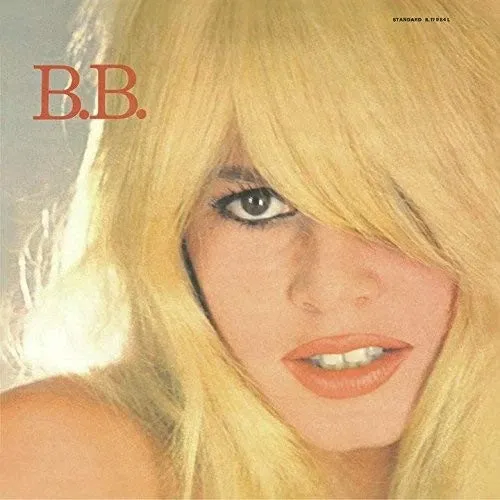
A lo largo de su carrera protagonizó cerca de 50 películas, entre ellas títulos esenciales como La verdad (1960), El desprecio (1963) o Viva María! (1965). Su estilo —cabello rubio despeinado, mirada felina, sensualidad natural— marcó una época e inspiró a artistas, cineastas y músicos de todo el mundo.
Una figura cultural que trascendió la pantalla
Bardot no solo fue actriz: también desarrolló una exitosa carrera musical. Su colaboración con Serge Gainsbourg en Je t’aime… moi non plus (1967) sigue siendo uno de los momentos más provocadores de la chanson française.
Intelectuales como Simone de Beauvoir la analizaron como símbolo de emancipación femenina, mientras que directores como Godard o Clouzot la convirtieron en emblema de un cine que exploraba nuevas formas de libertad y deseo.
Activista incansable por los animales
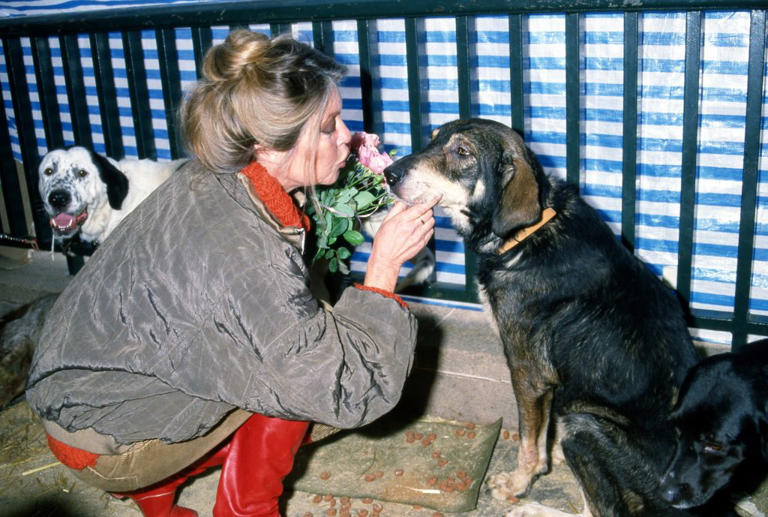
Tras retirarse del cine en 1973, Bardot dedicó su vida a la defensa de los animales. En 1986 creó la Fundación Brigitte Bardot, desde la que impulsó campañas internacionales contra la caza de focas, el maltrato animal y la experimentación científica.
Brigitte Bardot marcó una época por los papeles que interpretó"
Su activismo la convirtió en una figura influyente, aunque también polémica: sus posiciones políticas conservadoras y declaraciones sobre inmigración e islam le valieron varias condenas judiciales en Francia.
Sus últimos años: retirada, salud frágil y vida en Saint‑Tropez
En los últimos años, Bardot vivía recluida en sus propiedades de Saint‑Tropez, con dificultades de movilidad y alejada de la vida pública. Su fundación ha expresado su “inmensa tristeza” por la pérdida de su fundadora y presidenta.
Un legado eterno
Brigitte Bardot fue actriz, cantante, mito erótico, musa intelectual y activista. Amada y cuestionada a partes iguales, su figura sigue siendo sinónimo de libertad, rebeldía y modernidad. Con su muerte, el cine europeo pierde a una de sus últimas grandes leyendas, y la cultura del siglo XX despide a una mujer que cambió para siempre la forma de mirar —y de filmar— a las mujeres.

Brigitte Bardot dies at 91: farewell to an unrepeatable myth of French cinema
French actress and singer Brigitte Bardot, one of the great cultural icons of the 20th century, has died at the age of 91, the Brigitte Bardot Foundation confirmed in a statement released on Sunday. With his death, one of the last living legends of European cinema disappears, a symbol of the sexual revolution, muse of the Nouvelle Vague and a key figure in the defense of animals during the last five decades.
A star who changed the history of cinema
Born in Paris in 1934, Bardot burst onto the big screen in the mid-fifties and revolutionized the female image in cinema. Her consecration came with And God Created Woman (1956), directed by her then-husband Roger Vadim, a film that scandalized French society and made her an international phenomenon.
Throughout her career she starred in nearly 50 films, including essential titles such as The Truth (1960), Contempt (1963) or Viva María! (1965). Her style—tousled blonde hair, feline look, natural sensuality—marked an era and inspired artists, filmmakers, and musicians around the world.
A cultural figure who transcended the screen
Bardot was not only an actress: she also developed a successful musical career. His collaboration with Serge Gainsbourg on Je t'aime... Moi non plus (1967) remains one of the most provocative moments of the chanson française.
Intellectuals such as Simone de Beauvoir analysed her as a symbol of female emancipation, while directors such as Godard or Clouzot made her an emblem of a cinema that explored new forms of freedom and desire.
Tireless activist for animals
After retiring from cinema in 1973, Bardot dedicated her life to the defense of animals. In 1986 she created the Brigitte Bardot Foundation, from which she promoted international campaigns against seal hunting, animal abuse and scientific experimentation.
Bardot marcó una época por los papeles que interpretó
His last years: retirement, fragile health and life in Saint-Tropez
In recent years, Bardot lived in seclusion in her properties in Saint-Tropez, with mobility difficulties and away from public life. Her foundation has expressed its "immense sadness" at the loss of its founder and president.
An eternal legacy
Brigitte Bardot was an actress, singer, erotic myth, intellectual muse and activist. Loved and questioned in equal parts, her figure continues to be synonymous with freedom, rebellion and modernity. With her death, European cinema loses one of its last great legends, and the culture of the twentieth century says goodbye to a woman who forever changed the way we look at – and film – women.
The Mouth of Truth is a reader-supported publication. To receive new posts and support my work, consider becoming a free or paid subscriber.
In questo spazio non si paga per entrare: si entra perché si riconosce un’eco,
un frammento di sé, un varco che merita di essere custodito.
Se desideri sostenere questo lavoro con un gesto libero, puoi farlo qui:

This space does not ask for payment to enter: you enter because you recognize an echo,
a fragment of yourself, a threshold worth preserving.
If you wish to support this work with a free and voluntary gesture, you may do so here:
En este espacio no se paga por entrar: se entra porque uno reconoce un eco,
un fragmento de sí mismo, un umbral que merece ser cuidado.
Si deseas apoyar este trabajo con un gesto libre y voluntario, puedes hacerlo aquí: