
Belém Tower, Lisbon, Portugal
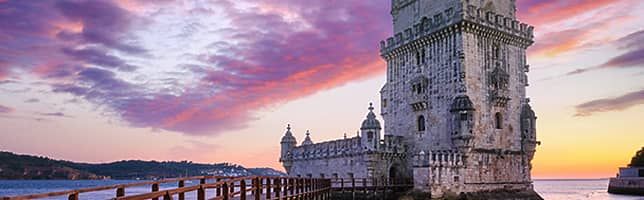
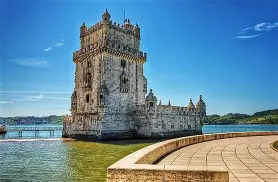
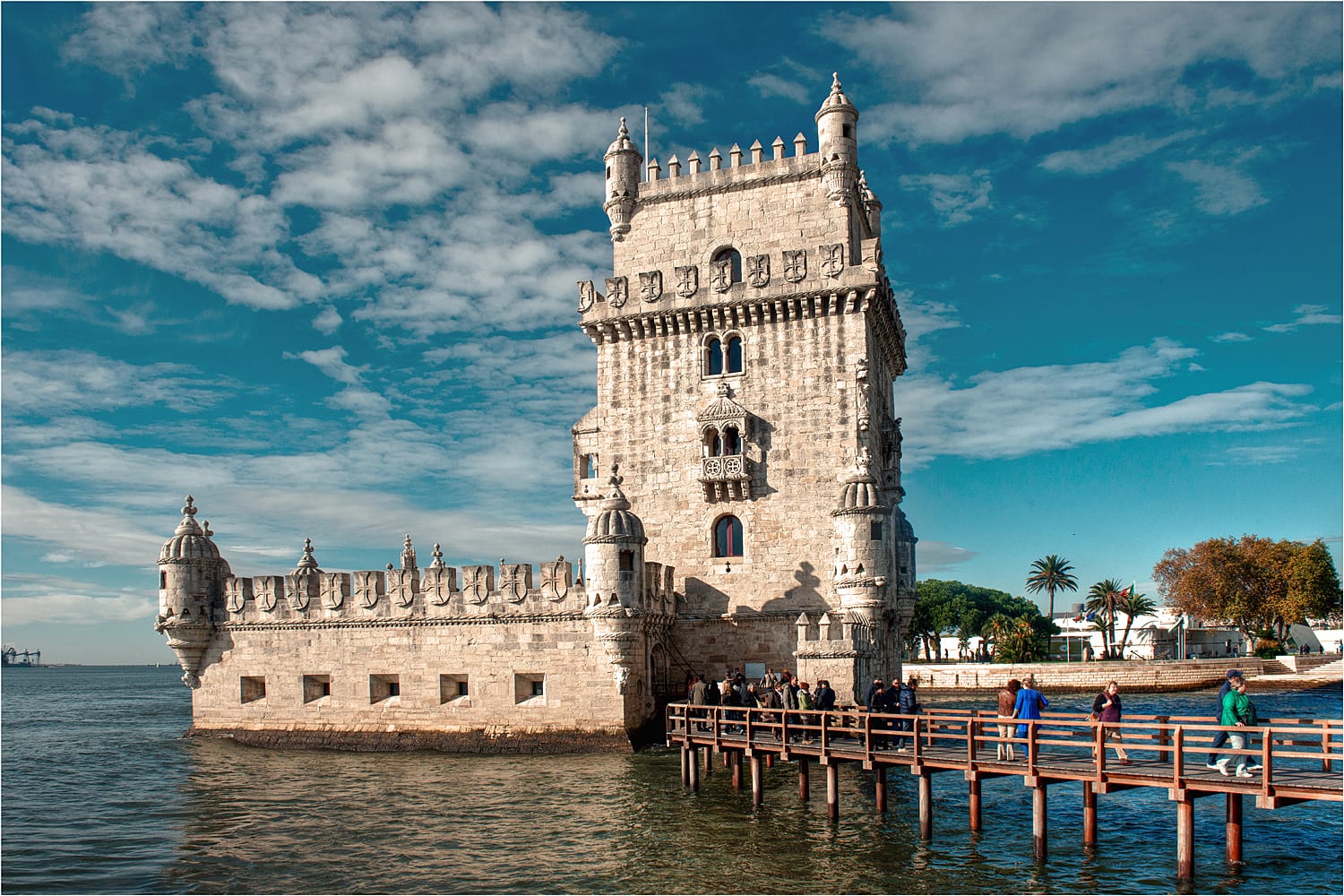
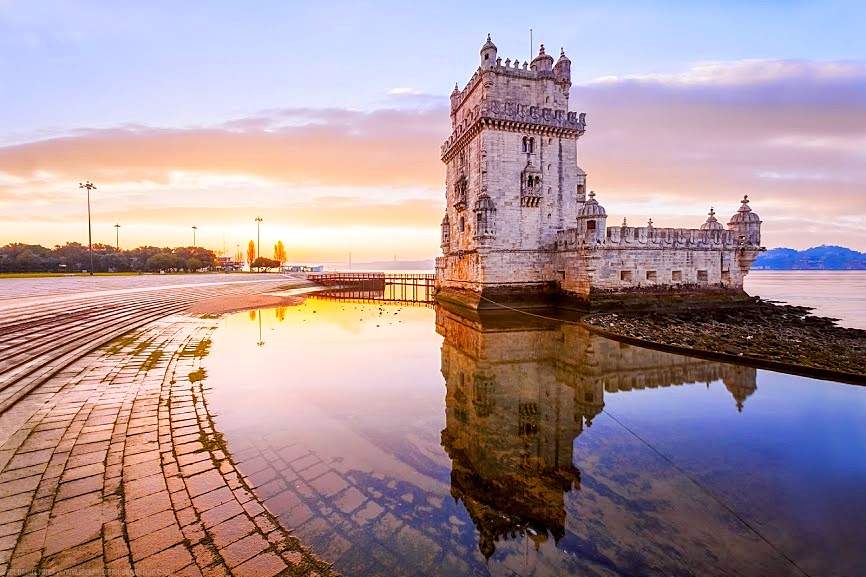
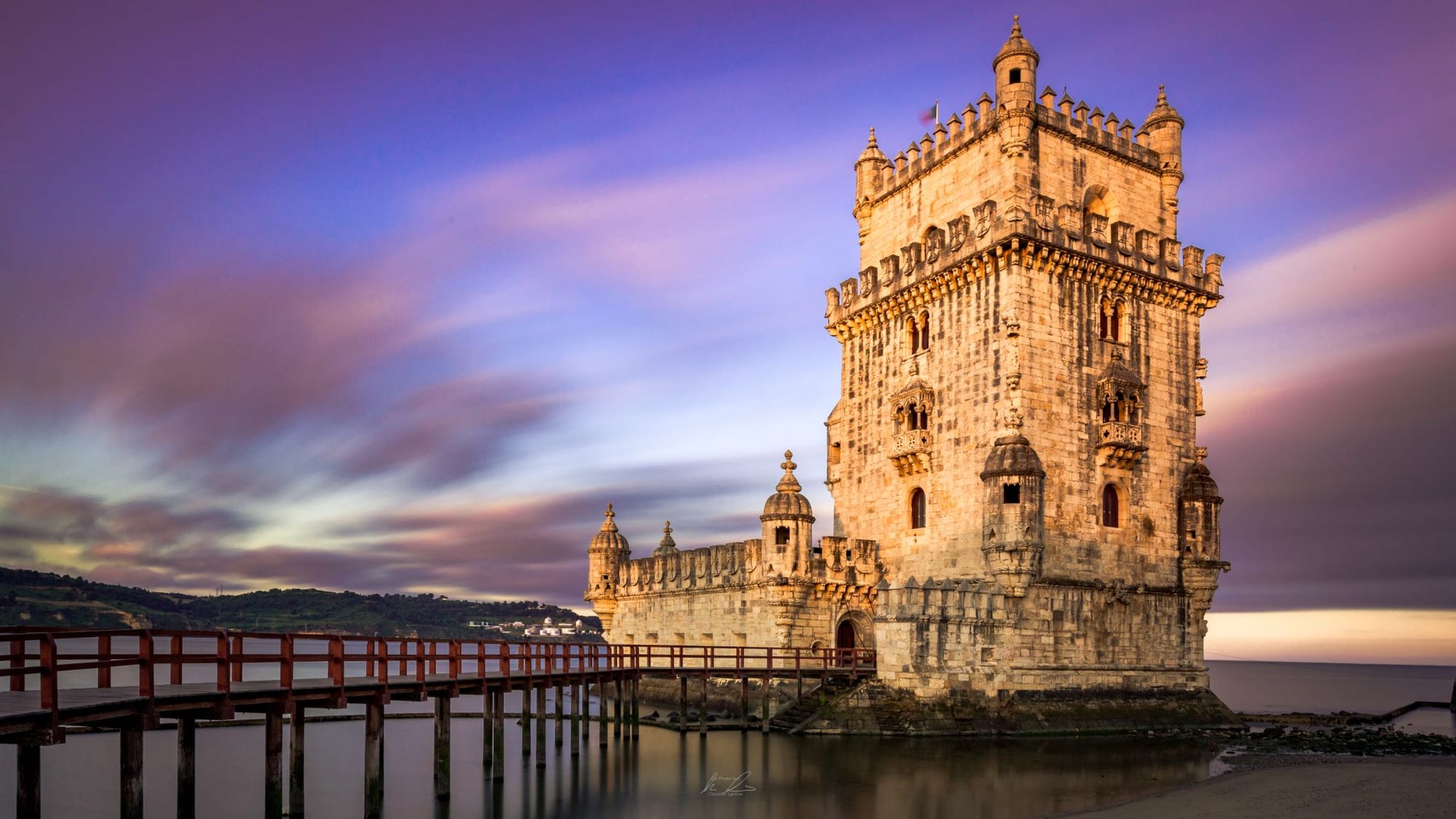
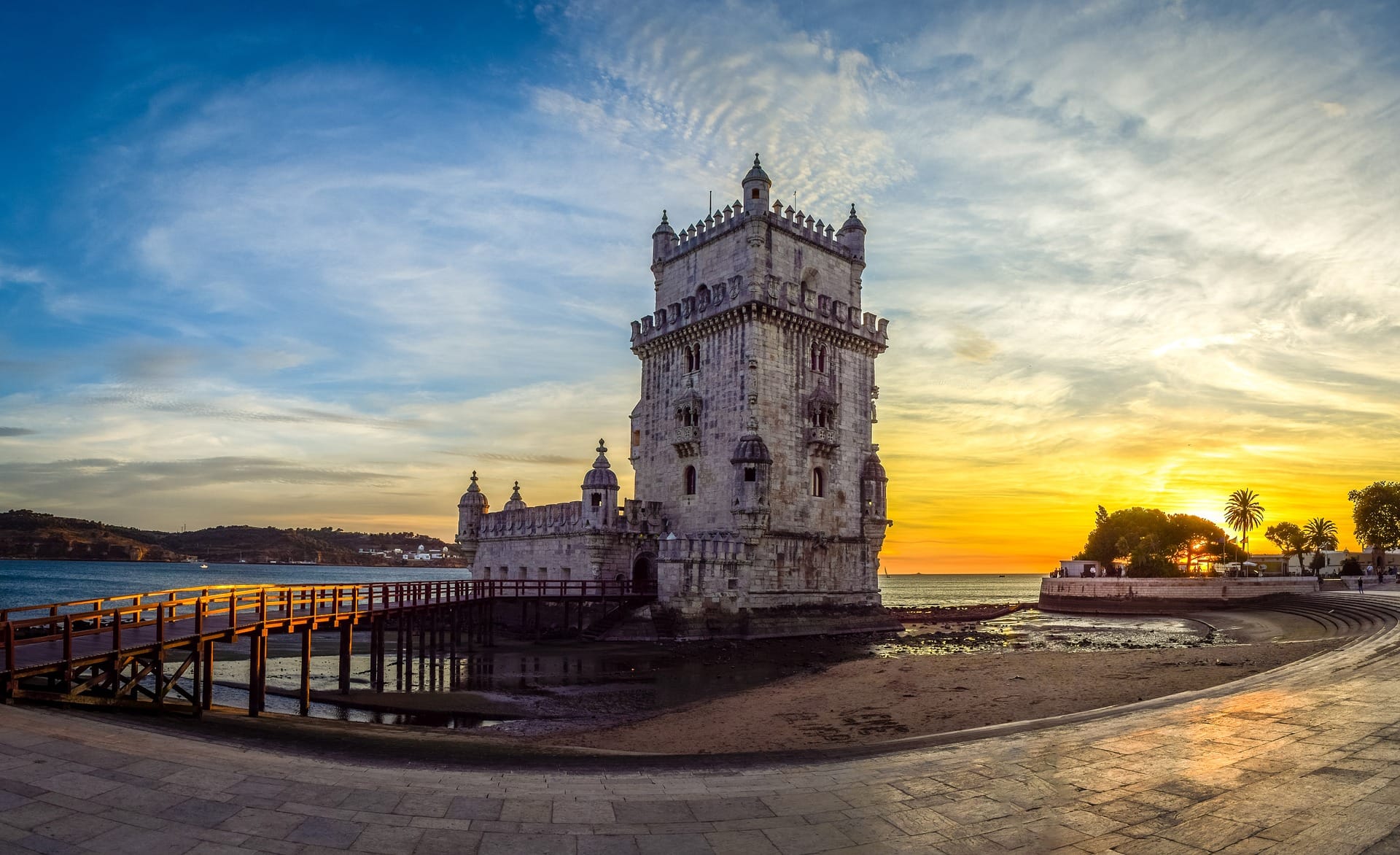
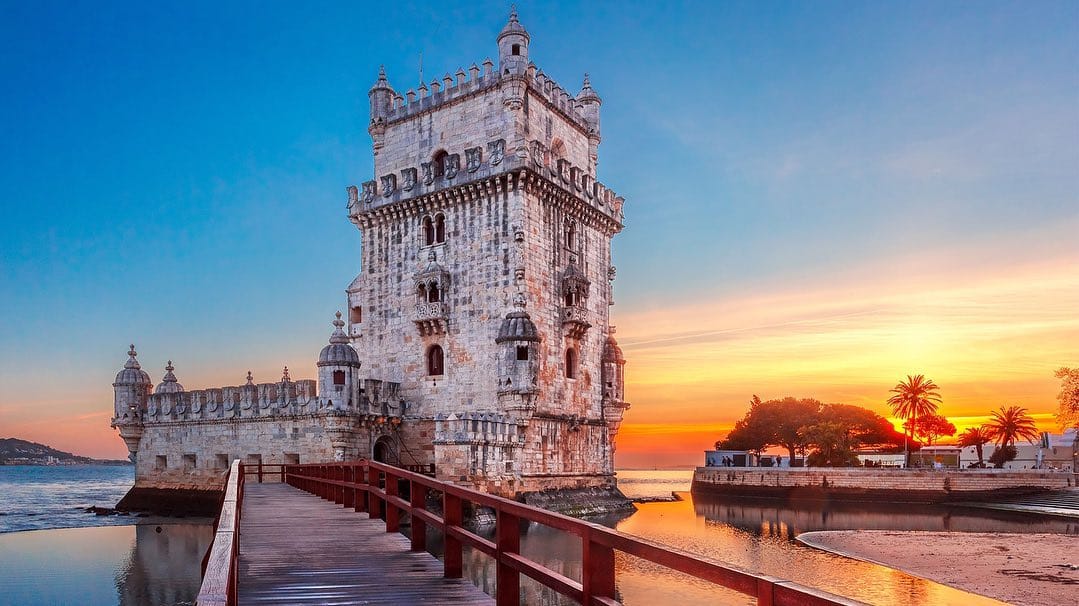
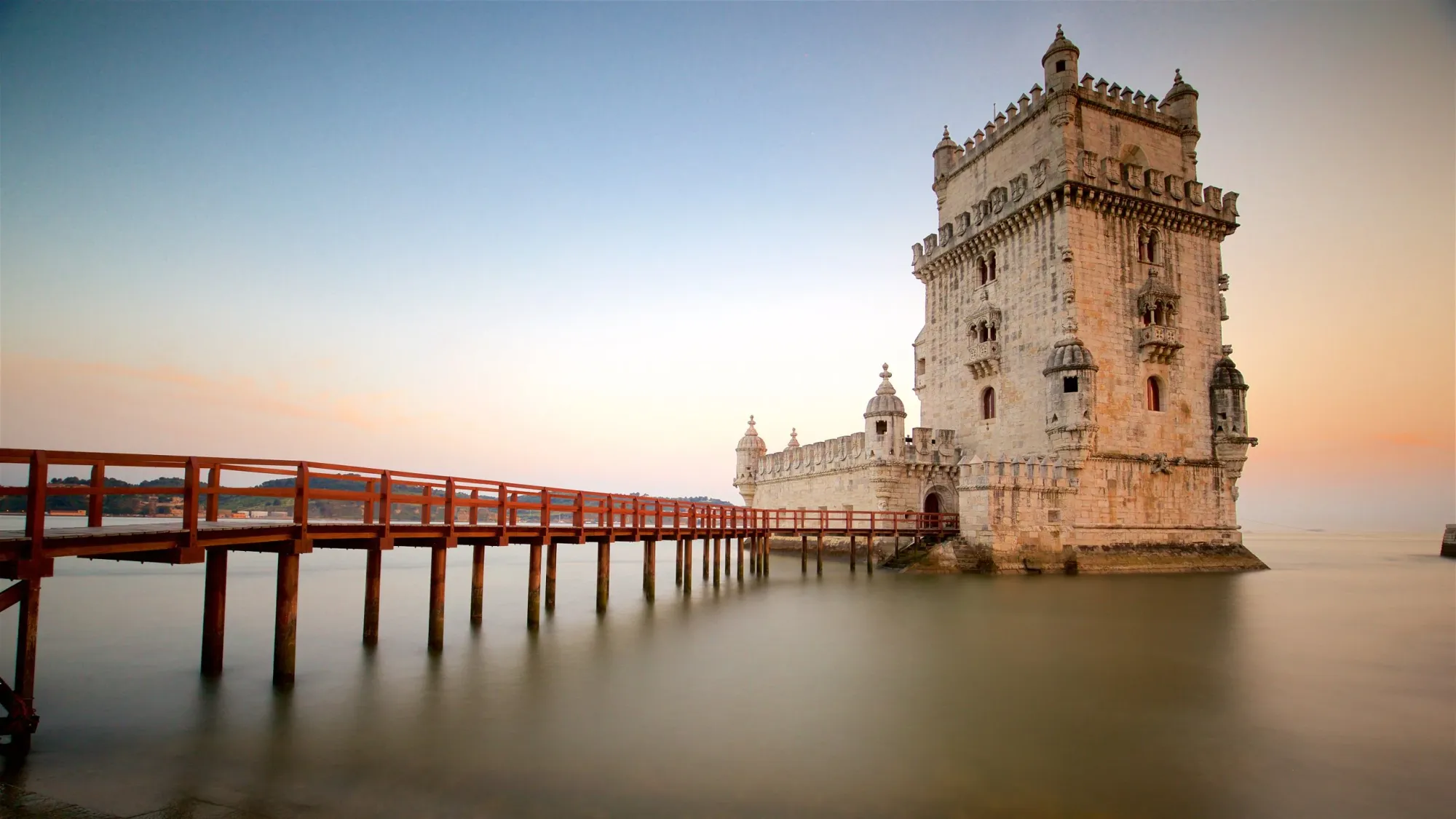
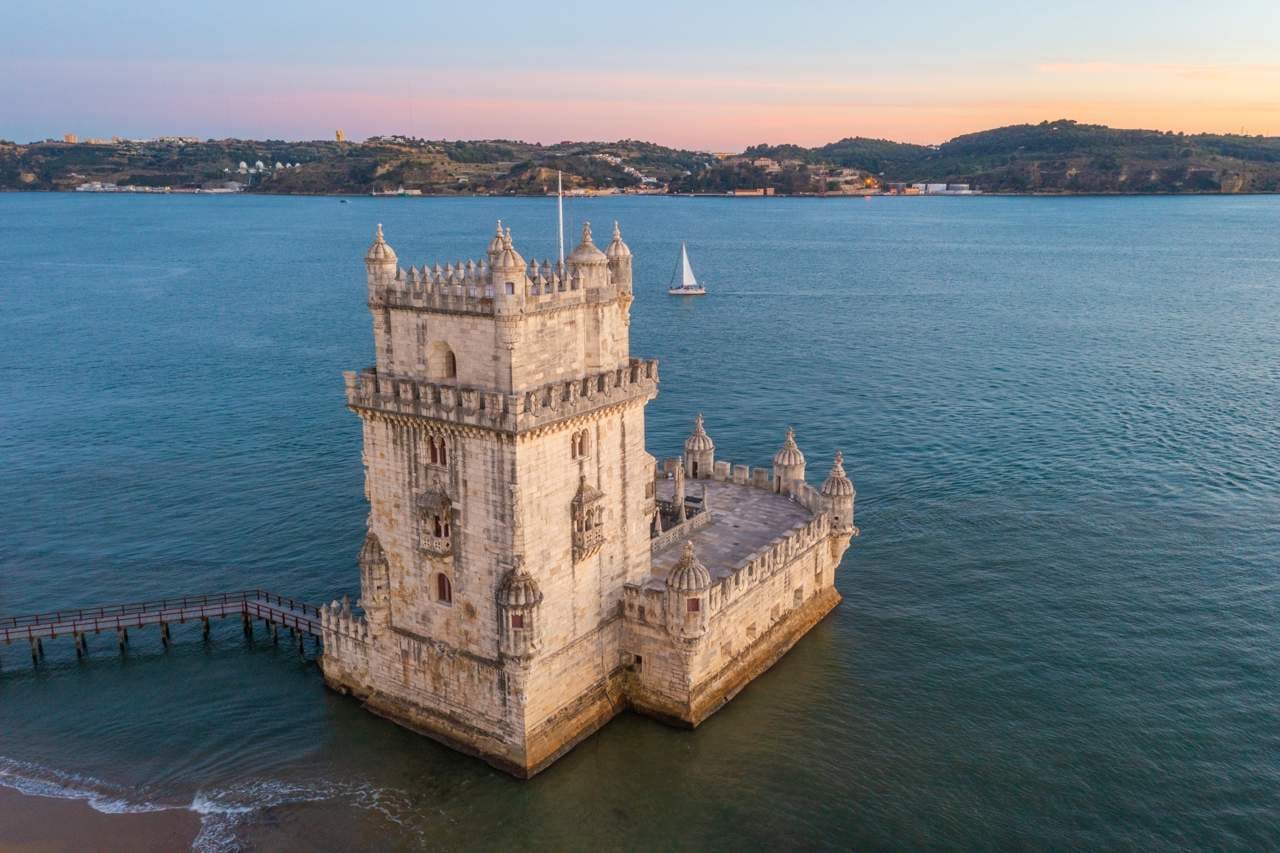
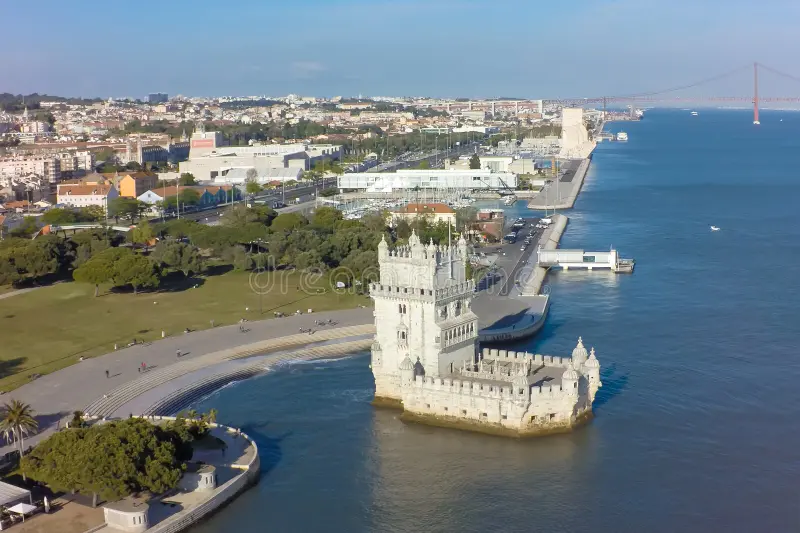
The Belém Tower is one of the great symbols of Lisbon, in Portugal. It stands next to the mouth of the Tagus River and was built at the beginning of the sixteenth century as part of the city's defensive system. Its architecture combines Gothic and Renaissance elements with the Manueline style, visible in its balconies, maritime decorations and turrets. In addition to its military function, the tower became an emblem of the Portuguese Age of Discovery, linked to ocean expeditions. Today it is a World Heritage Site and a key point to understand the historical relationship between Lisbon, the river and the sea.
In Spain, the Torre del Oro in Seville offers a clear parallel. Located on the banks of the Guadalquivir, it also guarded the river access and protected the city. Both towers share their symbolic value, their link with navigation and their role as historical references by the water.
Torre de Belém, Lisboa, Portugal
La Torre de Belém es uno de los grandes símbolos de Lisboa, en Portugal. Se alza junto a la desembocadura del río Tajo y fue construida a comienzos del siglo XVI como parte del sistema defensivo de la ciudad. Su arquitectura combina elementos góticos y renacentistas con el estilo manuelino, visible en sus balcones, decoraciones marítimas y torreones. Además de su función militar, la torre se convirtió en un emblema de la era de los descubrimientos portugueses, ligada a las expediciones oceánicas. Hoy es Patrimonio de la Humanidad y un punto clave para comprender la relación histórica entre Lisboa, el río y el mar.
En España, la Torre del Oro de Sevilla ofrece un paralelismo claro. Situada a orillas del Guadalquivir, también vigiló el acceso fluvial y protegió la ciudad. Ambas torres comparten su valor simbólico, su vínculo con la navegación y su papel como referentes históricos junto al agua.
Torre di Belém, Lisbona, Portogallo
La Torre di Belém è uno dei grandi simboli di Lisbona, in Portogallo. Si trova accanto alla foce del fiume Tago ed è stata costruita all'inizio del XVI secolo come parte del sistema difensivo della città. La sua architettura combina elementi gotici e rinascimentali con lo stile manuelino, visibile nei balconi, nelle decorazioni marittime e nelle torrette. Oltre alla sua funzione militare, la torre divenne un emblema dell'Età delle Scoperte portoghese, legata alle spedizioni oceaniche. Oggi è un sito Patrimonio dell'Umanità e un punto chiave per comprendere il rapporto storico tra Lisbona, il fiume e il mare.
In Spagna, la Torre del Oro a Siviglia offre un chiaro parallelo. Situato sulle rive del Guadalquivir, proteggeva anche l'accesso al fiume e proteggeva la città. Entrambe le torri condividono il loro valore simbolico, il legame con la navigazione e il loro ruolo di riferimenti storici sull'acqua.

The Mouth of Truth is a reader-supported publication. To receive new posts and support my work, consider becoming a free or paid subscriber.
In questo spazio non si paga per entrare: si entra perché si riconosce un’eco,
un frammento di sé, un varco che merita di essere custodito.
Se desideri sostenere questo lavoro con un gesto libero, puoi farlo qui:

This space does not ask for payment to enter: you enter because you recognize an echo,
a fragment of yourself, a threshold worth preserving.
If you wish to support this work with a free and voluntary gesture, you may do so here:
En este espacio no se paga por entrar: se entra porque uno reconoce un eco,
un fragmento de sí mismo, un umbral que merece ser cuidado.
Si deseas apoyar este trabajo con un gesto libre y voluntario, puedes hacerlo aquí: